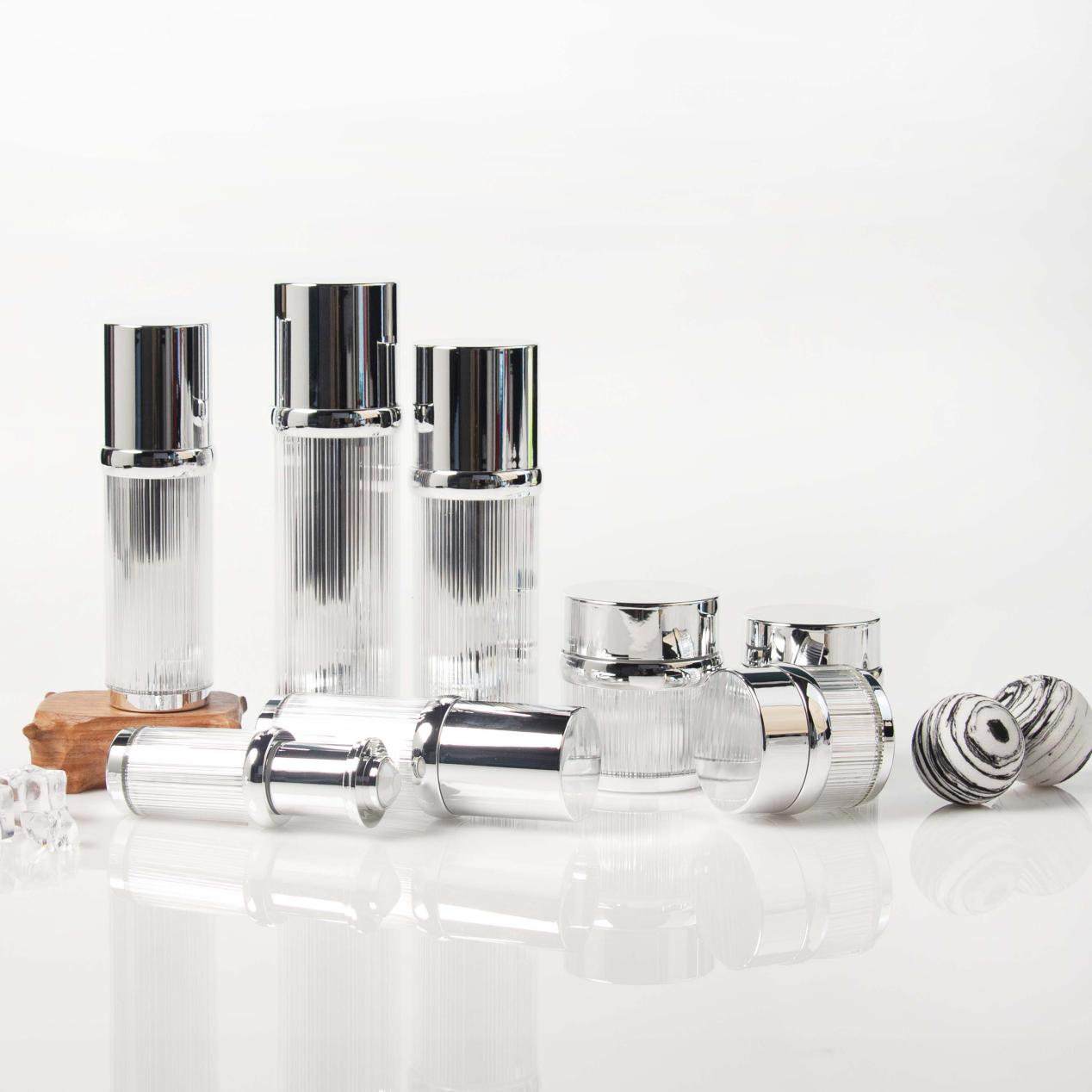
5 POINTS Focuses for Choosing PETG Jars: A Comprehensive Guide for Cosmetic Brands and Enthusiasts
In the dynamic landscape of cosmetic packaging, PETG jars have emerged as a standout choice, bridging the gap between functionality, aesthetics, and sustainability. For both small-batch skincare creators and large-scale cosmetic brands, selecting the right PETG jar is not merely a matter of storage—it directly impacts product appeal, customer trust, and operational efficiency. However, with a wide range of options available, navigating the selection process can be overwhelming. This guide distills critical insights from industry expertise to outline five core focuses for choosing PETG jars, while also highlighting their unique advantages and comparing them to alternative materials. By the end, you will have the knowledge to make informed decisions that align with your product needs, brand identity, and long-term goals.
Key Focus 1: Understand PETG Material Properties—Strengths That Drive Its Popularity
Before diving into specific jar features, it is essential to grasp the fundamental characteristics of PETG (Polyethylene Terephthalate Glycol), as these properties define its suitability for cosmetic packaging. PETG belongs to the polyester family of thermoplastic polymers, modified with glycol to enhance flexibility and moldability—distinguishing it from standard PET (Polyethylene Terephthalate) used in plastic bottles. Its unique composition gives rise to a set of advantages that make it a favorite in the cosmetic industry, along with a few limitations to consider.
Core Advantages of PETG Material
- Superior Clarity and Aesthetic Appeal
PETG jars boast glass-like transparency, allowing customers to see the texture, color, and quantity of the product inside— a critical factor in cosmetic purchasing decisions. Unlike opaque plastics or frosted glass, PETG’s high gloss and clarity showcase products such as creamy moisturizers, vibrant gels, or pigmented foundations, making them more visually enticing on store shelves or e-commerce listings. This transparency also builds trust, as consumers can verify product quality before purchase.
- Exceptional Durability and Impact Resistance
One of the most significant drawbacks of glass jars is their fragility—they easily shatter during shipping, handling, or accidental drops, leading to product waste and customer complaints. PETG addresses this pain point with its impressive toughness: it is up to 10 times more impact-resistant than glass, ensuring jars remain intact even in transit. For small business owners, this means reduced losses from damaged goods; for consumers, it translates to a more durable storage solution for bathroom or travel use.
- Lightweight Design for Cost and Convenience
PETG is significantly lighter than glass—an attribute that cuts down on shipping costs, especially for bulk orders. For example, a 100ml PETG jar weighs approximately 15-20g, while an equivalent glass jar can weigh 80-100g. Over time, these weight savings add up, lowering logistics expenses for brands. Additionally, the lightweight nature makes PETG jars easier for customers to carry (e.g., in travel toiletry bags) without sacrificing sturdiness.
- Safety Compliance for Cosmetic Use
Safety is non-negotiable when packaging products that come into contact with skin. PETG jars are typically BPA-free (bisphenol A, a harmful chemical linked to health risks) and meet global safety standards, including FDA (U.S. Food and Drug Administration) and EU REACH regulations. Many are also certified food-safe, expanding their use to products like lip balms or solid perfumes that may have incidental contact with the mouth. This compliance gives brands and consumers peace of mind that no harmful substances will leach into the product over time.
- Recyclability for Sustainable Branding
As consumers increasingly prioritize eco-friendly packaging, PETG’s recyclability becomes a key selling point. Unlike non-recyclable plastics or single-use materials, PETG can be processed and repurposed into new products, reducing its environmental footprint. While it is not biodegradable (a limitation shared by most plastics), its recyclability aligns with the cosmetic industry’s shift toward sustainability—helping brands appeal to eco-conscious customers and meet corporate social responsibility goals.
Limitations to Keep in Mind
No material is perfect, and PETG has two primary drawbacks to consider:
- Limited High-Heat Resistance: PETG has a lower melting point (approximately 80-90°C) compared to plastics like polypropylene (PP) or glass. This means it is unsuitable for products that require heat sterilization (e.g., some medical-grade skincare) or storage in high-temperature environments (e.g., direct sunlight on a bathroom windowsill). Exposing PETG jars to excessive heat can cause warping or deformation.
- Susceptibility to Scratching: While durable against impacts, PETG surfaces can scratch more easily than glass. Over time, repeated use or contact with abrasive materials (e.g., rough washcloths) may dull the jar’s clarity, affecting its aesthetic appeal. To mitigate this, brands can opt for scratch-resistant coatings or advise customers to clean jars with soft cloths.
Maintenance Tips for Longevity
To extend the lifespan of PETG jars (whether for personal use or brand reusability), follow these simple steps:
- Rinse with warm (not hot) water to remove product residue.
- Use mild soap and a soft sponge or cloth—avoid abrasive cleaners or scouring pads.
- Dry thoroughly with a lint-free towel to prevent water spots.
- For reused jars, ensure they are fully sanitized between products to avoid cross-contamination (e.g., between a facial cream and a body scrub).
Key Focus 2: Prioritize Product Compatibility and Size Selection
Even the highest-quality PETG jar will fail if it is incompatible with your cosmetic formulation or the wrong size for your product. This focus ensures that your jar protects your product’s integrity and meets user expectations.
Compatibility: Avoid Chemical Reactions
PETG is chemically resistant to most common cosmetic ingredients, including water-based creams, oil-based lotions, and powdered products. However, it is not universally compatible—high concentrations of essential oils, alcohol, or strong solvents can degrade the plastic over time, leading to leakage, discoloration, or even the release of unwanted substances. For example:
- A 70% alcohol-based hand sanitizer stored in a PETG jar may cause the plastic to become brittle over weeks.
- Pure essential oils (e.g., tea tree oil, citrus oils) with high volatility can penetrate PETG, altering the jar’s structure.
To avoid this, always:
- Consult your jar supplier for compatibility testing (most reputable suppliers offer this service for bulk orders).
- Conduct small-scale trials: Store your product in a sample PETG jar for 2-4 weeks and monitor for changes (e.g., leakage, jar discoloration, product separation).
- If your formulation includes incompatible ingredients, consider alternative materials like glass (for high-alcohol products) or PP (for strong solvents).
Size Selection: Match Volume to Use Case
PETG jars are available in a wide range of sizes, typically from 5ml to 500ml—each suited to different cosmetic products. The key is to balance product volume, user convenience, and brand positioning:
| Jar Size | Typical Uses | User Benefit | Brand Consideration |
| 5ml – 15ml | Eye creams, serums, sample sizes, travel sets | Compact for travel; reduces product waste | Ideal for luxury brands or sample giveaways |
| 20ml – 50ml | Facial moisturizers, night creams, lip balms | Perfect for daily use (lasts 2-4 weeks) | Balances portability and value for customers |
| 60ml – 150ml | Body lotions, face masks, foundation | Generous volume for regular use | Appeals to budget-conscious consumers |
| 200ml – 500ml | Large-body creams, hair masks, bulk products | Cost-effective for frequent use | Suits family-sized or professional products |
When choosing a size, ask:
- How long will the product last with typical use? (A 15ml eye cream should last 1-2 months—too small, and customers may feel shortchanged; too large, and the product may expire before use.)
- Is the jar easy to handle? (A 500ml jar may be too heavy for elderly users or hard to store in small bathrooms.)
- Does the size align with your brand’s positioning? (Luxury brands often use smaller, 精致 jars to convey exclusivity; drugstore brands may opt for larger sizes to emphasize value.)
Key Focus 3: Choose the Right Lid for Functionality and Freshness
A jar is only as good as its lid—poorly designed lids lead to product leakage, contamination, and reduced shelf life. For PETG jars, lid selection should be based on your product’s consistency (liquid, cream, powder) and the need for airtight or easy access.
Common Lid Types and Their Uses
- Screw Caps
Screw caps are the most popular choice for PETG jars, as they create a secure seal when twisted tightly. They are ideal for:
- Creamy products (e.g., moisturizers, body butters) that need protection from air and moisture.
- Powders (e.g., face powder, blush) that can spill if lids are loose.
Many screw caps include a silicone gasket (a thin rubber ring inside the lid) to enhance sealing—critical for liquid or semi-liquid products like gels or serums. For example, a 30ml gel serum stored in a PETG jar with a gasketed screw cap will stay fresh for 6+ months, compared to 3-4 months with a non-gasketed lid.
- Snap-On Lids
Snap-on lids (also called “push-on lids”) are easy to open and close with one hand, making them convenient for products used frequently (e.g., lip balms, hand creams). However, they are less airtight than screw caps, so they are best for:
- Solid products (e.g., lip balms, solid perfumes) that are less prone to drying out.
- Products with short shelf lives (e.g., homemade face masks used within 2 weeks).
- Pump Lids or Disc Top Lids
For liquid or semi-liquid products (e.g., liquid foundations, hand sanitizers), pump lids or disc top lids (which have a small opening that pops open) are ideal. They:
- Prevent contamination by avoiding direct contact with hands.
- Control product dispense (reducing waste).
Note: These lids require the PETG jar to have a compatible neck size (e.g., 24mm or 28mm), so ensure your jar and lid are matched by the supplier.
Lid Material Considerations
Lids for PETG jars are typically made from PP, acrylic, or metal (e.g., aluminum for luxury branding). Each has pros and cons:
- PP Lids: Affordable, lightweight, and durable—best for budget-friendly brands.
- Acrylic Lids: Transparent, matching the PETG jar’s clarity—ideal for showcasing products (e.g., a jar of glitter with an acrylic lid).
- Metal Lids: Premium feel, resistant to scratching—suited for high-end brands (e.g., luxury face creams).
Key Focus 4: Leverage Customization to Build Brand Identity
In a crowded cosmetic market, customization is what sets your product apart. PETG jars offer ample opportunities for branding, allowing you to create a cohesive look that resonates with your target audience.
Customization Options for PETG Jars
- Color Customization
While clear PETG jars are the most popular (for showcasing products), you can also order jars in custom colors (e.g., pastels for a vegan skincare line, bold hues for a teen-focused makeup brand). Colored PETG jars are made by adding pigments during the molding process—ensure the pigment is food-safe and does not affect the jar’s chemical resistance.
- Direct Printing and Labeling
- Direct Printing: Techniques like screen printing or digital printing allow you to add logos, product names, or ingredient lists directly onto the PETG jar. This creates a seamless look (no peeling labels) and is durable for repeated use. For example, a natural skincare brand might print a leaf logo and “Paraben-Free” text directly on a 50ml PETG jar.
- Labeling: If direct printing is outside your budget, high-quality adhesive labels are a cost-effective alternative. Choose labels that are water-resistant (for bathroom use) and compatible with PETG (some labels may peel off due to the plastic’s surface).
- Lid Customization
Lids can be customized to match your brand:
- Print logos on PP or acrylic lids.
- Use metal lids with embossed text (e.g., a luxury brand’s name embossed on an aluminum lid).
- Add decorative elements like ribbons or stickers to lids for limited-edition products.
The Impact of Customization on Brand Recognition
A well-customized PETG jar does more than look attractive—it reinforces your brand’s values. For example:
- A sustainable brand might use a clear PETG jar with a recycled plastic lid and a label made from biodegradable paper, highlighting its eco-friendly mission.
- A minimalist brand could opt for a frosted PETG jar with a simple black screw cap and minimal text, appealing to customers who value simplicity.
When working with suppliers, ensure they offer:
- Sample customizations (e.g., a printed jar or colored lid) to test before bulk ordering.
- Flexibility in minimum order quantities (MOQs) for custom designs—small brands may need lower MOQs (e.g., 500 units) than large brands (e.g., 10,000 units).
Key Focus 5: Navigate Bulk Procurement for Cost-Effectiveness
For brands, bulk purchasing of PETG jars is the most cost-effective way to meet demand— but it requires careful planning to avoid overspending or receiving low-quality products.
Reliable Sources for Bulk PETG Jars
- Specialized Packaging Suppliers
Suppliers that focus on cosmetic packaging (e.g., CosPak, Pinmao) are the best choice, as they:
- Offer a wide range of PETG jar sizes and lid types.
- Understand cosmetic industry standards (e.g., safety compliance, compatibility).
- Provide value-added services like customization, compatibility testing, and sample orders.
- Online Marketplaces
Platforms like Alibaba, Amazon Business, or Etsy (for small-batch suppliers) are convenient for comparing prices and suppliers. However, exercise caution:
- Verify supplier credentials (e.g., check reviews, ask for certifications like FDA compliance).
- Request samples before placing a large order—online photos may not accurately represent the jar’s clarity or durability.
- Local Manufacturers
Sourcing from local manufacturers (e.g., a plastic molding company in your region) offers several benefits:
- Lower shipping costs (no international fees or customs delays).
- Faster lead times (critical for time-sensitive product launches).
- Easier communication for custom orders or quality issues.
Critical Factors in Bulk Buying
- Minimum Order Quantities (MOQs)
Most suppliers have MOQs for PETG jars—ranging from 100 units (small suppliers) to 5,000+ units (large manufacturers). To avoid overstocking:
- Calculate your monthly product demand (e.g., if you sell 200 jars of moisturizer per month, order 600-800 units for a 3-4 month supply).
- Negotiate lower MOQs with suppliers (some may reduce MOQs for repeat customers or custom orders).
- Shipping and Logistics
Shipping costs can significantly increase the total cost of bulk orders, especially for international suppliers. To reduce expenses:
- Choose suppliers with discounted shipping rates for bulk orders (e.g., free shipping for orders over $500).
- Opt for sea freight instead of air freight for large orders (sea freight is cheaper, though slower).
- Factor in customs duties and taxes for international orders (use tools like FedEx’s Duty Calculator to estimate costs).
- Quality Assurance
Never compromise on quality for a lower price. To ensure you receive high-quality PETG jars:
- Request samples and inspect them for defects (e.g., uneven walls, cloudy plastic, loose lids).
- Ask for third-party testing reports (e.g., BPA-free certification, chemical resistance tests).
- Include a quality guarantee in your order contract (e.g., the supplier will replace defective jars free of charge).
Comparative Analysis: PETG Jars vs. Alternative Packaging Materials
To fully understand why PETG jars are a top choice, it is helpful to compare them to two common alternatives: glass jars and PP jars. The table below breaks down key features to help you make an informed choice.
| Feature | PETG Jars | Glass Jars | PP Jars |
| Material Properties | Durable, impact-resistant, high clarity | Fragile, scratch-resistant, premium clarity | Lightweight, flexible, low clarity (matte) |
| Weight | Light (15-20g for 100ml) | Heavy (80-100g for 100ml) | Very light (10-15g for 100ml) |
| Heat Resistance | Low (80-90°C; avoid high heat) | High (up to 500°C; suitable for sterilization) | Moderate (100-120°C; better than PETG) |
| Chemical Resistance | Good (avoid high alcohol/essential oils) | Excellent (compatible with all formulations) | Very good (resistant to solvents) |
| Customization | High (colors, direct printing, labels) | Moderate (labels, etching; limited colors) | Low (few color options; poor print adhesion) |
| Cost | Moderate (\(0.50-\)1.50 per 100ml jar) | High (\(1.00-\)3.00 per 100ml jar) | Low (\(0.30-\)0.80 per 100ml jar) |
| Environmental Impact | Recyclable (energy-intensive to process) | Fully recyclable (infinite recycling potential) | Recyclable (low energy to process) |
| Ideal Use Cases | Creams, gels, serums, travel sets | Luxury products, high-alcohol formulations | Budget products, solid cosmetics (e.g., bar soap) |
Conclusion: Synthesizing the Five Focuses for Success
Choosing the right PETG jar requires a holistic approach—one that balances material properties, product compatibility, lid functionality, customization, and cost. By focusing on these five key areas, you can:
- Select a jar that protects your cosmetic formulation and maintains its freshness.
- Create a visually appealing package that stands out in the market.
- Align your packaging with your brand’s values (e.g., sustainability, luxury, affordability).
- Reduce operational costs through smart bulk purchasing and durable design.
PETG jars are not just a storage solution—they are a strategic tool for building customer trust and growing your brand. Whether you are a small skincare creator launching your first product or a large brand updating your packaging line, the insights in this guide will help you make decisions that drive success. Remember: the best PETG jar is not the most expensive or the most customizable—it is the one that perfectly fits your product, your customers, and your vision.