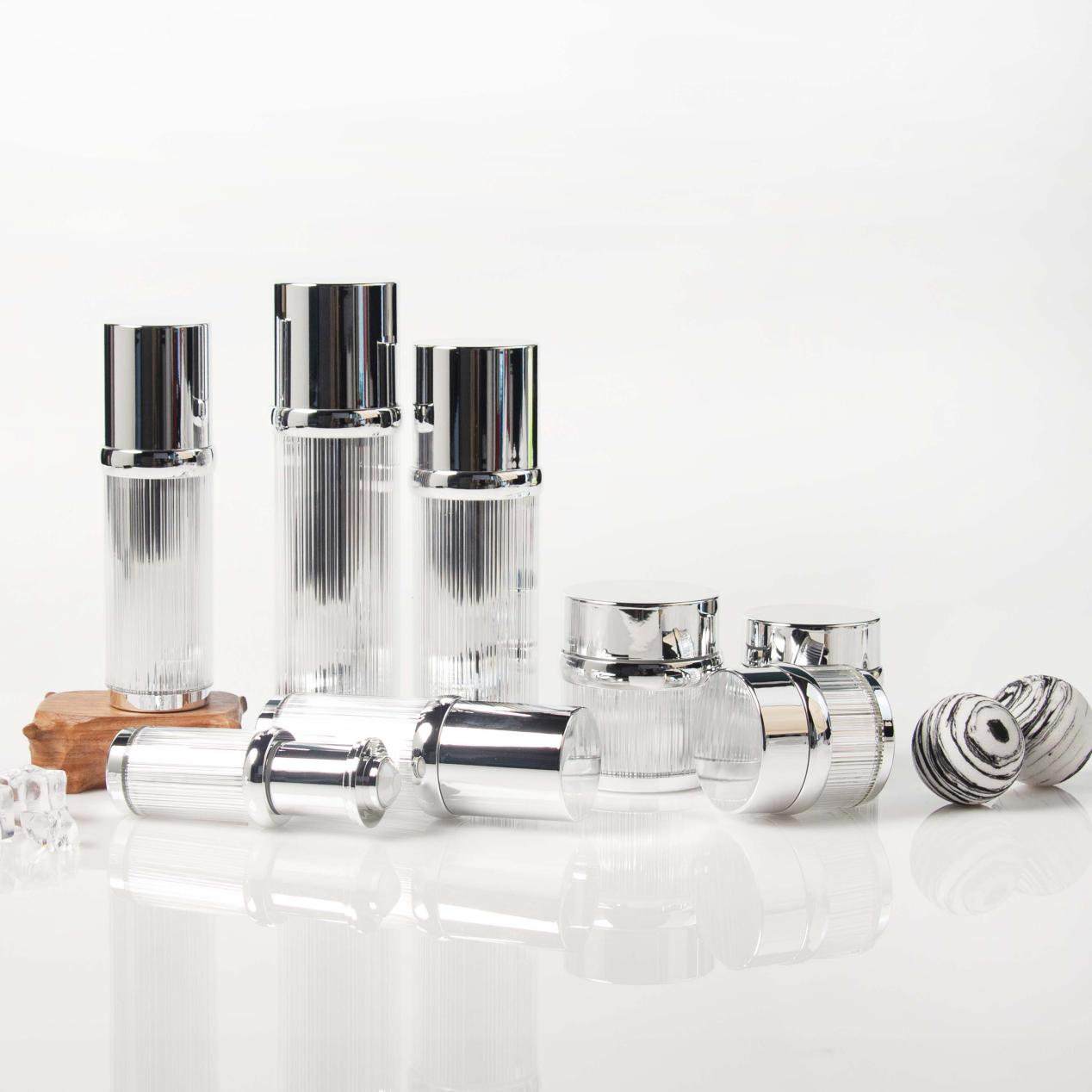
6 Key Focus Areas for Choosing Cream Jars: The 2025 Comprehensive Guide to Wholesale Jars
Introduction
In the fast-paced beauty and skincare industry, packaging is more than just a container—it’s a bridge between your product and consumers. For brands sourcing wholesale cream jars, the challenge lies not only in finding affordable options but also in selecting containers that align with product functionality, brand identity, and evolving market demands (such as sustainability). Whether you’re a startup launching your first facial cream or an established brand expanding your product line, overlooking critical factors in cream jar selection can lead to issues like product spoilage, poor customer experience, or missed branding opportunities.
This guide breaks down 6 key focus areas to simplify your wholesale cream jar selection process. We’ll dive into material compatibility, functional design, aesthetic-brand synergy, size optimization, cost-efficiency, and sustainability—covering everything from technical details to real-world applications. By the end, you’ll have the tools to choose jars that protect your products, enhance your brand, and resonate with your target audience.
What Are Users Really Looking For?
When searching for “wholesale cream jars” or “cosmetic plastic jars bulk,” users rarely seek a simple definition. Our analysis of industry trends and customer queries reveals three core intents that drive their search:
- Product Protection: Brands want jars that preserve their cream’s integrity—preventing oxidation, contamination, or chemical interactions with the container material. For example, a brand with a vitamin C-infused cream might ask, “Which plastic jars won’t react with active ingredients?”
- Brand Alignment: Users aim to match packaging to their brand’s persona. A luxury skincare line may prioritize sleek, frosted jars, while a budget-friendly brand focuses on durable, cost-effective options. Queries like “How can I customize jars to match my brand colors?” are common.
- Sustainable Compliance: With 67% of beauty consumers prioritizing eco-friendly packaging (2025 Beauty Packaging Report), users increasingly ask, “Do wholesale suppliers offer recyclable or biodegradable cream jars?”
This guide addresses these needs with actionable advice, comparative data, and practical examples—ensuring you don’t just “pick a jar,” but pick the right jar for your business.
Key Takeaways
Before diving into details, here’s a snapshot of the 6 key focus areas to keep in mind:
- 1. Material Compatibility: Choose jar materials that won’t react with your cream’s ingredients (e.g., oils, active compounds).
- 2. Functional Design Alignment: Opt for designs that enhance usability (e.g., airless pumps for sensitive formulas) and protect the product.
- 3. Aesthetic-Brand Synergy: Use jar design (color, texture, shape) to reinforce your brand’s identity (luxury, eco-friendly, minimalist).
- 4. Size Optimization: Select sizes based on product volume, consumer habits (e.g., travel vs. full-size), and shelf space.
- 5. Cost-Efficiency in Wholesale: Leverage bulk pricing, negotiate minimum order quantities (MOQs), and avoid hidden fees (e.g., shipping, customization).
- 6. Sustainability Compliance: Prioritize jars made from recycled materials, biodegradable plastics, or easily recyclable substrates to meet consumer and regulatory demands.
What Is the Quick and Direct Answer to “Wholesale Cream Jars”?
Wholesale cream jars are bulk-supplied containers designed to store and distribute cream-based products (e.g., facial moisturizers, body butters, hand creams) for businesses. They are available in materials like plastic, glass, and aluminum, with varying sizes (15ml to 250ml+), designs, and customization options. The best wholesale cream jars balance product protection, brand fit, and cost—and the 6 key focus areas outlined in this guide help you identify which jars meet these criteria for your specific needs.
Diving Deeper: The 6 Key Focus Areas for Choosing Wholesale Cream Jars
To make an informed decision, let’s explore each focus area in detail—including technical insights, examples, and questions to ask suppliers.
1. Material Compatibility: Protect Your Cream’s Integrity
The first rule of choosing a cream jar is ensuring its material won’t harm your product. Different cream formulations (e.g., water-based, oil-based, or active-rich) interact differently with packaging materials. Using the wrong material can lead to spoilage, texture changes, or even chemical leaching (though cosmetic-grade materials minimize this risk).
Common Materials for Wholesale Cream Jars & Their Compatibility
| Material | Key Features | Best for Formulations | Compatibility Risks |
| Polyethylene Terephthalate (PET) | Clear, lightweight, shatter-resistant, recyclable | Water-based creams, lotions, or gels (e.g., hyaluronic acid moisturizers) | Poor compatibility with strong oils (e.g., essential oils) — may cause clouding. |
| High-Density Polyethylene (HDPE) | Opaque, durable, impact-resistant, UV-protective | Oil-based creams (e.g., shea butter balms), sunscreen, or products with thick textures | Limited compatibility with alcohol-based formulas — may absorb solvents. |
| Polypropylene (PP) | Heat-resistant, chemical-resistant, flexible | Creams with active ingredients (e.g., vitamin C, retinol) or acidic formulas (e.g., AHA creams) | No major risks for most cosmetic formulations — widely considered the most compatible plastic. |
| Biodegradable PLA (Polylactic Acid) | Made from plant-based materials (e.g., cornstarch), compostable | Natural/organic creams (e.g., herbal moisturizers) | Not heat-resistant — avoid storing in temperatures above 40°C (104°F). |
Actionable Tips for Material Selection:
- Share your formula with suppliers: Ask if they can test the jar material with your cream (most reputable suppliers offer this service).
- Prioritize cosmetic-grade certifications: Look for materials labeled “FDA-approved” or “EU Cosmetic Regulation (EC) No. 1223/2009 compliant” to ensure safety.
- Avoid “one-size-fits-all”: For example, if your cream contains retinol (a sensitive active), choose PP over PET to prevent degradation.
2. Functional Design Alignment: Usability Meets Protection
A jar’s design isn’t just about looks—it directly impacts how consumers use your product and how well the product stays fresh. Key functional features to consider include:
Critical Design Elements for Cream Jars
- Sealability: A tight seal prevents air, moisture, and contaminants from entering. Look for jars with screw-on lids, foam gaskets, or tamper-evident seals (essential for consumer trust).
- Example: A brand selling organic face cream might use a tamper-evident seal to emphasize product purity.
- Dispensing Mechanism:
- Airless Jars: Ideal for sensitive formulas (e.g., anti-aging creams) because they minimize air exposure, reducing oxidation and extending shelf life. They also prevent contamination from fingers (a common issue with 广口 jars).
- 广口 Jars: Best for thick creams (e.g., body butters) that are hard to pump. Opt for wide openings (30mm+) for easy scooping.
- Pump Jars: Suitable for lightweight lotions (e.g., daily moisturizers) — but avoid for thick creams, which can clog pumps.
- Durability: For brands selling online or shipping internationally, choose shatter-resistant designs (e.g., HDPE or thick PP jars) to reduce breakage during transit.
- Case Study: A small skincare brand switched from thin PET jars to HDPE jars and reduced shipping damage by 40%.
Questions to Ask Suppliers About Design:
- “Does this jar come with a gasket for extra sealability?”
- “Can you modify the opening size for my thick cream formula?”
- “What is the jar’s impact resistance rating (e.g., drop test results)?”
3. Aesthetic-Brand Synergy: Make Your Product Stand Out
In a crowded retail shelf (or online marketplace), your jar’s design is the first thing consumers notice. It should tell your brand’s story—whether that’s luxury, sustainability, or affordability.
Aesthetic Elements to Align with Brand Identity
| Brand Persona | Recommended Aesthetic Choices | Examples |
| Luxury | Frosted glass or matte PP jars, gold/silver lids, minimal branding (e.g., embossed logos) | A high-end anti-aging cream in a 50ml frosted PP jar with a gold screw-on lid. |
| Eco-Friendly | Clear biodegradable PLA jars, plant-based dyes, labels made from recycled paper | A natural body butter in a clear PLA jar with a kraft paper label. |
| Minimalist | Transparent PET jars, white lids, simple screen-printed logos (black/gray) | A minimalist facial cream in a 30ml transparent PET jar with a white lid. |
| Playful/Budget-Friendly | Brightly colored HDPE jars (e.g., pink, blue), bold labels, fun shapes (e.g., round with a curved lid) | A teen-focused acne cream in a 20ml pink HDPE jar with a cartoon-themed label. |
Customization Options to Enhance Branding:
Most wholesale suppliers offer these customization services (ask about MOQs, as they vary by supplier):
- Color: Dye the jar or lid to match your brand’s Pantone color (e.g., a green jar for a “clean beauty” brand).
- Printing: Screen-printing (for bold logos) or digital printing (for intricate designs) on the jar or lid.
- Textures: Matte, glossy, or ribbed finishes (e.g., a ribbed lid for better grip).
- Accessories: Matching spatulas (to reduce contamination), custom labels, or gift boxes.
4. Size Optimization: Balance Product Volume and Consumer Needs
Choosing the right jar size is a balancing act: too small, and consumers feel shortchanged; too large, and the cream may expire before use. Consider these factors:
Common Wholesale Cream Jar Sizes & Their Uses
| Size | Typical Use Case | Target Audience/Scenario |
| 15ml–30ml | Travel-size, samples, or niche products (e.g., eye cream) | Consumers who travel frequently, or brands offering trial sizes to drive full-size sales. |
| 50ml–100ml | Full-size daily-use products (e.g., facial moisturizer) | Regular consumers (most popular size for skincare brands). |
| 120ml–250ml | Family-size or body creams (e.g., body butter) | Consumers looking for value, or brands targeting households. |
Tips for Size Selection:
- Calculate shelf life: If your cream has a 6-month shelf life after opening, a 100ml jar is only suitable if consumers use ~1.7ml per day (e.g., a body cream). For a facial cream (used sparingly), a 50ml jar is better.
- Consider shelf space: Retailers prefer smaller jars (50ml or less) because they take up less space. If selling in stores, prioritize these sizes.
- Test with consumers: Survey your audience to see if they prefer travel sizes, full sizes, or value packs (e.g., a 50ml jar + 15ml sample).
5. Cost-Efficiency in Wholesale: Maximize Savings Without Sacrificing Quality
Wholesale purchasing is supposed to save you money—but hidden fees or poor decisions can erase those savings. Here’s how to get the best value:
Strategies for Cost-Effective Wholesale Buying
- Negotiate MOQs: Many suppliers lower unit prices if you increase your order quantity. For example, a 50ml PP jar might cost \(0.50 each for 1,000 units, but \)0.35 each for 5,000 units.
- Pro Tip: If you can’t meet a high MOQ, ask about “split orders” (e.g., ordering 2,500 units now and 2,500 later at the same discounted price).
- Avoid Hidden Fees: Request a detailed quote that includes:
- Unit price
- Shipping costs (ask about bulk shipping discounts)
- Customization fees (e.g., $0.10 per jar for screen-printing)
- Tooling fees (for unique designs—some suppliers waive these for large orders)
- Compare Suppliers: Don’t just choose the cheapest option. Compare quality (request samples), lead times (e.g., 2 weeks vs. 6 weeks), and customer service (e.g., do they offer replacements for defective jars?).
- Example: Supplier A offers jars for \(0.30 each but has a 6-week lead time and no defect replacement. Supplier B offers jars for \)0.35 each with a 2-week lead time and free replacements—worth the extra $0.05 for time-sensitive launches.
- Leverage Seasonal Discounts: Many suppliers offer discounts during slow seasons (e.g., January–February for beauty packaging). Stock up during these times to save.
6. Sustainability Compliance: Meet Consumer and Regulatory Demands
Sustainability is no longer a “nice-to-have”—it’s a business necessity. 72% of beauty consumers say they would pay 10% more for products with eco-friendly packaging (2025 Global Beauty Survey). Here’s how to choose sustainable wholesale cream jars:
Sustainable Material Options
- Recycled Plastics (PCR): Jars made from Post-Consumer Recycled plastic (e.g., PCR PET or HDPE) reduce plastic waste. Look for jars with 30%+ PCR content (some suppliers offer 100% PCR).
- Biodegradable Plastics: PLA (cornstarch-based) or PHA (bacteria-based) jars break down in industrial composting facilities. Note: They require specific conditions (heat, moisture) to compost—label them clearly for consumers.
- Refillable Jars: Design jars that consumers can refill (e.g., a 100ml jar with a refill pouch). This reduces packaging waste and builds customer loyalty.
Sustainability Certifications to Look For
- BPI Certified: Indicates the jar is compostable in industrial facilities.
- Recycled Content Certification: From organizations like SCS Global Services, verifying the percentage of recycled material.
- Carbon-Neutral Shipping: Some suppliers offset shipping emissions—ask if this is an option.
Practical Example: A Sustainable Brand’s Choice
A small organic skincare brand chose 50ml PP jars with 50% PCR content. They paired the jars with recyclable paper labels and offered a “refill program” (customers return empty jars for a 10% discount on refills). This decision increased their customer retention rate by 25% and generated positive social media buzz.
Comparing Wholesale Cream Jar Alternatives
To help you weigh your options, here’s a comparison of the most common wholesale cream jar materials—evaluated against the 6 key focus areas:
| Feature | Plastic (PET/HDPE/PP) | Biodegradable Plastic (PLA) | Glass | Aluminum |
| Material Compatibility | High (PP best for actives) | Moderate (avoid heat/oils) | Very high (no leaching) | High (avoid acidic formulas) |
| Functional Design | Versatile (airless, pump, 广口) | Limited (mostly 广口;not heat-resistant) | Limited (fragile; heavy for shipping) | Versatile (lightweight; durable) |
| Aesthetic Customization | High (colors, printing) | Moderate (limited colors) | High (frosted, colored) | High (finishes: matte, shiny) |
| Size Range | Wide (15ml–250ml+) | Narrow (15ml–100ml) | Wide (15ml–250ml+) | Moderate (30ml–150ml) |
| Wholesale Cost (per unit) | Low (\(0.30–\)0.80) | Moderate (\(0.50–\)1.20) | High (\(1.00–\)2.50) | Moderate (\(0.60–\)1.00) |
| Sustainability | Medium (recyclable; PCR options) | High (compostable) | High (100% recyclable) | Medium (recyclable but energy-intensive to produce) |
| Ideal For | Most cream formulations (everyday use) | Natural/organic creams (eco-conscious brands) | Luxury creams (high-end brands) | Travel-sized or outdoor creams (durability) |
Common Problems & Smart Solutions for Wholesale Cream Jars
Even with careful planning, you may encounter issues when sourcing wholesale cream jars. Here are three common pain points and how to solve them:
Pain Point 1: Material Incompatibility Spoils Products
Scenario: A brand launches a retinol cream in PET jars. After 1 month, customers complain the cream has a “chemical smell” and changed texture—due to PET reacting with retinol.
Solution:
- Test materials with your formula before bulk ordering (suppliers can provide compatibility test kits).
- Switch to PP jars (the most chemical-resistant plastic) for active-rich formulas.
- Include a “storage note” on packaging (e.g., “Store in a cool, dark place”) to minimize degradation.
Pain Point 2: Customization Delays Launch Dates
Scenario: A brand orders 5,000 custom-printed jars with a 2-week lead time. The supplier delays printing by 3 weeks, pushing back the product launch.
Solution:
- Choose suppliers with a “on-time guarantee” (some offer discounts for late deliveries).
- Order uncustomized jars first (to have inventory) and add labels later (labels have shorter lead times).
- Share your launch date upfront and ask for a “buffer period” (e.g., 1 week extra) in the contract.
Pain Point 3: Sustainable Jars Exceed Budget
Scenario: A startup wants to use 100% PCR PP jars but finds they cost 50% more than regular PP jars— 超出 their budget.
Solution:
- Start with a lower PCR content (e.g., 30% PCR) to reduce costs, then increase to 50% as sales grow.
- Negotiate with suppliers: “If I commit to 10,000 units annually, can you lower the PCR jar price?”
- Offset costs by marketing the sustainable packaging (e.g., “5% of sales go to ocean plastic cleanup”) to justify a small price increase for consumers.
Frequently Asked Questions (FAQs)
Q1: How do I verify if a wholesale supplier’s jars are cosmetic-grade?
Ask for certifications like FDA approval, EU Cosmetic Regulation compliance, or ISO 9001 (quality management). Reputable suppliers will also provide a “material safety data sheet (MSDS)” for the jar material.
Q2: Can I order small quantities of customized jars for testing?
Yes—many suppliers offer “sample orders” (50–100 units) of customized jars. This lets you test design, functionality, and consumer feedback before bulk ordering.
Q3: Are there eco-friendly alternatives to plastic jars that are still cost-effective?
Yes—consider:
- Recycled glass jars (cheaper than virgin glass).
- Aluminum jars (moderate cost, durable, and 100% recyclable).
- “Hybrid” jars (e.g., a PP body with a biodegradable PLA lid).
Q4: How do I calculate the total cost of wholesale jars (including shipping)?
Use this formula:
Total Cost = (Unit Price × Quantity) + Customization Fees + Shipping Fees + Taxes/Duties
Ask suppliers for a “landed cost” quote (includes all fees to get the jars to your warehouse) to avoid surprises.
Conclusion
Choosing wholesale cream jars is a critical decision that impacts your product’s safety, brand perception, and bottom line. By focusing on material compatibility, functional design, aesthetic-brand synergy, size optimization, cost-efficiency, and sustainability, you can select jars that not only protect your cream but also resonate with consumers and drive sales.
Remember: The best jar isn’t always the cheapest or most stylish—it’s the one that aligns with your unique product needs and brand goals. Use the tips, examples, and comparison table in this guide to ask suppliers the right questions, test your options, and make a confident choice.
As the beauty industry evolves, packaging will continue to play a key role in differentiation. By prioritizing these 6 focus areas, you’ll be well-positioned to adapt to trends and build long-term trust with your customers.