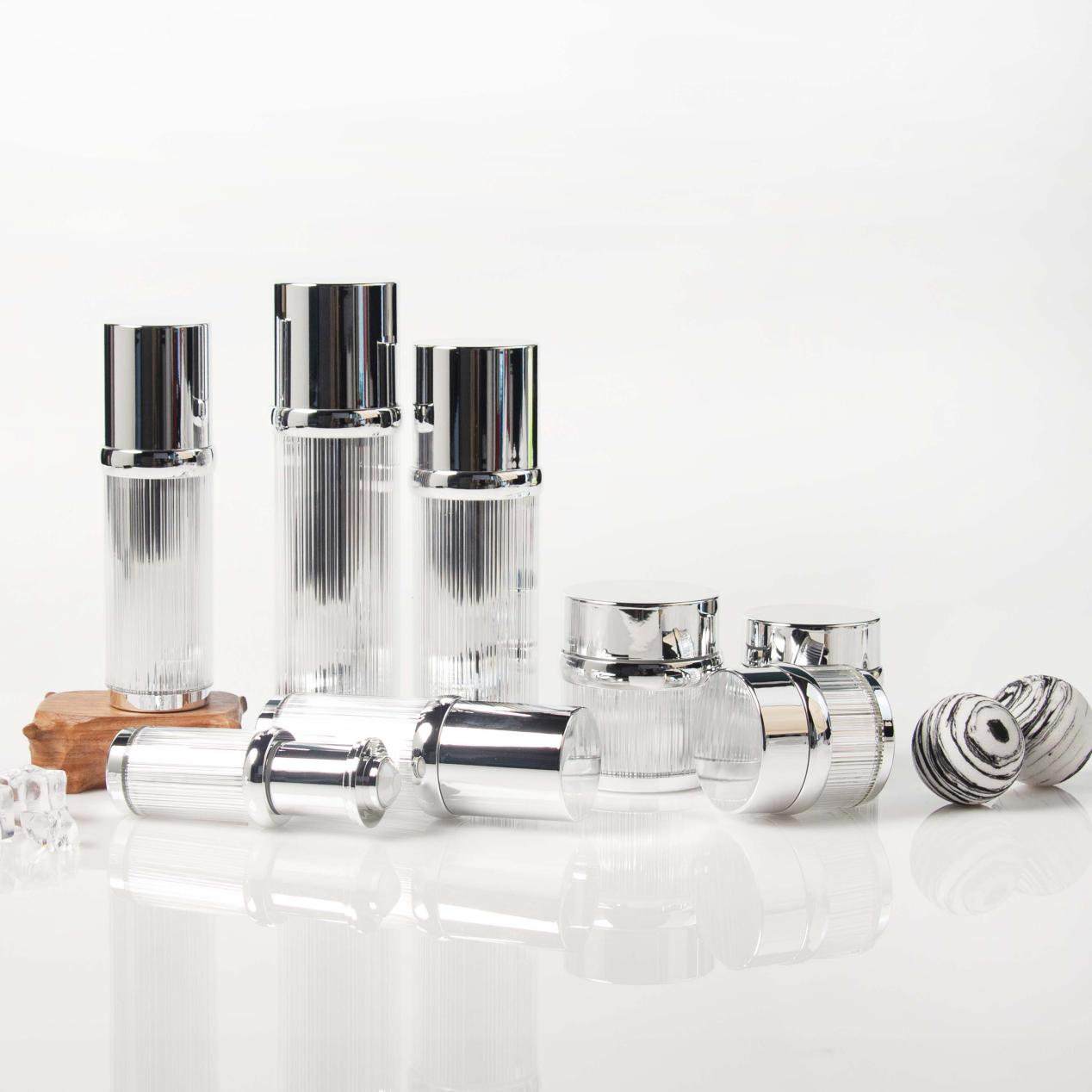
The Advantages and Disadvantages of Six Types of Replaceable Packaging Versus Traditional Disposable Packaging
In the modern landscape of consumer goods—spanning cosmetics, personal care, pharmaceuticals, and even food and beverage sectors—packaging plays a role far beyond mere product containment. It shapes brand identity, influences consumer purchasing decisions, and carries profound environmental implications. As global awareness of plastic pollution and resource depletion grows, the industry has witnessed a seismic shift from traditional disposable packaging (designed for single use and immediate discard) to replaceable packaging (engineered for refilling, reuse, and long-term sustainability).
Replaceable packaging, often crafted from eco-conscious materials like Polypropylene (PP), Polyethylene Terephthalate (PET), and PET Glycol (PETG), prioritizes circularity and waste reduction. In contrast, traditional disposable packaging leans into luxury and aesthetic appeal, relying on materials such as acrylic, non-recyclable plastics, and single-use metals to attract consumers. This article explores six common types of replaceable packaging—refillable PET airless bottles, PP squeeze tubes, PETG jars, aluminum refillable cans, glass refillable vials, and HDPE bulk containers—comparing each to their traditional disposable counterparts across critical dimensions: material properties, environmental impact, cost, user experience, brand perception, and application suitability. Through detailed analysis and a comprehensive comparative table, we aim to equip brands, buyers, and consumers with insights to make informed choices aligned with both business goals and sustainability values.
1. Understanding Replaceable vs. Traditional Disposable Packaging: Core Definitions and Material Foundations
Before diving into specific packaging types, it is essential to clarify the fundamental differences between replaceable and traditional disposable packaging, as well as the material science that defines their performance and impact.
Replaceable Packaging: The Circularity-Driven Alternative
Replaceable packaging is designed for multiple life cycles: after the initial product is used, the container can be refilled with the same product (via refills or bulk dispensers), cleaned, and reused repeatedly. Its material selection is guided by three principles:
- Durability: Materials must withstand repeated handling, cleaning, and refilling without degradation (e.g., PP’s resistance to impact and chemicals).
- Recyclability: Even at the end of its long life, the material should be recyclable into new products (e.g., PET’s high recycling rate globally).
- Safety: Materials must be non-toxic and compatible with a range of formulations (e.g., PETG’s inertness, which prevents leaching into cosmetics or food).
Common materials for replaceable packaging include:
- PET (Polyethylene Terephthalate): Lightweight, clear, and highly recyclable. Ideal for bottles (e.g., skincare serums, shampoos) due to its resistance to solvents and temperature stability up to 60°C (140°F).
- PP (Polypropylene): Flexible yet robust, with high chemical resistance and heat tolerance (up to 100°C/212°F). Used for squeeze tubes (e.g., hand creams) and pump mechanisms.
- PETG (PET Glycol): A modified version of PET with enhanced impact resistance and clarity. Suitable for jars (e.g., face masks) and containers requiring a premium look without the fragility of glass.
- Aluminum: Lightweight, impermeable to light and moisture, and infinitely recyclable. Used for refillable cans (e.g., deodorants, hairsprays).
- HDPE (High-Density Polyethylene): Sturdy, chemical-resistant, and recyclable. Common in bulk refill containers (e.g., laundry detergent, body wash).
Traditional Disposable Packaging: The Aesthetics-First Approach
Traditional disposable packaging is engineered for single-use convenience and immediate visual appeal. Its primary goal is to attract consumers at the point of sale, often prioritizing luxury, novelty, or cost-effectiveness over sustainability. Materials are chosen for their aesthetic qualities rather than durability or recyclability:
- Acrylic: A rigid, crystal-clear plastic that mimics the look of glass but is lighter. Popular in high-end cosmetics (e.g., luxury foundation bottles) for its premium sheen and ability to hold intricate designs. However, acrylic is difficult to recycle and often ends up in landfills.
- Non-recyclable Plastics: Mixed-material plastics (e.g., plastic-lined paperboard, metallized films) or low-grade plastics (e.g., PVC) that are cheap to produce but cannot be processed by standard recycling facilities.
- Single-Use Glass: Thin-walled glass containers (e.g., sample-sized perfumes) that are fragile and rarely recycled due to their small size and high transportation costs.
- Metallized Plastics: Plastics coated with a thin layer of aluminum for a shiny finish (e.g., snack wrappers, cosmetic pouches). The mixed materials make recycling nearly impossible.
The core conflict between these two packaging paradigms lies in their priorities: replaceable packaging sacrifices short-term aesthetic flair for long-term sustainability, while traditional disposable packaging prioritizes immediate consumer appeal over environmental responsibility. Below, we analyze six types of replaceable packaging and their disposable counterparts in detail.
2. Comparative Analysis: Six Replaceable Packaging Types and Their Traditional Disposable Counterparts
To evaluate the strengths and weaknesses of each packaging category, we compare replaceable options to traditional disposable alternatives across six key criteria: Environmental Impact, Cost (Short-Term vs. Long-Term), User Experience, Brand Perception, Material Compatibility, and Application Suitability. A summary table follows the detailed analysis for quick reference.
2.1 Refillable PET Airless Bottles vs. Traditional Disposable Acrylic Airless Bottles
Refillable PET Airless Bottles
Refillable PET airless bottles are a staple in the cosmetics and skincare industry, used for serums, lotions, and creams. Their airless pump mechanism prevents product oxidation and contamination, while the PET body is lightweight, recyclable, and designed for refilling (via replaceable inner liners or direct refills).
Advantages:
- Environmental Impact: Exceptionally low. PET is 100% recyclable, and refillable designs reduce plastic waste by up to 80% compared to disposable alternatives (e.g., a single PET bottle can replace 5–10 disposable containers over its lifetime).
- Cost: Long-term cost savings. While upfront costs are slightly higher than disposable plastics, brands save money on repeated packaging purchases, and consumers pay less for refills (e.g., a 30ml refill may cost 50% less than a full disposable bottle).
- User Experience: Convenient and hygienic. The airless pump dispenses precise amounts (typically 0.2ml per pump), and the bottle is easy to clean and refill. PET’s clarity also allows users to see remaining product.
- Material Compatibility: Versatile. PET is resistant to most cosmetics formulations, including water-based serums, oil-based creams, and alcohol-based toners.
Disadvantages:
- Aesthetic Limitations: Less premium than acrylic. PET lacks the crystal-clear shine of acrylic, which may deter luxury brands aiming for a high-end look.
- Temperature Sensitivity: Cannot withstand temperatures above 60°C (140°F), making it unsuitable for products requiring heat sterilization (e.g., medical-grade skincare).
Traditional Disposable Acrylic Airless Bottles
Disposable acrylic airless bottles are favored by luxury cosmetic brands for their sleek, glass-like appearance. They are designed for single use—once empty, the bottle is discarded, as acrylic is difficult to recycle and prone to scratching (making reuse unappealing).
Advantages:
- Brand Perception: Premium and luxurious. Acrylic’s clarity and rigidity convey high quality, making it ideal for high-priced products (e.g., $100+ anti-aging serums) where packaging reinforces brand value.
- Durability (Single Use): Scratch-resistant and shatterproof, ensuring the bottle looks pristine on store shelves and during consumer use.
Disadvantages:
- Environmental Impact: Severe. Acrylic is a type of plastic (polymethyl methacrylate) that is not widely recycled; most ends up in landfills or oceans, where it can take up to 200 years to decompose.
- Cost: High long-term expenses. Brands must repeatedly purchase new acrylic bottles, and consumers pay a premium for packaging (often 30–40% of the product’s total cost).
- User Experience: Inconvenient for refilling. Acrylic bottles are not designed for reuse—their pumps are often glued shut, and the material is difficult to clean thoroughly.
2.2 Refillable PP Squeeze Tubes vs. Traditional Disposable Laminated Plastic Tubes
Refillable PP Squeeze Tubes
Refillable PP squeeze tubes are commonly used for hand creams, body lotions, and hair styling products. PP’s flexibility allows for easy squeezing, while its chemical resistance ensures compatibility with most formulations. These tubes are designed with removable caps or refillable openings, enabling users to refill them with bulk product.
Advantages:
- Environmental Impact: Low. PP is widely recyclable, and refillable tubes reduce plastic waste by 70% compared to disposable alternatives. Many brands also use recycled PP (rPP) to further lower their carbon footprint.
- User Experience: Practical and portable. The flexible design allows users to squeeze out every last drop of product, and the tubes are lightweight and travel-friendly (e.g., TSA-compliant for carry-on luggage).
- Cost: Economical. PP is one of the cheapest sustainable plastics, and refillable designs reduce packaging costs for brands by up to 50% over time.
Disadvantages:
- Aesthetic Limitations: Matte finish. PP has a slightly dull appearance compared to laminated plastics, which may not appeal to brands prioritizing a glossy, high-end look.
- Barrier Properties: Less effective than laminated plastics at blocking light and oxygen. This makes PP tubes unsuitable for highly sensitive products (e.g., vitamin C serums, which degrade in light).
Traditional Disposable Laminated Plastic Tubes
Disposable laminated plastic tubes are made from multiple layers (e.g., plastic, aluminum foil, paperboard) to enhance barrier properties. They are used for products requiring protection from light, oxygen, or moisture (e.g., toothpaste, sunscreen) but are designed for single use—their layered structure makes recycling impossible.
Advantages:
- Barrier Properties: Excellent. The laminated layers prevent light, oxygen, and moisture from entering the tube, preserving product integrity (e.g., preventing sunscreen from oxidizing and losing SPF effectiveness).
- Aesthetic Flexibility: Customizable. The outer plastic layer can be printed with high-resolution designs, glossy finishes, or metallic accents, making it easy for brands to stand out on shelves.
Disadvantages:
- Environmental Impact: Catastrophic. Laminated tubes are “multi-material” products, which no standard recycling facility can process. Almost 100% of these tubes end up in landfills or incinerators, releasing toxic chemicals when burned.
- User Experience: Wasteful. The rigid laminated material makes it difficult to squeeze out all product—studies show consumers discard 10–15% of the product remaining in the tube.
2.3 Refillable PETG Jars vs. Traditional Disposable Acrylic Jars
Refillable PETG Jars
Refillable PETG jars are used for thick products like face masks, body scrubs, and hair masks. PETG combines the clarity of acrylic with the durability of PET, making it ideal for refillable designs. These jars often feature screw-on lids with silicone seals to prevent leakage and are compatible with bulk refills.
Advantages:
- Environmental Impact: Low. PETG is recyclable and more impact-resistant than glass, reducing the risk of breakage (and thus waste) during use and transportation.
- Aesthetic Appeal: Near-acrylic quality. PETG’s clarity rivals acrylic, allowing brands to showcase the texture and color of their products (e.g., a vibrant green face mask) without sacrificing sustainability.
- User Experience: Durable and easy to clean. PETG is scratch-resistant and can be washed with soap and water, making it suitable for repeated use.
Disadvantages:
- Cost: Higher than PET. PETG is a modified plastic, so it is slightly more expensive than standard PET. However, this cost is offset by long-term savings from refilling.
- Temperature Sensitivity: Cannot withstand temperatures above 70°C (158°F), so it is unsuitable for products that require hot filling (e.g., some hair masks).
Traditional Disposable Acrylic Jars
Disposable acrylic jars are a staple in high-end skincare and makeup, used for products like powder blushes, cream eyeshadows, and face masks. They are designed for single use—once empty, the jar is discarded, as acrylic is difficult to recycle and prone to bacterial growth if not cleaned perfectly.
Advantages:
- Brand Perception: Luxury and premium. Acrylic’s weight and clarity make it feel “high-end,” which is critical for brands targeting consumers willing to pay a premium for quality (e.g., luxury makeup brands like Charlotte Tilbury).
- Durability (Single Use): Shatterproof and scratch-resistant, ensuring the jar looks new throughout the product’s lifespan.
Disadvantages:
- Environmental Impact: Severe. Acrylic is non-biodegradable and rarely recycled; most jars end up in landfills, where they persist for centuries.
- User Experience: Unhygienic for reuse. Acrylic jars are difficult to clean thoroughly, especially if the product is oil-based (e.g., a cream eyeshadow), leading to bacterial buildup if reused.
2.4 Refillable Aluminum Cans vs. Traditional Disposable Tin-Plated Steel Cans
Refillable Aluminum Cans
Refillable aluminum cans are gaining popularity in the personal care and beverage industries, used for deodorants, hairsprays, and even eco-friendly sodas. Aluminum is infinitely recyclable (losing no quality with each recycling cycle) and impermeable to light and moisture, making it ideal for protecting sensitive products.
Advantages:
- Environmental Impact: Exceptional. Aluminum recycling uses 95% less energy than producing new aluminum, and a single aluminum can can be recycled and back on shelves in as little as 60 days. Refillable designs further reduce waste by eliminating the need for new cans.
- Barrier Properties: Superior. Aluminum blocks light, oxygen, and moisture, preserving product efficacy (e.g., preventing deodorant from drying out or hairspray from losing hold).
- Durability: Long-lasting. Aluminum cans are resistant to rust and corrosion, making them suitable for repeated use (e.g., a refillable deodorant can can last 1–2 years).
Disadvantages:
- Weight: Heavier than plastic. Aluminum is denser than PET or PP, which increases shipping costs for brands (though this is often offset by lower packaging costs over time).
- Customization: Limited. Aluminum cans are difficult to print on with high-resolution designs compared to plastic, though advancements in digital printing are improving this.
Traditional Disposable Tin-Plated Steel Cans
Disposable tin-plated steel cans are used for products like canned foods, aerosol sprays, and some cosmetics (e.g., solid perfumes). They are designed for single use—once empty, the can is discarded, as steel is recyclable but often not recycled due to its weight and the cost of processing.
Advantages:
- Durability (Single Use): Extremely sturdy. Steel cans can withstand high pressure (e.g., aerosol sprays) and rough handling during shipping and storage.
- Barrier Properties: Excellent. The tin plating prevents rust and protects the product from external contaminants, making it ideal for long-shelf-life products (e.g., canned soup).
Disadvantages:
- Environmental Impact: High. While steel is recyclable, only 70% of steel cans are recycled globally (compared to 85% for aluminum). Disposable steel cans also require more energy to produce than aluminum.
- Weight: Heavy. Steel is much denser than aluminum, increasing transportation costs and carbon emissions for brands.
2.5 Refillable Glass Vials vs. Traditional Disposable Glass Vials
Refillable Glass Vials
Refillable glass vials are used for high-end products like essential oils, perfumes, and pharmaceutical samples. Glass is non-toxic, inert, and 100% recyclable, making it a sustainable choice for brands prioritizing purity (e.g., organic essential oil brands). These vials often feature replaceable caps or droppers for easy refilling.
Advantages:
- Environmental Impact: Low. Glass is infinitely recyclable, and refillable designs reduce waste by eliminating the need for new vials. Many brands also use recycled glass (rGlass) to lower their carbon footprint.
- Material Compatibility: Purity. Glass is inert, meaning it does not react with or leach into products—critical for sensitive formulations like essential oils or medical-grade serums.
- Brand Perception: Premium and eco-friendly. Glass conveys purity and sustainability, which resonates with consumers seeking natural or organic products.
Disadvantages:
- Fragility: Prone to breakage. Glass is shatterproof only if reinforced (e.g., borosilicate glass), which increases cost. Refillable vials may break during shipping or use, leading to product waste.
- Cost: High upfront. Glass is more expensive to produce and ship than plastic, though long-term savings from refilling offset this.
Traditional Disposable Glass Vials
Disposable glass vials are used for single-use products like perfume samples, vaccine doses, and travel-sized skincare. They are designed to be discarded after one use—their small size makes recycling unprofitable, and they are often too fragile to reuse safely.
Advantages:
- Purity: Inert. Like refillable glass, disposable glass does not leach into products, making it ideal for sensitive formulations (e.g., vaccines).
- Aesthetic Appeal: Elegant. Glass vials have a timeless, luxurious look that is perfect for sample-sized products (e.g., perfume samples in department stores).
Disadvantages:
- Environmental Impact: High. Most disposable glass vials end up in landfills, as their small size makes them difficult to sort and recycle. Producing new glass also requires large amounts of energy (e.g., melting silica sand at 1,700°C/3,092°F).
- Cost: Wasteful. Brands must purchase new vials for every sample or travel-sized product, increasing long-term expenses.
2.6 Refillable HDPE Bulk Containers vs. Traditional Disposable Plastic Jug
Refillable HDPE Bulk Containers
Refillable HDPE (High-Density Polyethylene) bulk containers are used for large-volume products like laundry detergent, dish soap, and body wash. HDPE is sturdy, chemical-resistant, and recyclable, making it ideal for repeated use. These containers are often used in “refill stations” at grocery stores, where consumers can refill their containers with bulk product.
Advantages:
- Environmental Impact: Exceptional. HDPE is 100% recyclable, and bulk containers reduce plastic waste by up to 90% compared to disposable jugs (e.g., a single 5L HDPE container can replace 10+ 500ml disposable jugs).
- Cost: Economical. Bulk containers are cheaper per unit volume than disposable jugs, and consumers save money by purchasing refillable product (e.g., 20–30% less than bottled detergent).
- User Experience: Convenient for large households. Bulk containers hold more product, reducing the frequency of purchases and trips to the store.
Disadvantages:
- Storage Space: Requires more room. Bulk containers are larger than disposable jugs, which may be inconvenient for consumers with small storage spaces (e.g., apartments).
- Aesthetic Appeal: utilitarian. HDPE has a milky, opaque appearance, which is less visually appealing than clear disposable jugs (though some brands add colors or labels to improve this).
Traditional Disposable Plastic Jugs
Disposable plastic jugs are used for large-volume products like laundry detergent, milk, and juice. They are made from low-grade plastic (often non-recyclable or difficult to recycle) and designed for single use—once empty, they are discarded, as they are prone to cracking and bacterial growth if reused.
Advantages:
- Convenience: Lightweight and portable. Disposable jugs are smaller than bulk containers, making them easy to carry and store.
- Aesthetic Appeal: Clear and customizable. Most disposable jugs are clear, allowing consumers to see the product, and they can be printed with colorful designs to attract buyers.
Disadvantages:
- Environmental Impact: Severe. Most disposable plastic jugs are made from non-recyclable plastics or mixed materials, leading to massive waste (e.g., over 500 million plastic detergent jugs are discarded in the U.S. each year).
- Cost: High long-term. Consumers pay a premium for packaging, and brands must repeatedly purchase new jugs, increasing production costs.
3. Comparative Table: Replaceable Packaging vs. Traditional Disposable Packaging
The table below summarizes the key differences between the six replaceable packaging types and their traditional disposable counterparts across six critical criteria.
| Packaging Type | Category | Material | Environmental Impact | Cost (Short-Term/Long-Term) | User Experience | Brand Perception | Material Compatibility | Best Applications |
| Refillable PET Airless Bottles | Replaceable | PET | Low (80% waste reduction) | Higher/Lower | Hygienic, precise dispensing, easy to refill | Eco-friendly, practical | Water-based serums, lotions, creams | Skincare, cosmetics |
| Disposable Acrylic Airless Bottles | Traditional | Acrylic | Severe (non-recyclable) | Lower/Higher | Pristine appearance, hard to refill | Luxury, high-end | Same as PET, but not for reuse | Luxury cosmetics, premium skincare |
| Refillable PP Squeeze Tubes | Replaceable | PP (often rPP) | Low (70% waste reduction) | Low/Lower | Flexible, portable, easy to clean | Practical, eco-conscious | Hand creams, body lotions, hair styling products | Personal care, travel-sized products |
| Disposable Laminated Tubes | Traditional | Laminated plastic/aluminum | Severe (non-recyclable) | Low/Higher | Good barrier protection, hard to squeeze empty | Functional, colorful | Sunscreen, toothpaste, oil-based products | Personal care, oral care |
| Refillable PETG Jars | Replaceable | PETG | Low (recyclable) | Medium/Lower | Clear, durable, easy to clean | Premium, sustainable | Face masks, body scrubs, hair masks | Skincare, cosmetics |
| Disposable Acrylic Jars | Traditional | Acrylic | Severe (non-recyclable) | Medium/Higher | Luxury appearance, unhygienic to reuse | Luxury, high-end | Same as PETG, but not for reuse | Luxury skincare, makeup (e.g., cream eyeshadows) |
| Refillable Aluminum Cans | Replaceable | Aluminum | Exceptional (infinitely recyclable) | Higher/Lower | Durable, superior barrier protection | Eco-friendly, premium | Deodorants, hairsprays, beverages | Personal care, beverage |
| Disposable Tin-Plated Steel Cans | Traditional | Tin-plated steel | High (low recycling rate) | Low/Higher | Sturdy, high pressure resistance | Functional, industrial | Aerosol sprays, canned foods | Food, industrial products |
| Refillable Glass Vials | Replaceable | Glass (often rGlass) | Low (infinitely recyclable) | Higher/Lower | Pure, inert, easy to refill | Premium, natural | Essential oils, perfumes, pharmaceuticals | Aromatherapy, luxury skincare, medical |
| Disposable Glass Vials | Traditional | Glass | High (low recycling rate) | Low/Higher | Elegant, fragile, hard to reuse | Luxurious, single-use | Same as refillable glass, but not for reuse | Perfume samples, vaccine doses |
| Refillable HDPE Bulk Containers | Replaceable | HDPE | Exceptional (90% waste reduction) | Higher/Lower | Sturdy, large capacity, easy to refill | Eco-friendly, practical | Laundry detergent, dish soap, body wash | Household cleaning, personal care |
| Disposable Plastic Jugs | Traditional | Low-grade plastic | Severe (non-recyclable) | Low/Higher | Lightweight, easy to carry, hard to reuse | Functional, convenient | Same as HDPE, but not for reuse | Household cleaning, food (e.g., milk) |
4. Conclusion: The Future of Packaging—Sustainability Without Compromise
The shift from traditional disposable packaging to replaceable packaging is no longer a “nice-to-have” but a business imperative. As consumers increasingly prioritize sustainability (e.g., 73% of global consumers say they would pay more for eco-friendly products, according to Nielsen), brands that cling to disposable packaging risk losing market share to competitors embracing circularity.
Replaceable packaging—crafted from materials like PET, PP, and PETG—offers a win-win solution: it reduces environmental impact, lowers long-term costs for brands and consumers, and meets the growing demand for eco-conscious products. While traditional disposable packaging (made from acrylic, laminated plastics, and single-use glass) still holds appeal for luxury brands seeking to convey premium quality, advancements in materials science (e.g., PETG’s near-acrylic clarity, aluminum’s premium feel) are closing the aesthetic gap.
For brands considering the switch, the key is to align packaging choices with their values and target audience. Luxury brands may opt for refillable glass or PETG to maintain a premium look while embracing sustainability, while budget-friendly brands may choose PP or HDPE for cost-effectiveness. For consumers, the choice is clear: refillable packaging not only reduces waste but also saves money over time.
As the industry continues to innovate—with new materials (e.g., bio-based PET) and designs (e.g., modular refill systems)—the line between sustainability and aesthetics will blur further. The future of packaging is not about sacrificing one for the other, but about creating solutions that are both visually appealing and environmentally responsible. By embracing replaceable packaging, brands and consumers alike can play a role in building a more circular, sustainable world.