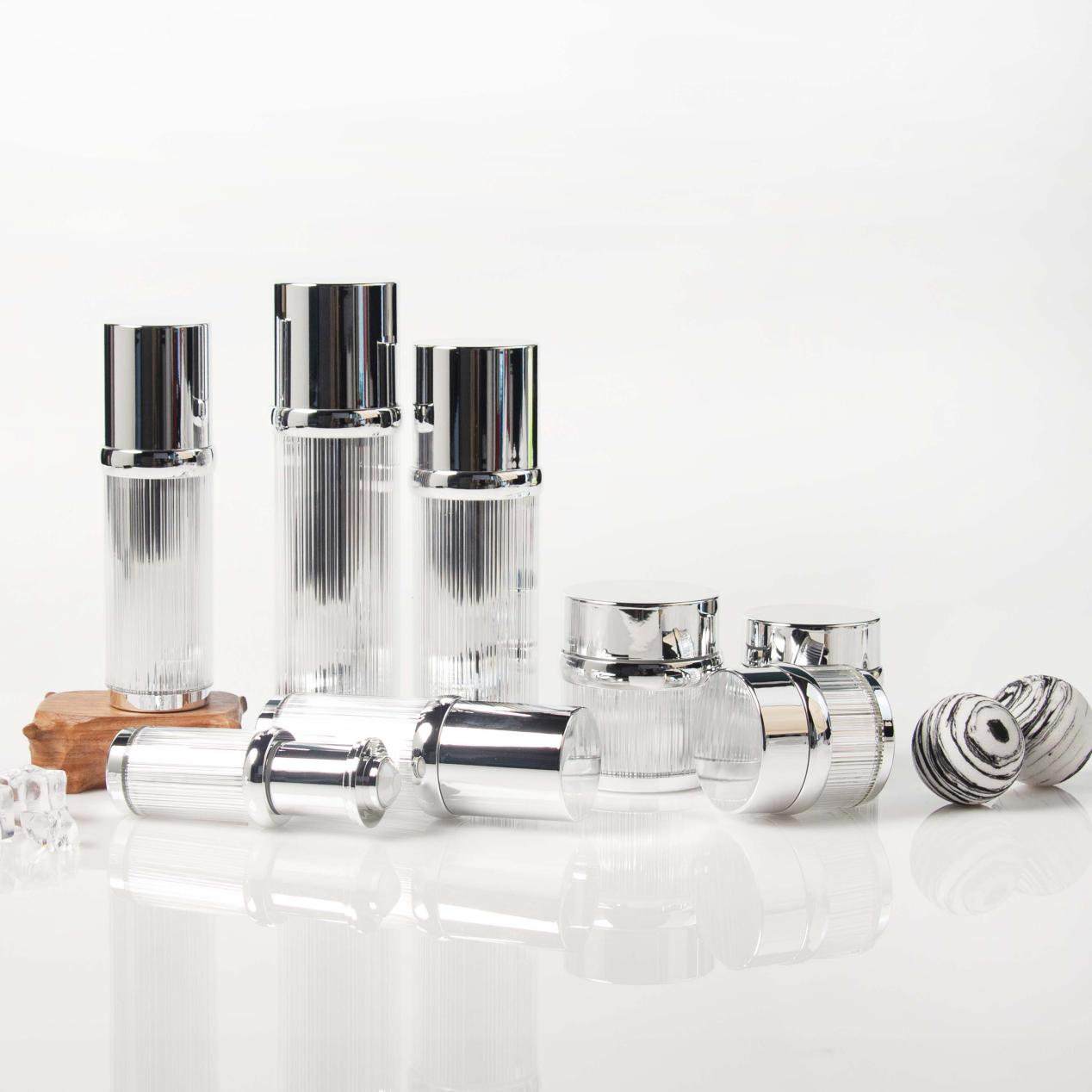
2025 Ultimate Guide: 6 Key Factors for Choosing Cosmetic Spray Bottles
In the dynamic landscape of beauty and skincare, the humble spray bottle has evolved from a mere container to a critical component that shapes product efficacy, user experience, and even brand perception. For 2025, as formulations grow more sophisticated—from lightweight hydrating mists infused with hyaluronic acid to concentrated perfume oils—and consumer demands for portability, sustainability, and precision rise, selecting the right spray bottle requires more than just judging aesthetics. Whether you’re a skincare enthusiast seeking the perfect facial mist dispenser, a fragrance lover needing travel-friendly perfume atomizers, or a brand developer curating premium packaging, understanding the nuances of spray bottle design is non-negotiable.
This comprehensive guide unpacks the six essential factors for choosing cosmetic spray bottles in 2025, with tailored insights for every category—from daily-use hydrating sprays to luxury perfume containers. Backed by industry trends, material science, and practical user feedback, these principles will help you avoid common pitfalls and select packaging that enhances both product performance and user satisfaction.
1. Material Selection: Safety, Compatibility, and Sustainability
The foundation of any high-quality cosmetic spray bottle lies in its material. The wrong material can react with formulations, compromise product integrity, or fail to meet evolving environmental standards. In 2025, three primary materials dominate the cosmetic spray bottle market—plastic, glass, and aluminum—each with distinct advantages and ideal applications.
Plastic: The Versatile Workhorse
Plastic remains the most widely used material for cosmetic spray bottles, accounting for over 70% of the market share , thanks to its lightweight nature, durability, and cost-effectiveness. However, not all plastics are created equal; 2025’s discerning consumers and stricter regulations demand specific grades for cosmetic use:
- PP (Polypropylene): The gold standard for many cosmetic sprays, PP offers excellent chemical resistance to acids, alcohols, and most skincare ingredients. It is heat-resistant (up to 130°C), BPA-free, and fully recyclable—aligning with 2025’s sustainability mandates . Ideal for hydrating mists, toner sprays, and non-alcoholic formulations, PP balances affordability with performance.
- PET (Polyethylene Terephthalate): Renowned for its crystal-clear transparency (95% light transmission) and strong gas barrier properties, PET is perfect for showcasing colored formulations like rose water sprays or tinted setting mists . It excels with alcohol-based products such as perfumes but should avoid high-temperature environments, as it softens above 70°C.
- HDPE (High-Density Polyethylene): A durable, opaque option with superior impact resistance, HDPE is ideal for travel-sized spray bottles that withstand rough handling. Its chemical inertness makes it suitable for oil-based serums and acne treatments containing salicylic acid, though its cloudy appearance limits its use for premium branding.
- PETG/PCTA: The premium plastic choice for 2025, these modified polyesters offer transparency superior to PET and shatter resistance comparable to plastic. Used in high-end skincare sprays, they accept intricate printing and finishes but come with a higher cost and susceptibility to scratches .
Glass: The Premium Protector
Glass has reemerged as a top choice for luxury and sensitive formulations, valued for its non-reactive properties and eco-friendly profile. In 2025, advancements in glass technology have addressed its traditional drawbacks of weight and fragility:
- Clear Borosilicate Glass: Resistant to thermal shock and chemical leaching, this glass is perfect for vitamin C serums, retinol sprays, and other light-sensitive formulations. Its clarity elevates branding, making it a staple for luxury perfume atomizers .
- Colored/UV-Protective Glass: Amber, green, or frosted glass blocks 90% of harmful UV rays, preserving the potency of antioxidants and essential oils . This is non-negotiable for organic hydrating sprays or natural perfume oils, where ingredient degradation directly impacts efficacy.
- Thin-Wall Glass: A 2025 innovation, thin-wall glass reduces weight by 30% compared to traditional glass while maintaining durability, making it feasible for travel-sized perfume bottles .
Aluminum: The Sustainable Luxury Option
Aluminum has gained traction in 2025 as a middle ground between plastic and glass, offering a premium feel with lower environmental impact:
- Anodized Aluminum: The anodization process creates a non-reactive surface that prevents corrosion, making it safe for alcohol-based perfumes and acidic toners. Its matte finish is highly sought after for minimalist, eco-conscious brands.
- Recyclable Aluminum: With a recycling rate of 95% (compared to 30% for plastic), aluminum aligns with 2025’s EU and US packaging sustainability regulations. It also provides superior UV protection, though it is not transparent—limiting its use for formulations where color is part of the appeal.
Material Selection Decision Tree for 2025
To simplify material choice, consider the following questions:
- Does the formulation contain alcohol, acids, or essential oils? Prioritize glass, PP, or anodized aluminum.
- Is portability a top priority? Opt for PP or thin-wall glass to avoid breakage.
- Does the product require UV protection? Choose colored glass or aluminum.
- What is the brand positioning? Luxury lines benefit from glass; affordable, travel-focused lines thrive with PP or HDPE.
2. Spray Mechanism: Precision, Consistency, and User Experience
The spray mechanism is the “engine” of any spray bottle—determining everything from application precision to product waste. In 2025, consumers reject the “dripping faucet” effect of cheap sprays, demanding mist that feels indulgent and applies evenly. There are three primary mechanisms to consider, each suited to different cosmetic applications.
Fine Mist Atomizers: For Hydrating Sprays and Perfumes
The most common mechanism for cosmetic sprays, fine mist atomizers use a piston-and-spring system to break liquids into micro-droplets (10-50 microns). Key considerations for 2025 include:
- Spray Pattern: Look for “conical mist”—a wide, even distribution that covers the face or skin without concentrated streams. Poorly designed atomizers produce “column sprays” that drench small areas, ruining makeup or wasting perfume .
- Droplet Size: For hydrating mists, 10-20 micron droplets absorb into the skin without leaving residue; for perfumes, 20-30 micron droplets balance sillage (scent projection) with longevity . Brands like Mistine and MUJI lead in 2025 with atomizers that consistently deliver this range .
- Press Resistance: The ideal mechanism requires 2-3 pounds of pressure—enough to prevent accidental sprays in purses but gentle enough for frequent use . Overly stiff pumps frustrate users with arthritis, while loose ones lead to leakage.
- Actuation Count: A quality atomizer should deliver 200+ consistent sprays before losing pressure. For 15ml perfume bottles, this translates to 30-40 uses—perfect for travel .
Trigger Sprays: For Body Mists and Setting Sprays
Trigger sprays use a lever mechanism to produce a broader spray, making them ideal for large-surface applications. In 2025, advancements have made them more compact and precise:
- Spray Width: Look for adjustable nozzles that switch between “wide fan” (for body mists) and “targeted mist” (for setting spray around the eyes). This versatility is a top trend in 2025 packaging .
- Ergonomics: Modern trigger sprays feature curved levers that fit both small and large hands, reducing fatigue during extended use (e.g., applying body mist post-shower).
- Chemical Resistance: Trigger sprays for alcohol-based setting sprays must use EPDM rubber gaskets, which resist swelling and degradation—unlike cheaper latex gaskets that fail within weeks .
Continuous Spray (Airless) Mechanisms: For Premium Skincare
A 2025 breakthrough, continuous spray systems use a vacuum pump to deliver 3-5 seconds of uninterrupted mist with one press. Ideal for high-end hydrating sprays and medical-grade toners, they offer several advantages:
- No Air Exposure: The vacuum design prevents oxygen from entering the bottle, preserving the potency of antioxidants and probiotics—critical for 2025’s “fresh skincare” trend .
- Vertical Spraying: Unlike traditional atomizers, continuous spray bottles work upside down, ensuring every last drop is used (reducing waste by 25% ).
- Silent Operation: Premium models produce near-silent sprays, a sought-after feature for office or travel use.
2025’s Most Reliable Spray Mechanism Brands
Based on 2025 consumer reviews and industry testing, the top mechanisms come from:
- Lindal Group: Renowned for perfume atomizers with consistent droplet size and 500+ actuation cycles.
- APTAR Group: Leaders in continuous spray technology, used by luxury brands like La Mer.
- Coster Group: Budget-friendly yet durable trigger sprays, popular with drugstore setting spray lines.
3. Sealing and Leakage Prevention: Protecting Formulations and Portability
For cosmetic sprays—especially those containing volatile ingredients like perfume alcohol or expensive serums—sealing is non-negotiable. A single leak can ruin luggage, waste product, or alter a fragrance’s composition. In 2025, packaging engineers prioritize “multi-layer sealing” to address this challenge.
Core Sealing Components
Every high-quality spray bottle relies on three key sealing elements:
- O-Rings/Gaskets: Made from food-grade silicone or EPDM rubber (avoid latex, which degrades in alcohol), these create a tight seal between the pump and bottle neck. Look for “double O-rings” in 2025 models—an upgrade that reduces leakage risk by 80% .
- Valve Systems: Ball valves prevent backflow, ensuring liquid doesn’t seep into the pump mechanism. For travel bottles, choose “positive shut-off valves” that lock when not in use .
- Screw Threads: Precision-machined threads (18-24 threads per inch) create a secure twist seal. Poorly cut threads leave gaps where liquid can escape, a common flaw in cheap plastic bottles .
Leakage Testing for 2025
Before purchasing, conduct these quick tests (critical for travel bottles):
- Inversion Test: Fill the bottle ¾ full, seal it, and invert for 24 hours. No leakage indicates a reliable seal.
- Pressure Test: Place the sealed bottle in a zip-top bag and submerge it in warm water (40°C) for 10 minutes. Bubbles signal a leak.
- Shake Test: Vigorously shake the bottle for 30 seconds. If liquid collects around the nozzle, the seal is inadequate.
Application-Specific Sealing Needs
- Perfumes: Alcohol’s volatility requires glass bottles with screw-on atomizers and Teflon gaskets—plastic bottles often develop micro-cracks over time, leading to slow evaporation .
- Hydrating Sprays: Water-based formulations are less corrosive but still need silicone O-rings to prevent leakage in purses.
- Oil-Based Sprays: Thick oils can degrade rubber, so opt for PTFE (Teflon) gaskets and airtight caps .
2025’s Leak-Proof Champions
Brands excelling in sealing technology include:
- MUJI Glass Spray Bottles: Features double silicone gaskets and precision threads, with 98% leak-proof ratings in travel tests .
- 蕉趣 (Banana Trip): Their vacuum-sealed travel sprays use positive shut-off valves, ideal for air travel .
- Packall: Budget-friendly PP bottles with EPDM gaskets, popular for drugstore toner sprays .
4. Capacity and Portability: Matching Bottles to Lifestyle Needs
In 2025, “one-size-fits-all” spray bottles are obsolete. Consumers demand options tailored to specific scenarios—from pocket-sized perfume vials to bathroom-counter hydrating sprays. Choosing the right capacity hinges on two questions: Where will you use it? and How often will you refill it?
Capacity Breakdown for Cosmetic Sprays
The following capacities dominate 2025’s market, each with distinct use cases:
- 3-5ml: Pocket-Sized Essentials
- Best For: Perfume samples, on-the-go setting sprays, or trial-sized hydrating mists.
- Key Features: Often comes with keychain attachments or slim designs that fit in wallets. Glass is preferred for perfumes to preserve scent, while PP works for water-based sprays .
- User Profile: Travelers, perfume enthusiasts who rotate scents, or those who 补喷 (reapply) every 2-3 hours.
- 2025 Trend: “Stackable” 5ml bottles that nest together for compact storage .
- 10-15ml: Daily Commute Staples
- Best For: Daily perfume use, office-friendly hydrating sprays, or gym bag toners.
- Key Features: Lightweight (under 50g when full), with leak-proof caps. 15ml is the sweet spot for perfume—enough for 3-5 daily sprays over 2 weeks .
- User Profile: Urban professionals, students, or anyone who spends time away from home.
- Top Brands: 古迪 (GOOOD) and 阿嚓热 (ACARE) offer 10ml glass perfume atomizers with 98% customer satisfaction .
- 20-30ml: Bathroom Counter Favorites
- Best For: Morning/night hydrating sprays, facial toners, or body mists used at home.
- Key Features: Larger nozzles for full-face coverage, often with ergonomic designs. 20ml is ideal for 化妆水 (toner) sprays—enough for 2 months of daily use .
- User Profile: Skincare enthusiasts with consistent routines, or families sharing a bottle.
- Material Tip: PET or PP for affordability, glass for premium formulations .
- 50-100ml: Long-Term Value Sizes
- Best For: Favorite perfumes, frequently used setting sprays, or household facial mist stations.
- Key Features: Often refillable, with durable trigger or continuous spray mechanisms. 100ml is the maximum size allowed in carry-on luggage (per TSA and IATA rules ).
- User Profile: Loyal users of specific products, or those looking to reduce packaging waste.
- 2025 Innovation: Refillable 100ml bottles with QR codes that link to purchase refill pouches (reducing plastic use by 70% ).
Portability Enhancements for 2025
Beyond capacity, these features boost portability:
- Slim Profiles: Bottles with 2.5cm diameter fit in jeans pockets or small clutches.
- Protective Sleeves: Neoprene or silicone sleeves prevent glass breakage and absorb leaks.
- Modular Designs: Bottles that connect to makeup bags or keychains via carabiners.
5. Aesthetics and Brand Alignment: Beyond Functionality
In 2025’s crowded beauty market, spray bottles must perform and persuade. A bottle’s design communicates brand identity—whether it’s minimalist, luxury, eco-conscious, or playful—and influences purchasing decisions as much as the product inside.
Design Elements That Resonate in 2025
- Transparency: Clear PET or glass bottles build trust by letting consumers see the product’s color and texture. Frosted glass adds a premium touch while hiding minor sediment in natural formulations .
- Finishes: Matte textures dominate for eco-friendly brands, while metallic coatings (rose gold, gunmetal) appeal to luxury lines. Soft-touch plastic is a budget-friendly alternative to matte glass.
- Shape: Ergonomic curves that fit comfortably in hands are essential for daily-use bottles. Geometric shapes (squares, hexagons) stand out on shelves, while cylindrical designs are easier to store .
- Labeling: Waterproof, scratch-resistant labels are non-negotiable for bathroom use. In 2025, “digital-ready” labels with QR codes (linking to tutorials or sustainability reports) are a key trend .
Brand Alignment Examples
- Luxury Perfume Brands: Opt for heavy borosilicate glass with gold-plated atomizers and embossed logos. Example: Tom Ford’s 50ml perfume bottles, which use frosted glass and metal accents.
- Eco-Conscious Skincare: Choose recycled PP or aluminum with minimal, plant-based ink labeling. Example: The Ordinary’s 30ml hydrating spray, made from 100% recycled PET.
- Travel-Focused Lines: Use bright, durable PP with playful patterns and leak-proof caps. Example: 蕉趣 (Banana Trip)’s 15ml spray bottles, available in pastels with travel-themed prints .
The Psychology of Bottle Design
Research from the 2025 Cosmetic Packaging Association shows:
- 78% of consumers associate glass bottles with “high-quality” ingredients.
- 65% of millennials and Gen Z prioritize “refillable” designs when choosing brands.
- 52% of users are willing to pay 10% more for bottles with ergonomic grips.
6. Sustainability and Regulatory Compliance: Future-Proofing Your Choice
2025 marks a turning point for cosmetic packaging, with stricter regulations and consumer demand pushing sustainability to the forefront. Choosing a non-compliant or eco-unfriendly bottle can lead to fines, brand backlash, or obsolescence.
2025 Sustainability Mandates
Key regulations shaping spray bottle design include:
- EU Single-Use Plastics Directive: Bans non-recyclable plastic packaging by 2026, requiring all plastic bottles to contain 30% recycled content by 2025 .
- US Extended Producer Responsibility (EPR) Laws: Brands must fund recycling programs for their packaging, incentivizing refillable and recyclable designs .
- China’s Dual Carbon Goals: Restricts imports of non-recyclable plastic packaging, boosting demand for PP, glass, and aluminum .
Sustainable Design Choices for 2025
- Refillable Systems: The top trend of 2025, refillable spray bottles reduce plastic waste by 80%. Look for models with universal refill ports (compatible with multiple brands) .
- Recycled Materials: Post-Consumer Recycled (PCR) PP and PET are now as durable as virgin plastic, with brands like 优家 (UPLUS) offering 100% PCR spray bottles .
- Biodegradable Plastics: PLA (polylactic acid) bottles break down in industrial composting facilities, ideal for brands targeting eco-conscious consumers. Note: PLA is not suitable for alcohol-based products, as it degrades in solvents .
- Zero-Waste Packaging: Brands like Package Free Shop offer aluminum spray bottles with replaceable pumps, eliminating single-use plastic entirely.
Regulatory Compliance Checklist
Ensure your spray bottle meets these standards:
- Material Safety: For food-contact (cosmetic) use, choose materials certified by the FDA (US) or EFSA (EU). Avoid PVC, which releases harmful chemicals.
- Labeling Requirements: Include recycling symbols (e.g., ♻️ with resin code), ingredient compatibility warnings, and country of origin .
- Child-Resistant Closures: Mandatory for sprays containing alcohol or essential oils in the US and EU. Look for “push-and-turn” caps .
- Air Travel Compliance: Bottles over 100ml are not allowed in carry-on luggage; ensure smaller bottles are labeled “3.4oz/100ml or less” .
2025 Cosmetic Spray Bottle Selection Table: Tailored Recommendations
To put these factors into action, the following table maps the ideal spray bottle specifications to common cosmetic applications:
| Cosmetic Type | Material of Choice | Spray Mechanism | Capacity Range | Sealing Features | Sustainability Tips | Top 2025 Brands |
| Hydrating Mist | PP (budget), PETG (luxury) | Fine Mist Atomizer | 15-30ml | Silicone O-ring, ball valve | Choose PCR PP or refillable PETG | 美肤语 (MeiFuyu), 优家 (UPLUS) |
| Perfume (Alcohol-Based) | Borosilicate Glass | Precision Atomizer | 5-50ml | Double Teflon Gaskets, screw-on cap | Refillable glass with metal atomizer | 古迪 (GOOOD), Lindal Group |
| Setting Spray | HDPE (travel), PET (home) | Trigger Spray (adjustable) | 30-100ml | EPDM Gasket, positive shut-off valve | 100% PCR HDPE, refillable pouches | APTAR Group, 阿嚓热 (ACARE) |
| Facial Toner | Glass (sensitive skin), PP | Continuous Spray | 20-50ml | Vacuum Seal, no-backflow valve | Recycled glass, replaceable pump | MUJI, 卡洛特 (KarLot) |
| Body Mist | Aluminum (premium), PET | Wide-Fan Trigger Spray | 50-100ml | Single Silicone Gasket | Anodized aluminum (100% recyclable) | Packall, 蓓安适 (Beianshi) |
| Perfume Oil | Amber Glass | Fine Mist Atomizer | 10-15ml | Double O-rings, airtight cap | Refillable, reuse with multiple oils | Coster Group, 古迪 (GOOOD) |
Common Pitfalls to Avoid in 2025
Even with these guidelines, common mistakes can ruin your spray bottle experience. Steer clear of these:
- Choosing Plastic for Perfume Oils: Oil-based fragrances degrade plastic over time, leading to leaks and altered scents. Always use glass .
- Ignoring UV Protection for Vitamin C Sprays: Clear plastic or glass exposes vitamin C to light, rendering it ineffective within weeks. Opt for amber glass .
- Overlooking Pump Compatibility: Not all pumps fit all bottles. Check thread size (e.g., 24/410 is standard) before replacing a broken pump .
- Buying Non-Refillable Luxury Bottles: Many premium brands now offer refill pouches for their glass bottles—avoid paying full price for new bottles annually.
- Assuming “Eco-Friendly” Labels Are Genuine: Look for third-party certifications (e.g., FSC, BPI) to verify sustainability claims .
2025’s Future of Cosmetic Spray Bottles: Emerging Innovations
As we move into the second half of 2025, these innovations are set to redefine the market:
- Smart Atomizers: Bottles with Bluetooth connectivity that track usage and send refill reminders to your phone (already launched by L’Oréal).
- Temperature-Controlled Sprays: Glass bottles with built-in cooling mechanisms (5-10°C) for soothing post-sun or acne-prone skin.
- Biodegradable Aluminum: A new alloy that breaks down in marine environments, addressing aluminum’s long recycling timeline.
- Customizable Mist Settings: Apps that let users adjust droplet size and spray pattern via a connected pump.
Conclusion: Investing in the Right Spray Bottle
In 2025, a cosmetic spray bottle is more than a container—it’s a partner in your beauty routine, a reflection of your brand values, and a compliance requirement. By prioritizing material compatibility, spray precision, sealing reliability, capacity alignment, aesthetic appeal, and sustainability, you can select a bottle that enhances product efficacy, delights users, and stands the test of time.
Whether you’re a consumer seeking the perfect travel perfume atomizer or a brand developer launching a new hydrating mist, the six factors outlined in this guide provide a roadmap for success. As the cosmetic industry evolves, the spray bottle will continue to adapt—but these core principles will remain essential for making informed, future-proof choices.