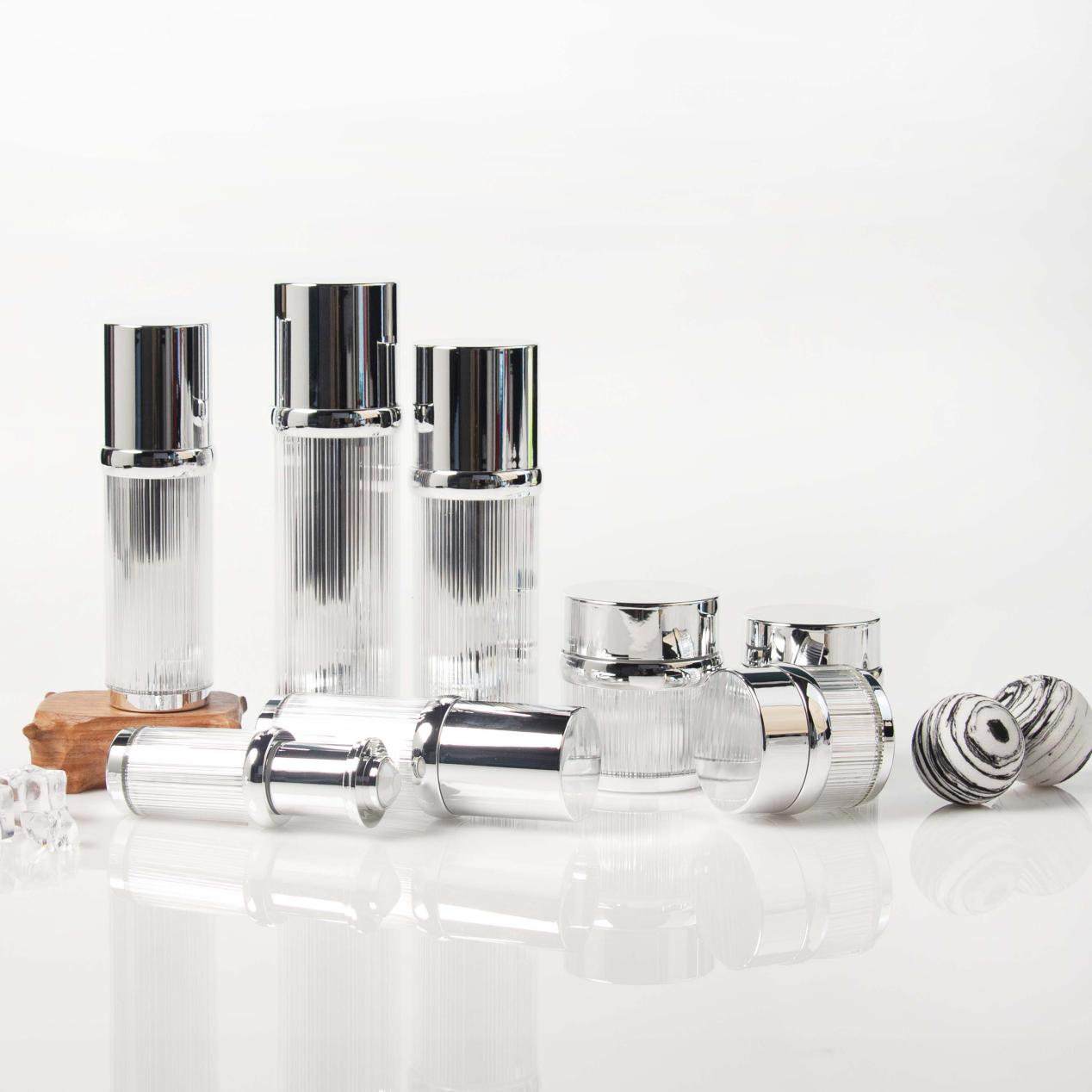
2025 New Guide: Five Key Focuses for Selecting Acrylic Cream Jars
In the dynamic landscape of the global cosmetics industry, packaging has transcended its traditional role of mere product containment to become a pivotal element in brand identity, consumer experience, and market competitiveness. Among the diverse array of cosmetic packaging materials, acrylic—scientifically known as Polymethyl Methacrylate (PMMA)—has emerged as a standout choice for cream jars, captivating both brands and consumers with its unique blend of aesthetics, functionality, and versatility. As we step into 2025, the demand for high-quality, sustainable, and user-centric cosmetic packaging continues to surge, making the selection of acrylic cream jars a decision that requires careful consideration of multiple factors.
This comprehensive guide is tailored to empower cosmetic brand owners, product developers, and even beauty enthusiasts with actionable insights to navigate the complex process of choosing acrylic cream jars. Whether you are launching a new skincare line, revamping your existing packaging, or simply seeking to understand the nuances of acrylic containers, we will delve into five core focuses that define a successful selection process. From evaluating material properties to aligning with sustainability goals, each section is designed to provide in-depth analysis, real-world examples, and practical tips to ensure your choice of acrylic cream jars not only meets your product’s functional needs but also resonates with your target audience and strengthens your brand’s market position.
1. Material Properties: Beyond Clarity—Durability, Safety, and Compatibility
Acrylic’s rise to prominence in cosmetic packaging is rooted in its exceptional material properties, which strike a rare balance between visual appeal and practical performance. However, to make an informed choice, it is essential to move beyond the surface-level allure of its glass-like clarity and explore the full spectrum of its characteristics, including durability, safety, and chemical compatibility. These factors directly impact the longevity of your product, consumer trust, and overall user experience.
1.1 Clarity and Aesthetic Versatility
Acrylic’s most distinctive feature is its outstanding light transmission, boasting a clarity of over 92%—surpassing even some types of glass. This property allows consumers to see the texture, color, and consistency of the cream inside, a key advantage in the cosmetics industry where visual appeal often drives purchasing decisions. Unlike traditional plastics that may appear cloudy or yellow over time, high-quality acrylic maintains its crystal-clear appearance, ensuring that your product remains visually striking on retail shelves and in consumers’ bathrooms.
Moreover, acrylic offers unparalleled design flexibility. It can be molded into a wide range of shapes—from the classic oval (a popular choice for its ergonomic grip and sleek profile) to cylindrical, square, or custom geometric forms—without compromising its structural integrity. Brands can further enhance aesthetics through techniques such as double-wall construction (as seen in Cosmopacks’ 30g Luxury PMMA Jars), which adds a sense of depth and premiumness, or surface treatments like matte finishing, metallic coating, or silk-screen printing for branding. For example, L’Oréal’s luxury skincare lines utilize acrylic jars with subtle metallic accents, leveraging the material’s adaptability to create a sophisticated look that aligns with their high-end positioning.
1.2 Durability and Impact Resistance
One of the primary limitations of glass—long a staple in luxury cosmetic packaging—is its fragility. Glass jars are prone to shattering during shipping, handling, or accidental drops in bathrooms, leading to product waste, customer dissatisfaction, and potential safety hazards. Acrylic addresses this pain point with its exceptional impact resistance: it is up to 17 times more shatterproof than glass while being significantly lighter (approximately 50% lighter than glass of the same volume). This lightweight nature not only reduces shipping costs for brands (a critical consideration for small businesses and global distributors) but also makes the jars more portable for consumers, ideal for travel-size or on-the-go products.
However, it is important to note that not all acrylic jars are created equal in terms of durability. The thickness of the acrylic wall, the quality of the molding process, and the addition of impact-modifying additives all influence a jar’s ability to withstand wear and tear. For instance, Sarah—a small business owner featured in the original article—faced issues with cracked acrylic jars during shipping until she switched to suppliers offering “impact-resistant” acrylic containers with reinforced walls. Brands should prioritize jars with a wall thickness of at least 1.5mm for small to medium sizes (5-50ml) and 2mm or more for larger jars (50ml+), as these are better equipped to handle the rigors of transit and daily use.
1.3 Safety and Chemical Compatibility
When it comes to packaging skincare products—especially those containing active ingredients like retinol, vitamin C, or hyaluronic acid—safety is non-negotiable. Acrylic is inherently non-toxic and does not leach harmful chemicals (such as BPA, phthalates, or heavy metals) into the cream, even when exposed to varying temperatures or acidic formulations. This compliance with global safety standards (including FDA regulations in the U.S. and EU 10/2011 for food contact materials) ensures that your product is safe for consumer use, a key factor in building long-term brand trust.
Chemical compatibility is another critical aspect to consider. While acrylic is resistant to most common cosmetic ingredients, it can react with certain solvents, oils, or highly concentrated alcohols, leading to swelling, discoloration, or degradation of the material. For example, products containing high levels of ethanol (often found in some toners or exfoliating creams) may not be suitable for acrylic jars unless the jar is treated with a chemical-resistant coating. To avoid this issue, brands should conduct compatibility tests with their specific formulations before finalizing packaging. Reputable acrylic jar suppliers, such as TYH Container Enterprise Co., Ltd., often provide compatibility charts or can assist with testing to ensure the jar is suitable for your product.
1.4 UV Resistance
Many skincare products are sensitive to light, which can break down active ingredients and reduce their efficacy over time. Acrylic offers excellent UV resistance, blocking up to 98% of harmful UV rays (especially UVA and UVB), which helps preserve the stability and potency of light-sensitive creams. This is a significant advantage over glass, which typically does not provide UV protection unless it is specially treated (e.g., amber-tinted glass). For example, The Ordinary—known for its affordable yet effective skincare products—uses clear acrylic jars for its vitamin C serums, relying on the material’s UV resistance to maintain the serum’s efficacy without the need for opaque packaging that would hide the product’s appearance.
2. Size and Volume: Aligning with Product Type, User Behavior, and Retail Strategy
Selecting the right size and volume for acrylic cream jars is a strategic decision that impacts not only functionality but also consumer convenience, product pricing, and retail shelf presence. A jar that is too large may lead to product waste (as creams can expire before use), while a jar that is too small may frustrate consumers who need to repurchase frequently. In 2025, with the growing popularity of personalized skincare and on-the-go beauty, brands must tailor their jar sizes to meet diverse consumer needs while optimizing for cost and sustainability.
2.1 Common Size Categories and Their Applications
Acrylic cream jars are available in a wide range of volumes, but they can generally be categorized into three main groups based on their intended use. The table below outlines these categories, their typical volume ranges, and the types of products they are best suited for:
| Size Category | Volume Range | Ideal Product Types | Target Consumer Needs | Key Advantages |
| Small Jars | 5-15ml | Travel-size creams, serums, eye creams, samples, or single-use treatments | Portability (travel, gym), trial of new products, portion control for high-concentration ingredients | Reduces product waste, low cost per unit (ideal for samples), easy to carry |
| Medium Jars | 15-50ml | Daily-use moisturizers, face creams, hand creams, or specialty treatments (e.g., night creams) | Regular at-home use, balance between product quantity and jar portability, fits standard bathroom shelves | Meets most consumers’ 1-2 month usage needs, versatile for multiple product types, cost-effective for brands |
| Large Jars | 50-100ml+ | Body creams, facial masks, bulk-sized moisturizers, or family-use products | Extended use (2-3 months+), value for money, shared use (e.g., family bathrooms) | Appeals to cost-conscious consumers, reduces packaging waste (fewer repurchases), suitable for high-demand products |
For example, Clinique uses 30ml medium acrylic jars for its popular Dramatically Different Moisturizing Lotion, as this size aligns with the average consumer’s 6-8 week usage period for daily moisturizers. Meanwhile, brands like Glossier offer 15ml small jars for their eye creams, catering to consumers who prioritize portability and want to avoid wasting product (eye creams are typically used in small quantities).
2.2 Factors to Consider When Choosing Size
Beyond the product type, several other factors should influence your size selection:
Target Audience Demographics
Understanding your target audience’s lifestyle and preferences is crucial. For instance:
- Millennial and Gen Z consumers: Often prioritize convenience and sustainability. They may prefer smaller jars (15-30ml) that are travel-friendly and reduce waste, as they tend to switch between products frequently.
- Mature consumers: May prefer larger jars (50ml+) for daily-use products like anti-aging creams, as they are more likely to use the same product consistently and value long-term value.
- Travel enthusiasts: Will be drawn to small sample-sized jars (5-10ml) that comply with airline liquid restrictions, making them ideal for inclusion in travel kits.
Retail Shelf Space and Visual Merchandising
Retail shelves are highly competitive, and the size of your acrylic jar can impact how your product stands out. Larger jars may attract attention due to their presence, but they also require more shelf space, which can be costly for brands (retailers often charge higher fees for larger display areas). Medium-sized jars (30-50ml) are typically the most versatile for shelf placement, as they can be arranged in rows or stacks without overwhelming the display. Additionally, the shape of the jar (e.g., oval vs. cylindrical) can affect how many units fit on a shelf—oval jars often allow for more efficient packing due to their curved edges, which reduce gaps between containers.
Product Formulation and Shelf Life
The formulation of your cream can also influence size selection. For example:
- Water-based creams or those with natural ingredients: Often have a shorter shelf life (6-12 months) once opened. For these products, smaller to medium jars (15-30ml) are better, as they encourage consumers to use the product quickly, reducing the risk of spoilage.
- Oil-based creams or products with preservatives: Have a longer shelf life (12-24 months) and can be safely packaged in larger jars (50ml+), as consumers will have enough time to use the product before it expires.
2.3 Custom Size Options for Brand Differentiation
In 2025, customization is key to standing out in a crowded market, and this extends to jar sizes. Many acrylic jar manufacturers now offer custom size options, allowing brands to create unique volumes that align with their product’s unique selling points. For example, a brand launching a “concentrated night cream” (intended for use 2-3 times per week) could opt for a 20ml jar—smaller than the standard 30ml night cream jar—to emphasize the product’s potency and reduce waste. Similarly, a brand focused on sustainability could offer a 100ml “refillable” jar, encouraging consumers to reuse the container instead of purchasing new ones.
When considering custom sizes, it is important to work closely with your supplier to ensure the design is structurally sound and cost-effective. Custom molds can be expensive, so brands should assess whether the potential increase in sales (due to differentiation) justifies the upfront investment. For small businesses, partnering with suppliers that offer low minimum order quantities (MOQs) for custom sizes can be a cost-effective way to test new designs without overcommitting.
3. Customization and Branding: Turning Jars into Brand Ambassadors
In the cosmetics industry, packaging is often the first point of contact between a brand and a consumer. A well-designed acrylic cream jar not only protects the product but also communicates the brand’s values, personality, and positioning. In 2025, with consumers increasingly seeking personalized and memorable beauty experiences, customization and branding have become non-negotiable elements of acrylic jar selection. From color and texture to labeling and closure design, every detail of the jar can be tailored to create a cohesive brand identity that resonates with your target audience.
3.1 Color and Finish: Setting the Tone for Your Brand
Acrylic’s versatility extends to color customization, allowing brands to choose from a wide range of hues—from clear (the most popular choice for showcasing product texture) to opaque, translucent, or even metallic shades. The color of your jar should align with your brand’s aesthetic and the product’s positioning:
- Luxury brands: Often opt for neutral tones (e.g., white, black, gold, or silver) with matte or metallic finishes to convey sophistication and exclusivity. For example, La Mer uses white acrylic jars with gold embossing for its Crème de la Mer, creating a timeless and premium look that aligns with its high-price point.
- Clean beauty brands: May choose pastel shades (e.g., soft pink, mint green, or lavender) or clear jars with minimal labeling to emphasize naturalness and transparency. Brands like Tata Harper use clear acrylic jars with simple white labels, allowing consumers to see the product’s natural texture and reinforcing their “no synthetic ingredients” promise.
- Youthful or bold brands: Can leverage bright colors (e.g., coral, turquoise, or neon) with glossy finishes to attract attention and appeal to younger consumers. Glossier, for instance, uses soft pink acrylic jars for its Cloud Paint blush, reflecting its fun, approachable brand personality.
In addition to color, the finish of the acrylic can enhance the jar’s tactile appeal. Matte finishes provide a soft, velvety texture that feels premium in the hand, while glossy finishes create a sleek, modern look. Some manufacturers also offer textured finishes (e.g., ribbed, dotted, or marble-patterned) that add visual interest and improve grip—ideal for jars used in wet environments like bathrooms.
3.2 Labeling and Printing: Communicating Brand Identity
Labeling and printing are critical for communicating key information (e.g., product name, ingredients, usage instructions) and reinforcing brand identity. Acrylic jars offer several printing options, each with its own advantages:
- Silk-screen printing: A popular choice for acrylic jars, as it allows for high-quality, durable designs that resist fading and scratching. Silk-screen printing can be used to add logos, brand names, or decorative elements directly onto the jar, creating a seamless look. For example, The Ordinary uses black silk-screen printing on clear acrylic jars to display its product names (e.g., “100% Organic Cold-Pressed Rose Hip Seed Oil”), emphasizing its minimalist and straightforward brand identity.
- Digital printing: Ideal for complex designs, gradients, or small-batch orders, as it does not require the creation of a physical screen. Digital printing allows for full-color customization and can be used to print high-resolution images or patterns onto the jar. This is a great option for brands launching limited-edition products or testing new designs.
- Hot stamping: A technique that uses heat and pressure to apply a metallic or colored foil to the jar, creating a premium, eye-catching effect. Hot stamping is often used by luxury brands to add logos or decorative accents—for example, Chanel uses gold hot stamping on its acrylic jars for the Le Lift line, enhancing the brand’s iconic status.
- Labeling: For brands that prefer flexibility (e.g., frequent product updates or regional labeling requirements), adhesive labels are a practical option. Labels can be made from a variety of materials, including paper, plastic, or foil, and can be printed with detailed information or decorative designs. However, it is important to choose high-quality, water-resistant labels to ensure they do not peel or smudge in humid environments.
3.3 Closure Design: Balancing Functionality and Branding
The closure (lid) of an acrylic cream jar is both a functional component (ensuring product freshness and preventing leakage) and a branding opportunity. There are several closure designs to choose from, each with its own advantages:
- Screw-on lids: The most common closure type for acrylic cream jars, as they provide a secure seal and are easy to use. Screw-on lids can be customized with logos, textures, or colors to align with brand identity. For example, Neutrogena uses white screw-on lids with its logo printed on top for its moisturizer jars, creating a clean and recognizable look.
- Flip-top lids: Ideal for products that are used frequently (e.g., daily moisturizers), as they allow for one-handed opening. Flip-top lids can be designed with a snap closure to ensure a tight seal, and they are often used by brands targeting busy consumers.
- Pump dispensers: Suitable for creams or lotions with a thinner consistency (e.g., body lotions or liquid moisturizers), as they allow for controlled dispensing and reduce product waste. Pump dispensers can be customized with metallic or colored accents to enhance brand appeal.
- Luxury closures: For high-end brands, closures can be designed with additional features such as magnetic seals, crystal embellishments, or custom shapes. These closures add a sense of exclusivity and luxury, justifying a higher price point. For example, Tom Ford uses magnetic closures for its skincare jars, creating a premium unboxing experience that aligns with its luxury positioning.
3.4 Limited-Edition and Seasonal Customization
In 2025, limited-edition and seasonal packaging have become powerful tools for driving sales and engaging consumers. Acrylic jars are well-suited for this trend, as they can be quickly customized to reflect seasonal themes or collaborations. For example:
- Holiday collections: Brands can release acrylic jars with festive designs (e.g., snowflakes, holly, or metallic accents) during the Christmas season, appealing to consumers looking for giftable products.
- Collaborations: Partnering with artists, influencers, or other brands to create custom acrylic jars can generate buzz and attract new customers. For instance, a skincare brand could collaborate with a popular fashion designer to create a limited-edition jar with a unique pattern, leveraging the designer’s audience to expand its reach.
- Sustainability initiatives: Brands can use limited-edition acrylic jars made from recycled materials to raise awareness about their sustainability efforts. For example, a brand could release a “zero-waste” collection with jars made from 100% recycled acrylic, encouraging consumers to support eco-friendly practices.
Limited-edition customization requires careful planning to ensure timely production and distribution. Brands should work closely with their suppliers to establish clear timelines for design, prototyping, and manufacturing, and they should also consider the cost implications—limited-edition runs often have higher per-unit costs due to smaller production volumes.
4. Sustainability: Meeting 2025’s Eco-Consumer Demands
Sustainability has become a defining trend in the cosmetics industry, with consumers increasingly prioritizing brands that demonstrate a commitment to reducing their environmental impact. In 2025, this trend is stronger than ever, with 73% of global beauty consumers stating that they are willing to pay more for products with sustainable packaging (according to a recent survey by Nielsen). Acrylic cream jars, while offering many advantages, have faced criticism for their environmental footprint—particularly regarding recyclability and plastic waste. However, advancements in material technology and manufacturing processes have made it possible for brands to choose acrylic jars that align with their sustainability goals. This section explores the key sustainability considerations for acrylic cream jars and provides actionable strategies for reducing their environmental impact.
4.1 Recyclability of Acrylic
One of the primary concerns with acrylic is its recyclability. Unlike PET (Polyethylene Terephthalate), which is widely recycled and accepted by most municipal recycling programs, acrylic is a thermoplastic that requires specialized recycling processes. Acrylic can be recycled by melting it down and reprocessing it into new products, but this process is less common due to the higher cost and the need for dedicated recycling facilities. As a result, many acrylic jars end up in landfills or incinerators, contributing to plastic pollution.
However, the landscape is changing. In 2025, an increasing number of manufacturers are offering “recyclable acrylic” jars, which are designed to be compatible with existing recycling infrastructure or can be processed through specialized programs. For example, some suppliers use “mono-material” acrylic (acrylic without additional coatings or additives that complicate recycling) to make the jars easier to recycle. Others partner with recycling companies to offer take-back programs, where consumers can return used acrylic jars to be recycled.
Brands can also enhance the recyclability of their acrylic jars by:
- Avoiding mixed materials (e.g., acrylic jars with metal lids or paper labels that are difficult to separate during recycling).
- Using clear acrylic (colored acrylic is often harder to recycle, as the colorants can affect the quality of the recycled material).
- Providing clear recycling instructions on the jar (e.g., “Remove lid before recycling” or “Recycle at participating facilities”).
4.2 Recycled Content Acrylic Jars
Another key sustainability trend in 2025 is the use of recycled content in acrylic jars. Manufacturers are increasingly using post-consumer recycled (PCR) acrylic or post-industrial recycled (PIR) acrylic to produce new jars, reducing the demand for virgin plastic and diverting waste from landfills. PCR acrylic is made from recycled acrylic products (e.g., old cosmetic jars, acrylic sheets), while PIR acrylic is made from waste generated during the manufacturing process (e.g., trim pieces, defective jars).
The use of recycled content does not compromise the quality or appearance of acrylic jars. High-quality recycled acrylic maintains the same clarity, durability, and chemical resistance as virgin acrylic, making it suitable for cosmetic packaging. For example, Gidea Pac offers a line of “Eco-Acrylic” jars made from 50% PCR acrylic, which are indistinguishable from their virgin acrylic counterparts in terms of appearance and performance.
Brands that use recycled content acrylic jars can leverage this as a marketing tool to appeal to eco-conscious consumers. For instance, a brand could highlight the use of PCR acrylic on its packaging or marketing materials, emphasizing that each jar diverts a certain amount of plastic from landfills. This transparency can help build trust with consumers and differentiate the brand from competitors that use virgin plastic.
4.3 Refillable and Reusable Acrylic Jars
Refillable packaging is a growing trend in the cosmetics industry, as it allows consumers to reuse the same container multiple times, reducing waste. Acrylic jars are ideal for refillable systems, as they are durable, easy to clean, and maintain their appearance over time. In 2025, many brands are launching refillable acrylic jar programs, where consumers can purchase a “starter kit” (an acrylic jar with the product) and then buy refill pouches to replenish the jar when it is empty.
For example, Lush Cosmetics has introduced a line of refillable acrylic jars for its face creams, allowing consumers to bring their empty jars back to stores to be refilled, or to purchase refill pouches online. This not only reduces packaging waste but also encourages customer loyalty, as consumers save money on refills compared to purchasing a new jar each time.
Brands can design their refillable acrylic jars to be even more sustainable by:
- Using durable, impact-resistant acrylic that can withstand multiple refills.
- Designing lids that are easy to remove and replace (to facilitate refilling).
- Offering incentives for consumers to participate in the refill program (e.g., discounts, loyalty points, or free samples).
4.4 Biodegradable and Compostable Alternatives to Acrylic
While acrylic is not biodegradable, some manufacturers are developing biodegradable or compostable alternatives that mimic the properties of acrylic. These alternatives are made from plant-based materials (e.g., corn starch, sugarcane fiber) or biodegradable polymers (e.g., PLA—Polylactic Acid), and they break down into natural substances (e.g., water, carbon dioxide) in composting environments.
However, it is important to note that biodegradable alternatives to acrylic are still in the early stages of development. They often have limitations in terms of clarity, durability, and chemical resistance, making them less suitable for cream jars that need to protect the product from light, moisture, and contamination. Additionally, biodegradable packaging requires specific composting conditions (e.g., high temperatures, moisture, and oxygen) to break down, which are not available in most home composting systems. As a result, these alternatives may not be a viable option for all brands in 2025, but they are a promising area for future innovation.
5. Cost and Supplier Selection: Balancing Quality and Affordability
While the aesthetic, functional, and sustainability benefits of acrylic cream jars are clear, cost remains a critical factor for brands—especially small and medium-sized enterprises (SMEs) with limited budgets. In 2025, with rising raw material costs and global supply chain challenges, selecting a reliable supplier that offers high-quality acrylic jars at a competitive price is essential. This section explores the key cost considerations for acrylic cream jars and provides tips for choosing a supplier that aligns with your brand’s needs and budget.
5.1 Cost Factors for Acrylic Cream Jars
The cost of acrylic cream jars varies depending on several factors, including:
- Volume and Size: Larger jars generally cost more than smaller ones, as they require more material. However, the cost per unit often decreases with larger order quantities due to economies of scale. For example, a 30ml acrylic jar may cost \(0.50 per unit for an order of 1,000, but only \)0.35 per unit for an order of 10,000.
- Customization: Custom designs (e.g., unique shapes, colors, printing, or closures) add to the cost, as they require specialized molds, tools, or processes. For example, a standard clear acrylic jar with a screw-on lid may cost \(0.40 per unit, while a custom-shaped jar with silk-screen printing and a magnetic closure may cost \)1.00 or more per unit.
- Material Quality: High-quality acrylic (e.g., virgin acrylic with UV resistance and impact modifiers) costs more than lower-quality acrylic (e.g., recycled acrylic with impurities or reduced clarity). However, investing in high-quality material can reduce long-term costs by minimizing product waste (e.g., cracked jars during shipping) and improving customer satisfaction.
- Supplier Location: Suppliers in regions with lower labor and production costs (e.g., China, Taiwan, or Vietnam) often offer lower prices than suppliers in North America or Europe. However, importing from overseas can add additional costs, including shipping, customs duties, and lead times. For example, a jar purchased from a Chinese supplier may cost \(0.30 per unit, but adding shipping and duties could increase the total cost to \)0.45 per unit.
5.2 Budget Optimization Strategies
For brands looking to optimize their budget without compromising on quality, there are several strategies to consider:
- Order in Bulk: As mentioned earlier, larger order quantities often result in lower per-unit costs. Brands should forecast their product demand for the next 6-12 months and place bulk orders to take advantage of economies of scale. For SMEs with limited storage space, some suppliers offer “inventory management” services, where they store the jars and ship them in smaller batches as needed.
- Simplify Customization: While customization is important for branding, brands can reduce costs by focusing on high-impact customizations (e.g., printing a logo on a standard jar) rather than fully custom designs. For example, using a standard oval acrylic jar and adding a custom label is more cost-effective than creating a unique jar shape.
- Use Recycled Content: Recycled acrylic jars are often cheaper than virgin acrylic jars, making them a cost-effective option for brands prioritizing sustainability. However, it is important to ensure that the recycled acrylic meets quality standards (e.g., clarity, durability) to avoid compromising the product’s appearance or performance.
- Negotiate with Suppliers: Many suppliers are willing to negotiate prices, especially for long-term partnerships or large orders. Brands should compare quotes from multiple suppliers and use this information to negotiate better terms (e.g., lower prices, reduced MOQs, or free shipping).
5.3 Choosing a Reliable Supplier
Selecting the right supplier is just as important as choosing the right jar, as a unreliable supplier can cause delays, quality issues, or unexpected costs. When evaluating suppliers, consider the following factors:
- Experience and Reputation: Look for suppliers with a proven track record in the cosmetic packaging industry. Check online reviews, customer testimonials, and case studies to assess their reputation. For example, suppliers like Cosmopacks, TYH Container, and Gidea Pac have established themselves as reliable providers of acrylic cosmetic jars with positive customer feedback.
- Quality Control: Ensure the supplier has strict quality control processes in place to ensure the jars meet your specifications. Ask for samples before placing a large order to test the jar’s clarity, durability, and seal integrity. Reputable suppliers will also provide certificates of compliance (e.g., FDA, EU 10/2011) to confirm the material’s safety.
- Production Capacity and Lead Times: Verify that the supplier has the production capacity to meet your order requirements and deliver on time. Lead times for acrylic jars typically range from 2-4 weeks for standard designs and 6-8 weeks for custom designs. If you have tight deadlines, look for suppliers that offer “rush production” services (for an additional fee).
- Sustainability Practices: For brands prioritizing sustainability, choose a supplier that offers eco-friendly options (e.g., recycled content jars, recyclable packaging) and has transparent sustainability practices. Ask about their waste reduction efforts, energy usage, and recycling programs to ensure they align with your brand’s values.
- Customer Service: A supplier with responsive customer service can help resolve issues quickly and ensure a smooth ordering process. Look for suppliers that assign a dedicated account manager to your order, as this can streamline communication and reduce misunderstandings.
5.4 Risk Mitigation
Working with suppliers—especially overseas suppliers—can involve risks, such as delays due to shipping issues, customs hold-ups, or quality discrepancies. To mitigate these risks, brands should:
- Sign a Detailed Contract: The contract should outline the order specifications (e.g., size, quantity, customization), delivery timeline, payment terms, and quality standards. It should also include provisions for resolving disputes (e.g., returns for defective products).
- Inspect Goods Before Shipping: For overseas orders, hire a third-party inspection company to check the jars before they are shipped. This ensures that the products meet your quality standards and reduces the risk of receiving defective goods.
- Diversify Suppliers: To avoid relying on a single supplier, consider working with 2-3 reliable suppliers. This provides backup in case one supplier experiences production issues or delays.
Conclusion: Making Informed Choices for 2025 and Beyond
As we navigate the evolving landscape of the cosmetics industry in 2025, the selection of acrylic cream jars has become a multifaceted decision that requires careful consideration of material properties, size, customization, sustainability, and cost. By focusing on the five key areas outlined in this guide, brands can choose acrylic jars that not only protect their products and enhance the user experience but also align with their brand identity, sustainability goals, and budget.
Acrylic cream jars offer a unique combination of clarity, durability, and versatility that makes them an ideal choice for cosmetic packaging. Whether you are a luxury brand seeking to create a premium unboxing experience, a clean beauty brand emphasizing transparency, or a small business looking for cost-effective yet high-quality packaging, acrylic jars can be tailored to meet your needs. With advancements in recycled content, customization techniques, and sustainability practices, acrylic jars are poised to remain a popular choice in the cosmetics industry for years to come.
Ultimately, the key to successful acrylic jar selection is to understand your target audience, align your choices with your brand values, and partner with reliable suppliers who can deliver quality products on time and within budget. By doing so, you can turn your acrylic cream jars into powerful brand ambassadors that drive sales, build customer loyalty, and position your brand for long-term success in a competitive market.