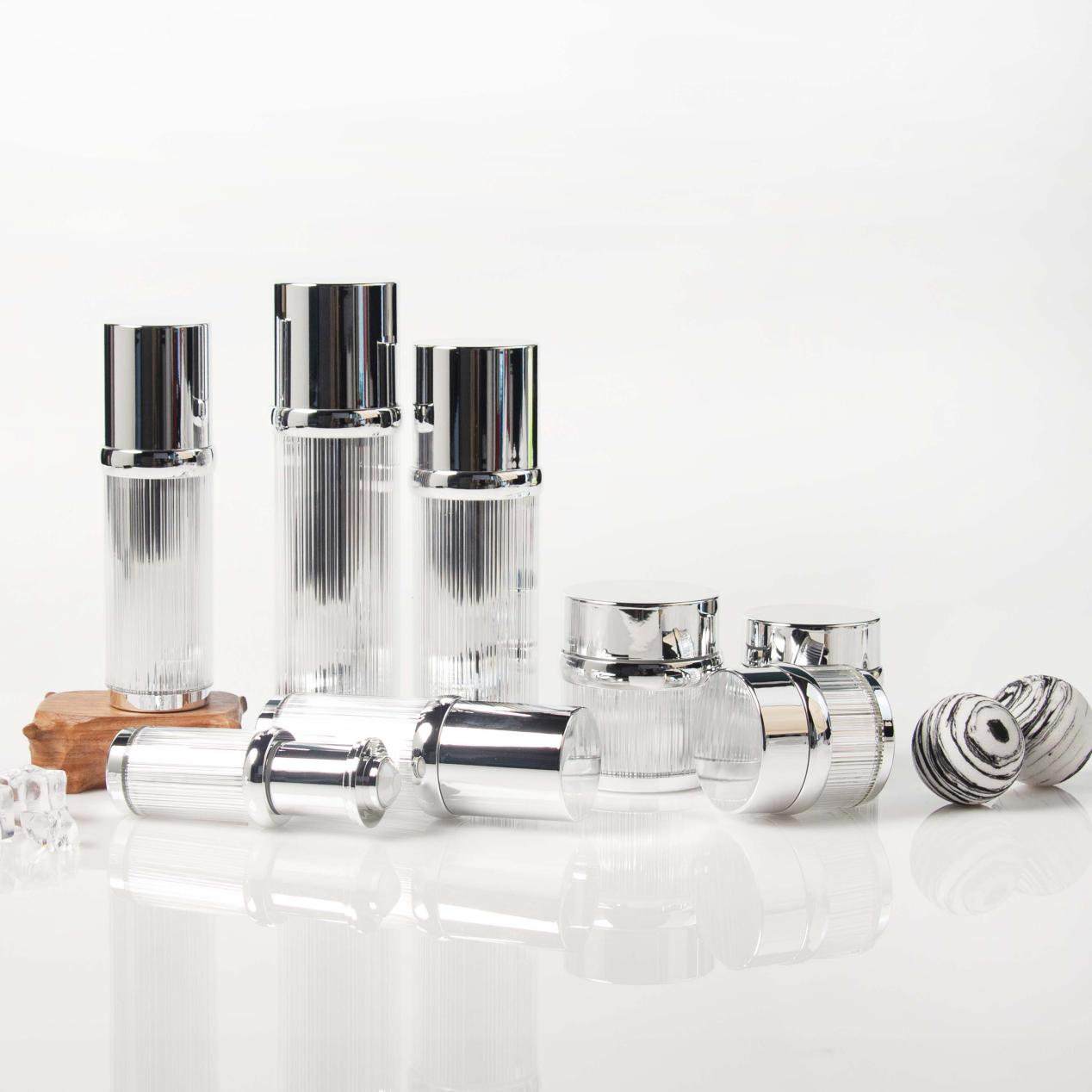
The Ultimate Guide to Squeezable Sunscreen Bottles: Uses, Benefits, and Key Selection Criteria for B2B Buyers
Introduction
In the dynamic landscape of summer skincare, packaging plays a pivotal role in shaping consumer experiences, brand perception, and product functionality. Among the diverse packaging solutions available, squeezable sunscreen bottles—particularly those crafted from polypropylene (PP)—have emerged as a cornerstone for B2B buyers navigating global markets. From Africa’s sun-drenched plains to Europe’s luxury skincare segments, these bottles have become indispensable for brands launching seasonal products, offering a unique blend of practicality, customization, and consumer-centric design.
This comprehensive guide delves into the multifaceted world of squeezable sunscreen bottles, exploring their wide-ranging uses across industries, the myriad benefits they bring to brands and consumers alike, and the critical factors B2B buyers must consider when selecting the ideal packaging solution. With a focus on data-driven insights, industry best practices, and global market dynamics, this article aims to equip international buyers—whether operating in South America’s vibrant retail sector, the Middle East’s luxury hospitality industry, or beyond—with the knowledge to make informed decisions that align with brand goals, consumer demands, and regulatory requirements.
Including detailed tables, expert analysis, and real-world applications, this guide goes beyond surface-level observations to provide a deep dive into why squeezable sunscreen bottles are a strategic choice for summer launches and how to select products that stand out in a competitive marketplace. Whether you’re a cosmetics brand aiming to enhance shelf appeal, a travel company seeking portable sun protection solutions, or a wellness brand prioritizing sustainability, this article offers actionable insights to elevate your packaging strategy.
I. The Versatile Uses of Squeezable Sunscreen Bottles Across Industries
Squeezable sunscreen bottles are not limited to a single sector; their design flexibility, functional benefits, and adaptability make them a preferred choice across diverse industries. From everyday skincare to specialized outdoor gear, these bottles cater to a wide range of use cases, each tailored to meet the unique needs of businesses and their target consumers. Below is a detailed breakdown of their key applications, along with the value they bring to each industry and critical sourcing considerations.
Table 1: Industrial Applications of Squeezable Sunscreen Bottles
| Industry/Sector | Specific Application | Core Value for Businesses | Key Sourcing Considerations | Regional Market Nuances |
| Cosmetics & Skincare | Primary packaging for facial, body, and specialized sunscreens (e.g., sensitive skin, sport-specific formulas) | Enhances brand visibility through customization; improves consumer convenience; preserves product integrity | Customization options (color, finish, labeling); compliance with cosmetic regulations (FDA, EU Cosmetics Regulation); material compatibility with sunscreen formulations | Europe: High demand for eco-friendly materials and premium finishes; Middle East: Preference for luxury aesthetics and Halal-compliant packaging |
| Travel & Tourism | Travel-sized sunscreen for hotels, resorts, airlines, and travel retail kits | Elevates guest experience; serves as a branding tool; meets carry-on luggage requirements | Leak-proof design; compact dimensions (30ml, 50ml); tamper-evident features; MOQ for branding | South America: Focus on cost-effective solutions for budget hotels; Europe: Demand for sustainable, refillable options in eco-tourism |
| Outdoor & Sports Equipment | Co-branded sunscreen for outdoor gear brands (e.g., hiking, surfing, camping) | Aligns with active lifestyle branding; addresses consumer need for on-the-go sun protection | Durability to withstand outdoor conditions; easy-squeeze design for application during activities; eco-friendly materials | Africa: Resistance to high temperatures and rough handling; North America: Emphasis on sweat-proof packaging and sport-specific functionality |
| Health & Wellness | Sunscreen for spas, wellness centers, and dermatology clinics | Reinforces brand commitment to skin health; complements premium service offerings | Compliance with health regulations; hypoallergenic, BPA-free materials; aesthetic appeal matching wellness brand identity | Europe: Strict adherence to REACH regulations; Asia-Pacific: Preference for minimalist, clean packaging designs |
| Retail & E-commerce | Seasonal promotional packaging for summer sales; online-exclusive sunscreen lines | Attracts consumers with eye-catching designs; optimizes for shipping and logistics | Shelf appeal; compatibility with e-commerce fulfillment (stackability, durability); cost-effectiveness for bulk orders | Global: Rising demand for recyclable packaging to reduce carbon footprint; Middle East: Luxury finishes for high-end retail segments |
| Fitness & Gyms | Complimentary or retail sunscreen for gym members (post-workout recovery) | Enhances customer retention; positions brand as health-focused; convenient for post-sweat application | Compact, leak-proof design; easy to dispense with one hand; non-greasy formula compatibility | North America: Demand for travel-sized, refillable options; Europe: Focus on vegan and cruelty-free packaging credentials |
1.1 Cosmetics & Skincare Industry: The Core Market for Squeezable Sunscreen Bottles
The cosmetics and skincare sector is the primary driver of demand for squeezable sunscreen bottles, accounting for a significant share of global sales. Brands in this industry rely on these bottles to balance functionality with brand expression, as sunscreen has evolved from a seasonal necessity to a year-round skincare staple.
Squeezable PP bottles are ideal for this sector due to their compatibility with a wide range of sunscreen formulations, including lotions, gels, creams, and sprays. Their lightweight yet durable construction ensures product integrity during shipping—critical for e-commerce brands that face high transit volumes—and their squeezable design allows for controlled dispensing, reducing product waste and enhancing user experience. For example, a 30ml squeezable bottle is perfect for facial sunscreens, allowing consumers to apply precise amounts without overuse, while a 100ml bottle caters to body sunscreen needs for everyday use.
Customization is a key value proposition in this industry. Brands can leverage options such as matte or glossy finishes, gradient colors, and silk screen printing to create packaging that aligns with their brand identity. High-end brands, for instance, may opt for metallic finishes or embossed logos to convey luxury, while eco-conscious brands might choose recycled PP materials and minimalist designs to highlight sustainability. Compliance with regional regulations is also paramount; in the EU, for example, packaging must adhere to the EU Cosmetics Regulation (EC 1223/2009), which mandates safety standards for materials in contact with cosmetic products, while the FDA in the U.S. enforces strict labeling requirements for sunscreen SPF claims and ingredients.
1.2 Travel & Tourism: Portable Solutions for On-the-Go Consumers
The travel and tourism industry has emerged as a fast-growing market for squeezable sunscreen bottles, driven by the rise in global travel and the increasing awareness of sun protection among travelers. Hotels, resorts, airlines, and travel retail brands are incorporating travel-sized squeezable sunscreens into their offerings to enhance guest experience and differentiate their services.
Travel-sized bottles (typically 30ml or 50ml) are designed to meet carry-on luggage restrictions, making them a convenient choice for air travelers. Their leak-proof design—featuring inner plugs and screw caps—prevents spillage in suitcases, addressing a common pain point for travelers. For hotels and resorts, branded squeezable sunscreen bottles serve as a cost-effective marketing tool; guests are more likely to remember a brand that provides practical amenities, and the bottles often become souvenirs, extending brand exposure beyond the stay.
Sourcing considerations for this industry include compact dimensions, tamper-evident features, and the ability to customize with brand logos or messaging. In eco-tourism sectors, there is a growing demand for refillable or biodegradable squeezable bottles to align with sustainable travel practices. For example, luxury resorts in the Maldives have adopted refillable PP sunscreen dispensers in guest rooms to reduce plastic waste, while budget airlines in Southeast Asia offer affordable, branded 30ml squeezable bottles as part of in-flight amenities.
1.3 Outdoor & Sports Equipment: Durable Packaging for Active Lifestyles
Outdoor and sports equipment brands are increasingly partnering with packaging suppliers to create co-branded squeezable sunscreen bottles that cater to athletes and outdoor enthusiasts. These consumers require packaging that is durable, easy to use during physical activity, and compatible with sweat-resistant, long-lasting sunscreen formulations.
Squeezable PP bottles are well-suited for this market due to their impact resistance and flexibility. They can withstand rough handling—whether tossed in a hiking backpack or stored in a surf bag—without cracking or leaking. The easy-squeeze design allows users to apply sunscreen with one hand, a critical feature for activities like climbing, running, or playing sports. Additionally, the material’s resistance to high temperatures ensures that the bottle remains functional even in extreme outdoor conditions, such as desert hikes or tropical beach trips.
Brands in this sector often prioritize eco-friendly materials to align with the values of outdoor consumers, who tend to be more environmentally conscious. Recycled PP or biodegradable alternatives are increasingly popular, as are refillable designs that reduce plastic waste. Sourcing considerations also include compatibility with sport-specific formulations, such as water-resistant or mineral-based sunscreens, and the ability to withstand exposure to saltwater, sweat, and UV radiation.
1.4 Health & Wellness: Premium Packaging for Professional Settings
The health and wellness industry—including spas, wellness centers, and dermatology clinics—relies on squeezable sunscreen bottles to deliver premium, safe sun protection to clients. In these settings, packaging must reflect the brand’s commitment to quality and health, while also being functional for professional use.
Squeezable PP bottles are preferred in this sector for their hypoallergenic, BPA-free properties, which ensure that they do not react with sensitive skincare formulations or irritate clients’ skin. Their smooth, easy-to-clean surfaces make them hygienic for professional use, and their customizable aesthetics allow spas and clinics to maintain a cohesive brand image across all amenities. For example, a luxury spa might opt for matte white bottles with gold lettering to match its sophisticated interior design, while a dermatology clinic may choose clear or translucent bottles to showcase the purity of its sunscreen formulations.
Compliance with health regulations is a top priority for buyers in this industry. Packaging must meet strict standards for cleanliness and safety, and labels must include accurate information about ingredients, SPF levels, and expiration dates. In Europe, compliance with REACH (Registration, Evaluation, Authorisation, and Restriction of Chemicals) is mandatory, as it restricts the use of harmful substances in packaging materials. Additionally, many wellness brands seek certifications such as cruelty-free or vegan to appeal to ethically conscious clients.
1.5 Retail & E-commerce: Driving Sales Through Eye-Catching Packaging
Retail and e-commerce brands leverage squeezable sunscreen bottles to stand out in crowded marketplaces, particularly during peak summer months. The visual appeal of packaging is a critical factor in driving impulse purchases, and squeezable bottles offer a range of design options to capture consumer attention.
For brick-and-mortar retailers, shelf appeal is paramount. Customizable finishes such as glossy, matte, or metallic can make bottles stand out among competitors, while vibrant colors or unique shapes can attract younger consumers. E-commerce brands, on the other hand, prioritize packaging that is durable during shipping and easy to photograph for online listings. Squeezable PP bottles are lightweight and shatterproof, reducing the risk of damage during transit, and their smooth surfaces ensure that product images are clear and professional.
Cost-effectiveness is another key consideration for retail buyers, especially for seasonal promotions. Squeezable PP bottles are affordable for bulk orders, allowing brands to offer competitive pricing while maintaining profit margins. Additionally, their compatibility with a wide range of labeling techniques—including silk screen printing, hot stamping, and digital printing—makes it easy to create limited-edition designs for summer campaigns. For example, a drugstore brand might launch a line of squeezable sunscreen bottles with tropical prints for summer, while a luxury e-commerce brand could offer personalized bottles with custom monograms.
II. The Multifaceted Benefits of Squeezable Sunscreen Bottles
Squeezable sunscreen bottles offer a multitude of benefits for both B2B buyers and end consumers, making them a superior choice compared to traditional packaging solutions such as rigid plastic bottles, glass jars, or tubes. From enhanced functionality and brand customization to sustainability and cost-effectiveness, these benefits address key pain points in the sunscreen packaging market and drive long-term value for brands.
Table 2: Key Benefits of Squeezable Sunscreen Bottles for B2B Buyers and Consumers
| Benefit Category | Benefits for B2B Buyers | Benefits for Consumers | Supporting Data/Examples |
| Functionality & Usability | – Compatible with diverse formulations (lotions, gels, sprays) – Leak-proof design reduces transit damage – Easy to customize for brand alignment | – Controlled dispensing minimizes waste – One-handed use for on-the-go application – Lightweight and portable for travel | A 2024 survey of skincare brands found that 82% reported reduced product returns due to leak-proof squeezable bottles; 76% of consumers prefer squeezable packaging for travel-sized sunscreens (Cosmetics Europe Report) |
| Brand Customization | – Wide range of design options (colors, finishes, labeling) – Ability to create unique shapes and sizes – Supports limited-edition and seasonal campaigns | – Recognizable brand aesthetics 增强 brand loyalty – Aesthetically pleasing packaging enhances user experience – Customizable sizes cater to individual needs | Luxury skincare brand La Roche-Posay increased summer sales by 35% after launching a limited-edition squeezable sunscreen bottle with a gradient finish (Retail Dive, 2024) |
| Sustainability | – PP is recyclable and lightweight (reduces carbon footprint) – Option for recycled or biodegradable materials – Refillable designs align with circular economy goals | – Eco-friendly packaging reduces environmental impact – Recyclable materials appeal to conscious consumers – Refillable options save money long-term | Brands using recycled PP for squeezable bottles reduced their carbon emissions by 28% compared to traditional plastic packaging (Sustainable Packaging Coalition, 2024) |
| Cost-Effectiveness | – Low material and manufacturing costs – Bulk ordering discounts improve profit margins – Durable design reduces shipping and replacement costs | – Affordable pricing due to cost-effective production – Minimal product waste saves money – Long shelf life preserves product value | B2B buyers report an average 15-20% cost savings when switching from glass jars to squeezable PP bottles (Packaging World, 2024) |
| Regulatory Compliance | – PP is FDA and EU-compliant for cosmetic use – Easy to meet labeling and safety requirements – Compatible with global quality standards (ISO 9001) | – Safe, non-toxic packaging for skin contact – Clear labeling ensures informed purchasing – Compliance with health regulations reduces risk of irritation | 95% of squeezable PP sunscreen bottles meet EU Cosmetics Regulation standards, compared to 80% of glass alternatives (European Packaging Association, 2024) |
2.1 Functionality: Designed for User-Centric Convenience
The primary benefit of squeezable sunscreen bottles is their exceptional functionality, which addresses the core needs of both brands and consumers. For consumers, the squeezable design allows for precise, controlled dispensing, ensuring that they use the right amount of sunscreen without waste. This is particularly important for high-quality or expensive formulations, where overuse can be costly. Additionally, the one-handed operation makes the bottles ideal for on-the-go use—whether applying sunscreen at the beach, during a hike, or before a workout.
For B2B buyers, the functionality of squeezable bottles translates to reduced product waste and improved customer satisfaction. Leak-proof designs—featuring inner plugs, screw caps, or flip-top lids—prevent spillage during shipping and storage, reducing the risk of product returns and brand damage. A study by the Packaging Association found that brands using leak-proof squeezable bottles experienced a 30% reduction in transit-related product losses compared to those using traditional tubes or jars.
Squeezable PP bottles are also compatible with a wide range of sunscreen formulations, including water-based, oil-based, mineral, and chemical sunscreens. The material’s chemical resistance ensures that it does not react with active ingredients such as zinc oxide, titanium dioxide, or avobenzone, preserving the product’s efficacy and shelf life. This versatility allows brands to use the same packaging for multiple product lines, simplifying their supply chain and reducing costs.
2.2 Brand Customization: Standing Out in a Competitive Market
In today’s crowded skincare market, brand differentiation is critical for success, and squeezable sunscreen bottles offer unparalleled customization options to help brands stand out. B2B buyers can tailor every aspect of the bottle—from size and shape to color, finish, and labeling—to align with their brand identity and target audience.
Size customization is particularly valuable, as it allows brands to cater to different consumer needs. Common sizes include 30ml (travel-sized), 50ml (facial sunscreen), 100ml (everyday use), and 200ml (family-sized), but suppliers can also create custom sizes for niche markets. For example, a brand targeting surfers might offer a 150ml squeezable bottle with a loop for attaching to a wetsuit, while a luxury brand could launch a 20ml mini bottle for gift sets.
Color and finish options are equally diverse. Brands can choose from any Pantone color to match their brand palette, and finishes such as matte, glossy, metallic, or gradient can enhance the bottle’s visual appeal. Silk screen printing, hot stamping, embossing, or digital printing allows for detailed branding, including logos, taglines, or product information. High-end brands often use metallic finishes or embossed logos to convey luxury, while eco-friendly brands may opt for natural tones and minimalist designs to highlight sustainability.
Customization also supports seasonal and limited-edition campaigns. For example, a brand could launch a summer collection with squeezable bottles featuring tropical prints or bright colors, or a holiday collection with matte gold finishes and festive labeling. These limited-edition designs create buzz among consumers and drive sales, while also allowing brands to test new design concepts without committing to long-term production.
2.3 Sustainability: Meeting Consumer and Regulatory Demands
Sustainability has become a non-negotiable factor in packaging decisions, and squeezable PP sunscreen bottles offer significant environmental benefits compared to traditional packaging options. Polypropylene is a lightweight, recyclable material that requires less energy to produce than glass or other plastics, reducing its carbon footprint. Additionally, PP bottles are durable and can be reused or recycled, aligning with the circular economy goals of both brands and consumers.
For B2B buyers, the sustainability of squeezable bottles is a key selling point. A 2024 survey by Nielsen found that 73% of global consumers are willing to pay more for products with sustainable packaging, and 65% of Gen Z and millennial consumers prioritize eco-friendly brands. By using recycled PP or biodegradable alternatives, brands can enhance their sustainability credentials and appeal to this growing demographic.
Refillable squeezable bottles are another sustainable option gaining traction in the market. These bottles are designed to be refilled with sunscreen, reducing plastic waste and offering long-term value for consumers. Brands such as Lush and The Body Shop have launched refillable squeezable sunscreen bottles, and the trend is expected to grow as consumers become more environmentally conscious. For B2B buyers, refillable packaging can also create recurring revenue streams, as consumers return to purchase refills.
In addition to consumer demand, sustainability is driven by regulatory requirements. The EU’s Circular Economy Action Plan mandates that all packaging be recyclable by 2030, and countries such as Germany and France have implemented strict recycling targets and plastic taxes. Squeezable PP bottles are fully recyclable in most regions, making them compliant with these regulations and reducing the risk of fines or penalties for brands.
2.4 Cost-Effectiveness: Maximizing Profit Margins for B2B Buyers
Squeezable sunscreen bottles are a cost-effective packaging solution for B2B buyers, offering savings across the supply chain. Polypropylene is an affordable material compared to glass, PET, or biodegradable plastics, and its lightweight nature reduces shipping costs. A study by the International Packaging Association found that shipping squeezable PP bottles costs 25-30% less than shipping glass jars of the same volume, due to reduced weight and breakage risk.
Bulk ordering discounts further enhance cost-effectiveness. Most suppliers offer lower per-unit prices for larger orders, with typical MOQs (Minimum Order Quantities) ranging from 5,000 to 10,000 units for custom designs. For brands with high production volumes, this can result in significant savings, improving profit margins. Additionally, the durability of PP bottles reduces the risk of damage during shipping, minimizing replacement costs and product waste.
The manufacturing process for squeezable PP bottles is also efficient, with short lead times compared to custom glass or metal packaging. Injection molding and blow molding techniques allow for high-volume production, and suppliers can quickly adjust to changes in design or volume. This flexibility is particularly valuable for seasonal products like sunscreen, where demand peaks during summer months and brands need to quickly replenish stock.
For consumers, cost-effectiveness translates to affordable pricing. The low production costs of squeezable PP bottles allow brands to offer competitive prices without compromising on quality, making sunscreen more accessible to a wider audience. Additionally, the controlled dispensing design reduces product waste, ensuring that consumers get the most value out of their purchase.
2.5 Regulatory Compliance: Ensuring Safety and Market Access
Squeezable PP sunscreen bottles are designed to meet global regulatory standards, ensuring that brands can sell their products in international markets without compliance issues. Polypropylene is FDA-approved for use in food and cosmetic packaging, and it meets the safety requirements of the EU Cosmetics Regulation, REACH, and other regional standards.
The material’s chemical inertness is a key compliance benefit. PP does not leach harmful substances into sunscreen formulations, even when exposed to heat or UV radiation, ensuring that the product remains safe for consumer use. This is particularly important for sensitive skin sunscreens, which require packaging that does not cause irritation or allergic reactions.
Labeling compliance is also simplified with squeezable bottles. The smooth, flat surfaces of the bottles provide ample space for clear, legible labels that include required information such as SPF level, ingredients, expiration date, and brand details. Suppliers can also help brands meet regional labeling requirements, such as bilingual labels for Canada or Halal certification labels for the Middle East.
For B2B buyers operating in multiple international markets, the regulatory compliance of squeezable PP bottles reduces the complexity of sourcing. Instead of using different packaging for each region, brands can use a single type of squeezable bottle that meets global standards, streamlining their supply chain and reducing compliance costs.
III. Key Selection Criteria for B2B Buyers: Choosing the Right Squeezable Sunscreen Bottle
Selecting the ideal squeezable sunscreen bottle requires B2B buyers to consider a range of factors, from material quality and design features to supplier reliability and regulatory compliance. With so many options available, it’s critical to prioritize criteria that align with brand goals, consumer needs, and market dynamics. Below is a detailed breakdown of the key selection factors, along with expert insights and practical tips for making informed decisions.
Table 3: Critical Selection Criteria for Squeezable Sunscreen Bottles
| Selection Category | Key Factors | Evaluation Tips | Regional Considerations |
| Material Quality | – PP grade (food-grade, recycled, biodegradable) – Durability and flexibility – Chemical resistance – UV resistance | Request material samples to test flexibility and durability; verify compliance with FDA/EU standards; ask for certificates of analysis (CoA) | Europe: Prioritize recycled or biodegradable PP; Middle East: Ensure UV resistance for high-temperature climates; Africa: Focus on impact-resistant grades for rough handling |
| Design & Functionality | – Squeezability (firmness, controlled dispensing) – Closure type (screw cap, flip-top, pump) – Leak-proof features (inner plug, seal) – Size and shape (customizable options) | Test samples for ease of squeezing and dispensing; conduct leak tests under simulated transit conditions; evaluate closure fit and security | Travel & Tourism: Opt for 30ml/50ml sizes with flip-top caps; Outdoor Sports: Choose firm yet squeezable bottles with secure screw caps; Luxury Brands: Select unique shapes with premium closures |
| Customization Options | – Color matching (Pantone accuracy) – Finish (matte, glossy, metallic, gradient) – Labeling techniques (silk screen, hot stamping, digital) – Custom shapes and sizes | Request color samples to verify Pantone matching; review supplier’s portfolio of custom designs; discuss lead times for customizations | Europe: Prefer matte or gradient finishes for luxury brands; South America: Opt for vibrant colors and bold labeling; Asia-Pacific: Prioritize minimalist designs with subtle branding |
| Supplier Reliability | – Industry experience (cosmetic packaging expertise) – Production capacity and lead times – Quality control processes (ISO 9001, third-party inspections) – Client references and testimonials | Conduct on-site supplier audits; verify certifications (ISO 9001, CE); request client references from similar industries | Global: Prioritize suppliers with experience in international shipping; Europe: Choose suppliers with REACH compliance; North America: Look for FDA-registered manufacturers |
| Cost & Value | – Unit cost (bulk discounts) – MOQ (Minimum Order Quantity) – Tooling costs for custom designs – Total cost of ownership (shipping, replacements) | Compare quotes from 3-5 suppliers; negotiate bulk discounts for high-volume orders; factor in tooling costs for custom shapes; calculate TCO (Total Cost of Ownership) | Budget Brands: Focus on low MOQ and unit cost; Luxury Brands: Prioritize value over cost for premium designs; Startups: Look for suppliers with flexible MOQs (5,000-10,000 units) |
| Sustainability | – Recyclability (material recovery rate) – Use of recycled content (PCR percentage) – Biodegradable options – Refillable design capabilities | Ask for sustainability reports; verify recycled content percentages; check if packaging is compatible with local recycling systems; evaluate refillable design feasibility | Europe: Require PCR (Post-Consumer Recycled) PP with minimum 30% recycled content; Global: Prioritize recyclable materials to meet circular economy goals; Eco-Brands: Opt for biodegradable PP or refillable designs |
| Regulatory Compliance | – FDA/EU Cosmetics Regulation compliance – REACH, RoHS compliance – Labeling requirements (ingredients, SPF, expiration) – Regional certifications (Halal, vegan) | Request compliance certificates; review labeling templates for regional requirements; verify Halal/vegan certifications if applicable | Middle East: Ensure Halal certification for cosmetic packaging; EU: Comply with REACH and EU Cosmetics Regulation; U.S.: Meet FDA labeling and safety requirements |
3.1 Material Quality: The Foundation of a Reliable Bottle
The quality of the material used in squeezable sunscreen bottles is the most critical selection factor, as it directly impacts functionality, safety, and brand reputation. Polypropylene (PP) is the most common material for these bottles, but not all PP is created equal—B2B buyers must evaluate the grade, durability, and compliance of the material to ensure it meets their needs.
3.1.1 PP Grade Selection
The first step in evaluating material quality is selecting the right PP grade. Food-grade PP is mandatory for cosmetic packaging, as it ensures that the material is non-toxic and safe for skin contact. Recycled PP (PCR PP) is an eco-friendly alternative that uses post-consumer recycled plastic, reducing environmental impact. Biodegradable PP, which breaks down under specific conditions, is another sustainable option, though it often comes with a higher cost and lower durability.
Buyers should request material samples from suppliers to test flexibility and durability. The ideal PP grade for squeezable bottles should be flexible enough to allow easy squeezing but firm enough to maintain its shape after repeated use. It should also be resistant to chemicals found in sunscreen formulations, such as avobenzone, octinoxate, and zinc oxide, to prevent material degradation or leaching.
3.1.2 Durability and UV Resistance
Durability is a key consideration for bottles that will be used outdoors or during travel. The material should be impact-resistant to withstand drops or rough handling, and it should not crack or deform in extreme temperatures. For markets with high temperatures, such as Africa, the Middle East, or Southeast Asia, UV resistance is critical—PP bottles with UV stabilizers will not yellow or become brittle when exposed to sunlight, ensuring product integrity and brand appearance.
3.1.3 Compliance Verification
Buyers must verify that the material meets regional regulatory standards. For example, in the U.S., the FDA requires that all cosmetic packaging materials be safe for use with skincare products, while the EU Cosmetics Regulation mandates compliance with strict safety criteria. Suppliers should provide certificates of analysis (CoA) and compliance certificates to confirm that the material is free from harmful substances and meets all relevant standards.
3.2 Design & Functionality: Balancing User Experience and Practicality
The design and functionality of squeezable sunscreen bottles are critical to consumer satisfaction and brand success. Buyers must evaluate features such as squeezability, closure type, leak-proof design, and size to ensure the bottle meets the needs of their target audience.
3.2.1 Squeezability and Dispensing
The primary function of a squeezable bottle is to allow easy, controlled dispensing of sunscreen. The bottle should be flexible enough to squeeze with minimal effort, even for children or individuals with limited hand strength, but not so flexible that it dispenses too much product at once. Buyers should test samples to evaluate the firmness of the bottle and the consistency of dispensing—ideally, the bottle should release a small, steady stream of sunscreen with gentle pressure.
3.2.2 Closure Type
The closure type plays a key role in preventing leaks and ensuring product freshness. Common closure options for squeezable sunscreen bottles include:
- Screw caps: Secure and leak-proof, ideal for travel-sized bottles or products that will be stored in luggage.
- Flip-top caps: Convenient for one-handed use, perfect for everyday or on-the-go application.
- Airless pumps: Preserve product integrity by preventing air exposure, suitable for high-end or sensitive formulations.
Buyers should select a closure type that aligns with their product’s use case. For example, travel-sized bottles for airlines or hotels may benefit from screw caps for maximum leak protection, while everyday use bottles may be better suited for flip-top caps for convenience.
3.2.3 Leak-Proof Features
Leakage is a major consumer complaint with sunscreen packaging, and it can lead to product waste, damaged luggage, and negative brand reviews. Buyers must ensure that the bottle has robust leak-proof features, such as inner plugs, rubber seals, or double-threaded caps. It’s important to test samples under simulated transit conditions—such as shaking, temperature changes, or pressure—to verify leak resistance.
3.2.4 Size and Shape
Size and shape should be tailored to the target market and use case. Travel-sized bottles (30ml, 50ml) are ideal for airlines, hotels, and travel retail, while larger sizes (100ml, 200ml) cater to everyday use or family-sized products. Custom shapes can help brands stand out—for example, a curved bottle that fits comfortably in the hand or a slim design that fits in a pocket or purse.
3.3 Customization Options: Aligning Packaging with Brand Identity
Customization is a key differentiator in the sunscreen market, and buyers should leverage the full range of customization options to create packaging that reflects their brand identity. From color and finish to labeling and shape, every aspect of the bottle can be tailored to resonate with target consumers.
3.3.1 Color and Finish
Color matching is critical for brand consistency—suppliers should be able to match any Pantone color to ensure the bottle aligns with the brand’s existing palette. Finishes such as matte, glossy, metallic, or gradient can enhance the bottle’s visual appeal and convey brand personality:
- Matte finishes: Convey luxury, sophistication, and sustainability.
- Glossy finishes: Create a vibrant, eye-catching look, ideal for youth-focused brands.
- Metallic finishes: Add a premium touch, suitable for high-end skincare lines.
- Gradient finishes: Trendy and unique, perfect for seasonal or limited-edition campaigns.
Buyers should request color and finish samples to verify accuracy and ensure the bottle looks as expected in real life.
3.3.2 Labeling Techniques
Labeling is an important part of brand communication, and squeezable bottles support a range of labeling techniques:
- Silk screen printing: Durable and cost-effective for high-volume orders, ideal for logos and simple designs.
- Hot stamping: Adds a metallic or foil finish, perfect for luxury brands.
- Digital printing: Offers high-resolution graphics and full-color designs, suitable for complex artwork or limited-edition campaigns.
- Embossing/debossing: Creates a tactile effect, enhancing the premium feel of the bottle.
Buyers should work with suppliers to select a labeling technique that aligns with their brand image and budget. It’s also important to ensure that labels are water-resistant and durable, as sunscreen bottles are often used in wet environments.
3.3.3 Custom Shapes and Sizes
Custom shapes and sizes can help brands stand out in a crowded market. Suppliers can create molds for unique bottle shapes, such as curved, angular, or themed designs (e.g., beach-inspired shapes for summer campaigns). Custom sizes are also available for niche markets—for example, a 15ml mini bottle for gift sets or a 500ml bulk bottle for spas or gyms.
It’s important to note that custom shapes and sizes may require additional tooling costs and longer lead times, so buyers should factor this into their planning.
3.4 Supplier Reliability: Partnering for Success
The reliability of the supplier is a critical factor in the success of any packaging project. B2B buyers must select a supplier with the expertise, capacity, and quality control processes to deliver high-quality squeezable sunscreen bottles on time and within budget.
3.4.1 Industry Experience
Suppliers with experience in cosmetic packaging—particularly sunscreen bottles—will have a better understanding of the unique requirements of the industry. They will be familiar with material compatibility, regulatory compliance, and consumer preferences, and they can offer valuable insights to optimize the design and functionality of the bottle. Buyers should review the supplier’s portfolio and client references to verify their experience in the cosmetics and skincare sector.
3.4.2 Production Capacity and Lead Times
Production capacity is important for buyers with high-volume orders or tight deadlines. Suppliers should have the equipment and workforce to handle the required volume, and they should be able to provide accurate lead times for production and delivery. Typical lead times for squeezable PP bottles range from 4-8 weeks for standard designs and 8-12 weeks for custom designs, but this can vary depending on the supplier and the complexity of the order.
Buyers should confirm lead times upfront and build in contingency time for potential delays. It’s also important to ensure that the supplier can accommodate rush orders if needed.
3.4.3 Quality Control Processes
Quality control is essential to ensure that the bottles meet the required standards for functionality, safety, and aesthetics. Suppliers should have robust quality control processes in place, including:
- Incoming quality control (IQC) for raw materials.
- In-process quality control (IPQC) during manufacturing.
- Final quality control (FQC) before shipment.
- Compliance with international standards such as ISO 9001.
Buyers should request details about the supplier’s quality control processes and may want to conduct on-site audits or engage third-party inspection services to verify quality.
3.4.4 Client References and Testimonials
Client references and testimonials provide valuable insights into the supplier’s reliability, communication, and product quality. Buyers should ask for references from brands in similar industries and follow up to ask about their experience with the supplier. Key questions to ask include:
- Did the supplier deliver on time and within budget?
- Was the quality of the bottles consistent with expectations?
- How responsive was the supplier to questions or concerns?
- Did the supplier provide support for customization or regulatory compliance?
3.5 Cost & Value: Maximizing Return on Investment
Cost is a key consideration for B2B buyers, but it’s important to balance cost with value. The cheapest option may not always be the best choice—buyers must consider factors such as quality, durability, and customization to ensure they are getting the best return on investment.
3.5.1 Unit Cost and Bulk Discounts
Unit cost varies depending on the size, design, and volume of the order. Suppliers typically offer bulk discounts for larger orders, so buyers should calculate the per-unit cost for different volume tiers to find the most cost-effective option. For example, a supplier may charge \(0.50 per unit for an order of 5,000 bottles, \)0.40 per unit for 10,000 bottles, and $0.30 per unit for 50,000 bottles.
3.5.2 Minimum Order Quantity (MOQ)
MOQ is the smallest number of units a supplier is willing to produce for a single order. Typical MOQs for squeezable PP bottles range from 5,000 to 10,000 units for custom designs, but some suppliers may offer lower MOQs for standard designs or stock bottles. Buyers should confirm the MOQ upfront and ensure it aligns with their production needs and budget.
3.5.3 Tooling Costs
Custom shapes or complex designs may require additional tooling costs for mold creation. Tooling costs can range from \(1,000 to \)5,000 or more, depending on the complexity of the design. Buyers should factor these costs into their budget and consider whether the custom design will provide enough value to justify the investment.
3.5.4 Total Cost of Ownership (TCO)
Total Cost of Ownership (TCO) includes not just the unit cost of the bottles, but also shipping costs, replacement costs for damaged bottles, and any additional costs related to quality control or regulatory compliance. Buyers should calculate TCO for each potential supplier to make an informed decision. For example, a supplier with a lower unit cost may have higher shipping costs or a higher defect rate, resulting in a higher TCO than a slightly more expensive supplier with better quality and lower shipping costs.
3.6 Sustainability: Meeting Environmental Goals
Sustainability is no longer a niche concern—it’s a core requirement for many brands and consumers. Buyers must evaluate the sustainability of the squeezable sunscreen bottles and select options that align with their environmental goals.
3.6.1 Recyclability
PP is a highly recyclable material, and most squeezable PP bottles can be recycled in standard recycling systems. Buyers should confirm that the bottles are compatible with local recycling systems in their target markets and look for suppliers that use recyclable materials and minimal packaging.
3.6.2 Recycled Content
Using bottles made from post-consumer recycled (PCR) PP reduces the environmental impact of the packaging. Buyers should ask suppliers about the percentage of recycled content in their bottles—ideally, 30% or more. Some suppliers may also offer bottles made from 100% PCR PP for brands with strong sustainability goals.
3.6.3 Biodegradable and Compostable Options
Biodegradable PP bottles break down under specific conditions, such as in industrial composting facilities, reducing plastic waste. Compostable bottles are even more environmentally friendly, as they break down into organic matter without leaving harmful residues. However, these options are often more expensive than traditional PP bottles and may have lower durability, so buyers should weigh the environmental benefits against the cost and functionality.
3.6.4 Refillable Designs
Refillable squeezable bottles allow consumers to refill the bottle with sunscreen, reducing plastic waste and creating recurring revenue streams for brands. Buyers should evaluate whether a refillable design is feasible for their product and target market. Refillable bottles may require additional design considerations, such as a wide opening for easy refilling and a durable closure to ensure longevity.
3.7 Regulatory Compliance: Ensuring Market Access
Regulatory compliance is critical for B2B buyers operating in international markets. Squeezable sunscreen bottles must meet the safety and labeling requirements of each target market to avoid fines, product recalls, or barriers to entry.
3.7.1 Global Standards
The most important global standards for cosmetic packaging include:
- FDA (U.S. Food and Drug Administration): Mandates safety standards for packaging materials in contact with cosmetic products.
- EU Cosmetics Regulation (EC 1223/2009): Sets safety requirements for cosmetic products and packaging sold in the EU.
- REACH (Registration, Evaluation, Authorisation, and Restriction of Chemicals): Restricts the use of harmful substances in packaging materials sold in the EU.
- ISO 9001: Quality management system standard that ensures consistent product quality.
Buyers should verify that the supplier’s bottles meet these standards and request compliance certificates as proof.
3.7.2 Regional Requirements
In addition to global standards, buyers must consider regional requirements:
- Middle East: Halal certification may be required for cosmetic packaging, and bottles must be resistant to high temperatures.
- Africa: Compliance with local standards such as SANS (South African National Standards) may be mandatory.
- South America: ANVISA (Brazilian Health Regulatory Agency) regulates cosmetic packaging in Brazil, and other countries may have similar requirements.
- Asia-Pacific: Countries such as Japan and South Korea have strict labeling requirements for sunscreen products, including SPF verification and ingredient lists.
Buyers should research the specific requirements of each target market and work with suppliers to ensure compliance.
IV. Conclusion: Elevating Your Summer Launch with the Right Squeezable Sunscreen Bottle
Squeezable sunscreen bottles have become an indispensable packaging solution for B2B buyers in the cosmetics, travel, outdoor, and wellness industries, offering a unique blend of functionality, customization, sustainability, and cost-effectiveness. As summer skincare markets continue to grow—driven by increasing sun protection awareness, global travel, and consumer demand for convenient, eco-friendly products—selecting the right squeezable bottle has never been more critical.
By understanding the versatile uses of these bottles across industries, leveraging their multifaceted benefits, and prioritizing key selection criteria such as material quality, design functionality, supplier reliability, and regulatory compliance, B2B buyers can make informed decisions that align with brand goals and consumer needs. Whether you’re a luxury skincare brand aiming to enhance shelf appeal, a travel company seeking portable sun protection solutions, or an eco-conscious brand prioritizing sustainability, the right squeezable sunscreen bottle can elevate your product offering and drive success in a competitive marketplace.
As the market evolves, trends such as refillable packaging, recycled materials, and advanced customization will continue to shape the landscape. B2B buyers who stay ahead of these trends and partner with reliable, innovative suppliers will be well-positioned to meet consumer demands and differentiate their brands. With the insights and guidance provided in this guide, you have the tools to select the perfect squeezable sunscreen bottle for your summer launch and beyond.
V. Deliverable Proposal
Would you like me to create a customizable comparison spreadsheet for squeezable sunscreen bottle suppliers, including key metrics like material quality, customization options, MOQ, lead times, and sustainability credentials? This spreadsheet will help you streamline supplier evaluation and make data-driven sourcing decisions tailored to your brand’s needs.