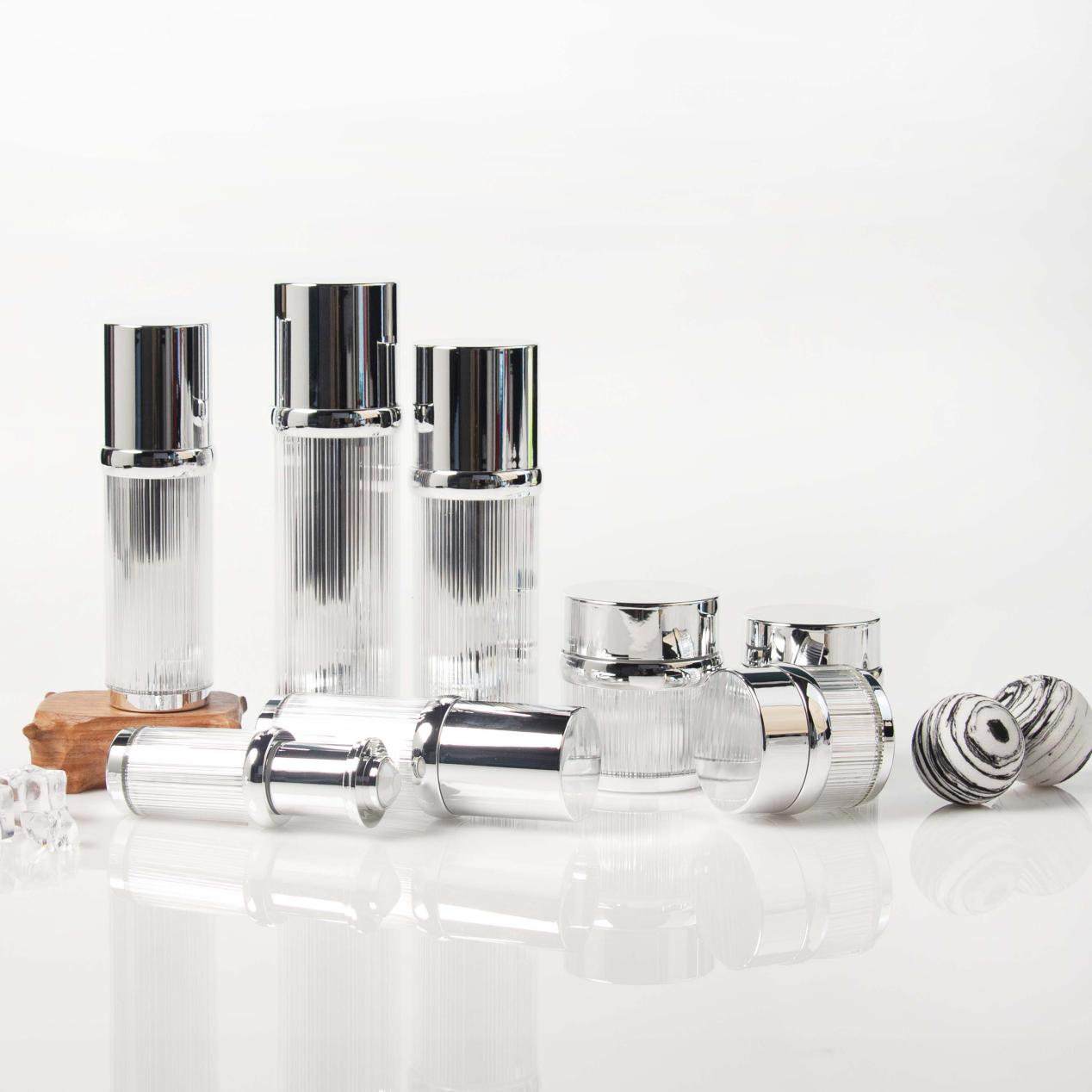
The Definitive Guide to 100ml Airless Refillable Foaming Pump Bottles: Sourcing, Innovation, and Market Leadership
In the fast-paced world of cosmetic and personal care packaging, the 100ml airless refillable foaming pump bottle has emerged as a game-changing solution, bridging the gap between functionality, sustainability, and consumer experience. As global B2B buyers navigate an increasingly competitive market—driven by evolving consumer preferences for eco-friendly products, stricter regulatory standards, and the need for brand differentiation—understanding the nuances of this innovative packaging is no longer optional but essential. This comprehensive guide delves into every facet of 100ml airless refillable foaming pump bottles, from their technical design and manufacturing processes to sourcing strategies, market trends, and comparative analysis with alternative solutions. Whether you’re a brand in Europe seeking premium packaging for luxury skincare, a hospitality business in the Middle East sourcing hotel amenities, or an e-commerce retailer in South America curating subscription boxes, this guide equips you with the knowledge to make strategic decisions that elevate your product offerings and strengthen your market position.
1. Introduction: The Rise of 100ml Airless Refillable Foaming Pump Bottles in Global Markets
The packaging industry is undergoing a paradigm shift, with sustainability and product integrity at the forefront of innovation. The 100ml airless refillable foaming pump bottle has emerged as a standout solution, addressing key pain points for both brands and consumers. For B2B buyers operating across regions as diverse as Africa, South America, the Middle East, and Europe—including countries like Saudi Arabia, Vietnam, Brazil, and Germany—this packaging format offers a versatile, compliant, and consumer-centric option that aligns with modern market demands.
1.1 The Evolution of Airless Packaging Technology
The concept of airless packaging dates back to the early 1990s, when it was first developed to extend the shelf life of sensitive cosmetic formulations by preventing air exposure. Traditional packaging methods, such as open jars and standard pump bottles, allowed oxygen to infiltrate products, leading to oxidation, contamination, and reduced efficacy—particularly for natural, organic, or preservative-free formulas. Airless technology revolutionized this by creating a vacuum-sealed environment that minimizes air contact from the first use to the last drop.
Over the past three decades, airless packaging has evolved significantly. Early iterations were primarily used in high-end skincare and cosmetics, but advancements in manufacturing, material science, and design have made them accessible across a wide range of industries. The introduction of refillable features marked a critical milestone, addressing growing consumer concerns about packaging waste and environmental impact. Today, the 100ml airless refillable foaming pump bottle represents the culmination of this evolution: a compact, travel-friendly size that complies with TSA regulations, combined with airless technology and refillability to meet the demands of eco-conscious consumers and cost-aware brands.
1.2 Why 100ml? The Sweet Spot for Functionality and Convenience
The 100ml capacity (equivalent to 3.38oz) has emerged as a “sweet spot” for B2B applications, balancing functionality, portability, and consumer appeal. This size is TSA-compliant, making it ideal for travel-sized products, hotel amenities, and on-the-go personal care items—segments that have seen exponential growth in post-pandemic markets. For brands, 100ml bottles offer a cost-effective way to introduce consumers to new products without requiring a large upfront investment, while also reducing shipping costs due to their compact size and lightweight design.
Additionally, the 100ml format aligns with changing consumer behaviors, such as the shift toward minimalism, subscription-based purchasing, and trial-sized products. For example, e-commerce subscription boxes for beauty and wellness often feature 100ml airless foaming pump bottles, as they provide enough product for a meaningful trial while keeping packaging waste to a minimum. In the hospitality sector, hotels and resorts use 100ml bottles for amenities like foaming hand soap, shampoo, and body wash, enhancing the guest experience with high-quality, eco-friendly packaging that reflects the brand’s commitment to sustainability.
1.3 The Global Market Landscape for 100ml Airless Refillable Foaming Pump Bottles
The global market for 100ml airless refillable foaming pump bottles is experiencing robust growth, driven by several key factors:
Sustainability Demand: Consumers worldwide are increasingly prioritizing eco-friendly packaging, with 73% of global consumers willing to pay more for sustainable products (Nielsen IQ, 2023). Refillable airless bottles reduce single-use plastic waste, aligning with this trend.
Growth in Personal Care and Cosmetics: The global cosmetic packaging market is projected to reach $68.7 billion by 2027 (Grand View Research), with airless packaging accounting for a significant share due to its ability to preserve product integrity.
Expansion of E-Commerce: The rise of online shopping has increased the need for durable, leak-proof packaging that protects products during transit. Airless pump bottles’ sealed design makes them ideal for e-commerce, reducing the risk of spills and damage.
Regulatory Compliance: Stricter regulations on packaging materials—such as the EU’s Single-Use Plastics Directive and California’s Plastic Pollution Prevention Act—are pushing brands to adopt sustainable, recyclable packaging solutions.
For B2B buyers, this growth presents both opportunities and challenges. On one hand, there is a wide range of suppliers and customization options available; on the other hand, navigating the global market requires a deep understanding of regional preferences, regulatory requirements, and supplier capabilities. This guide is designed to help buyers navigate these complexities, providing actionable insights to inform sourcing strategies and drive business success.
2. Types and Variations of 100ml Airless Refillable Foaming Pump Bottles
100ml airless refillable foaming pump bottles are not a one-size-fits-all solution. Manufacturers offer a variety of types and variations, each designed to meet specific industry needs, consumer preferences, and brand objectives. Understanding the key distinguishing features, applications, and pros and cons of each type is critical for B2B buyers to select the right packaging for their products.
2.1 Comprehensive Type Comparison Table
| Type Name | Key Distinguishing Features | Primary B2B Applications | Pros for Buyers | Cons for Buyers |
| Standard Airless Foaming Pump | – Vacuum mechanism to dispense foam<br>- Prevents air exposure and contamination<br>- Compatible with most liquid formulations<br>- Durable, lightweight design | – Cosmetics (foaming cleansers, foundations)<br>- Skincare (serums, lotions)<br>- Personal care (shampoos, body washes) | – Preserves product integrity and extends shelf life<br>- Reduces waste (dispenses 95%+ of product)<br>- Versatile across multiple product categories<br>- Cost-effective for mass production | – Higher initial cost compared to traditional pumps<br>- Requires precise manufacturing to ensure vacuum seal |
| Travel-Sized Airless Pump | – Compact design (TSA-compliant)<br>- Lightweight yet shatterproof<br>- Leak-proof pump mechanism<br>- Slim profile for easy storage | – Travel kits<br>- Hotel amenities<br>- Airport retail products<br>- Subscription box samples | – Enhances brand visibility among frequent travelers<br>- Appeals to on-the-go consumers<br>- Reduces shipping costs due to small size<br>- Ideal for trial-sized product launches | – Limited capacity (100ml may be too small for some full-size products)<br>- May require custom molds for unique shapes |
| Eco-Friendly Airless Bottle | – Made from sustainable materials (recycled PP, PCR plastic, biodegradable polymers)<br>- Refillable design to minimize waste<br>- Certifications (FSC, ISO 14001, vegan)<br>- Low carbon footprint manufacturing | – Eco-conscious brands<br>- Organic and natural product lines<br>- Sustainable beauty and personal care | – Aligns with consumer demand for green packaging<br>- Enhances brand reputation and loyalty<br>- Complies with global sustainability regulations<br>- Appeals to millennial and Gen Z consumers | – Higher production costs than non-sustainable alternatives<br>- Limited color and finish options (depending on material)<br>- May have shorter shelf life for biodegradable variants |
| Luxury Airless Foaming Pump | – High-end finishes (matte, frosted, metallic)<br>- Customizable designs (embossed logos, unique shapes)<br>- Premium materials (ABS plastic, glass accents)<br>- Enhanced pump mechanism for smooth dispensing | – Luxury skincare (anti-aging creams, serums)<br>- High-end cosmetics (luxury foundations, primers)<br>- Fragrance (foaming body mists) | – Elevates brand image and perceived value<br>- Creates a premium unboxing experience<br>- Differentiates products in competitive markets<br>- Appeals to luxury consumers willing to pay a premium | – Requires larger minimum order quantities (MOQs: 10,000+ units)<br>- Higher per-unit cost due to premium materials and customization<br>- Longer lead times for custom designs |
| Child-Resistant Airless Pump | – Safety mechanism (push-and-turn cap, lockable pump)<br>- Prevents accidental dispensing<br>- Complies with global safety standards (ASTM D3475, EU EN 14059)<br>- Durable, tamper-proof design | – Pharmaceuticals (topical creams, foaming medications)<br>- Family-friendly personal care (baby shampoos, kids’ body wash)<br>- Sensitive products (acne treatments, medicated lotions) | – Enhances product safety and reduces liability<br>- Complies with regional regulatory requirements<br>- Builds trust with family-focused consumers<br>- Tamper-proof feature prevents product adulteration | – More complex design increases manufacturing costs<br>- May be less user-friendly for elderly or disabled consumers<br>- Limited design flexibility due to safety mechanism |
| Clear Airless Foaming Pump | – Transparent or translucent material (PETG, clear PP)<br>- Allows consumers to see product level<br>- UV protection to prevent formulation degradation<br>- Glossy or matte finish options | – Skincare (serums, facial oils)<br>- Cosmetics (color-correcting foams)<br>- Personal care (conditioners, leave-in treatments) | – Enables consumers to monitor product usage<br>- Highlights product color and texture<br>- Enhances product visibility on retail shelves<br>- Compatible with light-sensitive formulations (with UV coating) | – More prone to scratches than opaque bottles<br>- May require additional packaging for light-sensitive products<br>- Higher cost than opaque alternatives |
2.2 Detailed Type Breakdowns
2.2.1 Standard Airless Foaming Pump
The standard airless foaming pump is the most versatile and widely used type of 100ml airless bottle. Its core feature is a vacuum mechanism that creates foam by mixing air with the product as it is dispensed, while simultaneously preventing air from entering the bottle. This design is critical for preserving the integrity of sensitive formulations, such as those containing vitamin C, retinol, or natural extracts, which are prone to oxidation when exposed to oxygen.
For B2B buyers in the cosmetics and skincare industries, the standard airless foaming pump offers several key benefits. It dispenses 95% or more of the product, reducing waste and maximizing the value for consumers. Additionally, its durable, lightweight design makes it suitable for both retail and e-commerce distribution, as it can withstand the rigors of shipping without breaking or leaking.
However, the standard airless foaming pump does come with a higher initial cost compared to traditional pump bottles. This is due to the precision manufacturing required to ensure the vacuum seal is intact, which involves specialized molds, quality control checks, and testing. Despite this, the long-term benefits—such as extended product shelf life, reduced waste, and enhanced consumer satisfaction—often justify the investment for brands looking to prioritize quality.
2.2.2 Travel-Sized Airless Pump
The travel-sized airless pump is specifically designed for portability, with a compact, TSA-compliant design that fits easily in carry-on luggage, purses, or gym bags. Its lightweight yet shatterproof construction makes it ideal for travel kits and hotel amenities, where durability and convenience are key. The leak-proof pump mechanism ensures that products do not spill during transit, addressing a common consumer pain point with travel-sized packaging.
For B2B buyers in the hospitality industry, travel-sized airless pumps are a valuable asset. Hotels and resorts can customize the bottles with their branding, creating a memorable guest experience while reducing single-use plastic waste. Similarly, brands launching trial-sized products or subscription box samples can leverage the travel-sized format to introduce consumers to their offerings without requiring a large upfront purchase.
One potential downside of the travel-sized airless pump is its limited capacity. While 100ml is sufficient for short trips or trial use, it may not be suitable for full-size products. Additionally, brands looking for unique shapes or designs may need to invest in custom molds, which can increase costs and lead times.
2.2.3 Eco-Friendly Airless Bottle
Eco-friendly airless bottles are at the forefront of the sustainability trend in packaging. These bottles are made from sustainable materials such as recycled polypropylene (rPP), post-consumer recycled (PCR) plastic, or biodegradable polymers derived from plant-based sources. Many also feature a refillable design, allowing consumers to purchase refills and reuse the bottle, reducing single-use plastic waste.
For B2B buyers focused on sustainability, eco-friendly airless bottles offer a way to align their products with consumer values and global regulations. Brands that prioritize sustainability often see higher levels of customer loyalty, with 60% of consumers reporting that they will choose a brand based on its environmental practices (First Insight, 2022). Additionally, eco-friendly bottles may qualify for certifications such as FSC (Forest Stewardship Council) or ISO 14001, which can enhance brand credibility and marketability.
However, eco-friendly airless bottles come with higher production costs than traditional alternatives. Sustainable materials are often more expensive to source and process, and refillable designs may require additional manufacturing steps to ensure durability. Additionally, some biodegradable materials have limited color and finish options, which may restrict branding flexibility.
2.2.4 Luxury Airless Foaming Pump
Luxury airless foaming pumps are designed for high-end brands looking to differentiate their products through premium packaging. These bottles feature high-end finishes such as matte, frosted, or metallic coatings, and can be customized with embossed logos, unique shapes, or glass accents. The pump mechanism is often enhanced to provide a smooth, luxurious dispensing experience, and the materials used (such as ABS plastic or glass) are chosen for their premium feel.
For B2B buyers in the luxury skincare and cosmetics sectors, luxury airless foaming pumps are a critical component of brand positioning. The packaging creates a premium unboxing experience, which is increasingly important for consumers who view beauty products as a form of self-care. Additionally, the customizable design allows brands to create a unique visual identity that stands out on retail shelves and in social media content.
However, luxury airless foaming pumps require larger minimum order quantities (typically 10,000+ units), which can be a barrier for small or emerging brands. The premium materials and customization also result in higher per-unit costs, which may need to be passed on to consumers in the form of higher product prices.
2.2.5 Child-Resistant Airless Pump
Child-resistant airless pumps are designed to prevent accidental dispensing by children, making them ideal for products intended for families or pharmaceuticals. These bottles feature a safety mechanism such as a push-and-turn cap or lockable pump, which requires adult dexterity to operate. They also comply with global safety standards, such as ASTM D3475 (U.S.) and EU EN 14059 (Europe), ensuring that they meet regulatory requirements for child-resistant packaging.
For B2B buyers in the pharmaceutical and family-friendly personal care sectors, child-resistant airless pumps offer a way to enhance product safety and reduce liability. Brands that prioritize safety often build trust with consumers, particularly parents, who are more likely to choose products that minimize the risk of accidental exposure to harmful ingredients.
However, the child-resistant mechanism adds complexity to the design, increasing manufacturing costs. Additionally, the safety features may make the bottle less user-friendly for elderly or disabled consumers, who may struggle with the push-and-turn or lockable mechanism.
3. Key Industrial Applications of 100ml Airless Refillable Foaming Pump Bottles
The versatility of 100ml airless refillable foaming pump bottles makes them suitable for a wide range of industries, from personal care and cosmetics to hospitality and e-commerce. Each industry has unique requirements for packaging, and airless foaming pumps address specific pain points while delivering value to both brands and consumers.
3.1 Industry Application Comparison Table
| Industry/Sector | Specific Application of 100ml Airless Refillable Foaming Pump Bottle | Value/Benefit for the Business | Key Sourcing Considerations |
| Personal Care | – Travel-sized skincare (moisturizers, serums)<br>- Foaming shampoos and conditioners<br>- Body washes and shower gels<br>- Hand soaps (foaming) | – Meets consumer demand for compact, eco-friendly travel products<br>- Prevents oxidation of natural and organic formulations<br>- Reduces waste, enhancing sustainability credentials<br>- Appeals to on-the-go consumers | – Minimum Order Quantity (MOQ) flexibility<br>- Custom branding options (labels, silk screening)<br>- Compliance with regional safety regulations (e.g., EU REACH, U.S. FDA)<br>- Material compatibility with product formulations |
| Hospitality | – Hotel amenities (foaming hand soap, body wash, shampoo)<br>- Resort and cruise line personal care kits<br>- Spa and wellness center products<br>- Event hospitality (conferences, weddings) | – Enhances guest experience with high-quality, attractive packaging<br>- Reduces single-use plastic waste (refillable design)<br>- Customizable with hotel branding for brand consistency<br>- Durable and leak-proof for guest use | – Bulk purchasing options (discounts for large orders)<br>- Customization capabilities (branded caps, labels)<br>- Compliance with hygiene and safety standards (e.g., EU Ecolabel)<br>- Logistics and delivery timelines for bulk orders |
| Cosmetics | – Foaming cleansers and face washes<br>- Lightweight foundations and BB creams<br>- Foaming primers and setting sprays<br>- Color-correcting foams | – Provides a premium unboxing experience for consumers<br>- Preserves the integrity of pigmented formulations (prevents oxidation)<br>- Ensures consistent dispensing of foam for even application<br>- Differentiates products in a crowded market | – Material quality (must be non-reactive with cosmetics)<br>- Design aesthetics (finish, color, shape)<br>- Airless technology effectiveness (prevents product separation)<br>- Customization for brand identity (unique shapes, logos) |
| Health & Wellness | – Natural and organic personal care products<br>- Medicated foams (acne treatments, topical medications)<br>- Sensitive skin formulations (fragrance-free, hypoallergenic)<br>- Vitamin-infused skincare products | – Prevents contamination of sensitive and medicated formulations<br>- Extends shelf life of preservative-free products<br>- Appeals to health-conscious consumers seeking safe, sustainable packaging<br>- Complies with strict regulatory standards for pharmaceutical-grade packaging | – Sustainability of materials (recyclable, biodegradable)<br>- Safety certifications (ISO 9001, GMP)<br>- Compatibility with active ingredients (no chemical leaching)<br>- Tamper-proof design for medicated products |
| E-Commerce | – Subscription boxes for beauty and wellness<br>- Trial-sized product samples<br>- Direct-to-consumer (DTC) brand packaging<br>- Online-exclusive product lines | – Attracts eco-conscious consumers with refillable, airless design<br>- Durable packaging for international shipping (reduces damage)<br>- Enhances perceived value of online purchases<br>- Ideal for small-batch production for DTC brands | – Logistics for international shipping (weight, size, customs compliance)<br>- Packaging durability (withstands transit and handling)<br>- Customization for unboxing experience (branded inserts, labels)<br>- MOQ alignment with DTC order volumes |
3.2 Detailed Industry Application Insights
3.2.1 Personal Care Industry
The personal care industry is one of the largest adopters of 100ml airless refillable foaming pump bottles, driven by consumer demand for convenient, sustainable, and travel-friendly products. In this sector, the bottles are primarily used for travel-sized skincare, haircare, and body care products, as well as foaming hand soaps and body washes.
One of the key benefits of airless technology for personal care products is its ability to preserve the integrity of natural and organic formulations. Many personal care brands are shifting toward preservative-free or low-preservative formulas, which are more prone to oxidation and contamination. The vacuum-sealed design of airless foaming pumps prevents air from entering the bottle, extending the shelf life of these sensitive products and ensuring that they remain effective from the first use to the last.
For B2B buyers in the personal care industry, key sourcing considerations include MOQ flexibility, custom branding options, and material compatibility. Brands often require custom labels or silk screening to align the packaging with their brand identity, and they need to ensure that the bottle material is compatible with their product formulations (e.g., no chemical leaching for acidic or oil-based products). Additionally, compliance with regional regulations—such as the EU’s REACH (Registration, Evaluation, Authorisation, and Restriction of Chemicals) and the U.S. FDA’s packaging safety standards—is critical to avoid costly penalties and ensure consumer trust.
3.2.2 Hospitality Industry
The hospitality industry uses 100ml airless refillable foaming pump bottles for hotel amenities, resort personal care kits, and spa products. In this sector, the bottles are valued for their ability to enhance the guest experience, reduce waste, and support branding efforts.
Hotels and resorts are increasingly replacing single-use plastic amenities with refillable airless bottles, as part of their sustainability initiatives. This shift not only reduces plastic waste but also appeals to eco-conscious travelers, who are more likely to choose hotels that prioritize environmental responsibility. Additionally, the customizable design of airless bottles allows hotels to brand the packaging with their logo and colors, creating a consistent and memorable guest experience.
For B2B buyers in the hospitality industry, bulk purchasing options are a key consideration. Hotels and resorts require large quantities of amenities, and suppliers that offer discounts for bulk orders can help reduce costs. Customization capabilities are also important, as hotels need to ensure that the packaging aligns with their brand identity. Additionally, compliance with hygiene and safety standards—such as the EU Ecolabel for eco-friendly products and local health regulations—is critical to ensure that the amenities are safe for guest use.
3.2.3 Cosmetics Industry
The cosmetics industry relies on 100ml airless refillable foaming pump bottles for a range of products, including foaming cleansers, lightweight foundations, primers, and color-correcting foams. In this sector, the bottles are valued for their premium aesthetic, product preservation capabilities, and consistent dispensing.
The airless design is particularly beneficial for pigmented cosmetics, such as foundations and color-correcting foams, which can separate or oxidize when exposed to air. The vacuum-sealed mechanism ensures that the product remains homogeneous and retains its color and texture, providing a consistent application experience for consumers. Additionally, the foaming pump dispenses the product in a light, airy foam, which is easier to blend and provides better coverage than traditional liquid formulations.
For B2B buyers in the cosmetics industry, material quality and design aesthetics are top priorities. The bottle material must be non-reactive with cosmetics, ensuring that it does not alter the product’s color, texture, or performance. The design of the bottle—including the finish, color, and shape—must align with the brand’s premium positioning and appeal to target consumers. Additionally, customization options such as embossed logos, unique shapes, and metallic finishes can help differentiate the product in a crowded market.
3.2.4 Health & Wellness Industry
The health and wellness industry uses 100ml airless refillable foaming pump bottles for natural and organic personal care products, medicated foams, and sensitive skin formulations. In this sector, the bottles are valued for their ability to prevent contamination, extend shelf life, and comply with strict regulatory standards.
Medicated foams, such as acne treatments and topical medications, require packaging that prevents contamination and ensures precise dispensing. The airless design of foaming pumps meets these requirements, as it creates a sterile environment and dispenses a consistent amount of product with each pump. Additionally, the vacuum-sealed mechanism extends the shelf life of preservative-free and natural formulations, which are common in the health and wellness sector.
For B2B buyers in the health and wellness industry, safety certifications and material sustainability are key considerations. The bottles must comply with strict regulatory standards, such as ISO 9001 (quality management) and GMP (Good Manufacturing Practices), to ensure that they are safe for use with medicated and sensitive skin products. Additionally, the material must be sustainable and recyclable, aligning with the industry’s focus on health and environmental responsibility.
3.2.5 E-Commerce Industry
The e-commerce industry has emerged as a major adopter of 100ml airless refillable foaming pump bottles, driven by the growth of subscription boxes, direct-to-consumer (DTC) brands, and online-exclusive product lines. In this sector, the bottles are valued for their durability, sustainability, and ability to enhance the unboxing experience.
Subscription boxes for beauty and wellness often feature 100ml airless foaming pump bottles, as they provide enough product for a meaningful trial while keeping packaging waste to a minimum. The durable design of airless bottles ensures that they withstand the rigors of international shipping, reducing the risk of damage and returns. Additionally, the customizable design allows DTC brands to create a unique unboxing experience, with branded labels, inserts, and finishes that reflect their brand identity.
For B2B buyers in the e-commerce industry, logistics and MOQ alignment are key considerations. The bottles must be lightweight and compact to reduce shipping costs, and they must comply with customs regulations for international shipments. Additionally, suppliers must offer MOQs that align with DTC order volumes, which are often smaller than those of traditional retail brands. Customization options for the unboxing experience—such as branded caps, labels, and packaging inserts—are also important to enhance the perceived value of online purchases.
4. Common User Pain Points and Solutions for 100ml Airless Refillable Foaming Pump Bottles
While 100ml airless refillable foaming pump bottles offer numerous benefits, B2B buyers and end-users often face specific pain points related to product freshness, dispensing accuracy, and customization. Addressing these pain points is critical for ensuring consumer satisfaction, reducing costs, and maintaining a competitive edge in the market.
4.1 Pain Point 1: Ensuring Product Freshness During Transportation
The Problem
Many B2B buyers struggle to maintain product freshness and integrity during transportation, especially when dealing with liquid formulations in airless refillable foaming pump bottles. Regions with fluctuating temperatures—such as parts of Africa, the Middle East, and South America—pose a particular challenge, as extreme heat or cold can accelerate product degradation. Additionally, long transit times for international shipments increase the risk of oxidation, contamination, and bacterial growth, leading to financial losses and damage to brand reputation.
For example, a cosmetic brand in Europe sourcing airless bottles from Asia may face issues with product spoilage if the bottles are not properly protected during shipping. The vacuum seal may be compromised by temperature changes, allowing air to enter the bottle and oxidize the product. This can result in returns, negative customer reviews, and lost sales.
The Solution
To mitigate the risk of product degradation during transportation, B2B buyers should take a proactive approach to sourcing and logistics:
Select High-Quality, Temperature-Resistant Materials: Choose airless bottles made from materials that can withstand temperature variations, such as PP (polypropylene) or ABS (acrylonitrile butadiene styrene). These materials are resistant to heat and cold, ensuring that the vacuum seal remains intact during transit. Additionally, look for bottles with UV protection coatings to prevent light-induced degradation of sensitive formulations.
Verify Supplier’s Airless Technology: Request detailed specifications from suppliers about their airless pump mechanism, including the type of vacuum seal used and the testing procedures for leak resistance. Suppliers should conduct rigorous leak testing (e.g., pressure testing, immersion testing) to ensure that the bottles do not allow air to enter during transportation.
Implement Controlled Storage and Shipping: Use insulated packaging for shipments to maintain a consistent temperature, especially for products sensitive to heat or cold. Work with logistics partners who specialize in handling cosmetic and personal care products, as they have the expertise to ensure proper storage and handling. Additionally, avoid shipping during extreme weather conditions (e.g., summer heatwaves, winter cold snaps) whenever possible.
Conduct Regular Quality Checks: Implement pre-shipment inspections to verify the integrity of the bottles and the freshness of the product. This can include visual inspections for damage, leak testing, and sample testing of the product to ensure that it meets quality standards. For international shipments, consider using third-party inspection services to provide an unbiased assessment.
Collaborate with Suppliers on Packaging Design: Work with suppliers to design packaging that provides additional protection during transportation. This may include reinforced caps, shock-absorbing inserts, or double-layered bottles for extra durability.
4.2 Pain Point 2: Difficulty in Accurate Dispensing and Waste Management
The Problem
B2B buyers often struggle with ensuring accurate dispensing of products from airless refillable foaming pump bottles. In industries such as cosmetics and personal care, where precise dosages are critical, an ineffective pump can lead to product waste, inconsistent application, and reduced consumer satisfaction. For example, a foaming cleanser that dispenses too much product per pump may result in waste, while a pump that dispenses too little may require multiple pumps, frustrating consumers.
Additionally, eco-conscious consumers are increasingly concerned about waste management, and a pump that leaves significant product residue at the bottom of the bottle can damage a brand’s sustainability credentials. Traditional pump bottles typically dispense only 80-85% of the product, while airless pumps are designed to dispense 95%+—but this depends on the quality of the pump mechanism.
The Solution
To address dispensing accuracy and waste management issues, B2B buyers should focus on selecting high-quality pumps and implementing best practices for product usage:
Select Pumps with Precise Dispensing Mechanisms: When evaluating suppliers, inquire about the pump’s design, including the volume dispensed per pump (typically 0.5-1ml for foaming products). Request samples to test the dispensing accuracy, ensuring that it meets your product’s requirements. Look for pumps with a smooth, consistent action that dispenses the same amount of product each time.
Conduct Product-Pump Compatibility Testing: Not all pumps are compatible with all formulations. Conduct compatibility testing to ensure that the pump works effectively with your product’s viscosity, pH level, and ingredients. For example, thicker formulations (e.g., gels) may require a pump with a larger opening, while thinner formulations (e.g., serums) may require a more precise mechanism.
Train Staff and Consumers on Proper Usage: Provide clear instructions for using the pump, both for your internal staff (e.g., filling and assembly) and for end-users (e.g., on the product label). This can include tips such as priming the pump before first use, holding the bottle upright during dispensing, and storing the bottle in a cool, dry place to maintain pump functionality.
Implement a Feedback Loop with End-Users: Gather feedback from consumers about the dispensing experience, including any issues with accuracy, waste, or pump performance. Use this feedback to identify areas for improvement, such as adjusting the pump design or changing the product formulation to better match the pump’s capabilities.
Choose Refillable Designs to Reduce Waste: Opt for airless bottles with refillable designs, which allow consumers to purchase refills and reuse the bottle. This not only reduces single-use plastic waste but also ensures that consumers can use 100% of the product, eliminating residue at the bottom of the bottle.
4.3 Pain Point 3: Customization Challenges for Brand Differentiation
The Problem
In a competitive market, B2B buyers often struggle to differentiate their products through packaging. Many brands aim for unique, visually appealing designs that resonate with their target audience, but sourcing customizable airless refillable foaming pump bottles can be a challenge. This is particularly true for small and medium-sized brands, which may not have the resources to invest in custom molds or large MOQs for branded packaging.
Additionally, brands in regions such as Europe and South America place a high value on brand identity and aesthetics, and generic packaging can make it difficult to stand out on retail shelves or in e-commerce listings. For example, a luxury skincare brand may want a bottle with a unique shape and metallic finish to reflect its premium positioning, but finding a supplier that can deliver this customization at a reasonable cost and lead time can be daunting.
The Solution
To overcome customization challenges, B2B buyers should partner with suppliers that offer flexible customization options and adopt a strategic approach to branding:
Select Suppliers with Extensive Customization Capabilities: Look for manufacturers that offer a range of customization options, including color, finish, shape, and branding features (e.g., silk screening, hot stamping, embossed logos). Request a portfolio of previous custom projects to evaluate the supplier’s design expertise and quality.
Leverage Standard Molds with Custom Accents: For brands with limited budgets or small MOQs, consider using standard bottle molds with custom accents to reduce costs. This can include custom-colored caps, branded labels, or unique pump designs, which can enhance brand visibility without the need for custom molds.
Engage in Collaborative Design Processes: Work closely with the supplier’s design team to co-create packaging that aligns with your brand vision. Use technology such as 3D modeling and rapid prototyping to visualize the design before production, reducing the risk of costly mistakes. This collaborative approach ensures that the final product meets your branding requirements while staying within budget and lead time constraints.
Prioritize Brand-Critical Customizations: Focus on customization elements that have the greatest impact on brand differentiation. For example, a unique color or finish may be more effective than a custom shape, as it is more cost-effective and easier to implement. Additionally, consider incorporating sustainable branding elements, such as recycled material labels or refillable logos, to appeal to eco-conscious consumers.
Negotiate MOQs for Customized Products: Many suppliers offer lower MOQs for customized products if you are willing to compromise on certain features (e.g., limited color options, standard shapes). Negotiate with suppliers to find a balance between customization, MOQ, and cost that works for your business.
5. Strategic Material Selection for 100ml Airless Refillable Foaming Pump Bottles
The material used to manufacture 100ml airless refillable foaming pump bottles has a significant impact on product performance, cost, sustainability, and consumer perception. B2B buyers must carefully evaluate the properties, benefits, and drawbacks of each material to select the right option for their products, industry, and target market.
5.1 Material Comparison Table
| Material | Typical Use Case | Key Advantages | Key Disadvantages/Limitations | Relative Cost (Low/Med/High) | Regulatory Compliance |
| Polypropylene (PP) | – General cosmetic products (lotions, gels)<br>- Personal care (shampoos, body washes)<br>- Travel-sized amenities | – Cost-effective for mass production<br>- Excellent chemical resistance (compatible with most formulations)<br>- Lightweight and durable<br>- Good moisture resistance<br>- Compliant with global safety standards | – Limited premium feel compared to glass or ABS<br>- Recyclability varies by region<br>- May discolor with prolonged UV exposure | Low | – EU REACH compliant<br>- U.S. FDA approved for food contact<br>- ISO 10993 biocompatibility certified |
| Acrylonitrile Butadiene Styrene (ABS) | – Travel-sized products requiring durability<br>- Luxury cosmetics and skincare<br>- Child-resistant packaging | – High impact resistance (shatterproof)<br>- Excellent UV resistance (no discoloration)<br>- Easy to color and finish (matte, metallic, glossy)<br>- Sturdy, premium feel<br>- Compatible with custom designs | – Higher cost than PP<br>- More complex manufacturing process<br>- Less flexible than PP (limited moldability)<br>- Recyclability is lower than PP | Med | – ASTM D256 impact resistance certified<br>- EU EN 71 safety compliant<br>- ISO 9001 quality management certified |
| Polyethylene Terephthalate Glycol (PETG) | – High-end cosmetic products (foundations, serums)<br>- Clear or translucent packaging<br>- Sustainable brand lines | – Crystal-clear clarity (similar to glass)<br>- Excellent impact resistance<br>- Recyclable (PETG is widely accepted in recycling programs)<br>- Premium look and feel<br>- Good barrier properties (prevents oxidation) | Med | – EU Ecolabel certified (for recycled variants)<br>- U.S. FDA approved for cosmetic packaging<br>- ISO 14001 environmental management certified | |
| Glass | – Premium skincare and fragrance products<br>- Luxury cosmetics<br>- High-end health and wellness products | – Excellent barrier properties (no chemical leaching)<br>- Premium, luxurious feel<br>- 100% recyclable (infinitely recyclable without quality loss)<br>- Inert (compatible with sensitive formulations)<br>- Timeless design appeal | – Heavy (higher shipping costs)<br>- Fragile (risk of breakage during transit)<br>- High production cost<br>- Limited moldability (difficult to create custom shapes) | High | – EU Food Contact Materials (FCM) compliant<br>- U.S. FDA approved for cosmetic and pharmaceutical use<br>- ISO 4802 glass packaging standards certified |
| Post-Consumer Recycled (PCR) Plastic | – Eco-conscious brands<br>- Sustainable personal care and cosmetics<br>- Refillable packaging lines | – Reduces plastic waste (made from recycled materials)<br>- Low carbon footprint<br>- Appeals to eco-conscious consumers<br>- Compliant with sustainability regulations<br>- Similar performance to virgin PP/ABS | – Higher cost than virgin plastic<br>- Limited color options (may have slight discoloration)<br>- Availability varies by region<br>- May require additional processing for consistency | Med-High | – FSC certified (for forest-based PCR)<br>- EU Single-Use Plastics Directive compliant<br>- ISO 14021 recycled content certified |
| Biodegradable Polymers (e.g., PLA, PHA) | – Sustainable beauty and personal care<br>- Disposable or short-term use products<br>- Eco-friendly hotel amenities | – Biodegradable in industrial composting facilities<br>- Made from renewable resources (corn starch, sugarcane)<br>- Low environmental impact<br>- Appeals to zero-waste consumers | High | – Limited shelf life (biodegradation begins after 1-2 years)<br>- Not compatible with all formulations (may degrade with oils)<br>- Requires industrial composting (not home compostable)<br>- Limited color and finish options | – EU EN 13432 compostability certified<br>- U.S. ASTM D6400 compostability certified<br>- ISO 16929 biodegradability certified |
5.2 Detailed Material Analysis
5.2.1 Polypropylene (PP)
Polypropylene (PP) is the most widely used material for 100ml airless refillable foaming pump bottles, thanks to its cost-effectiveness, durability, and versatility. It is a thermoplastic polymer known for its excellent chemical resistance, making it compatible with most cosmetic and personal care formulations, including lotions, gels, shampoos, and body washes. PP can withstand temperatures up to 100°C, making it suitable for products that may be exposed to heat during transportation or storage.
One of the key advantages of PP is its cost-effectiveness for mass production. It is relatively inexpensive to source and process, making it an ideal choice for brands with large production volumes or tight budgets. Additionally, PP is lightweight and durable, reducing shipping costs and minimizing the risk of breakage during transit.
However, PP has some limitations. It does not offer the same premium feel as glass or ABS, which may be a drawback for luxury brands. Additionally, its recyclability varies by region—while PP is recyclable in most developed countries, recycling infrastructure is limited in some parts of Africa, South America, and the Middle East. PP may also discolor with prolonged exposure to UV light, so it is often used for opaque or colored bottles rather than clear ones.
For B2B buyers, PP is an excellent choice for general-purpose products, travel-sized amenities, and mass-market cosmetics. It complies with global safety standards, including the EU’s REACH and the U.S. FDA’s food contact regulations, ensuring that it is safe for consumer use.
5.2.2 Acrylonitrile Butadiene Styrene (ABS)
Acrylonitrile Butadiene Styrene (ABS) is a high-performance plastic that offers superior durability and aesthetic appeal compared to PP. It is a copolymer of acrylonitrile, butadiene, and styrene, known for its high impact resistance, UV resistance, and ability to hold color and finish. ABS is often used for travel-sized airless bottles, luxury cosmetics, and child-resistant packaging, where durability and safety are critical.
One of the key advantages of ABS is its impact resistance—it is shatterproof, making it ideal for travel-sized products that may be dropped or mishandled. Additionally, ABS has excellent UV resistance, so it does not discolor or degrade when exposed to sunlight, making it suitable for products that may be stored in bright environments. ABS is also easy to color and finish, with options for matte, metallic, glossy, and textured surfaces, making it a popular choice for brands looking to create premium packaging.
However, ABS is more expensive than PP and requires a more complex manufacturing process, which can increase production costs. It is also less flexible than PP, so it is not as suitable for complex mold shapes. Additionally, ABS has lower recyclability than PP, which may be a drawback for eco-conscious brands.
For B2B buyers, ABS is an excellent choice for travel-sized products, luxury cosmetics, and child-resistant packaging. It complies with global safety standards, including ASTM D256 (impact resistance) and EU EN 71 (safety for children’s products), ensuring that it meets regulatory requirements.
5.2.3 Polyethylene Terephthalate Glycol (PETG)
Polyethylene Terephthalate Glycol (PETG) is a clear, strong plastic that offers a balance of premium aesthetics and performance. It is a copolymer of polyethylene terephthalate (PET) and glycol, known for its crystal-clear clarity, impact resistance, and recyclability. PETG is often used for high-end cosmetic products, such as foundations, serums, and foaming cleansers, where clarity and premium feel are important.
One of the key advantages of PETG is its clarity—it has a glass-like appearance, allowing consumers to see the product inside the bottle. This is particularly beneficial for color-correcting foams, serums, and other products where the color or texture is a key selling point. Additionally, PETG has excellent impact resistance, making it shatterproof and suitable for travel-sized products. PETG is also recyclable, with most recycling programs accepting it, making it a sustainable choice for eco-conscious brands.
However, PETG is more expensive than PP and has limited chemical resistance compared to ABS. It may not be compatible with highly acidic or oil-based formulations, as these can cause the plastic to degrade over time. Additionally, PETG has a lower heat resistance than PP, with a maximum temperature tolerance of 70°C, so it is not suitable for products that may be exposed to high heat.
For B2B buyers, PETG is an excellent choice for high-end cosmetic products, clear packaging, and sustainable brand lines. It complies with global safety standards, including the EU Ecolabel (for recycled variants) and the U.S. FDA’s cosmetic packaging regulations, ensuring that it is safe for consumer use.
5.2.4 Glass
Glass is a traditional material for cosmetic and personal care packaging, known for its premium feel, excellent barrier properties, and sustainability. It is an inert material, meaning it does not react with product formulations, making it ideal for sensitive, natural, or medicated products. Glass is often used for luxury skincare, fragrance, and high-end health and wellness products, where premium positioning is critical.
One of the key advantages of glass is its barrier properties—it prevents air, light, and moisture from entering the bottle, extending the shelf life of sensitive formulations. Additionally, glass has a premium, luxurious feel that enhances brand perception and appeals to high-end consumers. Glass is also 100% recyclable, with infinite recyclability without loss of quality, making it a sustainable choice for eco-conscious brands.
However, glass has significant limitations. It is heavy, which increases shipping costs and makes it less suitable for travel-sized products. Glass is also fragile, with a high risk of breakage during transit, which can lead to product loss and increased costs. Additionally, glass is more expensive to produce than plastic, and it has limited moldability, making it difficult to create custom shapes or designs.
For B2B buyers, glass is an excellent choice for luxury skincare, fragrance, and high-end health and wellness products. It complies with global safety standards, including the EU’s Food Contact Materials (FCM) regulations and the U.S. FDA’s pharmaceutical packaging standards, ensuring that it is safe for consumer use.
5.2.5 Post-Consumer Recycled (PCR) Plastic
Post-Consumer Recycled (PCR) plastic is a sustainable material made from recycled plastic waste, such as plastic bottles, containers, and packaging. It is an eco-friendly alternative to virgin plastic, reducing the amount of plastic waste in landfills and oceans. PCR plastic is often used for eco-conscious brands, sustainable personal care products, and refillable packaging lines.
One of the key advantages of PCR plastic is its sustainability—it reduces the carbon footprint of packaging by reusing existing plastic waste. Additionally, PCR plastic appeals to eco-conscious consumers, who are increasingly prioritizing sustainable products. PCR plastic has similar performance to virgin PP or ABS, making it a versatile choice for a wide range of products. It is also compliant with global sustainability regulations, such as the EU’s Single-Use Plastics Directive and California’s Plastic Pollution Prevention Act.
However, PCR plastic is more expensive than virgin plastic, due to the additional processing required to recycle and purify the material. It also has limited color options, as recycled plastic may have slight discoloration from the original material. Additionally, the availability of PCR plastic varies by region, with limited supply in some parts of Africa and South America.
For B2B buyers, PCR plastic is an excellent choice for eco-conscious brands, sustainable personal care products, and refillable packaging lines. It complies with global sustainability certifications, including FSC (Forest Stewardship Council) and ISO 14021 (recycled content), ensuring that it meets regulatory requirements.
5.2.6 Biodegradable Polymers (PLA, PHA)
Biodegradable polymers, such as polylactic acid (PLA) and polyhydroxyalkanoates (PHA), are sustainable materials made from renewable resources, such as corn starch, sugarcane, and vegetable oils. They are designed to biodegrade in industrial composting facilities, reducing the environmental impact of packaging waste. Biodegradable polymers are often used for eco-friendly hotel amenities, disposable products, and zero-waste brand lines.
One of the key advantages of biodegradable polymers is their sustainability—they are made from renewable resources and do not contribute to plastic pollution. Additionally, they appeal to zero-waste consumers, who are looking for packaging that can be composted after use. Biodegradable polymers are also compliant with global compostability standards, such as EU EN 13432 and U.S. ASTM D6400.
However, biodegradable polymers have significant limitations. They have a limited shelf life, with biodegradation beginning after 1-2 years, making them unsuitable for long-term storage. They are also not compatible with all formulations, particularly oil-based products, which can cause the polymer to degrade. Additionally, biodegradable polymers require industrial composting facilities to break down, which are not available in all regions, limiting their practicality for some markets.
For B2B buyers, biodegradable polymers are an excellent choice for eco-friendly hotel amenities, disposable products, and zero-waste brand lines. They comply with global compostability standards, ensuring that they meet regulatory requirements for sustainable packaging.
5.3 Material Selection Decision Framework for B2B Buyers
To select the right material for 100ml airless refillable foaming pump bottles, B2B buyers should follow a structured decision framework:
Define Product Requirements: Identify the key requirements of your product, including formulation type (liquid, gel, oil-based), sensitivity to air/light/moisture, and shelf life. For example, sensitive formulations may require glass or PETG for superior barrier properties, while oil-based products may require PP or ABS for chemical resistance.
Align with Brand Objectives: Consider your brand’s positioning (mass market, luxury, eco-conscious) and objectives (sustainability, cost-effectiveness, premium appeal). For example, luxury brands may prioritize glass or ABS for premium feel, while eco-conscious brands may prioritize PCR plastic or biodegradable polymers.
Evaluate Target Market Preferences: Understand the preferences of your target market, including regional attitudes toward sustainability, packaging aesthetics, and price sensitivity. For example, consumers in Europe may prioritize sustainability, while consumers in Asia may prioritize premium aesthetics.
Assess Regulatory Compliance: Ensure that the material complies with regional regulations, such as the EU’s REACH, U.S. FDA, and local sustainability laws. For example, products sold in the EU must comply with the Single-Use Plastics Directive, which requires a minimum recycled content for plastic packaging.
Consider Cost and Scalability: Evaluate the cost of the material, including production, shipping, and recycling costs. Consider the scalability of the material—can it be sourced in large quantities to meet your production needs? For example, PP is cost-effective for mass production, while glass is more expensive and less scalable.
Test Material Compatibility: Conduct compatibility testing to ensure that the material does not react with your product formulation. This includes testing for chemical leaching, discoloration, and degradation over time.
By following this framework, B2B buyers can select a material that meets their product requirements, brand objectives, and target market preferences, while ensuring regulatory compliance and cost-effectiveness.
6. Manufacturing Processes and Quality Assurance for 100ml Airless Refillable Foaming Pump Bottles
The quality of 100ml airless refillable foaming pump bottles is directly influenced by the manufacturing processes and quality assurance measures implemented by suppliers. B2B buyers must understand these processes to evaluate supplier capabilities, ensure product consistency, and mitigate risks associated with poor quality.
6.1 Key Manufacturing Stages
The manufacturing process of 100ml airless refillable foaming pump bottles involves several critical stages, each requiring precision and attention to detail:
6.1.1 Material Preparation
The first stage of manufacturing is material preparation, where raw materials (e.g., PP, ABS, PETG, glass) are sourced and inspected to ensure they meet industry standards. Suppliers typically source materials from certified vendors and conduct incoming quality control (IQC) checks to verify material properties, such as chemical composition, thickness, and durability. For plastic materials, this may include testing for melt flow rate (MFR), tensile strength, and impact resistance. For glass, this may include testing for thickness uniformity and shatter resistance.
Suppliers should provide certificates of analysis (COA) for all raw materials, confirming that they comply with global safety standards (e.g., EU REACH, U.S. FDA). B2B buyers should review these COAs to ensure that the materials are safe for use with their products.
6.1.2 Forming
The forming stage involves shaping the raw materials into the bottle’s desired design. The most common forming processes for plastic bottles are injection molding and blow molding:
Injection Molding: This process is used for producing the bottle body, cap, and pump components. Raw plastic is melted and injected into a mold under high pressure, where it cools and solidifies into the desired shape. Injection molding ensures uniform thickness and precise dimensions, which are critical for the airless pump mechanism to function properly.
Blow Molding: This process is used for producing hollow bottle bodies. A parison (a tube of molten plastic) is extruded into a mold, and air is blown into the parison to expand it into the mold shape. Blow molding is often used for larger bottles, but it can also be used for 100ml bottles with complex shapes.
For glass bottles, the forming process involves heating glass to a molten state and blowing it into a mold. This process requires skilled craftsmanship to ensure uniform thickness and shape.
6.1.3 Assembly
After forming, the bottle components (body, cap, pump mechanism) are assembled. The assembly process may be automated or manual, depending on the complexity of the design and the supplier’s production capabilities:
Automated Assembly: High-volume production typically uses automated machinery to assemble the components, ensuring consistency and efficiency. Automated assembly lines can handle tasks such as attaching the pump to the bottle, securing the cap, and testing for leaks.
Manual Assembly: Smaller production runs or custom designs may require manual assembly, which is more flexible but less consistent. Manual assembly requires trained workers to ensure that each component is properly fitted and functioning.
The airless pump mechanism is a critical component of the assembly process. It must be properly aligned and sealed to create a vacuum environment, preventing air from entering the bottle. Suppliers should conduct leak testing during assembly to ensure that the pump mechanism is functioning correctly.
6.1.4 Finishing
The finishing stage involves surface treatment and branding to enhance the bottle’s aesthetic appeal and functionality. Common finishing processes include:
Silk Screening: A printing process that applies ink to the bottle surface using a mesh screen. Silk screening is used for branding, logos, and product information.
Hot Stamping: A process that applies a metallic or colored foil to the bottle surface using heat and pressure. Hot stamping creates a premium, durable finish.
Coating: A process that applies a protective or decorative coating to the bottle surface. Coatings can include UV protection, matte finishes, or metallic coatings.
Labeling: Applying adhesive labels to the bottle surface. Labels can include product information, branding, and sustainability credentials.
After finishing, the bottles are inspected for quality and packaged for shipping. Packaging may include individual wrapping, bulk packaging, or custom packaging to protect the bottles during transit.
6.2 Quality Assurance (QA) Processes
Quality assurance is a critical component of the manufacturing process, ensuring that 100ml airless refillable foaming pump bottles meet international standards and customer requirements. Suppliers should implement a comprehensive QA program that includes the following elements:
6.2.1 International Standards Compliance
Suppliers should comply with recognized international standards, such as:
ISO 9001: A quality management system standard that ensures consistent quality and customer satisfaction.
ISO 14001: An environmental management system standard that ensures sustainable manufacturing practices.
ASTM D256: A standard for measuring the impact resistance of plastic materials.
EU EN 71: A safety standard for products intended for children.
U.S. FDA: Standards for food and cosmetic packaging safety.
Compliance with these standards is critical for B2B buyers, as it ensures that the bottles are safe, durable, and environmentally responsible.
6.2.2 Quality Control Checkpoints
Suppliers should implement quality control checkpoints at every stage of the manufacturing process:
Incoming Quality Control (IQC): Inspecting raw materials upon receipt to verify that they meet specifications. IQC checks may include material composition, thickness, and durability testing.
In-Process Quality Control (IPQC): Monitoring the manufacturing process to identify and rectify defects during production. IPQC checks may include mold temperature monitoring, injection pressure testing, and assembly alignment checks.
Final Quality Control (FQC): Inspecting finished products to ensure they meet design specifications and functionality requirements. FQC checks may include leak testing, drop testing, and dispensing accuracy testing.
6.2.3 Testing Methods
Suppliers should use a variety of testing methods to ensure product quality:
Leak Testing: Testing the airless pump mechanism to ensure that it creates a vacuum seal and prevents air from entering the bottle. Leak testing may involve pressure testing, immersion testing, or vacuum testing.
Drop Testing: Testing the durability of the bottle by dropping it from a specified height onto a hard surface. Drop testing ensures that the bottle can withstand the rigors of shipping and handling.
Dispensing Accuracy Testing: Testing the pump mechanism to ensure that it dispenses a consistent volume of product per pump. Dispensing accuracy testing is critical for products that require precise dosages.
Compatibility Testing: Testing the bottle material with the product formulation to ensure that there is no chemical leaching, discoloration, or degradation. Compatibility testing is particularly important for sensitive or medicated formulations.
UV Resistance Testing: Testing the bottle’s resistance to UV light to ensure that it does not discolor or degrade when exposed to sunlight. UV resistance testing is important for products that may be stored in bright environments.
6.3 B2B Buyer Tips for Verifying Supplier Quality Control
B2B buyers can take several steps to verify a supplier’s quality control processes and ensure product quality:
6.3.1 Conduct Supplier Audits
Conduct regular audits of potential suppliers to evaluate their manufacturing facilities, equipment, and quality control processes. Supplier audits should include:
A tour of the production facility to assess cleanliness, organization, and equipment maintenance.
A review of quality control documentation, including COAs, test reports, and corrective action plans.
Interviews with production and quality control staff to assess their training and expertise.
Supplier audits can be conducted in person or remotely, depending on the buyer’s location and budget.
6.3.2 Request Quality Reports
Request detailed quality control reports from suppliers, including:
Incoming material test results.
In-process quality control data.
Final product test results (leak testing, drop testing, dispensing accuracy testing).
Corrective action plans for any quality issues identified.
Quality reports provide transparency into the supplier’s quality control processes and help buyers identify potential risks.
6.3.3 Engage Third-Party Inspections
Engage third-party inspection services to provide an unbiased assessment of the supplier’s products and processes. Third-party inspectors can conduct random inspections during production and provide certifications that the products meet specified standards. Third-party inspections are particularly valuable for international buyers, who may not have the resources to conduct on-site audits.
6.3.4 Review Certifications
Verify the authenticity of any certifications claimed by suppliers. This can be done by checking the issuing organization’s website or contacting the organization directly. Common certifications to verify include ISO 9001, ISO 14001, ASTM D256, and EU EN 71.
6.3.5 Test Samples
Request samples of the product before placing a large order. Test the samples for functionality, durability, and compatibility with your product formulation. Sample testing allows buyers to evaluate the product firsthand and identify any quality issues before committing to a large purchase.
7. Practical Sourcing Guide: Step-by-Step Checklist for B2B Buyers
Sourcing 100ml airless refillable foaming pump bottles requires a structured approach to ensure that buyers select the right supplier, product, and terms for their business. This step-by-step checklist provides a roadmap for B2B buyers to navigate the sourcing process effectively.
7.1 Step 1: Define Technical Specifications
Before initiating the sourcing process, B2B buyers must clearly define their technical requirements for the airless refillable foaming pump bottle. Key specifications to consider include:
Material: Determine the material best suited for your product (PP, ABS, PETG, glass, PCR plastic, biodegradable polymers).
Capacity: Confirm that 100ml is the correct capacity for your product (consider travel compliance, consumer usage, and market trends).
Type: Select the type of airless pump (standard, travel-sized, eco-friendly, luxury, child-resistant) based on your industry and target market.
Pump Mechanism: Specify the desired pump mechanism (foaming, non-foaming, child-resistant) and dispensing volume (0.5ml, 1ml, etc.).
Customization: Define customization requirements (color, finish, shape, branding, labels, silk screening).
Regulatory Compliance: Identify regional regulatory requirements (e.g., EU REACH, U.S. FDA, sustainability regulations) that the bottle must comply with.
Sustainability: Outline sustainability requirements (recyclable, biodegradable, refillable, PCR content).
Clear technical specifications help potential suppliers understand your needs and provide accurate quotations.
7.2 Step 2: Research Potential Suppliers
Conduct thorough research to identify reputable suppliers that specialize in 100ml airless refillable foaming pump bottles. Key research methods include:
Online Platforms: Use B2B platforms such as Alibaba, DHgate, and Global Sources to search for suppliers. Filter suppliers by location, certifications, and product range.
Trade Shows: Attend industry trade shows such as Cosmoprof, Packaging Innovations, and Beautyworld Middle East to meet suppliers in person and evaluate their products.
Industry Directories: Use industry directories such as Thomasnet, Europages, and Kompass to find suppliers with a proven track record in cosmetic packaging.
Referrals: Ask colleagues, industry peers, and existing suppliers for referrals to reputable airless bottle manufacturers.
When researching suppliers, consider the following factors:
Experience: Look for suppliers with at least 5-10 years of experience in manufacturing airless packaging.
Production Capacity: Ensure that the supplier can meet your order volume and delivery timelines.
Certifications: Verify that the supplier holds relevant certifications (ISO 9001, ISO 14001, FDA, REACH).
Customer Reviews: Read reviews and testimonials from previous clients to assess the supplier’s reliability and quality.
7.3 Step 3: Evaluate Supplier Capabilities
Once you have identified potential suppliers, evaluate their capabilities to ensure they can meet your technical specifications and business needs. Key evaluation criteria include:
Customization Capabilities: Assess the supplier’s ability to provide the customization you require (color, finish, branding, shape).
Quality Control Processes: Review the supplier’s quality control processes, including testing methods, certifications, and quality reports.
Production Lead Times: Inquire about production lead times (typically 2-6 weeks for standard orders, 4-12 weeks for custom orders).
MOQ Requirements: Verify the supplier’s minimum order quantity (MOQ) and whether it aligns with your production needs.
Logistics Capabilities: Assess the supplier’s ability to handle international shipping, including customs documentation and logistics partners.
Request a sample of the product to evaluate quality, functionality, and customization. Testing samples is critical for identifying potential issues before placing a large order.
7.4 Step 4: Negotiate Pricing and Terms
Once you have selected a preferred supplier, negotiate pricing and terms to ensure a mutually beneficial agreement. Key negotiation points include:
Pricing: Inquire about bulk discounts for large orders. Negotiate a price per unit that aligns with your budget.
Payment Terms: Discuss payment terms (e.g., 30% deposit, 70% balance before shipment; letter of credit; payment on delivery).
Lead Times: Negotiate production and delivery lead times to ensure they align with your product launch schedule.
Quality Guarantees: Request a quality guarantee that specifies the supplier’s responsibility for defective products (e.g., replacement, refund).
Customization Costs: Clarify the cost of customization (e.g., mold fees, printing fees) and whether these costs are one-time or recurring.
It is important to document all negotiated terms in a formal contract to avoid misunderstandings.
7.5 Step 5: Finalize Quality Control and Inspection Plans
Before placing a large order, finalize quality control and inspection plans to ensure product quality. Key steps include:
Define Inspection Criteria: Establish clear inspection criteria, including acceptable defect rates (e.g., 0.5% for minor defects, 0% for major defects).
Pre-Shipment Inspections: Arrange for pre-shipment inspections, either by your internal team or a third-party inspection service.
Testing Requirements: Specify testing requirements (leak testing, drop testing, dispensing accuracy testing) and request test reports from the supplier.
Corrective Action Plans: Define corrective action plans for any quality issues identified during inspection (e.g., supplier must replace defective products within 7 days).
7.6 Step 6: Plan Logistics and Distribution
Coordinate logistics for transporting the bottles from the supplier to your location. Key logistics considerations include:
Shipping Method: Select a shipping method based on urgency and budget (air freight for fast delivery, sea freight for cost-effectiveness).
Logistics Partner: Choose a reliable freight forwarder with experience in handling cosmetic packaging.
Customs Documentation: Ensure that the supplier provides all necessary customs documentation, including commercial invoice, packing list, certificate of origin, and safety data sheet (SDS).
Insurance: Purchase shipping insurance to protect against loss or damage during transit.
Storage: Plan for storage of the bottles upon arrival, ensuring that they are stored in a cool, dry place to maintain quality.
7.7 Step 7: Monitor Supplier Performance
After placing the order, monitor the supplier’s performance to ensure that they meet the agreed-upon terms and quality standards. Key monitoring activities include:
Communication: Maintain regular communication with the supplier to track production progress and address any issues.
Inspection Results: Review pre-shipment inspection results to ensure that the products meet quality standards.
Delivery Timelines: Verify that the products are delivered on time.
Post-Delivery Quality Checks: Conduct post-delivery quality checks to ensure that the products are in good condition and function properly.
Provide feedback to the supplier on their performance, and address any issues promptly to maintain a strong supplier relationship.
8. Comprehensive Cost and Pricing Analysis
Understanding the cost structure and pricing of 100ml airless refillable foaming pump bottles is critical for B2B buyers to make informed sourcing decisions and manage their budgets effectively. The total cost of the bottles includes several components, each influenced by factors such as material, customization, order volume, and logistics.
8.1 Cost Component Breakdown
8.1.1 Materials Cost
Materials cost is the largest component of the total cost, accounting for 30-50% of the per-unit price. The cost of materials varies depending on the type of material used:
PP: $$0.10$$0.20 per unit (lowest cost)
ABS: $$0.20$$0.35 per unit (medium cost)
PETG: $$0.25$$0.40 per unit (medium cost)
Glass: $$0.50$$1.00 per unit (highest cost)
PCR Plastic: $$0.25$$0.45 per unit (medium-high cost)
Biodegradable Polymers: $$0.40$$0.70 per unit (high cost)
Materials cost is also influenced by market demand, raw material prices, and supplier sourcing strategies. For example, the cost of PP may fluctuate based on global oil prices, while the cost of PCR plastic may vary based on the availability of recycled materials.
8.1.2 Labor Cost
Labor cost accounts for 10-20% of the per-unit price, varying based on the location of the manufacturing facility:
Southeast Asia (China, Vietnam, Thailand): $$0.05$$0.15 per unit (lowest labor costs)
South Asia (India, Pakistan): $$0.04$$0.12 per unit (very low labor costs)
Europe (Germany, Italy, Spain): $$0.20$$0.40 per unit (high labor costs)
North America (U.S., Canada): $$0.25$$0.50 per unit (highest labor costs)
Labor cost also depends on the complexity of the manufacturing process. For example, custom designs or child-resistant mechanisms require more labor, increasing the per-unit cost.
8.1.3 Manufacturing Overhead
Manufacturing overhead accounts for 15-25% of the per-unit price, including costs such as:
Utilities (electricity, water, gas)
Equipment maintenance and depreciation
Factory rent and insurance
Administrative expenses
Quality control costs
Manufacturing overhead is influenced by the supplier’s production efficiency. Suppliers with automated production lines and efficient processes have lower overhead costs, which can be passed on to buyers in the form of lower per-unit prices.
8.1.4 Tooling and Customization Costs
Tooling and customization costs are one-time or recurring expenses that depend on the level of customization required:
Mold Fees: $$500$$5,000 per mold (one-time cost for custom shapes or designs)
Printing Fees: $$0.02$$0.10 per unit (recurring cost for silk screening, hot stamping, or labeling)
Finish Fees: $$0.03$$0.15 per unit (recurring cost for special finishes such as matte, metallic, or UV coating)
Tooling and customization costs are higher for complex designs and large orders, but they can be amortized over larger production runs to reduce the per-unit cost.
8.1.5 Logistics and Shipping Costs
Logistics and shipping costs account for 5-15% of the total cost, varying based on:
Shipping method (air freight: $$2$$5 per unit; sea freight: $$0.50$$2 per unit)
Distance (international shipping is more expensive than domestic shipping)
Order volume (bulk orders have lower per-unit shipping costs)
Customs duties and taxes (varies by region, typically 5-20% of the product value)
Logistics costs can be reduced by selecting a supplier located close to your target market, using sea freight for large orders, and negotiating with freight forwarders for better rates.
8.1.6 Supplier Margin
Supplier margin accounts for 10-20% of the per-unit price, representing the supplier’s profit. Margin varies based on market competition, supplier reputation, and order volume. Larger orders typically have lower margins, as suppliers can achieve economies of scale.
8.2 Price Influencing Factors
Several factors influence the pricing of 100ml airless refillable foaming pump bottles, including:
8.2.1 Order Volume (MOQ)
Order volume is the most significant factor influencing price. Suppliers offer tiered pricing, with lower per-unit prices for larger orders:
Small Orders (1,000-5,000 units): Higher per-unit price (e.g., $$0.50$$1.00 per unit for PP bottles)
Medium Orders (5,000-10,000 units): Moderate per-unit price (e.g., $$0.30$$0.70 per unit for PP bottles)
Large Orders (10,000+ units): Lower per-unit price (e.g., $$0.20$$0.50 per unit for PP bottles)
B2B buyers should order in volumes that align with their production needs to achieve the best pricing.
8.2.2 Customization
Customization increases the per-unit price, as it requires additional materials, labor, and tooling. The level of customization directly impacts the price:
Standard Design (no customization): Lowest per-unit price
Basic Customization (color, label): Moderate per-unit price (10-20% higher than standard)
Advanced Customization (custom shape, finish, logo): Highest per-unit price (30-50% higher than standard)
Buyers should prioritize customization elements that have the greatest impact on brand differentiation to maximize value.
8.2.3 Material Quality
Higher-quality materials (e.g., glass, ABS, PCR plastic) have higher per-unit prices than lower-quality materials (e.g., PP). Buyers should balance material quality with their budget and brand positioning.
8.2.4 Supplier Location
Suppliers located in regions with lower labor and overhead costs (e.g., China, Vietnam) offer lower per-unit prices than suppliers in regions with higher costs (e.g., Europe, North America). However, international shipping costs may offset some of these savings.
8.2.5 Regulatory Compliance
Compliance with strict regulatory standards (e.g., EU REACH, U.S. FDA) may increase costs, as suppliers must invest in testing and certification. However, compliance is critical for avoiding costly penalties and ensuring consumer safety.
8.3 Cost-Efficient Procurement Tips for B2B Buyers
To minimize costs and maximize value, B2B buyers should follow these procurement tips:
8.3.1 Order in Bulk
Ordering in bulk reduces the per-unit price and minimizes shipping costs. Buyers should forecast their production needs and order enough bottles to last 3-6 months to achieve economies of scale.
8.3.2 Prioritize Standard Designs
Use standard designs with minimal customization to reduce tooling and labor costs. If customization is necessary, focus on low-cost elements such as labels or color rather than custom shapes or finishes.
8.3.3 Select the Right Material
Choose a material that balances performance, cost, and brand objectives. For example, PP is a cost-effective choice for mass-market products, while glass is better for luxury brands.
8.3.4 Negotiate with Suppliers
Negotiate with suppliers to get the best possible price and terms. Key negotiation points include bulk discounts, payment terms, and customization costs. Building a long-term relationship with a supplier can also lead to better pricing and preferential treatment.
8.3.5 Optimize Logistics
Reduce logistics costs by:
Selecting a supplier located close to your target market.
Using sea freight for large orders (slower but cheaper than air freight