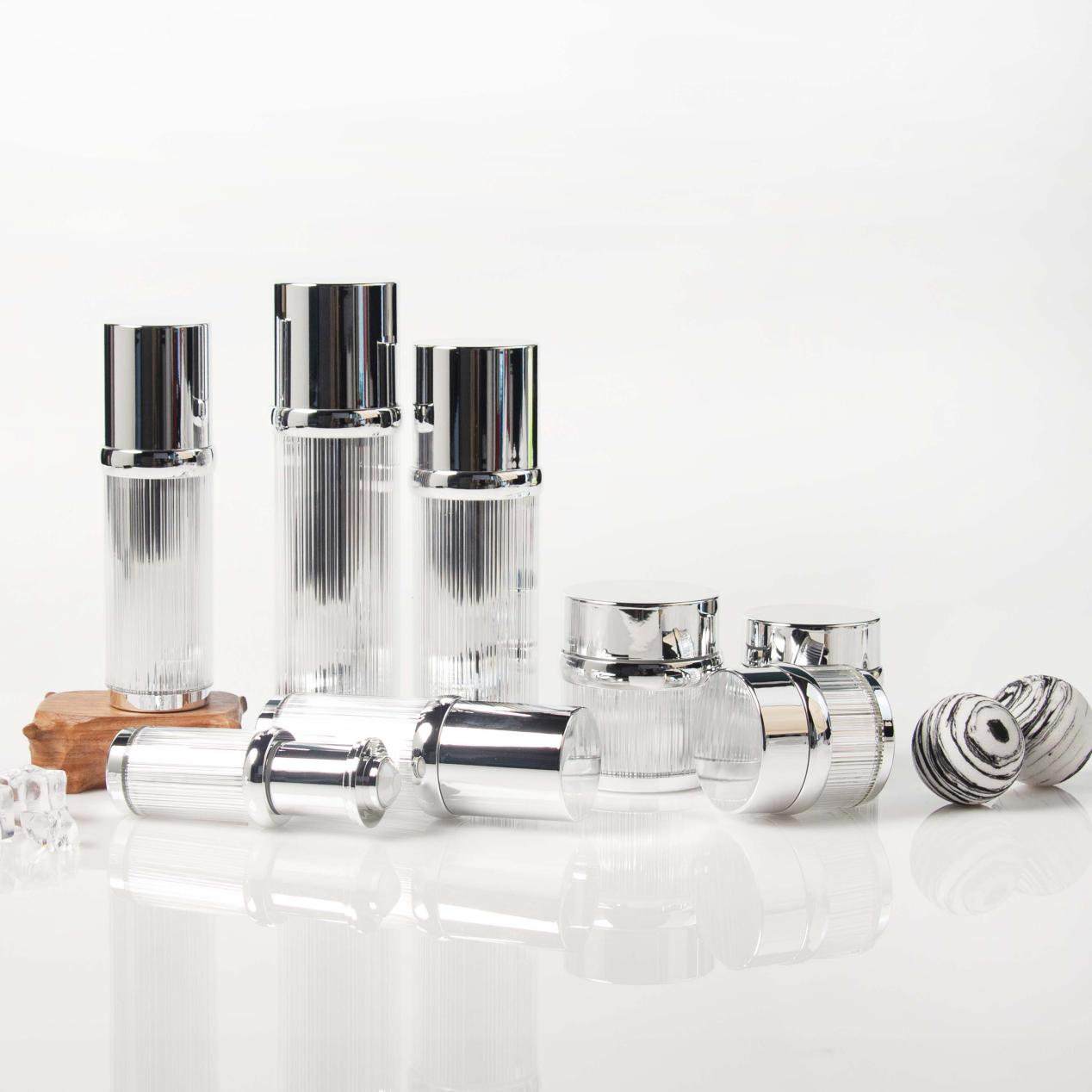
A Comprehensive Guide to Cosmetic Spray Bottles: Types, Differences, and Expert Buying Recommendations
In the dynamic and competitive landscape of the global skincare and beauty industry, packaging serves as more than just a container—it is a powerful brand ambassador, a functional necessity, and a key driver of consumer satisfaction. Among the diverse range of packaging solutions available, cosmetic spray bottles stand out for their versatility, user-friendliness, and ability to enhance the application experience of a wide array of products. From refreshing facial toners and luxurious body mists to nourishing hair perfumes and targeted serums, spray bottles have become an indispensable choice for beauty brands and consumers alike.
The demand for customizable cosmetic spray bottles has surged in recent years, fueled by evolving consumer preferences, the growth of e-commerce, and the increasing emphasis on personalization and sustainability. International B2B buyers, spanning regions from Africa and South America to the Middle East and Europe, face the challenge of navigating a complex market to find spray bottle solutions that align with their brand identity, product formulations, and target audience needs. This guide is designed to address this challenge by providing a detailed exploration of the various types of cosmetic spray bottles, their key differences, and actionable buying recommendations to empower B2B buyers to make informed decisions.
An Overview of Cosmetic Spray Bottles: Function and Importance
Cosmetic spray bottles are specialized packaging designed to dispense liquid beauty products in a controlled, uniform manner. Unlike traditional bottles with caps or pumps, spray bottles utilize a mechanism that converts liquid into a fine mist, aerosol, or stream, depending on the design. This dispensing method offers several advantages that make it particularly well-suited for cosmetic applications.
First and foremost, spray bottles provide precise dosage control, ensuring that consumers can apply the right amount of product without waste. This is especially critical for high-value formulations such as serums, essential oils, and perfumes, where overuse can be costly or ineffective. Additionally, the misting action of spray bottles promotes even distribution of the product across the skin or hair, enhancing absorption and maximizing the effectiveness of the formulation.
From a branding perspective, cosmetic spray bottles offer ample opportunities for customization. Brands can tailor the size, shape, color, material, and surface finish of the bottle to reflect their unique identity, making their products stand out on crowded retail shelves or e-commerce platforms. The tactile experience of using a spray bottle—from the feel of the trigger to the consistency of the mist—also contributes to the overall consumer experience, fostering brand loyalty and positive product perception.
Furthermore, spray bottles contribute to the hygiene and longevity of cosmetic products. By minimizing direct contact between the consumer’s hands and the product, spray bottles reduce the risk of contamination, which is particularly important for water-based formulations that are prone to bacterial growth. Many spray bottles also feature airtight seals, protecting the product from oxidation and extending its shelf life.
As the beauty industry continues to evolve, the role of cosmetic spray bottles is expanding. With the rise of clean beauty, sustainable packaging, and personalized skincare, spray bottle manufacturers are innovating to meet new demands, such as eco-friendly materials, refillable designs, and customizable spray patterns. This guide will delve into these innovations, as well as the core types and differences of cosmetic spray bottles, to provide B2B buyers with a comprehensive resource for their sourcing needs.
Types of Cosmetic Spray Bottles: Key Characteristics and Differences
Cosmetic spray bottles come in a wide variety of types, each designed to cater to specific product formulations, application methods, and consumer preferences. Understanding the key characteristics, advantages, and limitations of each type is essential for B2B buyers to select the right packaging for their products. The following sections provide a detailed breakdown of the most common types of cosmetic spray bottles, along with a comparative analysis to highlight their differences.
1. Fine Mist Spray Bottles
Fine mist spray bottles are one of the most popular types of cosmetic spray bottles, prized for their ability to dispense a lightweight, uniform mist that feels gentle on the skin and hair. These bottles are designed with a specialized pump mechanism that breaks down the liquid into tiny droplets, creating a fine, even spray that covers a large surface area without leaving streaks or residue.
Key Characteristics
- Capacity Range: Typically 30ml to 200ml, making them suitable for travel-sized products, sample kits, and full-sized formulations for daily use.
- Material Options: Commonly made from PET (Polyethylene Terephthalate), PETG (Polyethylene Terephthalate Glycol-Modified), or PP (Polypropylene). PET is lightweight, shatterproof, and recyclable, making it a cost-effective and eco-friendly choice. PETG offers enhanced clarity and impact resistance, resembling glass, which is ideal for premium products. PP is known for its high chemical resistance, making it suitable for formulations containing alcohol or other harsh ingredients.
- Finish and Customization: Available in a range of finishes, including clear, frosted, and colored. Customization options include silk screening, hot stamping, 3D printing, and labeling, allowing brands to showcase their logos, designs, and product information.
- Spray Mechanism: Features a fine mist pump that delivers droplets ranging in size from 50 to 100 microns. The pump is designed to require minimal pressure, ensuring a smooth, effortless spraying experience.
Primary Applications
Fine mist spray bottles are ideal for a wide range of cosmetic products, including:
- Facial toners and mists: The fine mist hydrates the skin without disturbing makeup, making it a popular choice for on-the-go refreshing.
- Body mists and fragrances: The even distribution of the mist ensures that the scent is applied evenly and lasts longer.
- Hair perfumes and detanglers: The lightweight mist coats the hair without weighing it down, leaving it smelling fresh and manageable.
- Setting sprays: The fine mist helps set makeup, providing a long-lasting, matte or dewy finish.
Pros and Cons
| Pros | Cons |
| Delivers a smooth, even mist that enhances product absorption | Higher minimum order quantities (MOQs) for customization, often ranging from 5,000 to 10,000 units |
| Minimal product waste due to precise dosage control | May not be suitable for thick formulations, such as creams or lotions, which can clog the pump |
| Lightweight and portable, making them ideal for travel and on-the-go use | Lower durability compared to trigger spray bottles, as the fine mist pump is more delicate |
| Versatile customization options to align with brand identity | Higher cost per unit compared to basic plastic bottles without spray mechanisms |
2. Trigger Spray Bottles
Trigger spray bottles, also known as pump spray bottles, are characterized by their ergonomic trigger mechanism and larger capacity, making them suitable for products that require more frequent or generous application. These bottles are designed with a robust pump that is activated by squeezing the trigger, delivering a more powerful spray than fine mist bottles. The spray can be adjusted to produce a stream, mist, or foam, depending on the needs of the product.
Key Characteristics
- Capacity Range: Typically 100ml to 750ml, with some industrial-sized options available up to 1 liter. The larger capacity makes them ideal for home use, salon products, and bulk formulations.
- Material Options: Most commonly made from HDPE (High-Density Polyethylene) or PET. HDPE is durable, chemical-resistant, and cost-effective, making it suitable for cleaning products, hair care, and body sprays. PET is lightweight and recyclable, making it a good choice for premium formulations that require a more attractive appearance.
- Finish and Customization: Available in opaque or translucent finishes, with customization options including color matching, silk screening, and labeling. The trigger and nozzle can also be customized to match the brand’s aesthetic.
- Spray Mechanism: Features a trigger-activated pump that delivers a spray with adjustable intensity. The nozzle can be rotated to switch between mist, stream, and off positions, providing versatility in application. The trigger is designed to be ergonomic, reducing hand fatigue during repeated use.
Primary Applications
Trigger spray bottles are commonly used for:
- Hair care products: Such as leave-in conditioners, heat protectants, and styling sprays, where a generous, even application is needed.
- Body care products: Including body washes, lotions, and self-tanners, where the spray can cover large areas of the skin quickly.
- Cleaning and sanitizing products: Although not strictly cosmetic, many beauty brands offer cleaning sprays for makeup brushes, tools, and surfaces, which utilize trigger spray bottles for easy application.
- Salon and professional products: Where durability and high-volume dispensing are essential for daily use.
Pros and Cons
| Pros | Cons |
| Robust and durable design, suitable for frequent use | Bulkier and heavier than fine mist bottles, making them less portable for travel |
| Versatile spray options (mist, stream, foam) to cater to different product needs | May not be suitable for small-sized products or sample kits due to their larger size |
| Ergonomic trigger mechanism reduces hand fatigue during extended use | Limited transparency compared to PET or PETG bottles, which may be a disadvantage for brands wanting to showcase the product color |
| Lower cost per unit for larger capacities, making them cost-effective for bulk formulations | Customization options may be more limited compared to fine mist bottles, especially for small MOQs |
3. Travel-Sized Spray Bottles
Travel-sized spray bottles are specifically designed for portability, catering to consumers who want to take their favorite cosmetic products on the go. These bottles are compact, lightweight, and compliant with airline regulations for carry-on luggage, making them a popular choice for travel kits, sample giveaways, and promotional products.
Key Characteristics
- Capacity Range: Typically 30ml to 100ml, with most options falling between 50ml and 75ml. This size is ideal for short trips or for trying out new products without committing to a full-sized bottle.
- Material Options: Made from lightweight materials such as PET, PP, or aluminum. PET and PP are shatterproof and recyclable, making them safe for travel. Aluminum is durable and lightweight, with a premium look and feel, but may be more expensive.
- Finish and Customization: Available in clear, frosted, or colored finishes, with customization options including small-scale printing, labeling, and keychain attachments for added portability. Many travel-sized spray bottles also feature leak-proof caps to prevent spills during transit.
- Spray Mechanism: Similar to fine mist spray bottles, with a small, compact pump that delivers a fine mist. The pump is designed to be leak-proof and durable, even when subjected to the rigors of travel.
Primary Applications
Travel-sized spray bottles are used for:
- Travel kits: Including miniaturized versions of facial toners, body mists, perfumes, and hair care products.
- Sample giveaways: Brands often use travel-sized spray bottles to distribute samples of new products, allowing consumers to try before they buy.
- Promotional products: Customized travel-sized spray bottles are a popular promotional item, featuring brand logos and designs to increase brand visibility.
- On-the-go refreshing: Consumers use these bottles to refresh their skin or hair throughout the day, whether at work, the gym, or while traveling.
Pros and Cons
| Pros | Cons |
| Compact and lightweight, compliant with airline carry-on regulations | Limited capacity, which may not be suitable for long-term use or products that require frequent application |
| Leak-proof design prevents spills during travel and storage | May have fewer customization options compared to full-sized bottles, especially for small MOQs |
| Ideal for sample kits and promotional products, helping to increase brand awareness | The small pump mechanism may be less durable than larger spray bottles, with a higher risk of clogging |
| Cost-effective for brands to produce in large quantities for giveaways | May not be suitable for thick formulations, as the small pump can become blocked |
4. Luxury Cosmetic Spray Bottles
Luxury cosmetic spray bottles are designed to cater to high-end beauty brands, emphasizing premium materials, sophisticated designs, and exceptional functionality. These bottles are crafted to reflect the luxury and exclusivity of the products they contain, appealing to consumers who are willing to pay a premium for quality and aesthetics.
Key Characteristics
- Capacity Range: Typically 50ml to 200ml, with a focus on smaller, more 精致 sizes that convey luxury and exclusivity.
- Material Options: Made from premium materials such as PETG, glass, or metal. PETG offers the clarity and appearance of glass with added durability and shatter resistance. Glass is a classic choice for luxury products, providing a high-end look and feel, but is heavier and more fragile. Metal, such as aluminum or stainless steel, is used for its durability and premium finish, often with decorative accents such as gold or silver plating.
- Finish and Customization: Available in a range of high-end finishes, including matte, glossy, metallic, and frosted. Customization options are extensive, including embossing, debossing, 3D printing, hand-painted details, and custom-shaped bottles. Brands can also incorporate unique design elements such as crystal accents, leather wraps, or custom closures to enhance the luxury appeal.
- Spray Mechanism: Features a high-quality pump that delivers a ultra-fine mist, often with a silent or nearly silent operation. The pump is designed to be smooth and effortless, providing a luxurious user experience. Many luxury spray bottles also feature airtight seals to protect the integrity of the product, especially for formulations containing sensitive ingredients such as essential oils or antioxidants.
Primary Applications
Luxury cosmetic spray bottles are used for:
- High-end perfumes and eau de toilette: The premium packaging enhances the perceived value of the fragrance, making it a desirable gift or personal indulgence.
- Luxury skincare products: Such as serums, facial oils, and anti-aging mists, where the packaging reflects the quality and effectiveness of the formulation.
- Exclusive beauty collections: Limited-edition or signature collections often use luxury spray bottles to differentiate themselves from standard product lines.
- Gift sets: Luxury spray bottles are a popular component of gift sets, adding a touch of elegance and sophistication.
Pros and Cons
| Pros | Cons |
| Premium materials and sophisticated designs enhance brand image and perceived value | Higher cost per unit compared to standard spray bottles, which may limit accessibility for budget-conscious brands |
| Extensive customization options allow for unique, eye-catching designs that stand out in the market | May have higher MOQs for custom designs, making them less accessible for small brands or startups |
| High-quality spray mechanisms provide a luxurious user experience, fostering brand loyalty | Glass or metal materials may be heavier and more fragile, increasing shipping costs and the risk of breakage |
| Airtight seals and premium materials protect sensitive formulations, extending product shelf life | Limited capacity options, with a focus on smaller sizes that may not be suitable for all product types |
5. Multi-Functional Spray Bottles
Multi-functional spray bottles are designed to accommodate a variety of liquid formulations, offering versatility in application and use. These bottles feature adjustable spray mechanisms or interchangeable nozzles, allowing them to dispense different types of products, from thin mists to thick creams, with ease.
Key Characteristics
- Capacity Range: Typically 100ml to 500ml, with a focus on medium-sized bottles that are suitable for multiple uses.
- Material Options: Made from durable materials such as HDPE, PP, or PETG. HDPE and PP are chemical-resistant and durable, making them suitable for a wide range of formulations. PETG offers clarity and impact resistance, making it a good choice for products where visibility of the liquid is important.
- Finish and Customization: Available in clear, opaque, or colored finishes, with customization options including labeling, silk screening, and color matching. Many multi-functional spray bottles feature a modular design, allowing brands to customize the nozzle or pump to match the product’s specific needs.
- Spray Mechanism: Features an adjustable or interchangeable spray mechanism that can be modified to deliver a mist, stream, foam, or gel. The nozzle may have multiple settings, allowing consumers to switch between application modes depending on the product. Some multi-functional spray bottles also feature a lockable mechanism to prevent accidental spraying during storage or travel.
Primary Applications
Multi-functional spray bottles are used for:
- Spa and wellness products: Such as essential oil sprays, aromatherapy mists, and body lotions, where the same bottle can be used for different formulations.
- Home and personal care products: Including cleaning sprays, air fresheners, and hair care products, where versatility in application is important.
- Multi-purpose beauty products: Brands may offer a single bottle that can be used for multiple purposes, such as a facial mist that doubles as a setting spray or a hair detangler that also conditions.
- Professional products: Salons and spas often use multi-functional spray bottles to streamline their product inventory, as a single bottle can be used for multiple treatments.
Pros and Cons
| Pros | Cons |
| Versatile design accommodates a wide range of formulations, reducing the need for multiple bottle types | More complex design may increase production time and cost compared to standard spray bottles |
| Adjustable spray mechanisms provide flexibility in application, catering to different consumer needs | May be more difficult to clean and maintain due to the modular design, increasing the risk of cross-contamination between products |
| Modular design allows for easy customization of the nozzle or pump to match specific product requirements | May have a higher learning curve for consumers, who need to understand how to adjust the spray settings |
| Reduces inventory costs for brands, as a single bottle type can be used for multiple products | May not be suitable for highly specialized formulations that require a specific spray pattern or dosage |
Comparative Analysis of Cosmetic Spray Bottle Types
To help B2B buyers make informed decisions, the following table provides a side-by-side comparison of the five main types of cosmetic spray bottles, highlighting their key differences in capacity, material, spray mechanism, customization, applications, pros, and cons.
| Type | Capacity Range | Common Materials | Spray Mechanism | Customization Options | Primary Applications | Key Pros | Key Cons |
| Fine Mist Spray Bottles | 30ml – 200ml | PET, PETG, PP | Fine mist pump (50-100 microns) | Silk screening, hot stamping, 3D printing, clear/frosted/colored finishes | Toners, body mists, hair perfumes, setting sprays | Smooth, even mist; minimal waste; lightweight; portable | Higher MOQs for customization; not suitable for thick formulations; less durable |
| Trigger Spray Bottles | 100ml – 750ml | HDPE, PET | Trigger-activated pump (adjustable mist/stream/foam) | Color matching, silk screening, labeling | Hair care, body sprays, cleaning products, salon products | Durable; versatile spray options; ergonomic; cost-effective for bulk | Bulkier; less portable; limited transparency; fewer customization options |
| Travel-Sized Spray Bottles | 30ml – 100ml | PET, PP, aluminum | Compact fine mist pump (leak-proof) | Small-scale printing, labeling, keychain attachments | Travel kits, samples, promotional products | Compact; lightweight; leak-proof; airline-compliant | Limited capacity; fewer customization options; less durable pump |
| Luxury Cosmetic Spray Bottles | 50ml – 200ml | PETG, glass, metal | High-quality ultra-fine mist pump (airtight seal) | Embossing, debossing, 3D printing, hand-painted details, custom shapes | Perfumes, luxury skincare, exclusive collections, gift sets | Premium materials; sophisticated design; enhances brand image; protects sensitive formulations | Higher cost; higher MOQs; heavier/fragile; limited capacity options |
| Multi-Functional Spray Bottles | 100ml – 500ml | HDPE, PP, PETG | Adjustable/interchangeable nozzle (mist/stream/foam/gel) | Labeling, silk screening, color matching, modular design | Spa products, home care, multi-purpose beauty products, professional use | Versatile; accommodates multiple formulations; reduces inventory costs | Complex design; higher production cost; harder to clean; learning curve for consumers |
Key Factors to Consider When Buying Cosmetic Spray Bottles
Selecting the right cosmetic spray bottle requires careful consideration of several key factors, including product compatibility, target market preferences, customization needs, quality and durability, cost, and sustainability. B2B buyers must evaluate these factors to ensure that the chosen spray bottle aligns with their brand objectives, product requirements, and budget constraints. The following sections provide a detailed breakdown of each factor, along with expert recommendations to guide the buying process.
1. Product Compatibility
The first and most critical factor to consider when buying cosmetic spray bottles is product compatibility. The spray bottle must be able to safely hold and dispense the specific formulation without reacting with the product, causing leakage, or compromising its integrity.
Formulation Type
Different cosmetic formulations have unique properties that require specific packaging materials and spray mechanisms. For example:
- Water-based formulations: Such as toners, mists, and lightweight serums, are compatible with most materials, including PET, PETG, PP, and HDPE. Fine mist spray bottles are ideal for these products, as they deliver a lightweight mist that absorbs quickly into the skin.
- Oil-based formulations: Including facial oils, body oils, and perfumes, require materials that are resistant to oil absorption and leakage. PETG, glass, and HDPE are good choices for oil-based products, as they are less permeable and can withstand the viscosity of the oil. Trigger spray bottles or luxury spray bottles with airtight seals are recommended to prevent leakage and oxidation.
- Alcohol-based formulations: Such as sanitizing sprays, hair perfumes, and some toners, require materials that are chemical-resistant to avoid degradation. PP and HDPE are highly resistant to alcohol and other harsh chemicals, making them suitable for these products. Fine mist spray bottles with PP pumps are ideal for alcohol-based formulations, as they can handle the thin consistency and prevent clogging.
- Thick formulations: Including creams, lotions, and gels, require spray bottles with larger nozzles and more powerful pumps to avoid clogging. Trigger spray bottles with adjustable nozzles or multi-functional spray bottles are recommended for thick formulations, as they can dispense the product in a stream or foam.
Chemical Compatibility
It is essential to ensure that the material of the spray bottle does not react with the ingredients in the formulation. For example, some plastics may leach chemicals into the product over time, especially when in contact with acidic or alkaline ingredients. To avoid this, B2B buyers should request material safety data sheets (MSDS) from suppliers and conduct compatibility testing before placing a large order.
Leakage Prevention
Leakage is a common issue with cosmetic spray bottles, especially for travel-sized or portable products. To prevent leakage, buyers should look for spray bottles with airtight seals, leak-proof caps, and high-quality pumps. It is also important to test the spray bottle with the actual formulation to ensure that it does not leak under different conditions, such as changes in temperature or pressure during shipping.
2. Target Market Preferences
Understanding the preferences of the target market is crucial for selecting a spray bottle that resonates with consumers. Different regions, age groups, and demographic segments have unique preferences when it comes to packaging design, functionality, and sustainability.
Regional Preferences
- Europe: Consumers in Europe prioritize sustainability and eco-friendly packaging. B2B buyers targeting this region should look for spray bottles made from recyclable materials such as PET, PP, or glass, with refillable or reusable designs. Minimalist, sleek designs are also popular in Europe, with a focus on transparency and natural finishes.
- North America: Consumers in North America value convenience, portability, and customization. Travel-sized spray bottles, multi-functional designs, and bottles with unique shapes or colors are popular in this market. Sustainability is also a growing concern, with an increasing demand for recyclable and biodegradable materials.
- Asia: Consumers in Asia, particularly in countries like Japan and South Korea, prioritize aesthetics and innovation. Luxury spray bottles with unique designs, decorative elements, and advanced functionality are highly sought after. Clear or frosted finishes that showcase the product color are also popular, as well as small-sized bottles for on-the-go use.
- Africa and South America: Consumers in these regions are often price-sensitive, with a focus on affordability and durability. B2B buyers targeting these markets should look for cost-effective spray bottles made from durable materials such as HDPE or PP, with simple, functional designs. Large-capacity trigger spray bottles are also popular for family-sized products.
- Middle East: Consumers in the Middle East prefer luxury and opulence, with a focus on gold, silver, and metallic finishes. Luxury spray bottles made from glass or metal, with intricate designs and custom closures, are highly desirable. Large-capacity bottles are also popular for gifting purposes.
Demographic Preferences
- Millennials and Gen Z: These age groups prioritize sustainability, personalization, and social media appeal. Spray bottles with unique designs, customizable labels, and eco-friendly materials are popular among millennials and Gen Z. Travel-sized and portable bottles are also in high demand, as these consumers value on-the-go convenience.
- Baby Boomers: Baby boomers prioritize functionality, durability, and ease of use. Trigger spray bottles with ergonomic designs and large, easy-to-read labels are popular among this demographic. They also value products that offer good value for money, so cost-effective, large-capacity bottles are a good choice.
- Luxury Consumers: Luxury consumers are willing to pay a premium for high-quality, exclusive packaging. Luxury spray bottles made from premium materials such as glass, metal, or PETG, with custom designs and limited-edition details, are highly desirable. These consumers also value the tactile experience of using the product, so a smooth, effortless spray mechanism is essential.
3. Customization Needs
Customization is a key differentiator in the cosmetic industry, allowing brands to create a unique identity and stand out from competitors. B2B buyers should consider their customization needs when selecting a spray bottle, including design, color, labeling, and branding options.
Design Customization
Design customization includes the shape, size, and overall aesthetic of the spray bottle. Brands can choose from standard shapes or create custom-shaped bottles to reflect their brand identity. For example, a brand focused on natural skincare may opt for a curved, organic-shaped bottle, while a luxury brand may choose a sleek, geometric design.
Color Customization
Color customization allows brands to match the spray bottle to their brand colors or product theme. Most spray bottle manufacturers offer color matching services, using Pantone or other color systems to ensure accuracy. Colored bottles can also be used to differentiate product lines or highlight specific features, such as a green bottle for eco-friendly products or a pink bottle for feminine formulations.
Surface Treatment and Labeling
Surface treatment options include silk screening, hot stamping, 3D printing, embossing, debossing, and frosting. These techniques allow brands to add logos, product information, and decorative elements to the spray bottle. Labeling options include adhesive labels, shrink sleeves, and in-mold labeling, which provides a seamless, high-quality finish.
MOQ for Customization
It is important to consider the minimum order quantity (MOQ) for customization, as many manufacturers require a certain number of units to justify the cost of custom molds, tools, or printing. B2B buyers should inquire about the MOQ for different customization options and negotiate with suppliers to find a solution that fits their budget and production needs. For small brands or startups with limited budgets, it may be more cost-effective to start with standard designs and add custom labels or surface treatments, rather than investing in custom-shaped bottles.
4. Quality and Durability
The quality and durability of the spray bottle are essential for ensuring customer satisfaction and protecting the brand reputation. A low-quality spray bottle that breaks, leaks, or malfunctions can lead to negative reviews, returns, and loss of customer trust.
Material Quality
The quality of the material used to make the spray bottle directly impacts its durability and performance. B2B buyers should look for suppliers that use high-quality, food-grade plastics or glass that are free from harmful chemicals such as BPA. It is also important to ensure that the material is thick enough to withstand the rigors of shipping and daily use, without cracking or breaking.
Spray Mechanism Quality
The spray mechanism is the most critical component of the spray bottle, as it directly affects the user experience. A high-quality spray mechanism should deliver a consistent, even spray with minimal effort, and should be durable enough to withstand repeated use. B2B buyers should test the spray mechanism before placing a large order, checking for issues such as clogging, leaking, or inconsistent spray patterns.
Quality Control Processes
Suppliers with robust quality control processes are more likely to deliver consistent, high-quality products. B2B buyers should inquire about the supplier’s quality control measures, including incoming material inspections, in-process testing, and final product inspections. It is also beneficial to request samples and conduct third-party testing to verify the quality of the spray bottle.
Certifications
Certifications such as ISO 9001 (quality management system), FDA (Food and Drug Administration) approval, and CE (Conformité Européenne) marking are indicators of a supplier’s commitment to quality and compliance. B2B buyers should prioritize suppliers with these certifications, as they ensure that the spray bottle meets international standards for safety and quality.
5. Cost and Budget
Cost is a key consideration for B2B buyers, especially for small brands or startups with limited budgets. It is important to balance cost with quality, ensuring that the chosen spray bottle meets the product’s needs without exceeding the budget.
Cost Components
The cost of cosmetic spray bottles includes several components, including:
- Material Cost: The cost of the raw material, which varies depending on the type of plastic or glass used. PET and HDPE are generally more cost-effective, while PETG, glass, and metal are more expensive.
- Manufacturing Cost: The cost of producing the bottle, including molding, assembly, and surface treatment. Custom designs or complex manufacturing processes may increase the manufacturing cost.
- Tooling Cost: The cost of creating custom molds or tools for unique designs, which is often amortized over the order quantity. Suppliers may charge a one-time tooling fee for custom-shaped bottles or complex surface treatments.
- Logistics Cost: The cost of shipping the spray bottles from the manufacturer to the buyer’s location, which varies depending on the distance, order quantity, and shipping method.
MOQ and Bulk Discounts
Most suppliers offer bulk discounts for larger order quantities, so B2B buyers should consider their production needs and order in bulk to reduce the per-unit cost. However, it is important to balance the benefits of bulk discounts with the risk of overstocking, especially for new products or brands with uncertain demand.
Total Cost of Ownership
The total cost of ownership (TCO) includes not only the initial cost of the spray bottle but also additional costs such as storage, handling, and potential returns due to quality issues. B2B buyers should consider the TCO when evaluating different suppliers, as a cheaper initial cost may be offset by higher storage or return costs.
6. Sustainability
Sustainability is an increasingly important factor in the cosmetic industry, with consumers and regulators placing greater emphasis on eco-friendly packaging. B2B buyers should consider the environmental impact of the spray bottle, including material choice, recyclability, and reusability.
Material Sustainability
The choice of material has a significant impact on the environmental footprint of the spray bottle. B2B buyers should prioritize materials that are recyclable, biodegradable, or made from recycled content. PET, PP, and HDPE are all highly recyclable, while glass is infinitely recyclable. Aluminum is also recyclable and has a lower carbon footprint than many plastics.
Recyclability
It is important to ensure that the spray bottle is easily recyclable, with clear recycling instructions for consumers. B2B buyers should look for suppliers that use materials that are accepted by most recycling programs, and avoid materials that are difficult to recycle, such as mixed plastics or plastic with non-recyclable components.
Reusability and Refillability
Reusable and refillable spray bottles are becoming increasingly popular, as they reduce waste and offer consumers a more sustainable option. B2B buyers should consider offering refillable spray bottles, either as part of a subscription service or as a standalone product. Refillable bottles can also help to build brand loyalty, as consumers are more likely to return to the brand for refills.
Environmental Certifications
Suppliers with environmental certifications such as ISO 14001 (environmental management system) or B Corp certification are committed to reducing their environmental impact. B2B buyers should prioritize these suppliers, as they ensure that the spray bottle is produced in an environmentally responsible manner.
Expert Buying Recommendations for B2B Buyers
Based on the above analysis of cosmetic spray bottle types, key factors, and market trends, the following are expert recommendations for B2B buyers looking to source high-quality, effective spray bottles for their cosmetic products:
1. Conduct Thorough Supplier Vetting
- Research Supplier Reputation: Look for suppliers with a proven track record of delivering high-quality cosmetic spray bottles. Check online reviews, testimonials, and references from other B2B buyers to verify the supplier’s reliability and customer service.
- Evaluate Manufacturing Capabilities: Ensure that the supplier has the manufacturing capabilities to meet your specific needs, including customization options, MOQs, and production lead times. Request information about the supplier’s production facilities, equipment, and quality control processes.
- Verify Certifications: Prioritize suppliers with relevant certifications such as ISO 9001, FDA approval, and CE marking, which indicate compliance with international quality and safety standards.
- Request Samples: Always request samples of the spray bottle before placing a large order. Test the samples for compatibility with your product formulation, spray performance, leakage prevention, and durability.
2. Align with Product and Brand Objectives
- Match the Spray Bottle to the Formulation: Select a spray bottle type and material that is compatible with your product’s formulation, ensuring that it can safely hold and dispense the product without compromising its integrity.
- Reflect Brand Identity: Use customization options to align the spray bottle with your brand identity, including color, design, and surface treatment. The spray bottle should reflect the brand’s values, whether it is luxury, eco-friendly, or playful.
- Consider Target Market Preferences: Tailor the spray bottle to the preferences of your target market, including regional and demographic preferences. For example, if targeting Europe, prioritize sustainable materials and minimalist designs; if targeting Asia, focus on aesthetics and innovation.
3. Balance Quality and Cost
- Invest in Quality: While cost is important, it is essential to invest in high-quality spray bottles to ensure customer satisfaction and protect the brand reputation. A low-quality spray bottle that malfunctions can lead to returns, negative reviews, and loss of sales.
- Negotiate with Suppliers: Negotiate with suppliers to get the best possible price, including bulk discounts, reduced MOQs, and favorable payment terms. Be transparent about your budget and production needs to find a mutually beneficial solution.
- Consider Total Cost of Ownership: Evaluate the total cost of ownership, including material cost, manufacturing cost, logistics cost, and potential return costs. A slightly higher initial cost may be worth it if the spray bottle is more durable and has a lower TCO.
4. Prioritize Sustainability
- Choose Eco-Friendly Materials: Select spray bottles made from recyclable, biodegradable, or recycled materials to reduce the environmental impact. PET, PP, HDPE, glass, and aluminum are all good choices for sustainable packaging.
- Offer Refillable Options: Consider offering refillable spray bottles to reduce waste and build brand loyalty. Refillable bottles can also help to differentiate your brand in a crowded market.
- Work with Sustainable Suppliers: Partner with suppliers that are committed to sustainability, including those with environmental certifications and eco-friendly manufacturing processes.
5. Stay Ahead of Market Trends
- Embrace Innovation: Keep up with the latest trends in cosmetic packaging, including advanced spray mechanisms, smart packaging, and sustainable materials. Innovations such as 3D printing for custom designs, airless spray bottles for product preservation, and biodegradable plastics can help to differentiate your brand.
- Anticipate Consumer Needs: Anticipate the changing needs of consumers, such as the growing demand for portability, personalization, and sustainability. By staying ahead of these trends, you can ensure that your spray bottle remains relevant and appealing to consumers.
- Adapt to Regulatory Changes: Stay informed about regulatory changes related to cosmetic packaging, including restrictions on certain materials or requirements for recycling labels. Compliance with regulations is essential for avoiding fines and protecting the brand reputation.
Conclusion
Cosmetic spray bottles are a versatile and essential packaging solution for the skincare and beauty industry, offering precise dosage control, even product distribution, and ample opportunities for branding and customization. With a wide range of types available, including fine mist, trigger, travel-sized, luxury, and multi-functional spray bottles, B2B buyers have the flexibility to select the perfect packaging for their specific product formulations and target market needs.
When buying cosmetic spray bottles, B2B buyers must consider several key factors, including product compatibility, target market preferences, customization needs, quality and durability, cost, and sustainability. By conducting thorough supplier vetting, aligning with product and brand objectives, balancing quality and cost, prioritizing sustainability, and staying ahead of market trends, B2B buyers can make informed decisions that enhance their product offerings and strengthen their brand position.
As the beauty industry continues to evolve, the demand for innovative, sustainable, and personalized cosmetic spray bottles will only grow. By investing in high-quality, effective spray bottles that meet the needs of consumers and align with brand values, B2B buyers can position themselves for success in a competitive and dynamic market.
Would you like me to create a detailed supplier comparison table that includes contact information, MOQs, customization capabilities, and sustainability credentials for the top 10 cosmetic spray bottle manufacturers? This table would help you streamline your sourcing process and make direct comparisons between potential suppliers.