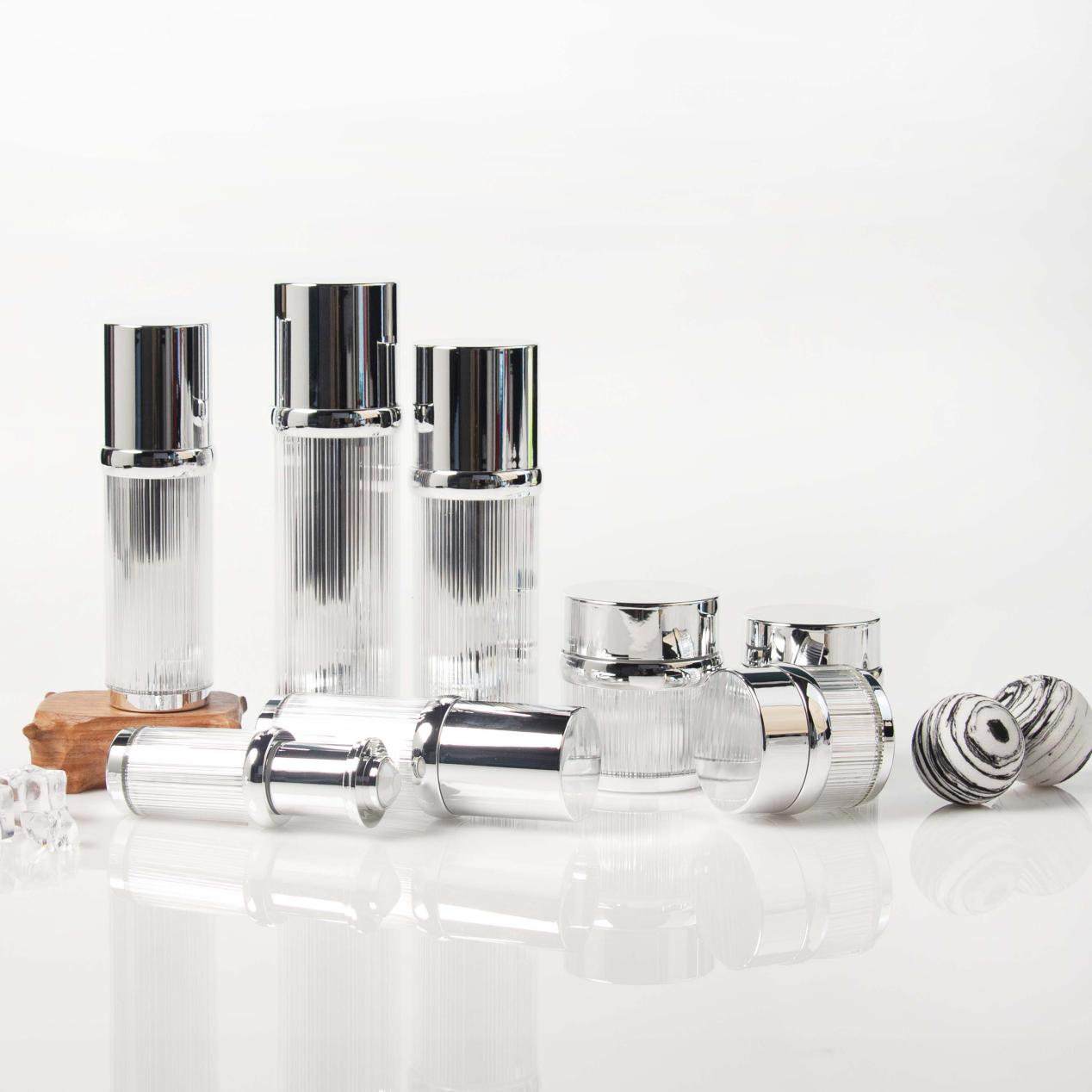
Face Cream Jar Packaging: The Definitive B2B Sourcing Guide for Global Cosmetic Brands
Introduction: Navigating the Complexities of Global B2B Sourcing for Face Cream Jars
In the fast-paced and fiercely competitive cosmetic industry, packaging serves as more than just a container—it is a powerful branding tool, a protector of product integrity, and a key driver of consumer purchasing decisions. Among the diverse range of cosmetic packaging solutions available, face cream jars with electroplated lids have emerged as a preferred choice for B2B buyers across the globe. These jars combine aesthetic elegance with functional reliability, making them ideal for premium skincare lines, luxury cosmetics, and even pharmaceutical dermatological products.
The global market for face cream jar packaging with electroplated lids is witnessing significant growth, fueled by rising consumer demand for high-quality, visually appealing skincare products. Markets in Africa, South America, the Middle East, and Europe are particularly dynamic, each with unique preferences, regulatory requirements, and logistical considerations. For international B2B buyers, sourcing these jars presents both exciting opportunities and complex challenges. From understanding the diverse types and materials of jars to vetting reliable suppliers, managing minimum order quantities (MOQs), and navigating cost and logistics, every step of the sourcing process requires careful planning and informed decision-making.
This comprehensive guide is designed to empower B2B buyers with the knowledge and tools needed to navigate the global market for face cream jars with electroplated lids. We will explore every critical aspect of the sourcing journey, including product types and variations, industrial applications, material selection, manufacturing processes, quality assurance, cost analysis, and market trends. Additionally, we will address common pain points faced by buyers and provide actionable solutions to ensure a smooth and successful sourcing experience. Whether you are a new entrant to the cosmetic industry or an established brand looking to upgrade your packaging, this guide will serve as your ultimate resource for mastering B2B sourcing of face cream jars with electroplated lids.
1. Understanding Face Cream Jar Packaging with Electroplated Lids: Types and Variations
Face cream jars with electroplated lids come in a wide array of types, each designed to cater to specific brand needs, product requirements, and target market preferences. The choice of jar type can significantly impact brand perception, product functionality, and overall sourcing costs. Below is a detailed breakdown of the most common types of face cream jars with electroplated lids, their key features, applications, and pros and cons for B2B buyers.
1.1 Comprehensive Comparison of Jar Types
| Type Name | Key Distinguishing Features | Primary B2B Applications | Pros for Buyers | Cons for Buyers |
| Frosted Glass Jar with Electroplated Lid | Elegant frosted surface finish, metallic electroplated cap (gold, silver, rose gold), impermeable material, UV protection properties | High-end skincare brands, luxury cosmetic lines, premium serums and moisturizers | – Premium, luxurious aesthetic that elevates brand image- Excellent UV protection to preserve product integrity- Non-reactive material that does not interact with skincare formulations- Recyclable and eco-friendly option- Timeless design that appeals to affluent consumers | – Heavier than plastic alternatives, increasing shipping costs- Fragile, requiring additional protective packaging during transit- Higher material and production costs compared to plastic jars- Limited flexibility in shaping and customization |
| Acrylic Jar with Electroplated Lid | Lightweight, high-gloss finish, shatter-resistant, transparent or semi-transparent options | Mid-range skincare brands, mass-market premium products, e-commerce exclusive lines | – Cost-effective compared to glass, offering luxury look at lower price- Lightweight, reducing shipping and logistics expenses- Shatter-resistant, minimizing damage risks during transportation- Versatile in design—can be molded into various shapes and sizes- Easy to customize with colors, finishes, and branding | – Less durable than glass; prone to scratching over time- May react with certain skincare ingredients (e.g., high-alcohol formulations)- Lower perceived value compared to glass in luxury markets- Not fully recyclable in all regions, limiting sustainability credentials |
| PET Jar with Electroplated Lid | Clear or colored plastic material, lightweight, recyclable, impact-resistant, excellent product visibility | Mass-market cosmetics, environmentally conscious brands, drugstore skincare lines | – Highly cost-effective, ideal for large-volume orders- Lightweight and durable, reducing shipping costs and breakage risks- Recyclable, aligning with global sustainability trends- Clear variants showcase product color and texture, enhancing shelf appeal- Resistant to moisture and chemical interactions with most formulations | – Less premium aesthetic compared to glass and acrylic- May yellow over time with exposure to sunlight- Limited customization in terms of finishes (e.g., frosted or textured looks)- Lower barrier protection against UV light compared to glass |
| Customized Square Jar with Electroplated Lid | Unique geometric square shape, customizable dimensions, tailored branding options (embossing, debossing, logo printing), electroplated lid in matching or contrasting colors | Niche brands, artisanal skincare lines, limited-edition products, luxury gift sets | – Standout shelf presence due to non-traditional shape- Fully customizable to align with brand identity and unique product needs- Enhances brand differentiation in crowded markets- Appeals to consumers seeking exclusive, premium products- Can be designed with multiple compartments for combination products | – Higher minimum order quantities (MOQs) due to custom tooling- Longer lead times for production and design finalization- Increased production costs compared to standard round jars- May require specialized packaging for shipping due to angular shape |
| Multi-layer Jar with Electroplated Lid | Dual or triple compartments for separate product formulations (e.g., cream and serum, day and night cream), airtight seals for each compartment, electroplated lid with secure closure | Skincare lines offering combination products, multi-step skincare kits, travel-sized sets | – Maximizes functionality by housing multiple products in one jar- Convenient for consumers, enhancing user experience- Innovative design that differentiates brands from competitors- Reduces packaging waste by combining multiple products- Ideal for travel and on-the-go use, appealing to busy consumers | – Complex production process leading to higher costs- Heavier than single-compartment jars- Larger size may increase shipping and storage costs- Requires precise engineering to ensure airtight seals for each compartment- Higher MOQs due to specialized manufacturing |
| Matte Finish Plastic Jar with Electroplated Lid | Matte surface texture (PP or ABS material), electroplated lid with metallic sheen, lightweight, impact-resistant | Modern skincare brands, minimalist aesthetics, eco-friendly product lines | – Trendy, contemporary look that appeals to younger consumers- Lightweight and durable, suitable for e-commerce shipping- Lower cost than glass with similar premium feel- Resistant to fingerprints and smudges, maintaining clean appearance- Customizable with matte colors and logo printing | – Less scratch-resistant than glass or acrylic- May not offer the same level of UV protection as glass- Limited color options for matte finishes in some regions- Perceived value lower than frosted glass in luxury segments |
1.2 Detailed Analysis of Key Jar Types
1.2.1 Frosted Glass Jars with Electroplated Lids
Frosted glass jars with electroplated lids are synonymous with luxury and quality in the cosmetic industry. The frosted finish not only adds a sophisticated, elegant touch but also serves a functional purpose by protecting the product inside from harmful UV rays. This is particularly crucial for skincare products containing active ingredients such as retinol, vitamin C, and hyaluronic acid, which can degrade when exposed to sunlight.
For B2B buyers targeting high-end markets in Europe, the Middle East, and North America, frosted glass jars are an excellent choice. They convey a sense of exclusivity and premium quality that resonates with affluent consumers willing to pay a premium for luxury skincare. The electroplated lid, available in finishes like gold, silver, and rose gold, further enhances the luxurious appeal, making the product stand out on retail shelves and in online marketplaces.
However, buyers must be mindful of the limitations of frosted glass. Its weight and fragility can significantly increase shipping costs, especially for international orders to regions like Africa and South America, where logistics infrastructure may be less developed. Additionally, the higher production costs of glass mean that frosted glass jars are not ideal for budget-conscious brands or mass-market products. To mitigate these challenges, buyers can negotiate bulk shipping rates, invest in protective packaging materials, and partner with suppliers who offer competitive pricing for large orders.
1.2.2 Acrylic Jars with Electroplated Lids
Acrylic jars with electroplated lids strike a balance between aesthetics, functionality, and cost-effectiveness, making them a popular choice for mid-range skincare brands. Acrylic offers the clarity and high-gloss finish of glass but at a fraction of the weight and cost. This makes acrylic jars ideal for brands looking to offer a premium look without the premium price tag.
One of the key advantages of acrylic is its versatility in design. It can be molded into various shapes and sizes, from traditional round jars to unique oval or hexagonal designs, allowing brands to customize their packaging to align with their brand identity. The electroplated lid adds a touch of luxury, elevating the overall appearance of the jar and making it competitive with higher-priced glass options.
Acrylic jars are particularly well-suited for e-commerce brands, as their lightweight nature reduces shipping costs and their shatter-resistant properties minimize the risk of damage during transit. They are also a good choice for brands targeting younger consumers in emerging markets, where price sensitivity is higher but aesthetic preferences remain strong.
However, buyers should be aware of acrylic’s limitations. It is more prone to scratching than glass, which can affect the jar’s appearance over time. Additionally, acrylic may interact with certain skincare ingredients, such as high concentrations of alcohol or essential oils, leading to material degradation. To address these issues, buyers can opt for scratch-resistant coatings and work with suppliers to test compatibility with their specific product formulations.
1.2.3 PET Jars with Electroplated Lids
PET (polyethylene terephthalate) jars with electroplated lids are a practical, eco-friendly option for mass-market cosmetic brands and environmentally conscious businesses. PET is a lightweight, durable plastic that is fully recyclable, aligning with the growing global demand for sustainable packaging solutions.
The clear nature of PET allows consumers to see the product inside, which is a significant advantage for skincare brands looking to showcase the color, texture, and consistency of their creams. This transparency can enhance shelf appeal and build consumer trust by providing a clear view of the product. The electroplated lid adds a touch of sophistication, elevating the jar’s appearance beyond standard plastic packaging.
PET jars are ideal for brands operating in price-sensitive markets, such as parts of Africa, South America, and Asia. Their low production and shipping costs make them a cost-effective option for large-volume orders, while their durability ensures that products reach consumers in good condition. Additionally, PET’s resistance to moisture and chemical interactions makes it suitable for a wide range of skincare formulations, from basic moisturizers to anti-aging creams.
Despite their advantages, PET jars have some limitations. They lack the premium feel of glass and acrylic, which may make them less suitable for luxury brands. Additionally, PET can yellow over time with exposure to sunlight, which can affect the product’s appearance. To overcome these challenges, brands can opt for colored PET jars or add UV protection coatings, and pair them with high-quality electroplated lids to enhance perceived value.
1.2.4 Customized Square Jars with Electroplated Lids
Customized square jars with electroplated lids are designed for brands looking to make a bold statement in the market. Their unique geometric shape sets them apart from traditional round jars, giving brands a competitive edge in crowded retail environments. These jars are fully customizable, allowing brands to tailor dimensions, finishes, and branding to their specific needs.
For niche brands, artisanal skincare lines, and limited-edition products, customized square jars are an excellent choice. They allow brands to express their unique identity and create a memorable packaging experience for consumers. The electroplated lid, when matched with the square shape, adds a touch of luxury and exclusivity, making the product ideal for gift sets and premium collections.
However, the customization of square jars comes with certain trade-offs. The need for custom tooling and molds means that MOQs are typically higher than for standard jars, which can be a barrier for small brands or those looking to test new products. Additionally, the production process for square jars is more complex, leading to longer lead times and higher costs. To address these issues, brands can partner with suppliers who specialize in custom packaging and negotiate flexible MOQ options for pilot runs or initial orders.
1.2.5 Multi-layer Jars with Electroplated Lids
Multi-layer jars with electroplated lids are a innovative solution for brands offering combination skincare products. These jars feature two or more separate compartments, allowing brands to package multiple products (such as day cream and night cream, cream and serum, or moisturizer and eye cream) in a single container. This not only enhances convenience for consumers but also reduces packaging waste and shipping costs.
The electroplated lid of multi-layer jars provides a secure, airtight seal for each compartment, ensuring that products remain fresh and free from contamination. The innovative design appeals to consumers seeking efficient, multi-step skincare solutions, making these jars ideal for brands targeting busy professionals and skincare enthusiasts.
Multi-layer jars are particularly well-suited for luxury skincare lines and travel-sized sets. Their compact design makes them convenient for on-the-go use, while their premium appearance aligns with the expectations of high-end consumers. However, the complex production process of multi-layer jars means that they are more expensive than single-compartment jars, and they require precise engineering to ensure the functionality of each compartment. Buyers should work closely with suppliers to ensure that the jars meet their specific product requirements and quality standards.
2. Key Industrial Applications of Face Cream Jar Packaging with Electroplated Lids
Face cream jars with electroplated lids are versatile packaging solutions that find applications across multiple industries, from cosmetics and skincare to pharmaceuticals and luxury retail. Each industry has unique requirements and expectations for packaging, and understanding these applications is crucial for B2B buyers to select the right jar type and supplier. Below is a detailed exploration of the key industrial applications, along with their specific needs and sourcing considerations.
2.1 Industrial Application Overview
| Industry/Sector | Specific Application | Value/Benefit for the Business | Key Sourcing Considerations |
| Cosmetics and Skincare | Packaging for premium face creams, moisturizers, serums, anti-aging products, and facial masks | – Enhances product appeal and brand perception- Supports premium pricing strategies- Protects active ingredients from UV light and contamination- Builds consumer trust through high-quality packaging | – Customization options (colors, finishes, branding)- Material compatibility with skincare formulations- Minimum order quantities (MOQs)- Compliance with regional cosmetic packaging regulations- Sustainability credentials |
| Luxury Retail | High-end packaging for exclusive skincare lines, limited-edition collections, and gift sets | – Reinforces brand exclusivity and luxury image- Attracts affluent consumers and drives sales- Creates a memorable unboxing experience- Differentiates products from mass-market alternatives | – Aesthetic design (unique shapes, premium finishes)- Use of high-quality materials (glass, acrylic)- Sustainable sourcing and production practices- Customization for branding and personalization- Compliance with luxury retail packaging standards |
| Pharmaceuticals | Packaging for dermatological creams, ointments, prescription skincare products, and medical-grade moisturizers | – Ensures product integrity and safety- Complies with stringent regulatory requirements- Provides tamper-evident and child-resistant features- Protects sensitive pharmaceutical formulations | – Quality certifications (ISO, FDA, CE)- Child-resistant and tamper-evident closures- Material compatibility with pharmaceutical ingredients- Compliance with regional drug packaging regulations- Traceability and documentation |
| E-commerce | Packaging for direct-to-consumer (DTC) skincare brands, online-exclusive lines, and subscription boxes | – Enhances brand visibility in online marketplaces- Ensures product protection during shipping- Reduces shipping costs through lightweight design- Appeals to eco-conscious online consumers | – Shipping durability and breakage resistance- Lightweight materials to minimize logistics costs- Eco-friendly and recyclable packaging options- Branding opportunities (custom labels, inserts)- Compliance with e-commerce packaging standards |
| Spa and Wellness Centers | Packaging for spa-quality face creams, facial treatments, massage oils, and custom-blended skincare products | – Enhances customer experience and perceived value- Reinforces brand loyalty among spa clients- Supports premium pricing for spa services- Provides convenient packaging for in-spa and retail sales | – Custom branding options (logo, spa name, design)- Bulk purchasing options for cost optimization- Durable materials for frequent use- Aesthetic design that aligns with spa ambiance- Flexibility in jar sizes (small for samples, large for retail) |
| Travel and Tourism | Travel-sized face cream jars for hotels, resorts, airlines, and travel retail | – Offers convenience for travelers- Reinforces brand image through premium amenities- Complies with travel size regulations (TSA-approved)- Attracts consumers to full-sized products | – Small capacity (10-50g) to meet travel standards- Lightweight and leak-proof design- Durable materials for transit- Custom branding for hotels and airlines- Cost-effective pricing for bulk orders |
2.2 Detailed Industry Application Analysis
2.2.1 Cosmetics and Skincare Industry
The cosmetics and skincare industry is the largest consumer of face cream jars with electroplated lids, driven by the growing demand for premium and high-performance skincare products. In this industry, packaging plays a critical role in brand differentiation and consumer appeal. Face cream jars with electroplated lids are used for a wide range of products, including moisturizers, anti-aging creams, serums, facial masks, and specialty treatments.
For B2B buyers in the cosmetics and skincare industry, the key priority is to select packaging that aligns with their brand positioning. Premium brands targeting luxury markets often opt for frosted glass jars with electroplated lids, as they convey a sense of exclusivity and quality. Mid-range brands may choose acrylic or PET jars, which offer a balance of aesthetics and cost-effectiveness. Mass-market brands, on the other hand, typically prefer PET jars for their low cost and durability.
Customization is another crucial factor for cosmetics and skincare brands. Buyers often seek jars that can be personalized with their brand logo, colors, and design elements to create a unique packaging identity. This may include embossed logos, custom color finishes, and unique lid designs. Additionally, brands must ensure that the packaging materials are compatible with their product formulations, as certain ingredients can react with plastic or glass and affect product quality.
Regulatory compliance is also a key consideration. Different regions have specific regulations regarding cosmetic packaging, such as requirements for recyclability, labeling, and ingredient compatibility. For example, the European Union has strict regulations on plastic packaging waste, while the United States requires cosmetic packaging to be tamper-evident. B2B buyers must ensure that their chosen jars meet these regional requirements to avoid costly delays or penalties.
2.2.2 Luxury Retail Industry
The luxury retail industry relies heavily on packaging to create an exclusive and memorable brand experience. Face cream jars with electroplated lids are a staple in luxury retail, as they embody the elegance and sophistication that affluent consumers expect. These jars are used for exclusive skincare lines, limited-edition collections, and high-end gift sets, where packaging is just as important as the product itself.
In luxury retail, the aesthetic design of the jar is paramount. Buyers often seek jars with unique shapes, premium finishes, and intricate details that set them apart from mass-market products. Frosted glass jars with gold or silver electroplated lids are particularly popular, as they exude luxury and timeless appeal. Customization is also key, with brands often opting for bespoke designs that incorporate their logo, brand colors, and even personalized messages for gift sets.
Sustainability is an increasingly important consideration in luxury retail. Affluent consumers are becoming more environmentally conscious, and brands are responding by sourcing eco-friendly packaging solutions. This includes jars made from recycled materials, recyclable glass or plastic, and electroplated lids that use sustainable plating processes. Suppliers who can offer sustainable packaging options are gaining a competitive edge in the luxury retail market.
Another key consideration for luxury retail buyers is the unboxing experience. The jar should be packaged in high-quality outer packaging that enhances the sense of exclusivity, with features such as tissue paper, ribbon, and branded inserts. Additionally, the jar itself should be easy to open and use, with a secure electroplated lid that provides an airtight seal to protect the product.
2.2.3 Pharmaceutical Industry
The pharmaceutical industry has strict requirements for packaging, as it directly impacts product safety, efficacy, and compliance with regulatory standards. Face cream jars with electroplated lids are used for dermatological creams, ointments, prescription skincare products, and medical-grade moisturizers, where product integrity and patient safety are top priorities.
In the pharmaceutical industry, the primary function of packaging is to protect the product from contamination, moisture, and light. Face cream jars with electroplated lids are ideal for this purpose, as they provide an airtight seal and UV protection (especially glass jars). The electroplated lid also offers tamper-evident features, which are required by most regulatory bodies to ensure that the product has not been altered or contaminated.
Quality certifications are crucial for pharmaceutical packaging. Suppliers must comply with international standards such as ISO 9001 (quality management) and ISO 13485 (medical device quality management), as well as regional regulations such as the FDA (United States) and EMA (European Union). B2B buyers must verify that their chosen supplier has the necessary certifications and can provide documentation to prove compliance.
Material compatibility is another key consideration. Pharmaceutical formulations often contain active ingredients that can react with certain packaging materials, leading to product degradation or contamination. Buyers must work with suppliers to test the compatibility of the jar material (glass, plastic, etc.) with their specific formulation to ensure that the product remains safe and effective throughout its shelf life.
Child-resistant features are also required for many pharmaceutical skincare products, especially those containing potent ingredients. Suppliers may offer electroplated lids with child-resistant closures, such as screw-on lids that require a specific motion to open. B2B buyers must ensure that these features meet regional regulatory requirements to avoid non-compliance.
2.2.4 E-commerce Industry
The e-commerce industry has unique requirements for packaging, as products must withstand the rigors of shipping and handling while still appealing to consumers online. Face cream jars with electroplated lids are a popular choice for direct-to-consumer (DTC) skincare brands, online-exclusive lines, and subscription boxes, as they offer a balance of aesthetic appeal and durability.
In e-commerce, shipping durability is a top priority. Jars must be able to withstand bumps, drops, and temperature changes during transit without breaking or leaking. Lightweight materials such as acrylic and PET are preferred, as they reduce shipping costs and minimize the risk of damage. Additionally, jars should be packaged in protective outer packaging, such as bubble wrap or foam inserts, to further prevent breakage.
Aesthetic appeal is also important for e-commerce, as consumers make purchasing decisions based on product images online. Face cream jars with electroplated lids are visually striking, with the metallic lid adding a touch of luxury that stands out in product photos. Customization options such as branded labels, unique colors, and finishes can further enhance the jar’s online appeal and help brands stand out in crowded marketplaces.
Sustainability is a growing concern for e-commerce consumers, and brands are increasingly seeking eco-friendly packaging solutions. This includes jars made from recyclable materials, as well as minimal outer packaging to reduce waste. Suppliers who offer sustainable options are more likely to attract e-commerce brands looking to align with consumer values.
Cost-effectiveness is another key consideration for e-commerce brands, which often operate on tight margins. B2B buyers seek jars that offer a balance of quality and price, with competitive pricing for large-volume orders. Additionally, suppliers who can offer fast lead times are valuable for e-commerce brands, as they need to quickly restock inventory to meet consumer demand.
2.2.5 Spa and Wellness Industry
The spa and wellness industry uses face cream jars with electroplated lids to package high-quality skincare products that enhance the customer experience. These jars are used for spa treatments, retail products, and amenities, where packaging reflects the luxury and relaxation associated with spa services.
In the spa and wellness industry, the aesthetic design of the jar is important for creating a cohesive brand experience. Jars should align with the spa’s ambiance, whether it’s minimalist and modern or luxurious and traditional. Frosted glass jars with neutral-colored electroplated lids are popular, as they convey a sense of calm and sophistication. Customization options such as branded logos and labels help spas build brand recognition and loyalty.
Bulk purchasing is a key consideration for spas and wellness centers, as they often require large quantities of products for in-spa use and retail sales. Suppliers who offer competitive pricing for bulk orders are highly sought after, as they help spas optimize costs while ensuring a steady supply of products. Additionally, flexible MOQ options are valuable for small spas or those looking to test new products.
Durability is another important factor, as spa products are often used frequently and may be exposed to water or other elements. Jars must be able to withstand regular use without breaking or leaking, and the electroplated lid should provide a secure seal to keep the product fresh. Additionally, jars should be easy to clean and maintain, as hygiene is a top priority in the spa industry.
3. Common User Pain Points and Solutions for B2B Buyers
Sourcing face cream jars with electroplated lids can be a complex process, and B2B buyers often face a range of challenges that can impact the success of their packaging strategy. From achieving brand differentiation to managing costs and ensuring quality, these pain points can lead to delays, increased expenses, and missed market opportunities. Below are the three most common pain points faced by B2B buyers, along with actionable solutions to address them.
3.1 Pain Point 1: Difficulty in Achieving Brand Differentiation
The Problem
In today’s crowded cosmetic market, B2B buyers struggle to differentiate their products from competitors. Many brands use similar face cream jar designs, leading to consumer confusion and reduced brand loyalty. The electroplated lid, while luxurious, is often not enough on its own to create a unique brand identity. Buyers may find themselves limited by generic packaging options that fail to capture the essence of their brand, making it difficult to stand out on retail shelves or in online marketplaces.
This lack of differentiation can have significant consequences. It can lead to lower sales, as consumers are unable to distinguish between products, and it can damage brand perception, as generic packaging may convey a lack of innovation or quality. For niche brands and new entrants, this challenge is particularly acute, as they lack the brand recognition of established players.
The Solution
To overcome this pain point, B2B buyers must invest in fully customized packaging that aligns with their brand identity and resonates with their target audience. Here are key strategies to achieve brand differentiation:
- Collaborate with Suppliers Offering Extensive Customization: Partner with suppliers who provide a wide range of customization options, including unique shapes, colors, finishes, and branding elements. This may include bespoke jar designs, embossed or debossed logos, custom color electroplated lids, and specialized surface treatments (e.g., matte, frosted, or textured finishes). By working closely with suppliers, buyers can create packaging that is tailored to their brand’s unique aesthetic and values.
- Incorporate Brand Story and Values: Use packaging to tell a story about your brand. This may include adding subtle design elements that reflect your brand’s mission (e.g., eco-friendly symbols for sustainable brands, cultural motifs for regionally focused brands) or including QR codes that link to your brand’s website or social media pages. By connecting with consumers on an emotional level, you can create a memorable brand experience that sets you apart from competitors.
- Leverage Sustainable and Innovative Materials: Differentiate your brand by using sustainable or innovative packaging materials. This may include jars made from recycled glass or plastic, biodegradable materials, or electroplated lids that use eco-friendly plating processes. Sustainable packaging not only appeals to environmentally conscious consumers but also conveys a sense of responsibility and innovation, helping to differentiate your brand in the market.
- Conduct Consumer Research: Gain insights into your target audience’s preferences by conducting consumer research. This may include surveys, focus groups, or social media listening to understand what packaging features (e.g., shape, color, finish) resonate most with your customers. By designing packaging based on consumer feedback, you can create a product that meets their needs and stands out from competitors.
- Invest in Unique Unboxing Experiences: The unboxing experience is a key part of brand differentiation. Consider adding special touches such as branded tissue paper, ribbon, inserts with product information or usage tips, or personalized messages. These small details can enhance the perceived value of your product and create a memorable experience for consumers, encouraging repeat purchases and brand loyalty.
3.2 Pain Point 2: Concerns Over Packaging Durability and Safety
The Problem
B2B buyers frequently encounter issues related to the durability and safety of face cream jars with electroplated lids, especially when shipping products internationally. The risk of breakage during transit, leakage, and inadequate sealing can lead to significant financial losses, as damaged products cannot be sold and may result in customer returns or negative reviews. Additionally, concerns about material compatibility with skincare formulations, contamination, and compliance with safety regulations can cause anxiety for buyers.
For international buyers, these concerns are amplified. Shipping to regions with less developed logistics infrastructure, such as parts of Africa and South America, increases the risk of damage. Additionally, different regions have varying safety and regulatory requirements, making it difficult to ensure compliance across multiple markets.
The Solution
To mitigate concerns over durability and safety, B2B buyers must prioritize quality and compliance throughout the sourcing process. Here are key strategies to address this pain point:
- Source High-Quality Materials: Select jars made from durable, high-quality materials that can withstand shipping and handling. For glass jars, opt for thick-walled glass that is less prone to breakage. For plastic jars, choose materials such as acrylic or PET that are impact-resistant and shatterproof. Ensure that electroplated lids are made from high-grade ABS or similar materials that provide strength and resistance to chemical interactions.
- Implement Rigorous Quality Assurance Protocols: Work with suppliers to establish comprehensive quality assurance (QA) processes. This may include pre-shipment inspections, testing for closure security (e.g., airtight seals), durability testing (e.g., drop tests, impact tests), and compatibility testing with your product formulation. Request detailed QA reports from suppliers to verify that products meet your quality standards.
- Opt for Secure Closures and Protective Packaging: Choose jars with secure, airtight electroplated lids that provide a tamper-evident seal. This not only prevents leakage and contamination but also ensures product safety and compliance with regulatory requirements. Additionally, invest in protective packaging materials such as bubble wrap, foam inserts, or corrugated boxes to minimize damage during shipping. For fragile glass jars, consider double-boxing or using custom-fit packaging to provide extra protection.
- Verify Regulatory Compliance: Ensure that your chosen jars meet all regional safety and regulatory requirements. This may include compliance with ISO standards, FDA regulations (for the United States), EU REACH regulations (for Europe), and local packaging waste regulations. Request documentation from suppliers to prove compliance, such as certification reports, test results, and material safety data sheets (MSDS).
- Test Products Before Mass Production: Before placing a large order, request samples of the jars and test them thoroughly. This may include testing the durability of the jar and lid, checking for leakage, and verifying compatibility with your product formulation. Conducting these tests can help identify potential issues early and avoid costly mistakes in mass production.
3.3 Pain Point 3: Managing Minimum Order Quantities (MOQs)
The Problem
Minimum Order Quantities (MOQs) are a major challenge for many B2B buyers, especially small brands, new entrants, and those looking to test new packaging designs or limited-edition products. Suppliers often set high MOQs for customized face cream jars with electroplated lids, ranging from 5,000 to 10,000 units or more. This can be a significant financial barrier, as buyers may not have the budget to purchase large quantities of packaging, or they may be hesitant to commit to a large order without testing the market.
High MOQs can also lead to inventory issues. If the product does not sell as expected, buyers may be left with excess packaging that takes up storage space and ties up capital. For brands operating in niche markets or with limited distribution channels, this risk is particularly high.
The Solution
To navigate MOQ challenges, B2B buyers must be strategic in their approach to sourcing. Here are key strategies to address this pain point:
- Negotiate Flexible MOQ Options: Engage in open communication with suppliers to negotiate lower MOQs. Many suppliers are willing to accommodate smaller orders for first-time buyers, pilot runs, or limited-edition products, especially if you can provide a clear plan for future orders. For example, you may be able to negotiate a lower MOQ for a test run, with the promise of increasing the order quantity if the product performs well.
- Form Partnerships with Other Brands: Consider partnering with other small brands or complementary businesses to combine orders. By pooling your resources, you can meet the supplier’s MOQ requirements collectively, reducing the financial burden on each individual brand. This not only helps you access customized packaging at a lower cost but also fosters collaboration and shared marketing opportunities.
- Leverage Digital Platforms to Find Small-Batch Suppliers: Use online B2B marketplaces and digital platforms to find suppliers who specialize in small-batch production or custom packaging solutions. Many suppliers on platforms such as Alibaba, AliExpress, and Made-in-China offer flexible MOQs for customized products, making them ideal for small brands and new entrants. Additionally, these platforms allow you to compare multiple suppliers and negotiate pricing and terms directly.
- Opt for Stock Jars with Minimal Customization: If fully customized jars are not essential, consider opting for stock jars with minimal customization. Stock jars are available in standard shapes, sizes, and finishes, and suppliers often have lower MOQs for these products. You can add custom labels or stickers to the jars to incorporate your branding, which is a cost-effective way to achieve a unique look without the high MOQs of fully customized jars.
- Plan for Future Growth: When negotiating with suppliers, consider your future growth plans. If you anticipate increasing your order quantity over time, you can negotiate a tiered pricing structure, where the unit cost decreases as the order quantity increases. This allows you to start with a smaller order and benefit from lower prices as your business grows. Additionally, you can request that the supplier reserve tooling or molds for your custom design, making it easier to scale up production in the future.
4. Strategic Material Selection Guide for Face Cream Jar Packaging with Electroplated Lids
The choice of material for face cream jars with electroplated lids is a critical decision that impacts product quality, brand perception, cost, and sustainability. B2B buyers must carefully evaluate the properties of different materials to select the option that best aligns with their brand goals, product requirements, and target market. Below is a comprehensive guide to the most common materials used for face cream jars, along with their properties, pros and cons, and key considerations for B2B buyers.
4.1 Material Comparison Overview
| Material | Key Properties | Typical Use Case | Key Advantages | Key Disadvantages | Relative Cost (Low/Med/High) | Sustainability |
| Glass | – Non-reactive, impermeable- Excellent UV protection- High durability (when not broken)- Premium aesthetic appeal- Temperature and pressure resistant | High-end skincare brands, luxury cosmetics, pharmaceutical dermatological products | – Premium look and feel that enhances brand image- Protects product integrity by preventing contamination and UV damage- Non-reactive with skincare ingredients- Fully recyclable and eco-friendly- Timeless design that appeals to affluent consumers | – Heavy, increasing shipping costs- Fragile, requiring additional protective packaging- Higher production and material costs- Limited flexibility in shaping and customization | High | High (recyclable, sustainable sourcing options available) |
| Polypropylene (PP) | – Lightweight, impact-resistant- Excellent chemical resistance- Easy to mold into various shapes- Cost-effective- Moderate temperature resistance | Mass-market cosmetics, mid-range skincare products, e-commerce brands | – Low cost, ideal for large-volume orders- Lightweight, reducing shipping and logistics expenses- Durable and shatterproof, minimizing damage risks- Versatile in design, allowing for custom shapes and sizes- Compatible with most skincare formulations | – Less premium aesthetic compared to glass and acrylic- May yellow over time with exposure to sunlight- Limited UV protection- Not fully recyclable in all regions | Low | Medium (recyclable in most regions, but not as eco-friendly as glass) |
| Acrylic (PMMA) | – High-gloss finish, excellent clarity- Lightweight, shatter-resistant- Impact-resistant- Versatile in design- Moderate chemical resistance | Mid-range to premium skincare brands, e-commerce exclusive lines, luxury gift sets | – Premium look at a lower cost than glass- Lightweight and shatterproof, suitable for e-commerce shipping- Versatile design options (custom shapes, colors, finishes)- Excellent clarity that showcases product color and texture- Scratch-resistant with proper coating | – More expensive than PP and PET- Prone to scratching without protective coating- May react with certain skincare ingredients (e.g., high alcohol)- Less durable than glass- Not fully recyclable in all regions | Medium | Medium (recyclable in some regions, but requires specialized recycling processes) |
| Modified Styrene (MS) | – Combines properties of plastic and glass- High-gloss finish, excellent clarity- Lightweight, impact-resistant- Cost-effective- Good chemical resistance | Mass-market to mid-range skincare brands, value-priced luxury products | – Attractive aesthetic that mimics glass- Lightweight and durable, reducing shipping costs- Cost-effective compared to glass and acrylic- Versatile in design, allowing for custom shapes and sizes- Good chemical resistance with most formulations | – Limited recyclability- Less premium than glass- May yellow over time with UV exposure- Not suitable for high-temperature applications | Medium | Low (limited recyclability, not as eco-friendly as other materials) |
| PET (Polyethylene Terephthalate) | – Lightweight, impact-resistant- Excellent clarity- Fully recyclable- Cost-effective- Good chemical resistance | Mass-market cosmetics, environmentally conscious brands, drugstore skincare lines | – Low cost, ideal for large-volume orders- Lightweight and durable, minimizing shipping costs and breakage- Fully recyclable, aligning with sustainability trends- Excellent clarity that showcases product- Compatible with most skincare formulations | – Less premium aesthetic compared to glass and acrylic- May yellow over time with UV exposure- Limited customization in finishes- Lower UV protection than glass | Low | High (fully recyclable, widely accepted in recycling programs) |
4.2 Detailed Material Analysis
4.2.1 Glass
Glass is a premium material that has long been associated with luxury and quality in the cosmetic industry. It is a non-reactive, impermeable material that provides excellent protection for skincare products, preventing contamination from external factors and UV light damage. Glass jars with electroplated lids are ideal for high-end skincare brands and luxury cosmetic lines, as they convey a sense of exclusivity and sophistication.
Key Properties:
- Non-reactive: Does not interact with skincare ingredients, ensuring product integrity and safety.
- Impermeable: Prevents moisture, air, and contaminants from entering the jar, extending product shelf life.
- UV protection: Frosted glass variants offer excellent UV protection, preserving the efficacy of active ingredients.
- Durability: Highly durable when not broken, providing long-lasting use for consumers.
- Aesthetic appeal: Premium, timeless look that enhances brand image and perceived value.
Pros for B2B Buyers:
- Enhances brand perception: Glass jars are associated with luxury and quality, allowing brands to command higher prices.
- Product protection: Superior barrier properties protect active ingredients from degradation.
- Eco-friendly: Fully recyclable, aligning with global sustainability trends.
- Versatility: Available in various finishes (frosted, clear, colored) and sizes to meet different product needs.
- Compatibility: Suitable for all skincare formulations, including those with high concentrations of active ingredients.
Cons for B2B Buyers:
- High cost: Glass is more expensive than plastic materials, increasing production and sourcing costs.
- Weight: Heavier than plastic, leading to higher shipping costs, especially for international orders.
- Fragility: Prone to breakage during shipping and handling, requiring additional protective packaging.
- Limited customization: Difficult to mold into complex shapes, limiting design flexibility.
- Logistics challenges: Requires careful handling and storage to avoid breakage.
Key Considerations for International Buyers:
- Compliance with regional regulations: Ensure that glass jars meet local safety and packaging waste regulations.
- Shipping logistics: Partner with suppliers who have experience in shipping glass products internationally and offer competitive shipping rates.
- Recycling infrastructure: Consider the recycling facilities available in your target market, as glass recycling varies by region.
- Cost optimization: Negotiate bulk pricing and explore alternative shipping methods (e.g., sea freight) to reduce costs.
4.2.2 Polypropylene (PP)
Polypropylene (PP) is a lightweight, cost-effective plastic material that is widely used in the cosmetic industry. It is known for its excellent chemical resistance, impact resistance, and versatility in design, making it ideal for mass-market cosmetics and mid-range skincare brands. PP jars with electroplated lids offer a balance of functionality and affordability, making them a popular choice for B2B buyers.
Key Properties:
- Lightweight: Significantly lighter than glass, reducing shipping costs and handling difficulties.
- Impact-resistant: Shatterproof, minimizing damage risks during shipping and use.
- Chemical resistance: Compatible with most skincare formulations, including those with alcohol and essential oils.
- Moldability: Easy to mold into various shapes and sizes, allowing for custom design options.
- Cost-effective: Lower material and production costs compared to glass and acrylic.
Pros for B2B Buyers:
- Cost savings: Low cost makes PP ideal for large-volume orders and budget-conscious brands.
- Shipping efficiency: Lightweight design reduces logistics costs, especially for international shipping.
- Durability: Shatterproof and impact-resistant, reducing product damage and returns.
- Versatility: Customizable in shape, color, and finish to align with brand identity.
- Compatibility: Suitable for a wide range of skincare products, from basic moisturizers to anti-aging creams.
Cons for B2B Buyers:
- Less premium aesthetic: Does not offer the same luxury look as glass or acrylic.
- UV sensitivity: May yellow over time with exposure to sunlight, affecting product appearance.
- Limited UV protection: Does not protect products from UV light damage as effectively as glass.
- Recyclability: While recyclable in most regions, PP is not as eco-friendly as glass or PET.
Key Considerations for International Buyers:
- Regional recycling standards: Ensure that PP jars meet local recycling requirements, especially in regions with strict plastic waste regulations.
- Material quality: Verify that suppliers use high-grade PP to ensure durability and compatibility with your product.
- Customization options: Work with suppliers to explore custom finishes (e.g., matte, textured) to enhance aesthetic appeal.
- Cost negotiation: Leverage large-volume orders to negotiate lower unit costs and favorable shipping terms.
4.2.3 Acrylic (PMMA)
Acrylic (polymethyl methacrylate, PMMA) is a high-performance plastic material that offers the clarity and aesthetic appeal of glass at a lower cost and weight. It is known for its high-gloss finish, impact resistance, and versatility in design, making it a popular choice for mid-range to premium skincare brands. Acrylic jars with electroplated lids provide a luxury look without the high cost and fragility of glass.
Key Properties:
- Clarity: Excellent transparency that showcases product color and texture, similar to glass.
- High-gloss finish: Provides a premium, luxurious appearance.
- Lightweight: Significantly lighter than glass, reducing shipping costs.
- Impact-resistant: Shatterproof, minimizing damage risks during shipping and use.
- Moldability: Easy to mold into various shapes and sizes, allowing for custom design options.
Pros for B2B Buyers:
- Aesthetic appeal: Offers a luxury look at a lower cost than glass.
- Shipping efficiency: Lightweight and shatterproof, ideal for e-commerce and international shipping.
- Versatility: Customizable in shape, color, and finish (e.g., frosted, matte, textured).
- Product visibility: Clear acrylic showcases the product, enhancing shelf appeal.
- Durability: More scratch-resistant than other plastics with proper coating.
Cons for B2B Buyers:
- Higher cost than PP and PET: More expensive than basic plastic materials.
- Scratch sensitivity: Prone to scratching without a protective coating.
- Chemical reactivity: May react with certain skincare ingredients, such as high concentrations of alcohol or essential oils.
- Recyclability: Requires specialized recycling processes, and is not fully recyclable in all regions.
- Less durable than glass: May crack or break under extreme pressure.
Key Considerations for International Buyers:
- Coating options: Opt for scratch-resistant coatings to enhance durability.
- Compatibility testing: Test acrylic jars with your product formulation to ensure compatibility.
- Regional recycling: Research recycling facilities in your target market to ensure eco-friendly disposal.
- Design customization: Work with suppliers to create unique shapes and finishes that align with your brand.
4.2.4 Modified Styrene (MS)
Modified Styrene (MS) is a hybrid material that combines the best properties of plastic and glass. It offers the clarity and aesthetic appeal of glass with the lightweight and durability of plastic, making it a versatile option for mass-market to mid-range skincare brands. MS jars with electroplated lids provide a cost-effective alternative to glass and acrylic, offering a balance of aesthetic appeal and functionality.
Key Properties:
- Clarity: High-gloss finish and excellent transparency, mimicking glass.
- Lightweight: Lighter than glass, reducing shipping costs.
- Impact-resistant: Shatterproof, minimizing damage risks.
- Cost-effective: Lower cost than glass and acrylic.
- Chemical resistance: Compatible with most skincare formulations.
Pros for B2B Buyers:
- Aesthetic value: Offers a premium look similar to glass at a lower cost.
- Shipping efficiency: Lightweight and durable, reducing logistics costs and breakage.
- Cost savings: More affordable than glass and acrylic, ideal for budget-conscious brands.
- Versatility: Customizable in shape, color, and finish.
- Compatibility: Suitable for a wide range of skincare products.
Cons for B2B Buyers:
- Limited recyclability: Not fully recyclable in most regions, limiting sustainability credentials.
- UV sensitivity: May yellow over time with exposure to sunlight.
- Less premium than glass: Does not offer the same level of luxury as glass.
- Temperature sensitivity: Not suitable for high-temperature applications.
Key Considerations for International Buyers:
- Sustainability: Communicate with suppliers about eco-friendly alternatives or recycling programs for MS.
- UV protection: Consider adding UV coatings to prevent yellowing.
- Cost negotiation: Leverage large-volume orders to secure competitive pricing.
- Design flexibility: Explore custom shapes and finishes to enhance brand differentiation.
4.2.5 PET (Polyethylene Terephthalate)
PET (polyethylene terephthalate) is a lightweight, durable plastic material that is widely used in the cosmetic industry. It is known for its excellent clarity, recyclability, and cost-effectiveness, making it ideal for mass-market cosmetics and environmentally conscious brands. PET jars with electroplated lids offer a practical, eco-friendly packaging solution that aligns with global sustainability trends.
Key Properties:
- Clarity: Excellent transparency that showcases product color and texture.
- Lightweight: Significantly lighter than glass, reducing shipping costs.
- Impact-resistant: Shatterproof, minimizing damage risks.
- Recyclable: Fully recyclable, aligning with sustainability goals.
- Chemical resistance: Compatible with most skincare formulations.
Pros for B2B Buyers:
- Cost savings: Low cost makes PET ideal for large-volume orders.
- Eco-friendly: Fully recyclable, appealing to environmentally conscious consumers.
- Shipping efficiency: Lightweight and durable, reducing logistics costs and breakage.
- Product visibility: Clear PET showcases the product, enhancing shelf appeal.
- Compatibility: Suitable for a wide range of skincare products.
Cons for B2B Buyers:
- Less premium aesthetic: Does not offer the same luxury look as glass or acrylic.
- UV sensitivity: May yellow over time with exposure to sunlight.
- Limited customization: Fewer options for finishes (e.g., frosted, textured) compared to other materials.
- Lower UV protection: Does not protect products from UV light damage as effectively as glass.
Key Considerations for International Buyers:
- Recycling infrastructure: Ensure that your target market has adequate PET recycling facilities.
- UV protection: Consider adding UV coatings to prevent yellowing and protect product integrity.
- Customization: Explore colored PET or custom labels to enhance brand differentiation.
- Cost negotiation: Leverage large-volume orders to secure competitive pricing and favorable shipping terms.
5. In-depth Look: Manufacturing Processes and Quality Assurance
Understanding the manufacturing processes and quality assurance (QA) measures for face cream jars with electroplated lids is crucial for B2B buyers. This knowledge allows buyers to evaluate supplier capabilities, ensure product quality, and make informed sourcing decisions. Below is a detailed exploration of the manufacturing processes, key QA checkpoints, testing methods, and supplier verification strategies.
5.1 Manufacturing Processes for Face Cream Jars with Electroplated Lids
The production of face cream jars with electroplated lids involves several critical stages, each designed to ensure the final product meets quality standards and design specifications. The exact process may vary depending on the material (glass, plastic, etc.) and customization requirements, but the core stages are as follows:
5.1.1 Material Preparation
The first step in manufacturing is sourcing and preparing raw materials. For glass jars, high-quality silica sand, soda ash, limestone, and other additives are mixed and melted at high temperatures to form molten glass. For plastic jars, raw materials such as PP, acrylic, or PET are sourced in pellet form and melted for molding.
Electroplated lids require additional materials, including the base material (typically ABS or PP) and the plating metal (e.g., gold, silver, nickel). The base material is prepared by injection molding into the desired lid shape, and the plating metal is processed to ensure purity and adhesion.
All raw materials are inspected for quality before production begins. This includes checking for defects, contamination, and compliance with material specifications. Suppliers often conduct incoming quality control (IQC) checks to ensure that raw materials meet industry standards and customer requirements.
5.1.2 Jar Forming
The forming process varies depending on the material:
- Glass Jars: Glass jars are typically formed using one of two methods: blow molding or press molding. Blow molding involves blowing air into a molten glass parison (a hollow tube) to shape it into the desired jar form. Press molding involves pressing molten glass into a mold using a plunger to create the jar shape. Both methods require precision tooling to ensure uniform size and shape.
- Plastic Jars: Plastic jars are formed using injection molding or blow molding. Injection molding involves injecting molten plastic into a mold cavity, where it cools and solidifies into the desired shape. Blow molding is used for hollow plastic jars, involving blowing air into a molten plastic parison to expand it into the mold. Injection molding is more common for complex shapes and precise dimensions.
After forming, the jars are cooled and trimmed to remove excess material. For glass jars, this may involve annealing, a heat treatment process that reduces internal stress and increases durability.
5.1.3 Electroplating the Lid
The electroplating process is a key step in creating the luxurious finish of the lid. It involves depositing a thin layer of metal (e.g., gold, silver, nickel) onto the base material (ABS or PP) using an electrochemical process. The steps of electroplating are as follows:
- Cleaning: The lid is thoroughly cleaned to remove dirt, oil, and other contaminants. This ensures proper adhesion of the metal layer.
- Etching: The lid is treated with an etching solution to create a rough surface, which improves the bond between the base material and the metal layer.
- Priming: A primer is applied to the lid to further enhance adhesion.
- Electroplating: The lid is immersed in an electrolytic bath containing ions of the plating metal. An electric current is passed through the bath, causing the metal ions to deposit onto the lid surface, forming a thin, uniform layer.
- Finishing: The electroplated lid is rinsed, dried, and polished to achieve a smooth, shiny finish. Additional treatments such as clear coating may be applied to enhance durability and resistance to scratching.
5.1.4 Assembly
After the jars and lids are manufactured, they are assembled. This involves fitting the electroplated lid onto the jar to ensure a secure, airtight seal. For jars with additional features such as inner seals, inserts, or pumps, these components are installed during assembly.
Assembly is typically done using automated machinery to ensure consistency and efficiency. The assembled jars are inspected to ensure that the lid fits properly, the seal is airtight, and there are no defects in the assembly.
5.1.5 Finishing Touches
The final stage of manufacturing involves finishing processes to enhance the appearance and functionality of the jar. This may include:
- Surface Treatment: For glass jars, this may involve frosting, coloring, or applying a matte finish. For plastic jars, this may include printing, labeling, or applying a textured finish.
- Branding: Logos, brand names, and product information are applied to the jar using methods such as silk screening, hot stamping, or adhesive labeling.
- Quality Inspection: The finished jars undergo a final quality inspection to ensure they meet all specifications, including size, shape, finish, and functionality.
5.2 Quality Assurance (QA) in Manufacturing
Quality assurance is a critical aspect of the manufacturing process, ensuring that face cream jars with electroplated lids meet international standards, customer requirements, and regulatory compliance. A robust QA system includes key checkpoints, testing methods, and certifications.
5.2.1 Key Quality Control Checkpoints
Quality control (QC) is implemented at every stage of the manufacturing process to identify and address defects early. The key checkpoints are as follows:
- Incoming Quality Control (IQC): Raw materials are inspected upon arrival to ensure they meet specified quality criteria. This includes checking material composition, purity, and physical properties. For example, glass raw materials are tested for chemical composition and melting point, while plastic pellets are tested for melt flow rate and density.
- In-Process Quality Control (IPQC): During manufacturing, processes are monitored to ensure they remain within defined parameters. This includes checking the temperature and pressure of molding machines, the thickness of the electroplated metal layer, and the uniformity of jar dimensions. IPQC inspections are conducted at regular intervals to identify deviations from specifications.
- Final Quality Control (FQC): After assembly and finishing, the finished jars undergo a comprehensive inspection. This includes:
- Visual inspection: Checking for defects such as scratches, dents, uneven plating, and printing errors.
- Dimensional inspection: Verifying that the jar and lid meet specified size and tolerance requirements.
- Functional testing: Testing the closure mechanism to ensure it operates smoothly and provides an airtight seal.
- Durability testing: Subjecting the jar to impact, drop, and pressure tests to evaluate resistance to damage.
- Outgoing Quality Control (OQC): Before shipment, a final inspection is conducted to ensure that the products meet customer requirements and are properly packaged. This includes checking the quantity of jars, the quality of packaging materials, and the accuracy of labeling and documentation.
5.2.2 Common Testing Methods
To ensure product quality, manufacturers use a variety of testing methods throughout the manufacturing process:
- Visual Inspection: Conducted at every QC checkpoint, visual inspection involves examining the jar and lid for surface defects, color consistency, and printing quality. This is often done using automated vision systems or manual inspection by trained personnel.
- Dimensional Testing: Uses tools such as calipers, micrometers, and coordinate measuring machines (CMMs) to verify that the jar and lid meet specified size and tolerance requirements. This ensures that the lid fits properly and the jar is compatible with filling equipment.
- Functional Testing: Evaluates the performance of the jar and lid, including closure security, airtightness, and leak resistance. For example, airtightness testing involves measuring the pressure inside the jar to ensure that the lid provides a secure seal. Leak testing involves submerging the jar in water or another liquid to check for leaks.
- Durability Testing: Includes drop tests, impact tests, and scratch tests to evaluate the jar’s resistance to damage. Drop tests involve dropping the jar from a specified height onto a hard surface to check for breakage or deformation. Impact tests involve striking the jar with a weighted object to evaluate impact resistance. Scratch tests involve scratching the jar surface with a sharp object to evaluate scratch resistance.
- Material Compatibility Testing: Tests the jar material for compatibility with skincare formulations. This involves exposing the jar to the product formulation for a specified period and checking for material degradation, discoloration, or leaching of chemicals.
5.2.3 International and Industry-Specific Standards
Manufacturers of face cream jars with electroplated lids must comply with international and industry-specific standards to ensure product quality and safety. The key standards include:
- ISO 9001: A quality management system standard that ensures manufacturers have processes in place to consistently provide products that meet customer and regulatory requirements.
- ISO 14001: An environmental management system standard that focuses on reducing the environmental impact of manufacturing processes.
- FDA (Food and Drug Administration): For products sold in the United States, the FDA regulates cosmetic packaging to ensure it is safe and does not contaminate the product.
- EU REACH: A regulation of the European Union that addresses the registration, evaluation, authorization, and restriction of chemical substances in products, including packaging materials.
- CE Marking: Indicates that a product meets the health, safety, and environmental protection requirements of the European Union.
5.3 Verifying Supplier Quality Control Processes
B2B buyers must verify that their suppliers have robust quality control processes in place to ensure that the face cream jars meet their requirements. Below are key strategies for verifying supplier QC:
5.3.1 Conducting Supplier Audits
On-site audits are an effective way to evaluate a supplier’s manufacturing processes, quality control measures, and compliance with standards. During an audit, buyers should:
- Inspect the manufacturing facility to ensure it is clean, organized, and equipped with modern machinery.
- Review the supplier’s quality management system documentation, including QC procedures, test reports, and certification records.
- Observe the manufacturing process to ensure that QC checkpoints are properly implemented.
- Interview employees to assess their training and understanding of quality requirements.
For international buyers who cannot conduct on-site audits, remote audits using video conferencing and document sharing can be an alternative.
5.3.2 Requesting Documentation
Suppliers should provide detailed documentation to prove their quality control processes and compliance with standards. This may include:
- Quality control reports: Detailed reports of IQC, IPQC, FQC, and OQC inspections, including test results and defect rates.
- Certification documents: Copies of ISO certifications, FDA registrations, CE marking, and other relevant certifications.
- Material safety data sheets (MSDS): Information about the materials used in the jar and lid, including potential hazards and handling instructions.
- Test reports: Results of material compatibility testing, durability testing, and other relevant tests.
5.3.3 Engaging Third-Party Inspections
Third-party inspection services provide an unbiased assessment of product quality and compliance. These organizations can conduct random inspections of the manufacturing process, test samples of the product, and provide detailed reports. Third-party inspections are particularly valuable for international buyers who want to ensure quality without visiting the supplier’s facility.
5.3.4 Testing Samples
Before placing a large order, buyers should request samples of the face cream jars and test them thoroughly. This includes evaluating the jar’s appearance, dimensions, functionality, and durability. Buyers can conduct their own tests or send samples to a third-party laboratory for comprehensive testing.
Testing samples allows buyers to identify potential issues early and avoid costly mistakes in mass production. It also provides an opportunity to verify that the supplier’s product meets their specific requirements and quality standards.
6. Practical Sourcing Guide: A Step-by-Step Checklist
Sourcing face cream jars with electroplated lids requires a systematic approach to ensure that the process is efficient, cost-effective, and aligned with your brand’s needs. Below is a step-by-step checklist to guide B2B buyers through the sourcing journey, from defining requirements to finalizing the order.
6.1 Step 1: Define Your Technical Specifications
The first step in sourcing is to clearly define your technical specifications. This ensures that the jars you source meet your product’s needs and brand requirements. Key considerations include:
- Capacity: Determine the volume of face cream the jar will hold (e.g., 30g, 50g, 100g, 200g). This is based on your product formulation and market positioning (e.g., travel-sized vs. full-sized products).
- Material: Select the jar material based on your brand positioning, budget, and product requirements. Options include glass, PP, acrylic, PET, and MS (see Section 4 for detailed material analysis).
- Shape and Size: Define the jar’s shape (round, square, oval, etc.) and dimensions. Consider shelf space, shipping efficiency, and consumer usability when choosing shape and size.
- Design Features: Specify design elements such as surface finish (frosted, clear, matte, textured), color, and branding options (logo printing, embossing, debossing).
- Lid Requirements: Define the electroplated lid’s finish (gold, silver, rose gold, etc.), closure type (screw-on, snap-fit), and additional features (tamper-evident seal, child-resistant closure).
- Functional Requirements: Specify functional features such as airtight seal, UV protection, and compatibility with your product formulation.
It is important to document your technical specifications in detail to share with potential suppliers. This helps avoid misunderstandings and ensures that suppliers can provide accurate quotes and samples.
6.2 Step 2: Identify Your Target Market
Understanding your target market is crucial for tailoring your packaging to meet local preferences, regulations, and logistics requirements. Key considerations include:
- Regional Preferences: Research packaging trends and consumer preferences in your target market. For example, luxury markets in Europe and the Middle East may prefer glass jars with gold electroplated lids, while price-sensitive markets in Africa and South America may prefer lightweight plastic jars.
- Regulatory Compliance: Ensure that your packaging meets local regulatory requirements, such as recyclability, labeling, and ingredient compatibility. For example, the European Union has strict regulations on plastic packaging waste, while the United States requires tamper-evident packaging for cosmetics.
- Logistics Infrastructure: Evaluate the logistics infrastructure of your target market. Regions with less developed shipping networks may require more durable, lightweight packaging to minimize damage during transit.
- Sustainability Trends: Research sustainability trends in your target market. Consumers in Europe and North America are increasingly eco-conscious, so sustainable packaging options (recyclable materials, eco-friendly plating processes) may be a competitive advantage.
By aligning your packaging with your target market’s preferences and requirements, you can enhance product appeal and ensure compliance with local regulations.
6.3 Step 3: Research and Evaluate Potential Suppliers
Finding the right supplier is critical for successful sourcing. Below are key steps to research and evaluate potential suppliers:
- Search for Suppliers: Use B2B marketplaces (e.g., Alibaba, AliExpress, Made-in-China), industry directories, and trade shows to find suppliers of face cream jars with electroplated lids. You can also ask for recommendations from other brands in the cosmetic industry.
- Screen Suppliers: Evaluate potential suppliers based on criteria such as:
- Experience: Look for suppliers with experience in manufacturing cosmetic packaging, especially face cream jars with electroplated lids.
- Certifications: Verify that suppliers have relevant certifications such as ISO 9001, FDA registration, and CE marking.
- Production Capabilities: Assess the supplier’s ability to meet your technical specifications, MOQ requirements, and customization needs.
- Quality Control: Inquire about the supplier’s quality control processes, including IQC, IPQC, FQC, and testing methods.
- Reputation: Check supplier reviews, testimonials, and references from other B2B buyers to evaluate their reputation for quality and reliability.
- Request Supplier Profiles: Ask potential suppliers to provide detailed company profiles, including information about their manufacturing facility, equipment, team, and past projects. This helps you assess their capabilities and credibility.
6.4 Step 4: Request Samples
Before finalizing a supplier, request samples of the face cream jars to evaluate quality, design, and functionality. Key steps in the sample evaluation process include:
- Specify Sample Requirements: Clearly communicate your technical specifications to the supplier, including material, capacity, shape, finish, and branding. Request samples that match your exact requirements as closely as possible.
- Evaluate Sample Quality: Inspect the samples for:
- Appearance: Check for defects such as scratches, dents, uneven plating, and printing errors. Evaluate the finish, color, and overall aesthetic appeal.
- Dimensions: Verify that the jar and lid meet your specified size and tolerance requirements.
- Functionality: Test the closure mechanism to ensure it operates smoothly and provides an airtight seal. Check for leaks by filling the jar with a liquid and turning it upside down.
- Durability: Drop the sample from a reasonable height to test for breakage (for glass jars) or deformation (for plastic jars). Scratch the surface to evaluate scratch resistance.
- Assess Brand Alignment: Ensure that the sample aligns with your brand identity and product vision. Evaluate whether the packaging enhances your brand’s perceived value and appeal to your target audience.
If the sample does not meet your requirements, provide detailed feedback to the supplier and request revised samples. This iterative process helps ensure that the final product meets your expectations.
6.5 Step 5: Negotiate Pricing and Terms
Once you have identified a suitable supplier and approved the sample, negotiate pricing and terms to ensure a cost-effective and mutually beneficial agreement. Key negotiation points include:
- Pricing: Inquire about the unit price for your desired order quantity. Negotiate for bulk discounts if you are placing a large order. Ask for a detailed breakdown of costs, including material, production, electroplating, and packaging costs.
- MOQ: Negotiate flexible MOQ options if the supplier’s standard MOQ is higher than your needs. For example, you may be able to negotiate a lower MOQ for a test run or limited-edition product.
- Payment Terms: Discuss payment options and timelines. Common payment terms include a 30% deposit upon order confirmation and the balance due before shipment. Negotiate for favorable payment terms based on your cash flow and creditworthiness.
- Lead Time: Confirm the production lead time (time from order confirmation to shipment) and shipping lead time (time from shipment to delivery). Negotiate for faster lead times if you have tight deadlines.
- Shipping Terms: Discuss shipping methods (sea freight, air freight, courier) and responsibilities. Determine who will be responsible for shipping costs, insurance, and customs clearance. Common Incoterms used in international trade include FOB (Free On Board), CIF (Cost, Insurance, and Freight), and EXW (Ex Works).
- Warranty and Returns: Negotiate a warranty period for the products, covering defects in materials or workmanship. Discuss the return policy for defective products, including who will bear the cost of returns and replacements.
It is important to document all negotiated terms in a formal contract to avoid misunderstandings later.
6.6 Step 6: Finalize Customization Details
After negotiating pricing and terms, finalize all customization details with the supplier. Key steps include:
- Provide Design Files: Submit your logo, brand colors, and other design elements in high-resolution format (e.g., AI, EPS, PNG). Ensure that the supplier has clear instructions for applying these elements to the jar (e.g., silk screening, hot stamping, embossing).
- Confirm Technical Specifications: Review and confirm all technical specifications with the supplier, including material, capacity, shape, size, finish, and lid requirements. Ensure that there are no discrepancies between your requirements and the supplier’s understanding.
- Approve Production Artwork: The supplier will provide production artwork (a digital mockup of the final product) for your approval. Review the artwork carefully to ensure that the design, branding, and specifications are correct.
- Set Production Timeline: Confirm the production timeline with the supplier, including key milestones such as mold creation (for custom designs), production start date, and shipment date. Set up regular communication channels to receive updates on the production progress.
6.7 Step 7: Plan for Quality Control and Logistics
To ensure that the final product meets your quality standards and is delivered on time, plan for quality control and logistics:
- Quality Control Plan: Establish a quality control plan that includes pre-shipment inspections, testing, and documentation. You can conduct the inspections yourself, hire a third-party inspection service, or rely on the supplier’s QC processes. Define clear acceptance criteria for the products, including defect rates and quality standards.
- Logistics Planning: Arrange for shipping and logistics based on the negotiated shipping terms. If you are responsible for shipping, select a reliable freight forwarder with experience in shipping cosmetic packaging internationally. Ensure that the products are properly packaged to minimize damage during transit.
- Customs Clearance: Prepare all necessary documentation for customs clearance, including commercial invoice, packing list, certificate of origin, and any required certifications (e.g., FDA registration, CE marking). Familiarize yourself with the customs regulations of your target market to avoid delays.
- Inventory Management: Plan for inventory storage and management once the products arrive. Ensure that you have adequate storage space and that the products are stored in a suitable environment (e.g., cool, dry place) to maintain quality.
6.8 Step 8: Receive and Inspect the Order
When the order arrives, conduct a thorough inspection to ensure that the products meet your quality standards and specifications. Key steps include:
- Quantity Check: Verify that the number of jars received matches the order quantity.
- Quality Inspection: Inspect a sample of the jars for defects, including scratches, dents, uneven plating, printing errors, and functional issues (e.g., leaky lids).
- Documentation Review: Review all shipping and quality documentation to ensure that it is complete and accurate.
- Report Issues: If you identify any defects or discrepancies, document them with photos and notify the supplier immediately. Follow the agreed-upon return policy to resolve the issue.
By following this step-by-step checklist, B2B buyers can streamline the sourcing process for face cream jars with electroplated lids, ensuring that they select the right supplier, product, and terms to meet their brand’s needs.
7. Comprehensive Cost and Pricing Analysis
Understanding the cost structure and pricing factors for face cream jars with electroplated lids is essential for B2B buyers to budget effectively, negotiate favorable terms, and achieve cost efficiency. Below is a detailed analysis of the key cost components, pricing influencers, and negotiation strategies.
7.1 Key Cost Components
The total cost of sourcing face cream jars with electroplated lids includes several components, each of which can vary based on material, design, order quantity, and supplier location. The key cost components are as follows:
7.1.1 Material Costs
Material costs are the largest component of the total cost, accounting for 30-50% of the unit price. The cost of materials varies significantly based on the type of material used:
- Glass: The most expensive material, with costs ranging from \(0.15 to \)0.30 per jar (depending on size and thickness).
- Acrylic: Mid-range cost, ranging from \(0.10 to \)0.20 per jar.
- PP/PET: Lowest cost, ranging from \(0.05 to \)0.10 per jar.
- MS: Mid-range cost, similar to acrylic.
The cost of the electroplated lid is an additional material cost, ranging from \(0.05 to \)0.15 per lid, depending on the plating metal (gold is more expensive than silver or nickel) and the thickness of the plating layer.
7.1.2 Production Costs
Production costs include the cost of manufacturing the jar and lid, including labor, machinery, and energy. Production costs vary based on:
- Manufacturing Process: Injection molding for plastic jars is more cost-effective for large orders, while blow molding for glass jars is more expensive due to higher energy and tooling costs.
- Customization: Custom designs, shapes, and finishes require specialized tooling and additional production steps, increasing production costs.
- Order Quantity: Larger orders allow for economies of scale, reducing unit production costs.
- Supplier Location: Production costs are lower in regions with lower labor and energy costs, such as China, India, and Vietnam, compared to Europe or North America.
Production costs typically account for 20-30% of the unit price.
7.1.3 Tooling Costs
Tooling costs are a one-time expense for custom designs, involving the creation of molds for the jar and lid. Tooling costs vary based on:
- Complexity of Design: Simple shapes (e.g., round jars) have lower tooling costs than complex shapes (e.g., square jars with custom dimensions).
- Material of Mold: Steel molds are more expensive than aluminum molds but are more durable and suitable for large-volume production.
- Number of Cavities: Molds with multiple cavities can produce multiple jars at once, reducing unit tooling costs for large orders.