How B2B Buyers Can Choose Suitable High-Quality Foamer Pump Bottles
In the fast-paced and competitive global B2B marketplace, the selection of packaging solutions directly impacts product performance, consumer satisfaction, and brand reputation. For businesses operating in industries such as personal care, cleaning, pharmaceuticals, and food and beverage, foamer pump bottles have emerged as a popular and functional packaging choice. These bottles not only facilitate the efficient dispensing of foaming products but also enhance the user experience by controlling product output and reducing waste. However, with a wide array of foamer pump bottle types, materials, and suppliers available, B2B buyers often face challenges in identifying the right high-quality options that align with their specific needs. This comprehensive guide is designed to empower B2B buyers with the knowledge and tools necessary to navigate the complex landscape of foamer pump bottle selection, covering everything from understanding product types and materials to evaluating suppliers, managing costs, and addressing common pain points.
1. Understanding the Types of Foamer Pump Bottles: A Foundation for Selection
Before embarking on the journey of selecting foamer pump bottles, B2B buyers must first gain a clear understanding of the different types available in the market. Each type is engineered to meet specific application requirements, and choosing the wrong type can lead to inefficiencies, product waste, and even damage to brand credibility. The following table provides a detailed breakdown of the most common foamer pump bottle types, their key features, primary applications, and pros and cons to help buyers make an initial assessment.
| Type Name | Key Distinguishing Features | Primary B2B Applications | Pros for B2B Buyers | Cons for B2B Buyers |
| Standard Foamer Pump Bottle | Typically constructed from HDPE or PET; available in sizes ranging from 50ml to 500ml; features a simple, reliable foaming mechanism; compatible with most standard liquid formulations. | Personal care products (liquid soaps, hand sanitizers), household cleaning solutions (kitchen cleaners, bathroom foams). | – Cost-effective, ideal for high-volume orders.- Lightweight, reducing shipping and storage costs.- Highly customizable (colors, labeling) to align with brand identity.- Wide compatibility with common liquid ingredients. | – May lack the premium aesthetic appeal of glass or specialty designs, which can be a drawback for luxury brands.- Not suitable for products requiring extreme temperature resistance. |
| Tabletop Foamer Pump Bottle | Larger capacity (often 250ml to 1L); ergonomic design for easy countertop placement and one-handed use; enhanced stability to prevent tipping; available in transparent or colored options. | Hospitality industry (hotels, resorts), spas and salons, restaurants (for hand soaps or sanitizers), commercial offices. | – Attractive design enhances customer experience in public or premium settings.- Large capacity reduces the frequency of refills, saving labor costs.- Stable base minimizes spillage and accidents in high-traffic areas. | – Limited portability, making them unsuitable for travel-sized or on-the-go products.- Higher storage space requirements compared to smaller bottle types. |
| Mini Foamer Pump Bottle | Compact size (50ml or smaller); lightweight and portable; equipped with a secure overcap to prevent leakage; often used for single-use or sample-sized products. | Travel kits (airlines, hotels), promotional giveaways (brand sampling), trial-sized cosmetics or personal care products. | – Cost-efficient for sampling campaigns, allowing brands to reach a wider audience at a lower cost.- Portable design meets consumer demand for on-the-go products.- Secure overcap ensures product integrity during transportation. | – Limited product volume, which may not be suitable for long-term or regular use.- May have higher per-unit costs compared to larger bottles due to smaller production runs. |
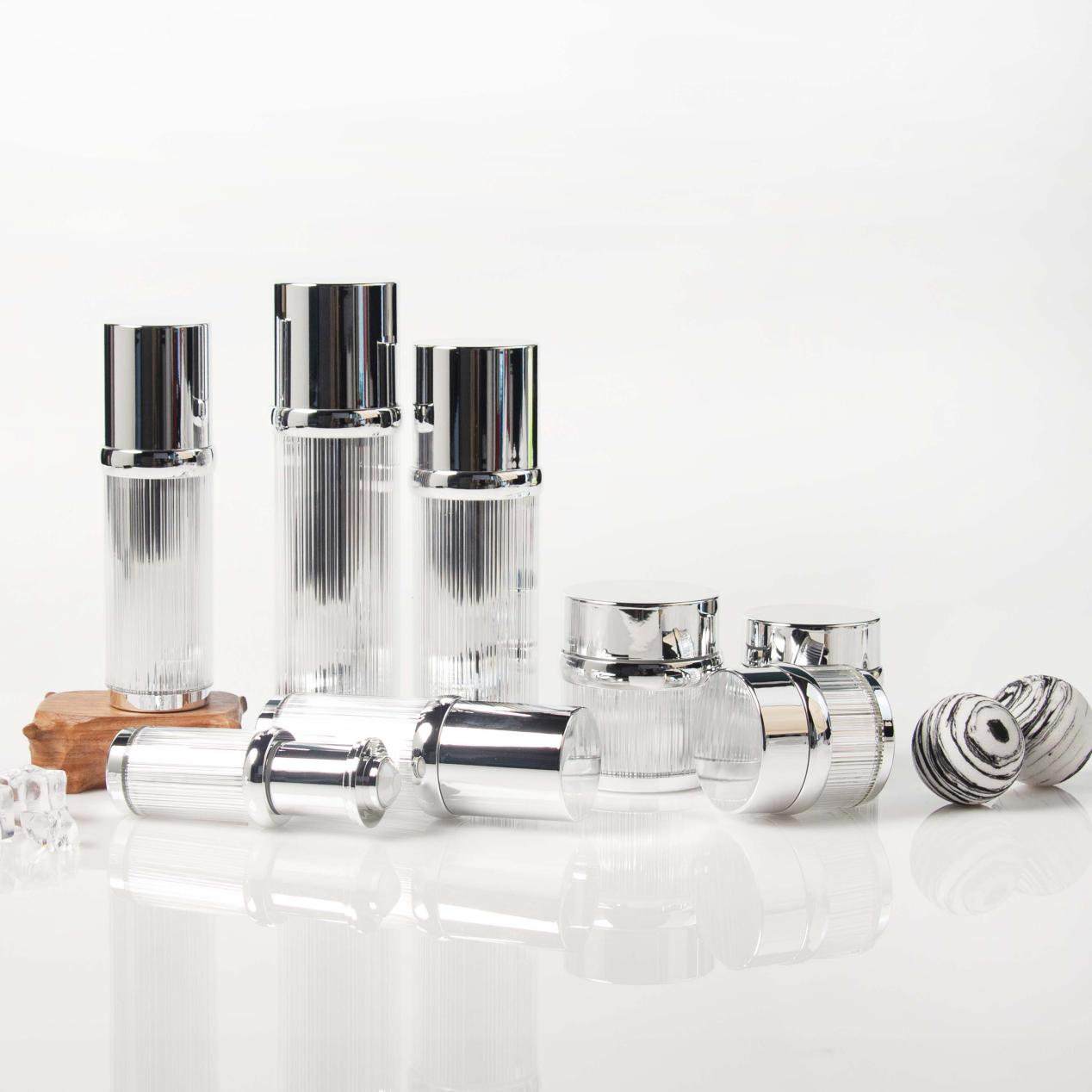
| Specialty Foamer Pump Bottle | Customizable shapes, materials, and features; may include child-resistant caps, decorative finishes (metallic, matte), or specialized pump mechanisms (adjustable foam density); designed for niche markets. | Luxury personal care (high-end facial cleansers, serums), baby care products (child-resistant designs), niche cosmetics (unique branding needs). | – Unique design offers strong branding opportunities, helping products stand out in crowded markets.- Specialized features (e.g., child-resistant caps) meet regulatory and safety requirements for specific industries.- Premium appearance appeals to high-end consumer segments. | – Higher production costs due to customization, tooling, and specialty materials.- Longer lead times for production, especially for complex designs or custom molds. |
| Industrial Foamer Pump Bottle | Robust construction using thick HDPE or PP; designed to handle high-viscosity liquids (e.g., industrial cleaners, lubricants); large capacity (1L to 5L); resistant to chemicals and harsh environments. | Industrial cleaning (factory floors, machinery), manufacturing (lubricant dispensing), automotive industry (cleaning solutions). | – Durable design withstands heavy-duty use and harsh conditions, reducing replacement costs.- Compatible with high-viscosity products, eliminating the need for additional diluents.- Large capacity minimizes downtime associated with frequent refills. | – Heavier weight increases shipping costs, especially for international orders.- Less emphasis on aesthetics, making them unsuitable for consumer-facing products. |
1.1 Key Considerations for Type Selection
After reviewing the different types of foamer pump bottles, B2B buyers must align their choice with their specific use case. For example:
- Personal care brands targeting everyday consumers may find standard foamer pump bottles the most suitable, as they balance cost, functionality, and customization. These bottles work well for liquid soaps, body washes, and facial cleansers, where affordability and brand alignment are key.
- Hospitality businesses such as hotels or spas should prioritize tabletop foamer pump bottles. Their larger capacity and attractive design enhance the guest experience, while the stable base reduces the risk of spills in bathrooms or common areas.
- Brands launching new products or running promotional campaigns can leverage mini foamer pump bottles for sampling. These small, portable bottles allow consumers to test products without committing to a full-sized purchase, driving brand awareness and potential future sales.
- Luxury or niche brands may opt for specialty foamer pump bottles to differentiate themselves. Custom shapes, premium materials, and unique features like child-resistant caps can position the product as high-end and cater to specific consumer needs (e.g., baby care products requiring safety features).
- Industrial companies dealing with heavy-duty cleaning solutions or high-viscosity liquids must select industrial foamer pump bottles. Their robust construction ensures durability in harsh environments, while their compatibility with thick liquids ensures efficient dispensing.
It is also important for buyers to consider future scalability. For instance, a brand that starts with mini bottles for sampling may later expand to standard or tabletop bottles as demand grows. Choosing a supplier that offers multiple bottle types can streamline this transition and reduce the need to switch vendors.
2. Material Selection: Ensuring Quality, Safety, and Compliance
The material of a foamer pump bottle is a critical factor that impacts its performance, safety, cost, and environmental footprint. B2B buyers must carefully evaluate the properties of each material to ensure it is compatible with their product, meets regulatory standards, and aligns with their sustainability goals. The following sections break down the most common materials used in foamer pump bottle manufacturing, along with their key characteristics, applications, and pros and cons.
2.1 Common Materials and Their Properties
| Material | Typical Use Case | Key Advantage | Key Disadvantage/Limitation | Relative Cost (Low/Med/High) | Compliance with International Standards |
| High-Density Polyethylene (HDPE) | Standard foamer pump bottles, industrial bottles, household cleaning products. | – Excellent chemical resistance, compatible with most liquids.- Lightweight, reducing shipping costs.- Recyclable (often labeled as resin code 2), aligning with sustainability trends.- Durable, with good impact resistance. | – Limited temperature range (-40°C to 49°C), not suitable for hot-fill applications.- Opaque or semi-opaque, which may hide product color or clarity. | Low | Compliant with ASTM D1248 (standard for HDPE), ISO 12028 (recycled HDPE), and FDA regulations for food contact. |
| Polypropylene (PP) | Specialty foamer pump bottles, industrial bottles, hot-fill applications. | – High melting point (up to 149°C), suitable for hot-fill products (e.g., heated cleaning solutions).- Excellent chemical resistance, even with harsh solvents.- Rigid structure provides better structural integrity than HDPE.- Recyclable (resin code 5). | – More expensive than HDPE, increasing per-unit costs.- Higher manufacturing complexity, especially for custom shapes. | Medium | Compliant with DIN EN ISO 1043-1 (standard for PP), JIS K6758 (Japanese standard for PP), and FDA food contact regulations. |
| Polyethylene Terephthalate (PET) | Standard foamer pump bottles, cosmetics, consumer-facing products. | – Excellent clarity, allowing consumers to see the product inside.- Good barrier properties against moisture and gases, extending product shelf life.- Lightweight and recyclable (resin code 1), with high recycling rates globally.- Aesthetically pleasing, suitable for premium consumer products. | – Limited chemical resistance compared to HDPE and PP; may degrade with strong solvents.- More expensive than HDPE, though less costly than glass. | Medium | Compliant with ISO 1043-1 (standard for PET), FDA 21 CFR 177.1630 (food contact approval), and EU REACH regulations. |
| Glass | Specialty foamer pump bottles, luxury cosmetics, pharmaceutical products. | – Superior chemical resistance; inert, so it does not interact with product contents (ideal for sensitive formulations).- Premium appearance, enhancing brand perception for luxury products.- Fully recyclable (infinitely recyclable without quality loss).- Does not leach chemicals, ensuring product safety. | – Heavyweight, increasing shipping costs and the risk of breakage during transit.- Higher cost compared to plastic materials.- Fragile, requiring additional packaging for protection. | High | Compliant with USP Type I (pharmaceutical glass standards), EU Regulation 10/2011 (food contact glass), and FDA food contact regulations. |
2.2 Material Selection Criteria for B2B Buyers
When selecting a material for foamer pump bottles, B2B buyers should consider the following criteria to ensure quality and suitability:
2.2.1 Product Compatibility
The material must be compatible with the product’s formulation to prevent degradation, leaching, or changes in product properties. For example:
- Harsh chemicals or solvents (e.g., industrial cleaners, acetone-based products) require materials with strong chemical resistance, such as HDPE or PP. PET may not be suitable for these products, as it can degrade when exposed to strong solvents.
- Sensitive formulations (e.g., pharmaceutical creams, natural cosmetics) often require glass. Glass is inert and does not leach chemicals into the product, ensuring purity and safety for consumers.
- Hot-fill products (e.g., heated cleaning solutions, warm lotions) need materials with high temperature resistance, such as PP. HDPE and PET have lower melting points and may warp or deform when filled with hot liquids.
To verify compatibility, buyers should request compatibility testing from suppliers. This testing involves exposing the material to the product formulation for a specified period (e.g., 30 days) to check for changes in the material’s structure or the product’s quality.
2.2.2 Regulatory Compliance
Different regions and industries have strict regulations governing packaging materials, especially for products that come into contact with food, pharmaceuticals, or personal care items. B2B buyers must ensure that the selected material complies with these regulations to avoid legal issues and ensure consumer safety.
- Food and beverage industry: Materials must comply with FDA (U.S.) or EU Regulation 10/2011 standards for food contact. For example, HDPE, PP, PET, and glass are all FDA-approved for food contact, but buyers should confirm that the specific grade of the material meets these standards.
- Pharmaceutical industry: Packaging materials must adhere to USP (U.S. Pharmacopeia) or EP (European Pharmacopoeia) standards. Glass is often preferred for pharmaceutical products, as it meets USP Type I standards for inertness and purity.
- European markets: Materials must comply with REACH (Registration, Evaluation, Authorization, and Restriction of Chemicals) regulations, which restrict the use of certain hazardous substances. Recyclable materials like HDPE, PP, and PET are often easier to align with REACH requirements.
Buyers should request documentation from suppliers, such as certificates of compliance (CoC) or material safety data sheets (MSDS), to verify regulatory compliance. These documents provide proof that the material meets the necessary standards and can be used safely in the intended application.
2.2.3 Sustainability Goals
In today’s environmentally conscious market, sustainability has become a key consideration for B2B buyers. Consumers and stakeholders increasingly expect brands to use eco-friendly packaging, and many regions have implemented regulations to reduce plastic waste. When selecting a material, buyers should evaluate its environmental impact, including recyclability, carbon footprint, and use of recycled content.
- Recyclability: HDPE, PP, and PET are all widely recyclable, with established recycling infrastructure in most countries. Glass is infinitely recyclable, making it a highly sustainable option. Buyers should look for materials labeled with resin codes (e.g., 1 for PET, 2 for HDPE) to indicate recyclability.
- Recycled content: Many suppliers offer foamer pump bottles made from post-consumer recycled (PCR) materials. For example, HDPE bottles with 30% PCR content reduce the use of virgin plastic and lower the carbon footprint. Buyers can specify the percentage of recycled content they require to align with their sustainability goals.
- Biodegradability: While less common, some suppliers offer biodegradable plastic materials (e.g., PLA) for foamer pump bottles. These materials break down into natural substances over time, making them suitable for brands with strict sustainability targets. However, biodegradable plastics often have higher costs and may not be compatible with all product formulations.
It is important for buyers to balance sustainability with functionality. For example, while glass is highly sustainable, its weight and fragility may make it impractical for international shipping or large-volume orders. In such cases, recyclable plastics like HDPE or PET may be a more viable option.
2.2.4 Cost and Budget
Material cost is a significant factor in the overall cost of foamer pump bottles, and B2B buyers must align their material selection with their budget. As shown in the table above, HDPE is the most cost-effective option, followed by PP and PET, with glass being the most expensive.
- High-volume orders: For brands placing large orders (e.g., 10,000+ units), HDPE is often the best choice, as its low cost helps minimize per-unit expenses. The savings from using HDPE can be reinvested in other areas, such as marketing or product development.
- Medium-volume orders: PP or PET may be suitable for medium-volume orders, where the additional cost is justified by the material’s unique properties (e.g., PP’s temperature resistance, PET’s clarity).
- Low-volume or luxury orders: Glass is often used for low-volume or luxury products, where the premium appearance and inert properties justify the higher cost. For example, a high-end skincare brand may use glass foamer pump bottles to position its product as exclusive and premium.
Buyers should also consider the total cost of ownership, not just the initial material cost. For example, while glass has a higher upfront cost, its durability may reduce replacement costs over time. Conversely, cheaper plastics like HDPE may be more prone to damage, leading to higher long-term costs.
3. Evaluating Suppliers: Ensuring Reliability, Quality, and Partnership
Selecting the right supplier is just as important as choosing the right foamer pump bottle type and material. A reliable supplier can ensure consistent quality, on-time delivery, and competitive pricing, while a poor supplier can lead to delays, quality issues, and increased costs. B2B buyers must conduct a thorough evaluation of potential suppliers to build long-term, mutually beneficial partnerships. The following sections outline the key criteria for supplier evaluation and provide a step-by-step guide to the selection process.
3.1 Key Supplier Evaluation Criteria
| Evaluation Criterion | Description | Why It Matters for B2B Buyers | How to Evaluate |
| Industry Experience and Reputation | The number of years the supplier has been in business and its reputation among B2B buyers. | Experienced suppliers have a better understanding of industry needs, regulatory requirements, and common challenges. A good reputation indicates reliability and quality. | – Check the supplier’s website for information on founding year and client testimonials.- Search for online reviews on platforms like Google Reviews, Alibaba, or industry-specific forums.- Ask for references from existing clients (e.g., “Can you provide contact details for a client in the personal care industry?”). |
| Quality Assurance (QA) Processes | The supplier’s systems and procedures for ensuring product quality, including testing, inspections, and certifications. | Consistent quality is critical to avoid product defects (e.g., leaky pumps, inconsistent foaming) that can damage brand reputation. | – Request documentation of QA processes, such as standard operating procedures (SOPs) for manufacturing and testing.- Inquire about certifications, such as ISO 9001 (quality management), ISO 14001 (environmental management), or GMP (Good Manufacturing Practices) for pharmaceutical products.- Ask to review sample test reports (e.g., leak testing, pressure testing) to verify product performance. |
| Production Capacity and Lead Times | The supplier’s ability to meet order volumes (minimum and maximum) and the time required to produce and deliver orders. | Buyers need suppliers that can scale production to meet demand fluctuations and deliver orders on time to avoid stockouts. | – Ask about minimum order quantities (MOQs) and maximum production capacity (e.g., “Can you produce 50,000 units per month?”).- Inquire about lead times for standard and custom orders (e.g., “How long does it take to produce 10,000 standard HDPE bottles?”).- Discuss flexibility for rush orders (e.g., “Can you expedite an order if we have an unexpected increase in demand?”). |
| Customization Capabilities | The supplier’s ability to provide customized foamer pump bottles (e.g., custom shapes, colors, labels, or pump mechanisms). | Customization allows buyers to align packaging with brand identity and differentiate products in the market. | – Ask about available customization options (e.g., “Do you offer custom color matching or screen printing?”).- Inquire about tooling costs and lead times for custom molds (e.g., “How much does a custom mold cost, and how long does it take to create?”).- Request samples of previous custom projects to evaluate quality and design capabilities. |
| Pricing and Payment Terms | The supplier’s pricing structure (e.g., bulk discounts, volume tiers) and payment terms (e.g., upfront deposits, net terms). | Competitive pricing helps buyers manage costs, while flexible payment terms improve cash flow. | – Request a detailed price quote for the desired product (including material, customization, and shipping costs).- Inquire about bulk discounts (e.g., “What is the price per unit for 10,000 vs. 50,000 units?”).- Discuss payment terms (e.g., “Do you require a 30% upfront deposit, with the balance due upon delivery?”). |
| Logistics and Shipping | The supplier’s ability to handle shipping, including international logistics, and its partnerships with logistics providers. | Efficient shipping ensures on-time delivery and minimizes costs, especially for international buyers. | – Ask about available shipping options (e.g., sea freight, air freight) and associated costs.- Inquire about experience with international shipping (e.g., “Have you shipped to Africa/South America/Europe before?”).- Discuss responsibility for customs clearance and duties (e.g., “Will you handle customs documentation, or is that our responsibility?”). |
| Sustainability Practices | The supplier’s commitment to sustainability, including the use of recycled materials, waste reduction, and energy-efficient manufacturing. | Aligning with sustainable suppliers helps buyers meet their own sustainability goals and appeal to eco-conscious consumers. | – Ask about the supplier’s use of recycled materials (e.g., “Do you offer HDPE bottles with PCR content?”).- Inquire about waste reduction initiatives (e.g., “What percentage of manufacturing waste do you recycle?”).- Request documentation of environmental certifications, such as ISO 14001 or B Corp certification. |
| Communication and Customer Service | The supplier’s responsiveness to inquiries, clarity of communication, and availability of a dedicated account manager. | Good communication ensures that issues are resolved quickly and that buyers are kept informed about order status. | – Evaluate the supplier’s response time to initial inquiries (e.g., “Did they reply to your email within 24 hours?”).- Inquire about the availability of a dedicated account manager (e.g., “Will we have a single point of contact for our orders?”).- Discuss how the supplier handles issues (e.g., “What is your process for resolving a shipment delay or quality defect?”). |
3.2 Step-by-Step Supplier Selection Process
Step 1: Define Supplier Requirements
Before searching for suppliers, B2B buyers should clearly define their requirements based on the foamer pump bottle type, material, and volume needed. This includes:
- Product specifications: Type (e.g., standard, mini), material (e.g., HDPE, PET), size (e.g., 50ml, 250ml), and customization needs (e.g., color, labeling).
- Volume requirements: Minimum order quantity (MOQ), maximum order quantity, and expected order frequency (e.g., monthly, quarterly).
- Quality standards: Certifications required (e.g., ISO 9001, FDA), testing requirements (e.g., leak testing, compatibility testing).
- Delivery timeline: Required lead times, shipping destinations, and urgency of initial orders.
- Budget: Target price per unit, acceptable payment terms, and any cost constraints.
Defining these requirements upfront helps narrow down the list of potential suppliers and ensures that buyers evaluate suppliers against a consistent set of criteria.
Step 2: Source Potential Suppliers
There are several channels for sourcing potential foamer pump bottle suppliers:
- B2B Marketplaces: Platforms like Alibaba, Global Sources, and Thomasnet allow buyers to search for suppliers by product type, material, and location. These marketplaces provide detailed supplier profiles, including certifications, product catalogs, and client reviews.
- Industry Trade Shows: Trade shows such as PACK EXPO (North America), interpack (Europe), and CHINAPLAS (Asia) are excellent opportunities to meet suppliers in person, view product samples, and discuss requirements face-to-face.
- Industry Associations: Associations like the Packaging Association (PMA) or the International Association of Packaging Professionals (IAPP) often have member directories that include reputable suppliers.
- Referrals: Asking for referrals from other businesses in the same industry can be a reliable way to find trusted suppliers. For example, a personal care brand may ask a competitor or partner for recommendations.
When sourcing suppliers, buyers should aim to create a shortlist of 5-10 potential candidates to evaluate further.
Step 3: Conduct Initial Screenings
The next step is to conduct initial screenings of the shortlisted suppliers to eliminate those that do not meet the basic requirements. This can be done through:
- Website Reviews: Review the supplier’s website to check for industry experience, product offerings, certifications, and contact information. A professional, informative website is often a sign of a reputable supplier.
- Email Inquiries: Send a detailed email to each supplier outlining your requirements and asking for key information, such as MOQs, lead times, pricing, and certifications. Evaluate the supplier’s response time and the completeness of their answers.
- Phone Calls: Follow up with a phone call to discuss requirements in more detail and assess the supplier’s communication skills. This is also an opportunity to ask additional questions about their QA processes, customization capabilities, and logistics.
After the initial screening, buyers should narrow down the shortlist to 3-5 suppliers that meet all the basic requirements.
Step 4: Request Samples and Conduct Testing
Samples are a critical part of the supplier evaluation process, as they allow buyers to assess the quality, functionality, and appearance of the foamer pump bottles firsthand. Buyers should:
- Request Samples: Ask each remaining supplier to provide samples of the desired foamer pump bottles. Be specific about requirements, such as material (e.g., HDPE), size (e.g., 100ml), and any customization (e.g., white color, screen-printed logo).
- Conduct Visual Inspections: Check the samples for defects such as cracks, uneven surfaces, or misaligned pumps. The bottle should have a smooth finish, and the pump should fit securely on the neck of the bottle.
- Test Functionality: Evaluate the pump’s performance by dispensing the product (or a similar liquid) to check for consistent foaming, ease of use, and leakage. For example, pump the mechanism 10-15 times to ensure that the foam density is consistent and that there are no leaks around the pump or overcap.
- Compatibility Testing: If the bottle will be used with a specific product formulation, test the sample with the product to ensure compatibility. For example, fill the bottle with the product and store it for 30 days to check for changes in the bottle’s structure or the product’s quality.
Buyers should document the results of the sample testing and use this information to compare suppliers.
Step 5: Conduct Supplier Audits
For high-volume or critical orders, B2B buyers may choose to conduct on-site or virtual supplier audits to gain a deeper understanding of the supplier’s operations. Supplier audits can be conducted by internal teams or third-party auditing firms and should focus on:
- Quality Management Systems: Review the supplier’s QA processes, including testing procedures, inspection checkpoints, and documentation. Ensure that the supplier has a formal system for tracking and resolving quality issues.
- Manufacturing Facilities: Evaluate the condition of the manufacturing facilities, including equipment maintenance, cleanliness, and safety protocols. A well-maintained facility is a sign of a supplier that prioritizes quality and safety.
- Production Capacity: Verify the supplier’s production capacity by checking the number of production lines, the size of the facility, and the availability of raw materials. Ensure that the supplier can meet your volume requirements.
- Sustainability Practices: Assess the supplier’s sustainability initiatives, such as waste reduction, energy efficiency, and use of recycled materials. Request documentation of environmental certifications or audits.
Supplier audits provide valuable insights into the supplier’s capabilities and help buyers identify potential risks (e.g., insufficient capacity, poor QA processes) before entering into a partnership.
Step 6: Negotiate Terms and Finalize the Partnership
Once a preferred supplier has been identified, B2B buyers should negotiate the terms of the partnership to ensure that both parties’ needs are met. Key areas for negotiation include:
- Pricing: Negotiate bulk discounts based on order volume. For example, a buyer may agree to a 10% discount for orders of 50,000 units or more.
- Payment Terms: Discuss payment terms that improve cash flow, such as net 30 or net 60 terms (payment due 30 or 60 days after delivery) instead of upfront deposits.
- Lead Times: Negotiate lead times that align with your production schedule. For example, a buyer may request a lead time of 2 weeks for standard orders and 4 weeks for custom orders.
- Quality Guarantees: Include quality guarantees in the contract, such as a commitment to replace defective products free of charge or a refund if the product does not meet the agreed-upon specifications.
- Customization: Finalize details of any customization, such as tooling costs, design approvals, and sample requirements for custom molds.
After negotiating the terms, buyers should formalize the partnership with a written contract that clearly outlines all the agreed-upon terms and conditions. This contract should include details on product specifications, pricing, payment terms, lead times, quality guarantees, and dispute resolution processes.
Step 7: Monitor Supplier Performance
The supplier selection process does not end with the signing of the contract. B2B buyers should continuously monitor the supplier’s performance to ensure that they meet the agreed-upon standards. This can be done through:
- Regular Communication: Maintain regular communication with the supplier to discuss order status, any issues that arise, and future requirements.
- Performance Metrics: Track key performance metrics such as on-time delivery rate, defect rate, and responsiveness to inquiries. Set targets for these metrics (e.g., 95% on-time delivery, less than 1% defect rate) and review them monthly or quarterly.
- Feedback: Provide feedback to the supplier on their performance, both positive and negative. For example, if the supplier consistently delivers orders on time, acknowledge this and express appreciation. If there are quality issues, provide specific feedback on how to improve.
- Annual Reviews: Conduct annual reviews of the supplier’s performance to evaluate their overall performance and discuss opportunities for improvement. This is also an opportunity to renegotiate terms if necessary, such as pricing or lead times.
By monitoring supplier performance, buyers can identify potential issues early and take corrective action, ensuring a long-term, successful partnership.
4. Addressing Common Pain Points: Solutions for B2B Buyers
B2B buyers of foamer pump bottles often face a range of challenges, from sourcing products that meet diverse market requirements to managing inventory and ensuring consistent quality. These pain points can lead to delays, increased costs, and damage to brand reputation if not addressed effectively. The following sections identify the most common pain points and provide practical solutions to help buyers overcome them.
4.1 Pain Point 1: Sourcing Products for Diverse Markets
The Problem: International B2B buyers often need to source foamer pump bottles for multiple markets, each with its own regulatory requirements, consumer preferences, and environmental standards. For example, a buyer may need to source bottles for Europe (which has strict REACH regulations and a focus on sustainability) and Africa (which may have different material preferences and lower price sensitivity). This diversity can make it difficult to find a single supplier that can meet all the requirements, leading to the need to work with multiple suppliers and increased complexity in the supply chain.
The Solution:
- Conduct Market Research: Before sourcing, conduct thorough market research to understand the specific requirements of each target market. This includes regulatory requirements (e.g., REACH in Europe, FDA in the U.S.), consumer preferences (e.g., preference for clear PET bottles in Europe vs. opaque HDPE bottles in Africa), and environmental standards (e.g., mandatory recycling targets in the EU).
- Choose a Supplier with Global Expertise: Look for suppliers that have experience exporting to your target markets. These suppliers will have a better understanding of local regulations and can help ensure that the product meets all the necessary requirements. For example, a supplier that has exported to Europe will be familiar with REACH regulations and can provide the necessary documentation to comply with these standards.
- Standardize Where Possible: Wherever possible, standardize the foamer pump bottle design across markets to reduce complexity. For example, use a standard HDPE bottle that is compliant with regulations in multiple markets and can be customized with labels or colors to meet local consumer preferences. This reduces the need for multiple bottle designs and simplifies the supply chain.
- Leverage Sourcing Platforms: Use B2B sourcing platforms that aggregate suppliers from around the world and allow you to filter suppliers by market expertise, certifications, and product capabilities. These platforms make it easier to find a single supplier that can meet the requirements of multiple markets.
4.2 Pain Point 2: Managing Inventory and Reducing Waste
The Problem: Managing inventory of foamer pump bottles is a common challenge for B2B buyers. Overstocking can lead to increased storage costs, obsolescence (if consumer preferences change or the product is updated), and waste (if the bottles are damaged or expire). Understocking, on the other hand, can lead to stockouts, missed sales opportunities, and dissatisfied customers. This balancing act is particularly difficult for buyers operating in multiple regions with varying demand levels.
The Solution:
- Implement a Just-in-Time (JIT) Inventory Strategy: JIT inventory involves ordering and receiving products just in time for production or sale, minimizing the amount of inventory held. To implement JIT, buyers should:
- Analyze historical sales data to forecast demand accurately. For example, if sales of a particular foamer pump bottle increase by 20% during the summer months, adjust orders to meet this seasonal demand.
- Work with suppliers that can provide flexible order quantities and rapid turnaround times. For example, a supplier that can deliver orders within 2 weeks allows buyers to respond quickly to changes in demand.
- Set Minimum Order Quantities (MOQs) Strategically: Negotiate MOQs with suppliers that align with your demand forecast. For example, if you forecast monthly demand of 5,000 units, negotiate an MOQ of 5,000 units to avoid overstocking. If demand is variable, ask for the flexibility to place smaller orders (e.g., 2,500 units) during slow months.
- Use Consignment Inventory: Work with suppliers on a consignment basis, where the supplier retains ownership of the inventory until it is sold or used. This reduces the risk of overstocking, as the buyer only pays for the inventory that is actually used. For example, a buyer may store 10,000 foamer pump bottles at their facility but only pay for the 8,000 that are used in a month.
- Monitor Inventory Levels Regularly: Use inventory management software to track stock levels in real time. This software can send alerts when inventory levels fall below a certain threshold (e.g., 1,000 units), allowing buyers to place orders in a timely manner. It can also provide insights into inventory turnover rates, helping buyers identify slow-moving products and adjust orders accordingly.
4.3 Pain Point 3: Ensuring Consistent Quality
The Problem: Consistent quality is critical for B2B buyers of foamer pump bottles, as defects such as leaky pumps, inconsistent foaming, or weak bottle structures can lead to customer complaints, product returns, and damage to brand reputation. Quality issues are often exacerbated when sourcing from multiple suppliers or when dealing with international shipping, where products may be exposed to varying temperatures, humidity levels, and handling conditions.
The Solution:
- Prioritize Suppliers with Strong QA Processes: When evaluating suppliers, look for those that have formal QA processes in place, such as ISO 9001 certification. These suppliers have systems for monitoring and controlling quality throughout the manufacturing process, reducing the risk of defects.
- Request Samples and Conduct Rigorous Testing: Before placing a bulk order, request samples and conduct thorough testing to evaluate quality. This includes:
- Leak Testing: Fill the bottle with water or a similar liquid, seal it with the pump and overcap, and invert it for 24 hours to check for leaks.
- Foaming Test: Pump the mechanism multiple times to ensure that the foam density is consistent and that there are no clogs or malfunctions.
- Durability Test: Drop the bottle from a height of 1 meter (simulating shipping or handling) to check for cracks or damage.
- Implement Incoming Quality Inspections (IQI): When receiving bulk orders, conduct IQI to check for defects. This involves sampling a percentage of the order (e.g., 5%) and inspecting each sample for visual defects, functionality, and compliance with specifications. If the defect rate exceeds a certain threshold (e.g., 2%), reject the order and work with the supplier to resolve the issue.
- Use Third-Party Testing Services: For critical orders or when sourcing from a new supplier, use third-party testing services to verify quality. These independent labs can conduct specialized tests, such as chemical compatibility testing or environmental stress cracking testing, to ensure that the product meets the required standards.
- Establish Clear Quality Standards in the Contract: Include detailed quality standards in the contract with the supplier, such as specifications for pump performance (e.g., “Each pump should dispense 0.25ml of foam per stroke”), bottle strength (e.g., “The bottle should withstand a pressure of 5 psi without deforming”), and defect rates (e.g., “No more than 0.5% of units may have defects”). This provides a clear framework for quality and gives the buyer leverage to hold the supplier accountable if standards are not met.
4.4 Pain Point 4: Navigating International Shipping and Logistics
The Problem: International B2B buyers face a range of logistics challenges when sourcing foamer pump bottles, including high shipping costs, long lead times, customs delays, and the risk of damage during transit. These challenges can increase the total cost of ownership and lead to delays in product launches or production.
The Solution:
- Choose the Right Shipping Method: Select a shipping method that balances cost and speed based on your needs:
- Sea Freight: Ideal for large-volume orders (e.g., 10,000+ units) that are not time-sensitive. Sea freight is more cost-effective than air freight but has longer lead times (2-6 weeks, depending on the destination).
- Air Freight: Suitable for small-volume or urgent orders (e.g., 1,000 units needed within a week). Air freight is faster but more expensive than sea freight.
- Work with Experienced Logistics Providers: Partner with logistics providers that have experience in shipping packaging materials internationally. These providers can help with:
- Customs Clearance: Prepare all necessary documentation, such as commercial invoices, packing lists, and certificates of origin, to ensure smooth customs clearance. They can also advise on local customs regulations and duties to avoid delays.
- Freight Forwarding: Consolidate shipments from multiple suppliers to reduce costs. For example, if you are sourcing foamer pump bottles from China and labels from India, a freight forwarder can consolidate these shipments into a single container, reducing shipping costs.
- Package Products for International Shipping: Ensure that foamer pump bottles are packaged properly to withstand the rigors of international shipping. This includes:
- Using sturdy cartons with dividers to separate individual bottles and prevent damage.
- Adding cushioning materials (e.g., bubble wrap, foam) to protect the bottles during transit.
- Labeling packages clearly with handling instructions (e.g., “Fragile,” “Keep Dry”) to reduce the risk of mishandling.
- Negotiate Shipping Terms with Suppliers: Discuss shipping terms with suppliers to clarify responsibility for costs and risks. Common Incoterms (International Commercial Terms) for international shipping include:
- FOB (Free On Board): The supplier is responsible for delivering the goods to the port of shipment, and the buyer is responsible for shipping costs and risks from the port onwards.
- CIF (Cost, Insurance, and Freight): The supplier is responsible for shipping costs and insurance to the port of destination, and the buyer is responsible for customs clearance and delivery from the port to the final destination.
- DDP (Delivered Duty Paid): The supplier is responsible for all costs and risks, including shipping, insurance, customs duties, and delivery to the buyer’s facility. This is the most convenient option for buyers but may be more expensive.
5. Cost Analysis and Negotiation: Maximizing Value for B2B Buyers
Cost is a key consideration for B2B buyers of foamer pump bottles, and understanding the cost structure and effective negotiation strategies can help buyers maximize value and reduce expenses. The following sections break down the key cost components of foamer pump bottles, analyze the factors that influence pricing, and provide tips for negotiating with suppliers.
5.1 Key Cost Components of Foamer Pump Bottles
To effectively manage costs, B2B buyers must first understand the key components that make up the total cost of foamer pump bottles. These components include:
5.1.1 Material Costs
Material costs are the largest component of the total cost of foamer pump bottles, accounting for 40-60% of the per-unit cost. As discussed earlier, the choice of material (HDPE, PP, PET, glass) has a significant impact on material costs:
- HDPE: The most cost-effective material, with material costs ranging from \(0.10 to \)0.20 per unit for standard 100ml bottles.
- PP: Slightly more expensive than HDPE, with material costs ranging from \(0.15 to \)0.25 per unit for 100ml bottles.
- PET: More expensive than HDPE and PP, with material costs ranging from \(0.20 to \)0.30 per unit for 100ml bottles.
- Glass: The most expensive material, with material costs ranging from \(0.50 to \)1.00 per unit for 100ml bottles.
Material costs are also influenced by market conditions, such as the price of crude oil (for plastic materials) and the cost of raw glass. For example, an increase in crude oil prices can lead to higher HDPE, PP, and PET costs, while a shortage of raw glass can increase glass prices.
5.1.2 Labor Costs
Labor costs account for 10-20% of the per-unit cost and include the labor required for manufacturing (injection molding, assembly), testing, and packaging. Labor costs vary significantly by region:
- Low-cost regions: Countries like China, India, and Vietnam have lower labor costs, with labor costs ranging from \(0.05 to \)0.10 per unit.
- Medium-cost regions: Countries like Mexico, Thailand, and Malaysia have moderate labor costs, ranging from \(0.10 to \)0.15 per unit.
- High-cost regions: Countries like the U.S., Germany, and Japan have higher labor costs, ranging from \(0.20 to \)0.30 per unit.
Suppliers in low-cost regions often offer lower per-unit prices, but buyers should consider other factors such as quality, lead times, and logistics costs when evaluating these suppliers.
5.1.3 Manufacturing Overhead Costs
Manufacturing overhead costs include expenses related to factory operations, such as utilities (electricity, water), equipment maintenance, rent, and administrative costs. These costs account for 10-15% of the per-unit cost and are often passed on to the buyer as part of the product price.
Manufacturing overhead costs are influenced by the supplier’s operational efficiency. For example, a supplier with modern, automated production lines may have lower overhead costs than a supplier with outdated, manual equipment, as automation reduces labor requirements and increases production efficiency.
5.1.4 Tooling Costs
Tooling costs are one-time costs associated with creating molds for custom foamer pump bottle designs. These costs are typically amortized over the production run and are only relevant for buyers requiring custom designs. Tooling costs vary based on the complexity of the design:
- Simple custom designs: Tooling costs range from \(1,000 to \)5,000.
- Complex custom designs: Tooling costs can exceed $10,000 for designs with intricate shapes or multiple components.
Buyers should consider the volume of the order when evaluating tooling costs. For example, if a buyer plans to produce 100,000 units of a custom bottle, the tooling cost of \(5,000 would add \)0.05 per unit to the total cost. However, if the buyer only plans to produce 10,000 units, the tooling cost would add $0.50 per unit, making the custom design uneconomical.
5.1.5 Quality Control (QC) Costs
QC costs include the expenses associated with testing, inspections, and certifications to ensure product quality. These costs account for 5-10% of the per-unit cost and include:
- Incoming material testing: Testing raw materials to ensure they meet specifications.
- In-process testing: Testing products during manufacturing to identify defects early.
- Final product testing: Testing finished products for functionality, durability, and compliance with standards.
- Certification costs: Fees for obtaining certifications such as ISO 9001 or FDA approval.
Suppliers that prioritize QC may charge higher prices, but this can reduce the risk of costly quality issues later, such as product returns or recalls.
5.1.6 Logistics Costs
Logistics costs include the expenses associated with shipping the foamer pump bottles from the supplier’s facility to the buyer’s location. These costs account for 5-20% of the total cost, depending on the shipping method, distance, and order volume:
- Sea freight: Costs range from \(0.02 to \)0.05 per unit for large-volume orders shipped internationally.
- Air freight: Costs range from \(0.10 to \)0.20 per unit for small-volume or urgent orders.
- Local shipping: Costs range from \(0.01 to \)0.03 per unit for domestic orders.
Logistics costs also include customs duties, taxes, and insurance. For example, importing foamer pump bottles into the EU may incur a customs duty of 5-10% of the product value, depending on the material and country of origin.
5.2 Factors Influencing Pricing
In addition to the cost components outlined above, several factors influence the pricing of foamer pump bottles for B2B buyers:
5.2.1 Order Volume
Order volume is one of the most significant factors influencing pricing. Suppliers typically offer bulk discounts for larger orders, as larger orders reduce per-unit manufacturing, labor, and logistics costs. For example:
- Small orders (1,000-5,000 units): Per-unit price may be $0.50 for a standard 100ml HDPE bottle.
- Medium orders (5,000-20,000 units): Per-unit price may decrease to $0.40.
- Large orders (20,000+ units): Per-unit price may decrease further to $0.30.
Buyers should leverage their order volume to negotiate lower prices. For example, a buyer planning to place monthly orders of 10,000 units may negotiate a lower price than a buyer placing a one-time order of 10,000 units.
5.2.2 Customization
Customization increases the price of foamer pump bottles due to additional tooling, labor, and material costs. For example:
- Standard bottle (no customization): $0.30 per unit.
- Custom color (e.g., brand-specific blue): \(0.35 per unit (additional \)0.05 for color matching and material costs).
- Custom label (screen-printed logo): \(0.40 per unit (additional \)0.05 for printing costs).
- Custom mold (unique shape): \(0.50 per unit (additional \)0.20 for tooling and manufacturing costs, amortized over 10,000 units).
Buyers should carefully evaluate the need for customization and prioritize features that add value to the product. For example, a custom label may be worth the additional cost if it enhances brand recognition, while a custom mold may not be necessary if a standard shape meets the product’s needs.
5.2.3 Supplier Location
Supplier location impacts pricing due to differences in labor, overhead, and logistics costs. Suppliers in low-cost regions (e.g., China, India) often offer lower per-unit prices than suppliers in high-cost regions (e.g., U.S., Germany). For example:
- Supplier in China: \(0.30 per unit for a standard 100ml HDPE bottle, plus \)0.03 per unit for sea freight to the U.S.
- Supplier in the U.S.: \(0.45 per unit for the same bottle, plus \)0.01 per unit for local shipping.
While suppliers in low-cost regions offer lower per-unit prices, buyers should consider the total cost of ownership, including logistics costs, lead times, and the risk of quality issues. For example, a supplier in China may have a lower per-unit price but longer lead times (4-6 weeks) and higher logistics costs, while a supplier in the U.S. may have a higher per-unit price but shorter lead times (1-2 weeks) and lower logistics costs.
5.2.4 Market Conditions
Market conditions, such as supply and demand, raw material prices, and economic trends, can impact the pricing of foamer pump bottles. For example:
- High demand: If there is a surge in demand for foamer pump bottles (e.g., during a pandemic, when hand sanitizers are in high demand), suppliers may increase prices due to limited capacity.
- Raw material price increases: An increase in the price of crude oil can lead to higher prices for plastic materials (HDPE, PP, PET), which in turn increases the price of foamer pump bottles.
- Economic downturns: During economic downturns, suppliers may lower prices to attract customers and maintain production levels.
Buyers should stay informed about market conditions and adjust their sourcing strategy accordingly. For example, if raw material prices are expected to increase, buyers may choose to place larger orders to lock in current prices.
5.3 Negotiation Tips for B2B Buyers
Effective negotiation can help B2B buyers reduce costs and secure favorable terms with suppliers. The following tips provide strategies for successful negotiation:
5.3.1 Prepare Thoroughly
Before entering into negotiations, buyers should gather as much information as possible to support their position:
- Market Research: Research the current market price for foamer pump bottles of similar type and material. This can be done by requesting quotes from multiple suppliers or using B2B marketplaces to compare prices.
- Cost Analysis: Calculate the total cost of ownership, including material, labor, logistics, and QC costs. This helps buyers understand the supplier’s cost structure and identify areas where prices can be reduced.
- Supplier Research: Research the supplier’s business situation, such as their production capacity, market share, and financial health. A supplier with excess capacity may be more willing to negotiate lower prices to fill their production lines.
5.3.2 Leverage Order Volume
Order volume is a powerful negotiation tool, and buyers should clearly communicate their volume requirements to suppliers. For example:
- Commit to Long-Term Orders: If a buyer plans to place monthly orders of 10,000 units for the next year, they can negotiate a lower price than a buyer placing a one-time order. Suppliers value long-term commitments and are often willing to offer discounts to secure ongoing business.
- Combine Orders: If a buyer needs multiple types of foamer pump bottles (e.g., standard and mini bottles), combine the orders into a single purchase to increase the total volume and qualify for bulk discounts.
5.3.3 Focus on Total Cost of Ownership, Not Just Per-Unit Price
When negotiating, buyers should focus on the total cost of ownership rather than just the per-unit price. This includes considering factors such as logistics costs, lead times, and quality:
- Logistics Costs: Negotiate with suppliers to include shipping costs in the per-unit price or to secure discounted shipping rates. For example, a supplier may agree to reduce the per-unit price by $0.02 if the buyer commits to annual orders of 100,000 units, offsetting the cost of shipping.
- Lead Times: Negotiate shorter lead times to reduce inventory costs. For example, a supplier that can deliver orders in 2 weeks instead of 4 weeks allows the buyer to reduce the amount of inventory held, lowering storage costs.
- Quality Guarantees: Negotiate quality guarantees that reduce the risk of costly defects. For example, a supplier may agree to replace defective products free of charge or to provide a refund if the defect rate exceeds 0.5%.
5.3.4 Build a Relationship with the Supplier
Building a strong, collaborative relationship with the supplier can lead to better pricing and terms. Buyers should:
- Communicate Openly: Share their long-term goals and challenges with the supplier. For example, if a buyer is expanding into a new market, the supplier may be willing to offer discounts to support this growth.
- Provide Feedback: Provide constructive feedback on the supplier’s products and services. This helps the supplier improve and shows that the buyer is invested in the partnership.
- Be Flexible: Be willing to compromise on non-critical issues to secure favorable terms on key issues. For example, a buyer may agree to a slightly higher MOQ in exchange for a lower per-unit price.
5.3.5 Be Prepared to Walk Away
While building a relationship with the supplier is important, buyers should be prepared to walk away from a negotiation if the terms are not favorable. There are many suppliers in the market, and a buyer that is willing to walk away has more leverage to negotiate better terms. For example, if a supplier is unwilling to lower the per-unit price below \(0.40, the buyer can mention that another supplier has offered a price of \)0.35, putting pressure on the first supplier to match or beat the offer.
6. Conclusion: A Strategic Approach to Foamer Pump Bottle Selection
Choosing the right high-quality foamer pump bottles is a critical decision for B2B buyers, as it impacts product performance, consumer satisfaction, brand reputation, and bottom-line profitability. By following a strategic approach that includes understanding product types, selecting the right material, evaluating suppliers, addressing common pain points, and negotiating effectively, buyers can make informed decisions that align with their business goals.
To summarize, the key steps for B2B buyers are:
- Understand Foamer Pump Bottle Types: Align the bottle type (standard, tabletop, mini, specialty, industrial) with the intended application and target market. Consider factors such as volume, portability, and customization needs.
- Select the Right Material: Evaluate materials (HDPE, PP, PET, glass) based on product compatibility, regulatory compliance, sustainability goals, and budget. Ensure the material meets the specific requirements of the industry and target markets.
- Evaluate Suppliers Thoroughly: Assess suppliers based on industry experience, QA processes, production capacity, customization capabilities, pricing, logistics, sustainability practices, and communication. Conduct sample testing and supplier audits to verify quality and reliability.
- Address Common Pain Points: Implement solutions to overcome challenges such as sourcing for diverse markets, managing inventory, ensuring consistent quality, and navigating international logistics.
- Negotiate Effectively: Understand the cost structure of foamer pump bottles, leverage order volume, focus on total cost of ownership, build relationships with suppliers, and be prepared to walk away if terms are not favorable.
By following these steps, B2B buyers can select foamer pump bottles that meet their quality requirements, align with their brand identity, and provide value for money. In an increasingly competitive market, the ability to select the right packaging solutions can be a key differentiator, helping businesses enhance product appeal, improve customer satisfaction, and drive long-term success.
As the market for foamer pump bottles continues to evolve, with growing emphasis on sustainability, customization, and global compliance, B2B buyers must stay informed about industry trends and adapt their sourcing strategies accordingly. By remaining proactive and strategic, buyers can navigate the complex landscape of foamer pump bottle selection and build successful partnerships with suppliers that support their business growth.