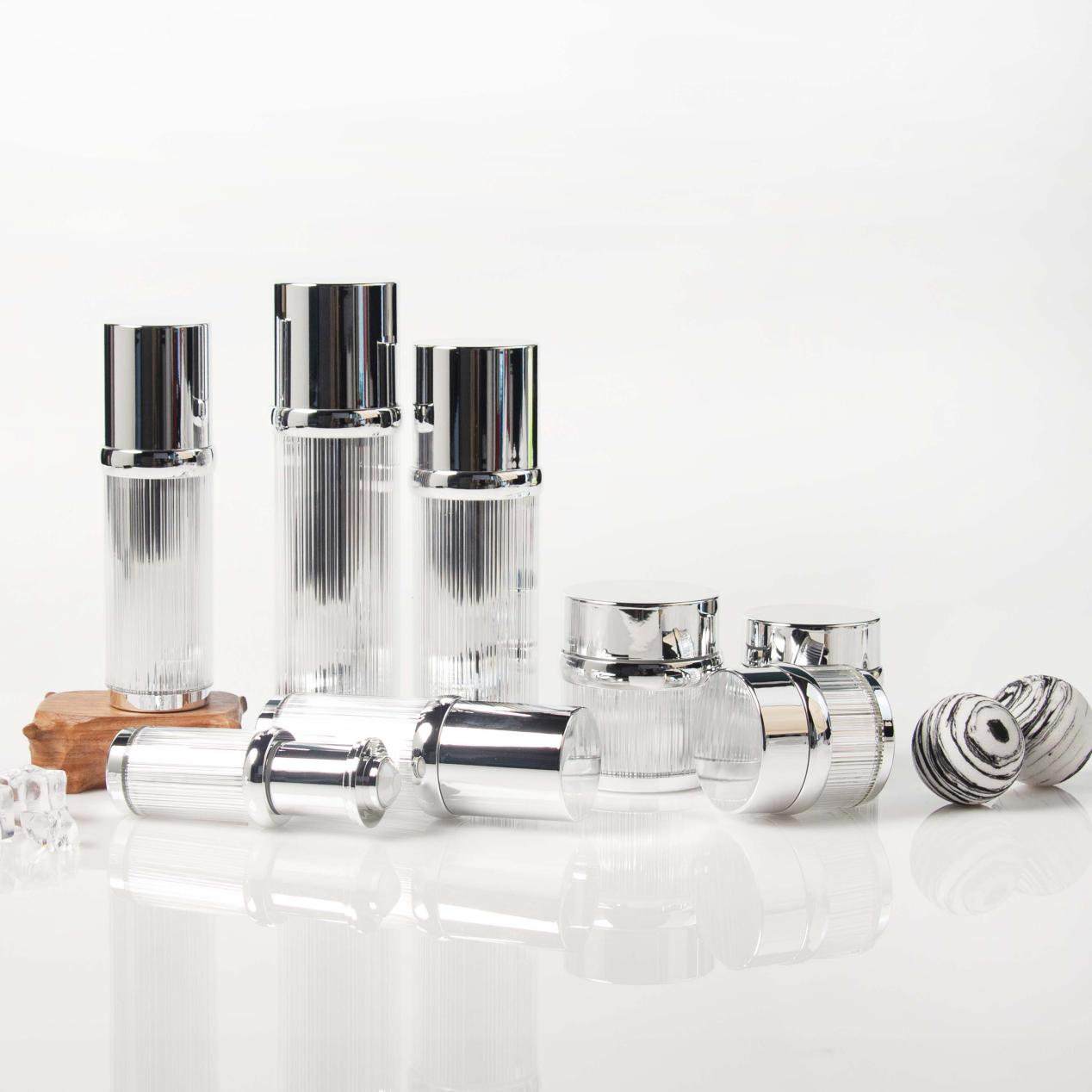
How to Select Bottles and Tubes for Sunscreen and Hand Cream: A Comprehensive Guide to Quality, Aesthetics, and Performance
In the dynamic landscape of personal care and cosmetics, the packaging of sunscreen and hand cream is far more than a mere vessel—it is a critical component of brand identity, product protection, and consumer experience. For B2B buyers navigating the global market, selecting the right bottles and tubes involves balancing technical performance, quality standards, aesthetic appeal, and alignment with evolving consumer trends such as sustainability and convenience. This guide delves into the intricate details of choosing packaging for sunscreen and hand cream, exploring the key differences in quality and appearance across various types, materials, and designs. With a focus on practical insights, data-driven comparisons, and industry best practices, it equips international buyers—from regions spanning Africa, South America, the Middle East, and Europe—with the knowledge to make informed decisions that drive brand success.
1. Introduction: The Strategic Importance of Packaging for Sunscreen and Hand Cream
In today’s competitive marketplace, sunscreen and hand cream brands face immense pressure to stand out on retail shelves, meet regulatory requirements, and resonate with eco-conscious consumers. Packaging serves as the first point of contact between the product and the consumer, influencing purchasing decisions while safeguarding the integrity of the formulation inside. For sunscreen, packaging must protect sensitive active ingredients (such as SPF filters) from degradation caused by light, air, and moisture. For hand cream, it needs to facilitate easy, hygienic dispensing while preserving the product’s texture and efficacy.
Beyond functionality, packaging is a powerful branding tool. Premium materials and innovative designs can convey luxury, while sustainable options appeal to consumers prioritizing environmental responsibility. The choice between bottles and tubes, as well as the selection of materials, closures, and surface treatments, directly impacts how a brand is perceived and how well its products perform in diverse markets.
This guide addresses the core challenges B2B buyers face—from navigating regional regulations to achieving brand differentiation—and provides a structured framework for evaluating packaging options based on quality, aesthetics, and practicality. By the end, readers will have a comprehensive understanding of how to select bottles and tubes that align with their product’s needs, target audience, and business goals.
2. Key Packaging Types for Sunscreen and Hand Cream: Bottles vs. Tubes
Sunscreen and hand cream are typically packaged in two primary formats: bottles and tubes. Each offers unique advantages and disadvantages, depending on the product’s formulation, intended use, and brand positioning. Below is a detailed comparison of the most common packaging types, followed by an analysis of their quality and aesthetic differences.
2.1 Common Bottle Types for Sunscreen and Hand Cream
Bottles are a versatile packaging option, available in various materials, shapes, and configurations to suit different product requirements. The table below outlines the key bottle types, their distinguishing features, quality attributes, and aesthetic characteristics:
| Bottle Type | Key Distinguishing Features | Quality & Performance Traits | Aesthetic Appeal | Primary Applications | Pros | Cons |
| PE Cosmetic Bottles | Lightweight, squeezable, recyclable polyethylene material; available in various capacities (30ml–400ml); compatible with screw caps or pumps | – Durable and resistant to moisture/chemicals<br>- Withstands temperature ranges from -40°C to 80°C<br>- Hygienic and easy to clean<br>- Recyclable, aligning with sustainability trends | – Matte or glossy finish options<br>- Customizable colors (solid, transparent, or tinted)<br>- Suitable for minimalist or casual brand aesthetics<br>- Surface treatments (silk screening, hot stamping) enhance branding | Everyday hand creams, budget-friendly sunscreens, travel-sized products | – Eco-friendly and cost-effective<br>- Easy to dispense, minimizing product waste<br>- Customizable to match brand identity<br>- Lightweight, reducing shipping costs | – Less premium feel compared to glass or aluminum<br>- May be prone to punctures if not thick enough<br>- Limited resistance to high temperatures (above 80°C) |
| Glass Jars/Bottles | Premium feel; excellent barrier properties against light, air, and moisture; non-reactive material; recyclable and reusable | – Superior product protection, extending shelf life<br>- Non-toxic and non-reactive, preserving sensitive formulations<br>- Highly durable if handled carefully<br>- Fully recyclable, supporting circular economy goals | – Clear, frosted, or colored glass options<br>- Elegant and luxurious appearance<br>- Ideal for high-end brands targeting premium consumers<br>- Compatible with embossing, engraving, or metallic finishes | Luxury hand creams, anti-aging sunscreens, specialty serums | – Aesthetically pleasing, enhancing shelf presence<br>- Preserves product integrity for long periods<br>- Reusable, appealing to eco-conscious consumers<br>- Perceived as high-quality and trustworthy | – Heavy, increasing shipping costs and carbon footprint<br>- Fragile, risking breakage during transport/use<br>- Higher manufacturing and material costs<br>- May require additional protective packaging |
| Airless Pump Bottles | Vacuum-sealed design; dispenses product without air exposure; prevents contamination and oxidation; available in plastic or glass variants | – Extends product shelf life by 30–50% compared to standard bottles<br>- Hygienic, ideal for sensitive or medicated formulations<br>- Precise dispensing, reducing waste<br>- Maintains product consistency (no separation or degradation) | – Sleek and modern design<br>- Minimalist aesthetic, suitable for contemporary brands<br>- Available in matte or glossy finishes<br>- Customizable with brand logos via silk screening or labeling | High-end sunscreens, anti-aging hand creams, serums with active ingredients | – Superior product preservation<br>- Hygienic and user-friendly<br>- Reduces product waste<br>- Conveys innovation and quality | – Higher manufacturing costs<br>- Complex design may limit customization options<br>- Requires careful handling to avoid pump malfunctions<br>- Not as lightweight as standard plastic bottles |
| Aluminum Bottles | Lightweight, durable, and recyclable; excellent barrier against light and air; corrosion-resistant | – Highly durable, withstands impact during travel<br>- Protects formulations from UV light and oxidation<br>- 100% recyclable (infinitely recyclable without quality loss)<br>- Compatible with food-grade and cosmetic-grade formulations | – Modern, sleek appearance<br>- Metallic finish (silver, gold, or custom-colored via painting/plating)<br>- Suitable for eco-friendly and adventure brands<br>- Can be embossed or printed with brand graphics | Travel-sized sunscreens, outdoor-focused hand creams, eco-conscious product lines | – Eco-friendly and sustainable<br>- Lightweight yet durable<br>- Enhances brand image as modern and responsible<br>- Excellent product protection | – Limited customization compared to plastic (e.g., color options may be costly)<br>- May dent if subjected to heavy impact<br>- Higher material cost than PE/PP plastic<br>- Not squeezable, requiring pumps or caps for dispensing |
2.2 Common Tube Types for Sunscreen and Hand Cream
Tubes are a popular choice for sunscreen and hand cream due to their portability, ease of use, and efficient product dispensing. They are particularly well-suited for travel-sized products and formulations that require controlled application. The table below details the key tube types, their quality features, and aesthetic differences:
| Tube Type | Key Distinguishing Features | Quality & Performance Traits | Aesthetic Appeal | Primary Applications | Pros | Cons |
| PE Tubes | Soft, squeezable polyethylene material; flexible design; available with flip-top caps or screw caps; capacities ranging from 3ml–200ml | – Easy to squeeze, allowing full product retrieval<br>- Resistant to moisture and most cosmetic ingredients<br>- Lightweight and shatterproof<br>- Cost-effective for mass-market products | – Matte or glossy finish<br>- Customizable colors (solid or transparent)<br>- Suitable for casual, everyday brands<br>- Surface treatments (silk screening, hot stamping) for branding | Drugstore hand creams, budget sunscreens, travel-sized amenities | – Low cost and high affordability<br>- User-friendly and portable<br>- Minimizes product waste<br>- Versatile for various formulations | – Less premium than aluminum or laminated tubes<br>- May lose shape with repeated use<br>- Limited barrier properties against light/air<br>- Not ideal for high-end brand positioning |
| Aluminum Tubes | Rigid yet squeezable aluminum material; excellent barrier properties; recyclable; available with crimped or screw-on caps | – Superior protection against light, air, and moisture<br>- Preserves product efficacy for extended periods<br>- 100% recyclable and eco-friendly<br>- Resistant to corrosion and chemical reactions | – Premium metallic appearance<br>- Classic and timeless design<br>- Suitable for luxury or natural brands<br>- Can be printed with intricate designs or embossed | High-end hand creams, natural/organic sunscreens, medicated formulations | – Excellent product preservation<br>- Perceived as high-quality and sustainable<br>- Durable and travel-friendly<br>- Enhances brand credibility | – Higher cost than plastic tubes<br>- May be less flexible than PE tubes<br>- Limited color options (metallic or painted finishes)<br>- Can develop sharp edges if crimped improperly |
| Laminated Tubes | Multi-layered construction (plastic, aluminum, or paper); barrier properties tailored to product needs; flexible yet sturdy | – Customizable barrier properties (e.g., UV protection, oxygen resistance)<br>- Durable and resistant to punctures<br>- Preserves product freshness and texture<br>- Compatible with a wide range of formulations | – Smooth, premium surface finish<br>- High-quality printing capabilities (full-color, intricate designs)<br>- Suitable for mid-to-high-end brands<br>- Can mimic the look of paper or plastic | Luxury sunscreens, anti-aging hand creams, specialty skincare lines | – Versatile barrier properties<br>- Aesthetically versatile (supports detailed branding)<br>- Durable and user-friendly<br>- Reduces product waste | – Higher manufacturing cost than standard PE tubes<br>- Less recyclable than single-material tubes (due to multi-layer construction)<br>- May be stiffer than pure PE tubes<br>- Longer lead times for customization |
| Biodegradable Tubes | Made from plant-based materials (e.g., sugarcane fiber, cornstarch) or compostable plastics; breaks down naturally in soil or industrial compost | – Environmentally friendly, aligning with sustainability trends<br>- Non-toxic and renewable materials<br>- Suitable for natural/organic brands<br>- Meets global compostability standards (e.g., ASTM D6400) | Eco-conscious sunscreens, natural hand creams, zero-waste product lines | – Strong appeal to eco-conscious consumers<br>- Differentiates brands in competitive markets<br>- Reduces environmental impact<br>- Supports circular economy goals | – Higher cost than conventional tubes<br>- May be less durable (prone to moisture damage)<br>- Limited shelf life for the tube itself<br>- Requires specific disposal conditions (compostable facilities) |
3. Quality Differentiation: What Defines High-Quality Packaging?
Quality is a multifaceted concept in sunscreen and hand cream packaging, encompassing durability, product protection, functionality, and compliance with industry standards. High-quality packaging not only prevents product degradation but also enhances user experience and builds consumer trust. Below is a detailed breakdown of the key quality factors that distinguish premium packaging from standard options.
3.1 Material Quality
The choice of material is the foundation of packaging quality. Different materials offer varying levels of protection, durability, and compatibility with cosmetic formulations:
Polyethylene (PE): High-quality PE used in bottles and tubes is food-grade, BPA-free, and resistant to chemical reactions with sunscreen/hand cream ingredients. It should have consistent thickness (to prevent punctures) and a smooth surface (to facilitate printing and dispensing). Low-quality PE may be brittle, prone to cracking, or contain impurities that leach into the product.
Glass: Premium glass packaging is made from borosilicate or soda-lime glass, which is thicker, more resistant to thermal shock, and less likely to shatter. It should be free of bubbles, scratches, or uneven surfaces. Low-quality glass may be thin, fragile, or have visible defects that compromise product protection.
Aluminum: High-quality aluminum for bottles and tubes is pure, corrosion-resistant, and meets food-grade standards. It should be malleable enough for squeezing (in tubes) yet sturdy enough to withstand impact. Low-quality aluminum may contain impurities, dent easily, or react with acidic formulations.
Biodegradable Materials: Premium biodegradable packaging is certified compostable (e.g., by the Biodegradable Products Institute) and maintains structural integrity throughout the product’s shelf life. Low-quality options may break down prematurely or fail to protect the product from moisture/air.
3.2 Manufacturing Precision
The precision of the manufacturing process directly impacts packaging quality. Key indicators of manufacturing excellence include:
Dimensional Accuracy: Bottles and tubes should have consistent dimensions (e.g., diameter, height, capacity) to ensure compatibility with caps, pumps, and dispensers. Tolerances should be tight (e.g., ±0.5mm for bottle diameter) to prevent leaks or ill-fitting components.
Seal Integrity: High-quality packaging features secure seals (e.g., screw caps, flip-top lids, airless pump mechanisms) that prevent leaks during storage and transport. Leak testing (via pressure or vacuum methods) is a critical quality control step for reputable manufacturers.
Surface Finish: Premium packaging has a smooth, uniform surface free of blemishes, scratches, or uneven coloring. Surface treatments (e.g., silk screening, hot stamping) should be precise, with sharp logos and consistent coverage.
Component Integration: For bottles with pumps or tubes with caps, components should fit seamlessly. Pumps should dispense product smoothly without clogging, and caps should snap or screw on securely.
3.3 Product Protection
Sunscreen and hand cream formulations are often sensitive to light, air, moisture, and temperature fluctuations. High-quality packaging provides robust protection to maintain product efficacy:
Barrier Properties: Packaging should block UV light (to prevent SPF degradation), oxygen (to avoid oxidation), and moisture (to maintain texture). Glass, aluminum, and laminated tubes offer superior barrier properties compared to standard PE plastic.
Shelf Life Extension: Airless pump bottles, for example, extend product shelf life by minimizing air exposure, while aluminum tubes prevent light-induced degradation. High-quality packaging can extend a product’s shelf life by 30–50% compared to low-quality alternatives.
Hygiene: Packaging should be designed to prevent contamination. Features such as inner plugs (in bottles), tamper-evident seals, and pump mechanisms that avoid contact with product residue enhance hygiene.
3.4 Compliance with Standards
High-quality packaging adheres to international and regional standards, ensuring safety and regulatory compliance:
ISO Certifications: Manufacturers with ISO 9001 (quality management) and ISO 14001 (environmental management) certifications demonstrate a commitment to consistent quality and sustainability.
Regional Regulations: For example, packaging sold in the EU must comply with REACH (Registration, Evaluation, Authorization, and Restriction of Chemicals) and CE marking requirements. In the US, the FDA regulates cosmetic packaging materials to ensure they are safe for contact with products.
Sustainability Certifications: Certifications such as FSC (Forest Stewardship Council) for paper-based materials or BPI (Biodegradable Products Institute) for compostable packaging indicate compliance with environmental standards.
3.5 Quality Control Processes
Reputable manufacturers implement rigorous quality control (QC) processes throughout production. Key QC checkpoints include:
Incoming Quality Control (IQC): Inspection of raw materials (e.g., PE resin, glass, aluminum) to ensure they meet specifications.
In-Process Quality Control (IPQC): Periodic checks during manufacturing (e.g., monitoring bottle thickness, tube diameter, seal integrity).
Final Quality Control (FQC): Comprehensive testing of finished products, including leak testing, drop testing (to assess durability), and visual inspection for defects.
4. Aesthetic Differentiation: How Appearance Influences Brand Perception
Aesthetics play a pivotal role in packaging selection, as they directly impact shelf appeal, brand identity, and consumer emotional connection. The appearance of sunscreen and hand cream packaging—from color and shape to surface treatments and branding—can differentiate a product in a crowded market. Below is an exploration of the key aesthetic elements and how they vary across packaging types.
4.1 Shape and Form
The shape of a bottle or tube is one of the most noticeable aesthetic features, influencing both shelf presence and user experience:
Bottles:
Standard Cylindrical: Classic and versatile, suitable for everyday brands. It maximizes storage space and is easy to manufacture.
Elliptical/Stepped: Unique and eye-catching, with a modern silhouette that stands out on shelves. For example, Jarsking’s Elliptical Stepped PE Cosmetic Bottle combines functionality (easy gripping) with aesthetic appeal.
Square/Rectangular: Sleek and space-efficient, ideal for premium brands targeting a minimalist audience.
Curved/Organic: Soft, rounded shapes convey approachability and comfort, making them suitable for hand creams marketed as gentle or nourishing.
Tubes:
Slim/Travel-Sized: Compact and portable, with a sleek profile that fits in purses or travel bags.
Wide-Bodied: Sturdy and substantial, suitable for full-sized products that emphasize value.
Oval/Dual-Chamber: Innovative shapes (e.g., dual-chamber tubes for two-in-one products) attract attention and convey innovation.
4.2 Color and Finish
Color and finish are powerful tools for brand storytelling, evoking emotions and communicating product benefits:
Color Psychology:
Neutral Tones (White, Beige, Gray): Convey purity, simplicity, and luxury, ideal for high-end sunscreens and hand creams.
Pastel Colors (Pink, Lavender, Mint): Evoke softness and gentleness, suitable for moisturizing hand creams or sensitive-skin sunscreens.
Bold Colors (Orange, Yellow, Coral): Energizing and attention-grabbing, perfect for sunscreens marketed for outdoor activities.
Earthy Tones (Green, Brown, Terracotta): Convey sustainability and natural ingredients, aligning with eco-friendly brands.
Finishes:
Matte: Provides a sophisticated, non-reflective surface that resists fingerprints. Popular among premium and eco-conscious brands.
Glossy: Shiny and vibrant, enhancing color intensity and creating a playful, youthful vibe. Suitable for mass-market products.
Frosted: Semi-transparent with a soft texture, balancing elegance and subtlety. Ideal for glass bottles or PE tubes targeting a mid-range audience.
Metallic: Reflective and luxurious, often used in aluminum packaging or as a surface treatment (e.g., hot stamping) to highlight logos.
4.3 Surface Treatments and Branding
Surface treatments enhance the aesthetic appeal of packaging while providing opportunities for branding:
Silk Screening: A cost-effective method for applying logos, text, or simple designs. It works well on PE, glass, and aluminum, offering consistent coverage and durability.
Hot Stamping: Uses heat and pressure to apply metallic or colored foils, creating a premium, eye-catching finish. Ideal for highlighting brand names or key product benefits (e.g., “SPF 50+”).
Embossing/Debossing: Creates raised or recessed designs, adding texture and tactile appeal. Common on glass jars or aluminum tubes for luxury brands.
UV Coating: A clear, glossy coating that protects printed designs and adds a sleek finish. It can also be used to create spot effects (e.g., highlighting a logo).
3D Printing: Innovative and customizable, allowing for intricate designs or textures. Suitable for limited-edition products or brands looking to stand out.
4.4 Transparency vs. Opacity
The transparency of packaging influences how consumers perceive the product inside:
Transparent/Clear: Allows consumers to see the product’s color and texture, building trust and highlighting natural formulations. Common in glass bottles or clear PE tubes for hand creams with visible ingredients (e.g., shea butter particles).
Translucent/Tinted: Offers partial visibility while protecting the product from light. Tinted glass or PE bottles are ideal for sunscreens, as they block UV rays without hiding the product.
Opaque: Hides the product, allowing brands to focus on packaging design and branding. Opaque aluminum bottles or laminated tubes are suitable for formulations sensitive to light or for brands prioritizing a sleek, uniform look.
4.5 Aesthetic Comparison Across Packaging Types
The table below summarizes the aesthetic differences between common packaging types for sunscreen and hand cream:
| Packaging Type | Shape Variety | Color Options | Finish Options | Branding Capabilities | Aesthetic Vibe |
| PE Bottles | Cylindrical, elliptical, square | Wide (solid, transparent, tinted) | Matte, glossy, frosted | Silk screening, hot stamping, 3D printing | Casual, versatile, modern |
| Glass Jars/Bottles | Cylindrical, square, curved | Clear, frosted, colored | Glossy, frosted, embossed | Engraving, silk screening, hot stamping | Luxurious, elegant, timeless |
| Airless Pump Bottles | Cylindrical, sleek rectangular | Neutral tones, metallic accents | Matte, glossy, metallic | Minimalist labeling, silk screening | Innovative, hygienic, premium |
| Aluminum Bottles | Cylindrical, slim | Metallic (silver, gold), painted | Metallic, matte (painted) | Embossing, silk screening, hot stamping | Modern, sustainable, adventure-ready |
| PE Tubes | Slim, wide-bodied, oval | Wide (solid, transparent) | Matte, glossy, frosted | Silk screening, hot stamping, labeling | Casual, practical, approachable |
| Aluminum Tubes | Slim, standard | Metallic, painted | Metallic, matte | Embossing, silk screening | Premium, classic, natural |
| Laminated Tubes | Slim, wide-bodied, dual-chamber | Full-color options | Smooth, matte, glossy | High-resolution printing, intricate designs | Sophisticated, versatile, mid-to-premium |
| Biodegradable Tubes | Slim, standard | Earthy tones, natural hues | Matte, textured | Silk screening, labeling | Eco-friendly, minimalist, organic |
5. Factors to Consider When Selecting Bottles and Tubes
Choosing the right packaging for sunscreen and hand cream requires a holistic approach, considering product-specific needs, target audience, brand identity, and practical constraints. Below is a step-by-step framework to guide B2B buyers through the selection process.
5.1 Step 1: Define Product Requirements
The first step is to align packaging with the product’s formulation and intended use:
Formulation Sensitivity: Sunscreens with chemical SPF filters are sensitive to light and air, requiring packaging with strong barrier properties (e.g., aluminum bottles, airless pumps). Hand creams with natural ingredients (e.g., essential oils) may need biodegradable or glass packaging to avoid chemical leaching.
Dispensing Needs: Thick hand creams require squeezable packaging (e.g., PE tubes, squeeze bottles), while liquid sunscreens may benefit from pumps for controlled application.
Capacity: Travel-sized products (30ml–50ml) are best suited for slim tubes or small bottles, while full-sized products (100ml–200ml) can use larger bottles or wide-bodied tubes.
Regulatory Compliance: Ensure packaging meets regional requirements (e.g., EU REACH, FDA standards) for materials and labeling. For example, medicated hand creams may require tamper-evident seals or child-resistant caps.
5.2 Step 2: Understand Target Audience and Brand Identity
Packaging should resonate with the target audience and reflect the brand’s values:
Demographics: Younger consumers may prefer bold, playful packaging (e.g., glossy PE tubes in bright colors), while older audiences may favor elegant, minimalist designs (e.g., glass jars with matte finishes).
Consumer Values: Eco-conscious consumers prioritize sustainable packaging (e.g., biodegradable tubes, recyclable aluminum bottles), while luxury buyers seek premium materials (e.g., glass, laminated tubes).
Brand Personality: A brand focused on adventure (e.g., outdoor sunscreen) may opt for durable aluminum bottles with bold branding, while a brand emphasizing relaxation (e.g., nourishing hand cream) may choose soft, curved PE tubes in pastel colors.
5.3 Step 3: Evaluate Material and Quality
As discussed earlier, material selection directly impacts quality, performance, and aesthetics. Key considerations include:
Protection: Does the material provide adequate barrier properties for the formulation?
Durability: Will the packaging withstand transport and daily use?
Sustainability: Is the material recyclable, biodegradable, or made from renewable resources?
Cost: Does the material fit within the budget while meeting quality standards?
5.4 Step 4: Assess Aesthetic Alignment
Ensure the packaging’s appearance aligns with brand identity and shelf presence:
Shape and Color: Does the shape stand out on shelves without compromising functionality? Does the color evoke the desired emotions (e.g., calm for hand cream, energy for sunscreen)?
Surface Treatments: Which treatments (e.g., silk screening, hot stamping) will enhance branding and visibility?
Transparency: Should the packaging be transparent (to showcase the product) or opaque (to protect it)?
5.5 Step 5: Consider Practical Constraints
Practical factors such as cost, minimum order quantities (MOQs), and logistics should not be overlooked:
Cost: Premium materials (e.g., glass, aluminum) and custom designs (e.g., 3D printing) will increase costs. Balance aesthetic and quality needs with budget constraints.
MOQs: Most manufacturers require minimum orders (e.g., 10,000 units for custom PE bottles). For startups or small brands, look for suppliers with flexible MOQs.
Logistics: Heavy packaging (e.g., glass) increases shipping costs, while fragile materials (e.g., glass jars) require additional protective packaging. Consider regional suppliers to reduce lead times and shipping expenses.
Lead Times: Custom packaging (e.g., laminated tubes with intricate designs) may have longer lead times (30–60 days) than standard options. Plan accordingly to avoid delays in product launches.
5.6 Step 6: Vet Suppliers
Selecting a reliable supplier is critical to ensuring consistent quality and on-time delivery. Key criteria for vetting suppliers include:
Experience: Look for suppliers with a proven track record in cosmetic packaging (e.g., Lisson Packaging, with 7 years of experience in custom cosmetic bottles).
Certifications: Verify ISO 9001 (quality), ISO 14001 (sustainability), and regional compliance certifications.
Customization Capabilities: Can the supplier accommodate unique designs, colors, or surface treatments?
Quality Control: Inquire about their QC processes (e.g., leak testing, drop testing) and request samples to evaluate quality firsthand.
Customer References: Ask for references from other B2B buyers in the cosmetic industry to assess reliability and customer service.
6. Case Studies: Successful Packaging Selection for Sunscreen and Hand Cream
To illustrate the principles discussed, below are case studies of brands that have successfully selected packaging to align with their product needs, brand identity, and target audience.
6.1 Case Study 1: Luxury Sunscreen Brand – Glass Airless Pump Bottles
Brand Profile: A high-end skincare brand specializing in anti-aging sunscreen with SPF 50+. Target audience: Women aged 35–55, prioritizing luxury, efficacy, and sustainability.
Packaging Selection: Glass airless pump bottles with a frosted finish and gold hot-stamped logo.
Rationale:
Quality: Glass provides superior barrier properties, protecting the anti-aging ingredients from light and air. The airless pump extends shelf life and ensures hygienic dispensing.
Aesthetics: The frosted glass and gold accents convey luxury and sophistication, aligning with the brand’s premium positioning. The sleek cylindrical shape stands out on high-end retail shelves.
Sustainability: Glass is fully recyclable, appealing to eco-conscious luxury consumers.
Outcome: The packaging enhanced the brand’s perceived value, leading to a 25% increase in sales compared to the previous plastic packaging. Consumers praised the hygienic pump and elegant design.
6.2 Case Study 2: Eco-Friendly Hand Cream Brand – Biodegradable Tubes
Brand Profile: A natural skincare brand focused on zero-waste products. Target audience: Millennials and Gen Z consumers prioritizing sustainability and natural ingredients.
Packaging Selection: Biodegradable tubes made from sugarcane fiber, with a matte finish and silk-screened logo in earthy green.
Rationale:
Quality: The biodegradable material is certified compostable, meeting the brand’s zero-waste goals. It maintains structural integrity throughout the product’s shelf life.
Aesthetics: The earthy green color and matte finish convey naturalness and sustainability. The slim tube design is portable, appealing to on-the-go consumers.
Differentiation: Biodegradable packaging sets the brand apart from competitors using conventional plastic tubes.
Outcome: The brand gained a loyal following among eco-conscious consumers, with 80% of customers citing packaging as a key reason for purchase. The tubes decompose within 6 months in industrial compost, supporting the brand’s sustainability claims.
6.3 Case Study 3: Travel-Sized Sunscreen Brand – Aluminum Bottles
Brand Profile: An outdoor adventure brand offering travel-sized sunscreen for hikers, surfers, and campers. Target audience: Active consumers aged 18–35, prioritizing durability and portability.
Packaging Selection: Slim aluminum bottles with a matte black finish and embossed logo.
Rationale:
Quality: Aluminum is lightweight yet durable, withstanding impact during travel. It provides excellent UV protection, preserving the sunscreen’s efficacy.
Aesthetics: The matte black finish and embossed logo convey a rugged, adventure-ready vibe. The slim design fits in backpacks or surf bags.
Sustainability: Aluminum is infinitely recyclable, aligning with the brand’s commitment to environmental responsibility.
Outcome: The packaging resonated with the target audience, leading to partnerships with outdoor retailers. Consumers praised the bottle’s durability and portability, with 90% reporting no leaks during travel.
7. Emerging Trends in Sunscreen and Hand Cream Packaging
The cosmetic packaging industry is constantly evolving, driven by consumer demands, technological advancements, and sustainability goals. Below are the key trends shaping the future of sunscreen and hand cream packaging:
7.1 Sustainability as a Core Priority
Sustainability is no longer a niche trend but a mainstream expectation. Brands are increasingly adopting:
Recyclable Materials: PE, aluminum, and glass are being used more widely, with a focus on increasing recycled content (e.g., 100% recycled PE bottles).
Biodegradable and Compostable Options: Plant-based materials (e.g., sugarcane fiber, cornstarch) are gaining traction, particularly among natural and organic brands.
Reusable Packaging: Refillable bottles and tubes (e.g., glass jars with refill pouches) reduce waste and enhance brand loyalty.
Minimalist Design: Reducing material usage (e.g., thinner PE tubes, lightweight glass) to minimize environmental impact.
7.2 Innovation in Dispensing Mechanisms
Dispensing technology is evolving to improve user experience and reduce waste:
Airless Pumps: Becoming more accessible for mid-range brands, offering hygienic, precise dispensing.
Controlled-Flow Valves: Tubes and bottles with built-in valves that dispense the exact amount of product, minimizing waste.
Dual-Chamber Designs: Allowing for two-in-one products (e.g., sunscreen + moisturizer) in a single package, increasing convenience.
7.3 Smart Packaging
Technological advancements are integrating smart features into packaging:
UV Indicators: Labels that change color when exposed to UV light, reminding consumers to reapply sunscreen.
QR Codes: Providing access to product information (e.g., ingredients, sustainability credentials) or personalized skincare tips.
Temperature Sensors: Alerting consumers if the product has been exposed to extreme temperatures (which can degrade efficacy).
7.4 Customization and Personalization
Brands are leveraging customization to enhance brand loyalty and consumer engagement:
On-Demand Printing: Allowing for small-batch, personalized packaging (e.g., custom logos, messages) for influencers or limited-edition products.
Modular Designs: Packaging that can be customized with interchangeable caps or labels, catering to individual preferences.
3D Printing: Enabling rapid prototyping and unique, intricate designs that were previously cost-prohibitive.
7.5 Premiumization of Mass-Market Packaging
Mass-market brands are adopting premium aesthetic features to compete with luxury brands:
Matte Finishes: Previously associated with high-end products, now common in drugstore sunscreen and hand cream.
Metallic Accents: Hot stamping and metallic coatings add a touch of luxury without significantly increasing costs.
Unique Shapes: Elliptical, stepped, or curved designs that stand out on retail shelves.
8. Conclusion
Selecting the right bottles and tubes for sunscreen and hand cream is a strategic decision that impacts product performance, brand identity, and consumer satisfaction. By understanding the quality differences across materials and manufacturing processes, and aligning aesthetic choices with target audience and brand values, B2B buyers can navigate the complex global market with confidence.
Key takeaways include:
Prioritize Product Protection: Choose materials and designs that safeguard sensitive formulations from light, air, and moisture.
Balance Quality and Aesthetics: High-quality packaging should not only perform well but also resonate with consumers visually.
Embrace Sustainability: Align packaging choices with environmental trends to meet consumer expectations and regulatory requirements.
Vet Suppliers Thoroughly: Partner with manufacturers that demonstrate expertise, certifications, and a commitment to quality.
As the industry evolves, brands that stay ahead of trends—such as sustainability, smart packaging, and customization—will be well-positioned to succeed in the competitive sunscreen and hand cream market. By investing in thoughtful, strategic packaging selection, B2B buyers can enhance their brand’s market presence, build consumer trust, and drive long-term growth.
Whether selecting a PE tube for a budget-friendly hand cream, a glass airless pump bottle for a luxury sunscreen, or a biodegradable tube for an eco-conscious brand, the principles outlined in this guide will help ensure that packaging becomes a valuable asset rather than a mere afterthought. With careful consideration of quality, aesthetics, and practicality, brands can create packaging that not only protects their products but also tells their unique story—connecting with consumers on a deeper level and driving success in the global marketplace.