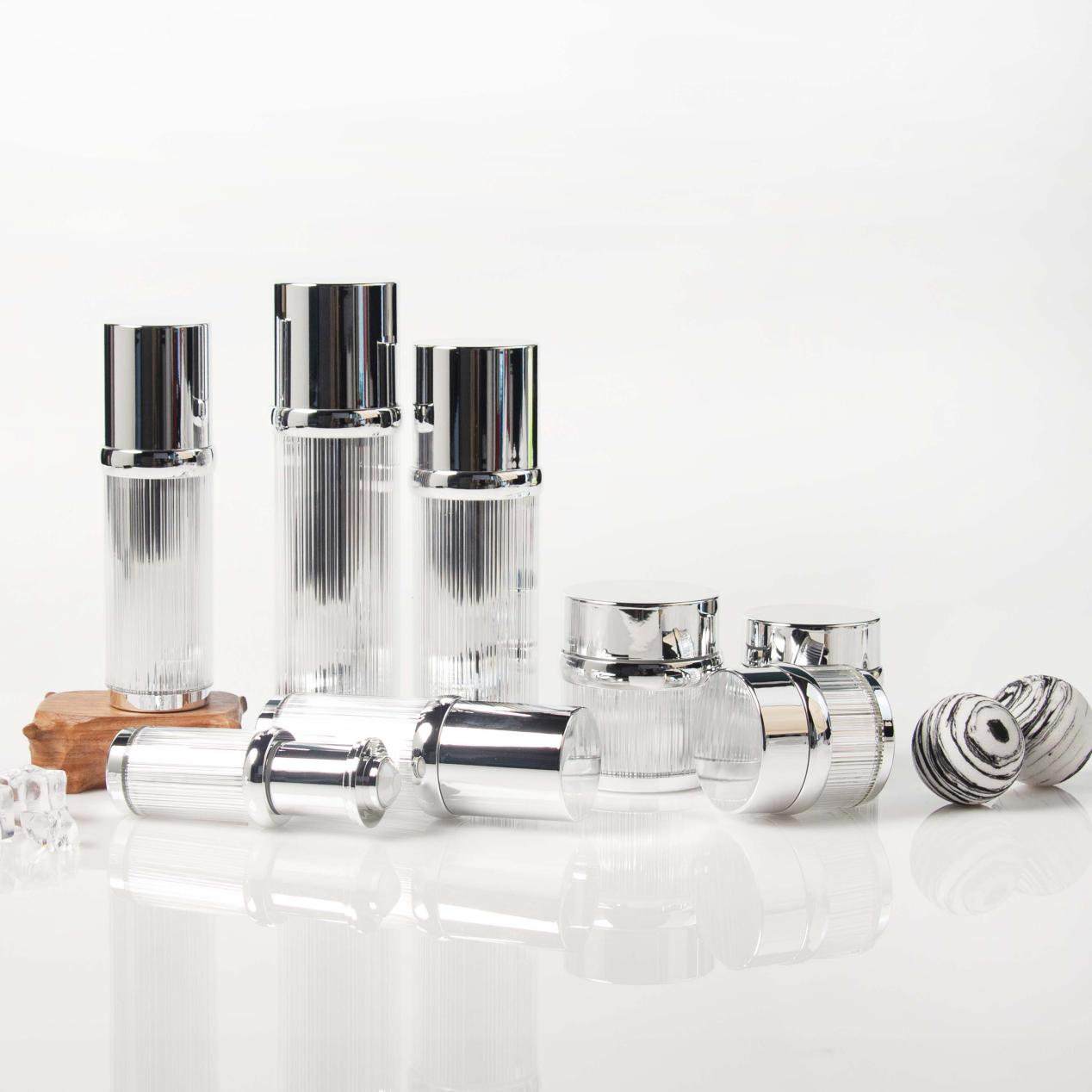
PP Vacuum Emulsion Bottles: The Eco-Chic Choice for Sustainable Packaging in 2025
Introduction: Navigating the Global Market for PP Vacuum Emulsion Bottles
In an era where sustainability has transitioned from a niche trend to a core consumer demand, the packaging industry is undergoing a profound transformation. For international B2B buyers across regions such as Africa, South America, the Middle East, Europe, and emerging markets like Vietnam and Nigeria, selecting the right packaging solution has become a strategic decision that balances functionality, brand identity, and environmental responsibility. Among the diverse array of sustainable packaging options, PP (Polypropylene) vacuum emulsion bottles have emerged as a standout choice, celebrated for their versatility, eco-friendliness, and cost-effectiveness.
This comprehensive guide delves into the world of PP vacuum emulsion bottles, exploring their technical specifications, manufacturing processes, industrial applications, and sourcing considerations. Additionally, it provides a detailed comparison with acrylic vacuum bottles—a popular alternative favored for its premium aesthetic—highlighting their shared features and key differences. By the end of this article, B2B buyers will have the insights needed to make informed purchasing decisions, aligned with their brand values and market demands: choose PP for sustainability and practicality, or acrylic for luxury and visual appeal.
The global market for vacuum emulsion bottles is projected to grow at a compound annual growth rate (CAGR) of 6.8% from 2025 to 2030, driven by increasing demand for eco-friendly packaging in the skincare, cosmetics, and personal care sectors. PP vacuum emulsion bottles, in particular, are gaining traction due to their low environmental impact, durability, and compatibility with a wide range of formulations. As brands strive to reduce their carbon footprint and meet the expectations of eco-conscious consumers, understanding the unique benefits and applications of PP vacuum emulsion bottles has never been more critical.
Understanding PP Vacuum Emulsion Bottles: Definition, Key Features, and Types
What Are PP Vacuum Emulsion Bottles?
PP vacuum emulsion bottles are a type of airless packaging solution constructed from Polypropylene (PP), a thermoplastic polymer renowned for its durability, flexibility, and sustainability. The core functionality of these bottles lies in their vacuum pump mechanism, which eliminates air exposure to the product inside, preserving the integrity of sensitive formulations such as serums, moisturizers, emulsions, and lotions. Unlike traditional pump bottles that draw air into the container as product is dispensed, vacuum emulsion bottles use a piston or diaphragm system to push product upward, maintaining a sealed environment that prevents oxidation, contamination, and degradation of active ingredients.
Polypropylene, the primary material used in these bottles, is a widely recycled plastic with a low carbon footprint compared to alternatives like acrylic or glass. It is derived from petroleum but can be produced using post-consumer recycled (PCR) content, further enhancing its environmental credentials. PP is also known for its chemical resistance, making it suitable for use with a variety of skincare and cosmetic ingredients, including acids, oils, and fragrances.
Key Features of PP Vacuum Emulsion Bottles
PP vacuum emulsion bottles are defined by a set of core features that make them ideal for B2B applications across multiple industries:
- Vacuum Sealing Technology: The airless design ensures that no air enters the bottle during dispensing, protecting sensitive formulations from oxidation and bacterial contamination. This extends the shelf life of products by up to 30% compared to traditional packaging, reducing waste and improving consumer satisfaction.
- Sustainable Material Composition: PP is a lightweight, recyclable material that can be processed into PCR (Post-Consumer Recycled) variants. PCR PP vacuum emulsion bottles divert plastic waste from landfills, aligning with global sustainability goals and appealing to eco-conscious consumers.
- Chemical Resistance: PP is resistant to most chemicals, including alcohols, acids, and oils, making it compatible with a wide range of skincare, cosmetic, and personal care formulations. It does not react with product contents, ensuring the purity and efficacy of the formulation.
- Durability and Shatterproof Design: Unlike glass or acrylic, PP is shatterproof and resistant to impact, reducing the risk of breakage during transportation and handling. This lowers shipping costs and minimizes product loss due to damaged packaging.
- Cost-Effectiveness: PP is an affordable material with low production and processing costs. This translates to competitive pricing for B2B buyers, particularly for high-volume orders, making PP vacuum emulsion bottles an ideal choice for mass-market products.
- Versatile Sizing and Design: PP vacuum emulsion bottles are available in a range of capacities, from 5ml travel-sized containers to 200ml full-sized bottles, catering to diverse product needs. They can also be customized with surface treatments such as silk screening, hot stamping, or color coating to align with brand identity.
- User-Friendly Dispensing: The vacuum pump mechanism provides precise, controlled dispensing, ensuring that consumers use the right amount of product each time. This enhances the user experience and reduces product waste.
Types of PP Vacuum Emulsion Bottles
The market offers several types of PP vacuum emulsion bottles, each designed to meet specific application requirements and consumer preferences:
| Type Name | Key Distinguishing Features | Primary B2B Applications | Pros & Cons for Buyers |
| Standard PP Vacuum Bottles | Basic design, 15ml–50ml capacities, no additional features | Mass-market skincare, cosmetics, personal care products | Pros: Cost-effective, widely available, suitable for high-volume orders. Cons: Limited customization options. |
| PCR PP Vacuum Bottles | Made from 30%–100% post-consumer recycled PP | Eco-conscious brands, natural product lines, sustainable packaging initiatives | Pros: High sustainability credentials, appeals to eco-aware consumers, reduces carbon footprint. Cons: Slightly higher cost than standard PP, limited color options. |
| Refillable PP Vacuum Bottles | Features a replaceable inner cartridge or refill pouch system | Luxury skincare, premium cosmetics, circular economy-focused brands | Pros: Reduces packaging waste, encourages repeat purchases, enhances brand loyalty. Cons: More complex design, higher initial investment. |
| Travel-Sized PP Vacuum Bottles | Compact design (5ml–15ml), leak-proof, lightweight | Travel kits, on-the-go beauty products, sample sizes | Pros: Portable, convenient for consumers, low shipping costs. Cons: Smaller capacity, limited to travel or sample use. |
| Customized PP Vacuum Bottles | Personalized designs, colors, branding elements, surface treatments | Niche markets, promotional products, brand-specific packaging | Pros: Enhances brand identity, stands out on shelves, supports marketing efforts. Cons: Longer lead times, higher production costs for custom designs. |
Standard PP Vacuum Bottles
Standard PP vacuum bottles are the most common type, featuring a simple, functional design that prioritizes affordability and efficiency. They are available in standard capacities (15ml, 30ml, 50ml) and are suitable for mass-market products such as facial moisturizers, body lotions, and hair serums. B2B buyers benefit from their wide availability and low minimum order quantities (MOQs), making them ideal for small to medium-sized businesses entering the market.
PCR PP Vacuum Bottles
PCR PP vacuum bottles are crafted from post-consumer recycled plastic, making them a sustainable choice for brands looking to reduce their environmental impact. They are available in various PCR percentages, with 100% PCR options offering the highest sustainability credentials. These bottles are particularly popular among natural and organic brands, as well as companies targeting eco-conscious consumers in Europe and North America. While they may cost 10%–20% more than standard PP bottles, the investment is often justified by improved brand reputation and consumer loyalty.
Refillable PP Vacuum Bottles
Refillable PP vacuum bottles feature a replaceable inner cartridge or refill pouch, allowing consumers to replenish their product without purchasing a new bottle. This design reduces packaging waste and aligns with the circular economy model, which is gaining traction in the packaging industry. Refillable PP bottles are commonly used for high-end skincare and cosmetics, where brands can charge a premium for the sustainable, user-friendly design. B2B buyers should note that refillable systems require more complex manufacturing processes, leading to higher initial costs and longer lead times.
Travel-Sized PP Vacuum Bottles
Travel-sized PP vacuum bottles are compact, lightweight, and leak-proof, making them ideal for travel kits, sample sizes, and on-the-go beauty products. They typically range in capacity from 5ml to 15ml and are designed to comply with airline carry-on regulations. These bottles are popular among brands targeting frequent travelers and consumers who value convenience. B2B buyers can leverage their low shipping costs and high demand to expand their product lines into the travel-sized segment.
Customized PP Vacuum Bottles
Customized PP vacuum bottles offer brands the opportunity to tailor the design, color, and branding elements to their specific needs. Surface treatments such as silk screening, hot stamping, frosting, and color coating can be applied to create a unique, premium look. These bottles are ideal for niche markets, promotional products, and brands looking to differentiate themselves from competitors. However, customization often requires higher MOQs and longer lead times, making them more suitable for large-scale businesses with established marketing strategies.
Industrial Applications of PP Vacuum Emulsion Bottles
PP vacuum emulsion bottles are versatile packaging solutions that find applications across multiple industries, thanks to their durability, sustainability, and compatibility with various formulations. Below is a detailed overview of their key industrial uses, along with the benefits they offer to businesses and the sourcing considerations for each sector.
| Industry/Sector | Specific Application | Value/Benefit for the Business | Key Sourcing Considerations |
| Skincare | Serums, moisturizers, emulsions, facial oils, anti-aging creams | Preserves active ingredients, extends shelf life, reduces waste | Ensure compatibility with sensitive formulations, prioritize PCR materials for eco-friendly brands |
| Cosmetics | Foundations, concealers, liquid blushes, highlighters | Prevents contamination, provides precise dispensing, maintains product consistency | Look for leak-proof designs, customizable surface treatments for branding |
| Personal Care | Body lotions, hand creams, hair serums, scalp treatments | Enhances user experience, supports sustainability initiatives, reduces shipping costs | Focus on refillability and ease of use, verify chemical resistance for haircare formulations |
| Pharmaceuticals | Topical treatments, medical creams, ointments | Ensures sterility, reduces contamination risks, complies with regulatory standards | Verify compliance with ISO, CE, and local pharmaceutical regulations |
| Cannabis Products | CBD oils, topical balms, cannabis-infused creams | Protects product potency, extends shelf life, aligns with sustainable branding | Ensure material safety, look for customizable designs for brand differentiation |
| Fragrance | Perfumes, body mists, scented lotions | Preserves fragrance integrity, prevents oxidation, enhances consumer appeal | Assess dispensing mechanism for controlled application, prioritize aesthetically pleasing designs |
Skincare Industry
The skincare industry is the largest consumer of PP vacuum emulsion bottles, driven by the need to protect sensitive formulations containing active ingredients such as retinol, vitamin C, hyaluronic acid, and peptides. These ingredients are prone to oxidation when exposed to air, which can reduce their efficacy and shorten the product’s shelf life. PP vacuum emulsion bottles eliminate air exposure, ensuring that the product remains effective for longer, thus improving consumer satisfaction and reducing returns.
For B2B buyers in the skincare sector, particularly those targeting eco-conscious markets in Europe and North America, sourcing PP vacuum bottles made from PCR materials is a key consideration. These bottles not only align with sustainability goals but also appeal to consumers who prioritize environmentally friendly packaging. Additionally, buyers should ensure that the bottles are compatible with their specific formulations, as some skincare products may contain acids or oils that require specialized chemical resistance.
Cosmetics Industry
In the cosmetics industry, PP vacuum emulsion bottles are used for liquid products such as foundations, concealers, liquid blushes, and highlighters. These products require precise dispensing to ensure even application, and the vacuum pump mechanism of PP bottles provides controlled, consistent output. Additionally, the airless design prevents contamination, which is crucial for products that come into direct contact with the skin.
B2B buyers in the cosmetics sector should prioritize leak-proof designs to avoid product spillage during transportation and use. Customizable surface treatments, such as silk screening and hot stamping, are also important for branding, as cosmetics consumers often make purchasing decisions based on packaging aesthetics. For mass-market brands, standard PP vacuum bottles offer a cost-effective solution, while luxury cosmetics brands may opt for customized or refillable PP bottles to enhance their premium image.
Personal Care Industry
The personal care industry uses PP vacuum emulsion bottles for a wide range of products, including body lotions, hand creams, hair serums, and scalp treatments. These products are often used daily, so durability and user-friendliness are key considerations. PP bottles are shatterproof and lightweight, making them ideal for bathroom and travel use. Their refillable designs also appeal to consumers looking to reduce waste, supporting brands’ sustainability initiatives.
For B2B buyers in the personal care sector, sourcing bottles with easy-to-use refill mechanisms is essential, as this encourages repeat purchases and builds brand loyalty. Additionally, buyers should verify that the bottles are resistant to the chemicals commonly found in haircare and body care products, such as sulfates and parabens. For brands targeting emerging markets in Africa and South America, cost-effectiveness is a priority, making standard PP vacuum bottles the preferred choice.
Pharmaceuticals Industry
In the pharmaceutical industry, PP vacuum emulsion bottles are used for packaging topical treatments, medical creams, and ointments. These products require strict sterility and contamination control, and the airless design of PP bottles ensures that the product remains sterile throughout its shelf life. Additionally, PP is a biocompatible material that does not react with pharmaceutical formulations, making it safe for use with medical products.
B2B buyers in the pharmaceutical sector must ensure that the PP vacuum bottles they source comply with international regulatory standards, such as ISO 9001 for quality management and CE marking for health and safety. Additionally, buyers should verify the material safety of the bottles, ensuring that they are free from harmful substances such as BPA. For pharmaceutical products, quality control is paramount, so working with suppliers that have rigorous QA processes is essential.
Cannabis Products Industry
The cannabis products industry is a growing market for PP vacuum emulsion bottles, particularly for packaging CBD oils, topical balms, and cannabis-infused creams. These products are sensitive to light, air, and heat, which can degrade their potency. PP vacuum bottles provide protection against these elements, extending the product’s shelf life and maintaining its efficacy. Additionally, the refillable and recyclable nature of PP bottles aligns with the sustainable branding that is common in the cannabis industry.
B2B buyers in the cannabis sector should look for PP vacuum bottles with customizable designs to differentiate their products in a competitive market. Additionally, buyers must ensure that the bottles comply with local regulations regarding cannabis packaging, which may include child-resistant closures and specific labeling requirements. Material safety is also a key consideration, as cannabis products are often used topically or ingested.
Fragrance Industry
In the fragrance industry, PP vacuum emulsion bottles are used for perfumes, body mists, and scented lotions. Fragrances are highly volatile and can lose their scent when exposed to air, so the airless design of PP bottles is crucial for preserving fragrance integrity. Additionally, the precise dispensing mechanism of PP bottles ensures that consumers can apply the right amount of fragrance, enhancing the user experience.
B2B buyers in the fragrance sector should prioritize aesthetically pleasing designs, as fragrance consumers often associate packaging with luxury and quality. Customizable surface treatments, such as frosting and electroplating, can enhance the premium look of PP bottles. Additionally, buyers should assess the dispensing mechanism to ensure that it provides controlled application, as over-dispensing can lead to product waste and consumer dissatisfaction.
Manufacturing Processes and Quality Assurance for PP Vacuum Emulsion Bottles
Key Stages of Manufacturing PP Vacuum Emulsion Bottles
The manufacturing of PP vacuum emulsion bottles involves several critical stages, each designed to ensure quality, sustainability, and functionality. Below is a detailed overview of the manufacturing process:
1. Material Sourcing and Preparation
The first step in manufacturing PP vacuum emulsion bottles is sourcing high-quality PP resin, which can be either virgin or post-consumer recycled (PCR). Virgin PP resin is derived from petroleum and offers consistent quality and performance, while PCR PP resin is made from recycled plastic waste, such as plastic bottles and containers. B2B buyers can choose the type of resin based on their sustainability goals and budget.
Once the resin is sourced, it undergoes a preparation process to remove impurities and ensure uniformity. This involves melting the resin at a temperature of 160°C–180°C and filtering it to remove any contaminants. For PCR PP resin, additional processing steps may be required to clean and sort the recycled material, ensuring that it meets the required quality standards.
2. Injection Molding
The next stage is injection molding, where the melted PP resin is injected into a mold under high pressure to form the bottle components, including the outer shell, inner piston, and pump mechanism. Injection molding is a highly efficient process that allows for mass production of consistent, high-quality components.
The mold design is critical to the final product’s performance, as it determines the bottle’s shape, size, and functionality. High-precision molds are used to ensure that the bottle components fit together seamlessly, creating an airtight seal. The injection molding process typically takes 10–30 seconds per cycle, depending on the bottle’s size and complexity.
3. Assembly
After the components are molded, they are assembled into finished PP vacuum emulsion bottles. The assembly process involves fitting the inner piston into the outer shell, attaching the pump mechanism, and testing the airtight seal. Automated assembly lines are used to ensure precision and efficiency, reducing the risk of human error.
During assembly, special attention is given to the vacuum pump mechanism, which is critical for the bottle’s functionality. The pump must be calibrated to ensure that it dispenses the correct amount of product and maintains a vacuum seal. Additionally, the bottle’s closure system, such as a cap or pump actuator, is attached to prevent leakage and ensure user-friendliness.
4. Surface Treatment and Customization
Once the bottles are assembled, they can undergo surface treatment and customization to meet the brand’s specific requirements. Common surface treatments for PP vacuum emulsion bottles include:
- Silk screening: Applying ink to the bottle’s surface to create logos, text, or designs.
- Hot stamping: Using heat and pressure to apply a metallic or colored foil to the bottle.
- Frosting: Creating a matte, frosted finish using chemical etching or sandblasting.
- Color coating: Applying a layer of colored paint to the bottle’s surface.
Customization options also include the choice of bottle color, shape, and size. Some manufacturers offer 3D printing services for small-batch orders, allowing brands to create unique, custom designs.
5. Quality Control and Testing
The final stage of manufacturing is quality control and testing, where each bottle is inspected to ensure that it meets the required standards for functionality, durability, and safety. Key quality control checks include:
- Leak testing: Ensuring that the bottle is airtight and does not leak when filled with product.
- Pump performance testing: Verifying that the pump dispenses the correct amount of product and maintains a vacuum seal.
- Material safety testing: Ensuring that the PP resin is free from harmful substances such as BPA, phthalates, and heavy metals.
- Visual inspection: Checking for defects such as scratches, dents, or uneven surfaces.
Bottles that pass the quality control checks are packaged and prepared for shipment. Manufacturers typically use standard export cartons for packaging, with additional protective materials for fragile or customized bottles.
Quality Assurance Standards and Certifications
For B2B buyers, ensuring that PP vacuum emulsion bottles meet international quality and sustainability standards is crucial. Below are some of the key certifications and standards to look for when sourcing PP vacuum bottles:
ISO Certifications
- ISO 9001: This standard specifies requirements for a quality management system, ensuring that the manufacturer consistently provides products that meet customer and regulatory requirements.
- ISO 14001: This standard focuses on environmental management, ensuring that the manufacturer minimizes its environmental impact through sustainable practices such as waste reduction and energy efficiency.
Sustainability Certifications
- FSC (Forest Stewardship Council): While primarily for wood and paper products, some manufacturers use FSC-certified materials in their packaging, indicating a commitment to sustainable sourcing.
- PCR Certification: Certifies that the PP resin used in the bottles contains a minimum percentage of post-consumer recycled content.
- BPA-Free Certification: Ensures that the bottles are free from bisphenol A (BPA), a harmful chemical that can leach into products.
Industry-Specific Standards
- CE Marking: Indicates that the bottles comply with European health, safety, and environmental protection standards.
- FDA Approval: Required for packaging used in food, pharmaceutical, and cosmetic products sold in the United States, ensuring that the materials are safe for contact with these products.
- REACH Compliance: Ensures that the bottles do not contain any substances of very high concern (SVHC) as specified by the European Chemicals Agency (ECHA).
Verifying Supplier Quality Control Measures
B2B buyers can take several steps to verify that their suppliers have robust quality control measures in place:
- Supplier Audits: Conducting on-site or virtual audits of the manufacturer’s facility to assess their production processes, quality management systems, and sustainability practices.
- Quality Assurance Reports: Requesting detailed reports from the supplier that outline their quality control processes, testing results, and compliance with certifications.
- Third-Party Inspections: Engaging independent third-party inspection services to evaluate the quality of the bottles before shipment.
- Sample Testing: Requesting product samples to conduct in-house testing for functionality, durability, and compatibility with the intended formulation.
By taking these steps, B2B buyers can ensure that the PP vacuum emulsion bottles they source meet their quality and sustainability requirements, minimizing the risk of product defects and customer complaints.
Acrylic Vacuum Bottles: An Overview
What Are Acrylic Vacuum Bottles?
Acrylic vacuum bottles, also known as PMMA (Polymethyl Methacrylate) vacuum bottles, are a premium packaging solution favored for their clarity, durability, and luxurious appearance. Acrylic is a transparent thermoplastic that closely resembles glass but is lighter and shatterproof, making it an ideal choice for high-end skincare, cosmetics, and fragrance products. Like PP vacuum emulsion bottles, acrylic vacuum bottles feature an airless pump mechanism that preserves product integrity by eliminating air exposure.
Acrylic is known for its excellent optical clarity, which allows consumers to see the product inside, enhancing its visual appeal. It is also highly customizable, with options for surface treatments such as frosting, coloring, and branding. Acrylic vacuum bottles are commonly used by luxury brands that prioritize aesthetic appeal and premium packaging to differentiate themselves in the market.
Key Features of Acrylic Vacuum Bottles
Acrylic vacuum bottles offer a range of features that make them suitable for high-end applications:
- Premium Aesthetic: Acrylic’s clarity and shine give it a glass-like appearance, creating a luxurious look that appeals to consumers seeking high-quality products.
- Shatterproof Design: Unlike glass, acrylic is lightweight and shatterproof, reducing the risk of breakage during transportation and handling.
- Customization Options: Acrylic can be easily colored, frosted, or engraved, allowing brands to create unique, branded packaging.
- Chemical Resistance: Acrylic is resistant to most chemicals, including cosmetics and skincare formulations, ensuring that it does not react with the product inside.
- Durability: Acrylic is a durable material that withstands daily use, maintaining its appearance over time.
- Vacuum Sealing Technology: Like PP vacuum bottles, acrylic vacuum bottles use an airless pump mechanism to preserve product integrity and extend shelf life.
Types of Acrylic Vacuum Bottles
Acrylic vacuum bottles are available in several types, each designed to meet specific brand and product needs:
| Type Name | Key Distinguishing Features | Primary B2B Applications | Pros & Cons for Buyers |
| Clear Acrylic Vacuum Bottles | High optical clarity, glass-like appearance | Luxury skincare, high-end cosmetics, fragrances | Pros: Premium aesthetic, enhances product visibility. Cons: Higher cost than PP, prone to scratches. |
| Frosted Acrylic Vacuum Bottles | Matte, frosted finish for a sophisticated look | Premium haircare, facial serums, luxury lotions | Pros: Hides product residue, reduces glare. Cons: Less transparent than clear acrylic. |
| Colored Acrylic Vacuum Bottles | Custom colored acrylic for brand alignment | Niche cosmetics, promotional products, limited-edition lines | Pros: Enhances brand identity, stands out on shelves. Cons: Higher production costs for custom colors. |
| Refillable Acrylic Vacuum Bottles | Replaceable inner cartridge or refill pouch | Luxury skincare, sustainable premium brands | Pros: Reduces packaging waste, encourages repeat purchases. Cons: Complex design, higher initial investment. |
Clear Acrylic Vacuum Bottles
Clear acrylic vacuum bottles are the most popular type, valued for their glass-like clarity and premium appearance. They are commonly used for luxury skincare products such as serums and moisturizers, as well as high-end cosmetics and fragrances. The transparency of clear acrylic allows consumers to see the product inside, which can be a selling point for formulations with unique colors or textures. However, clear acrylic is prone to scratches, so B2B buyers should consider adding a protective coating or choosing a frosted finish for durability.
Frosted Acrylic Vacuum Bottles
Frosted acrylic vacuum bottles feature a matte, frosted finish that gives them a sophisticated, elegant look. The frosted surface hides product residue and reduces glare, making them ideal for products that may leave marks on clear packaging. Frosted acrylic bottles are commonly used for premium haircare, facial serums, and luxury lotions. They are also less prone to scratches than clear acrylic, making them a durable choice for daily use.
Colored Acrylic Vacuum Bottles
Colored acrylic vacuum bottles are customized to match a brand’s color palette, enhancing brand identity and shelf appeal. They are often used for niche cosmetics, promotional products, and limited-edition lines. Colored acrylic can be produced in a range of shades, from pastels to bold hues, allowing brands to create unique, eye-catching packaging. However, custom colors may require higher MOQs and longer lead times, making them more suitable for large-scale brands.
Refillable Acrylic Vacuum Bottles
Refillable acrylic vacuum bottles feature a replaceable inner cartridge or refill pouch, aligning with the growing demand for sustainable luxury packaging. These bottles are used by premium brands that want to reduce their environmental impact while maintaining a high-end aesthetic. Refillable acrylic bottles encourage repeat purchases, as consumers can replenish their product without buying a new bottle. However, the complex design of refillable systems leads to higher initial costs and longer production times.
Comparison: PP Vacuum Emulsion Bottles vs. Acrylic Vacuum Bottles
To help B2B buyers make informed decisions, below is a detailed comparison of PP vacuum emulsion bottles and acrylic vacuum bottles, covering key aspects such as material properties, sustainability, cost, customization, and applications.
Material Properties
| Aspect | PP Vacuum Emulsion Bottles | Acrylic Vacuum Bottles |
| Material | Polypropylene (PP) – thermoplastic polymer | Polymethyl Methacrylate (PMMA) – acrylic thermoplastic |
| Weight | Lightweight (density: 0.90–0.91 g/cm³) | Lightweight (density: 1.18–1.20 g/cm³) – slightly heavier than PP |
| Durability | Shatterproof, impact-resistant, resistant to bending | Shatterproof, impact-resistant, rigid |
| Clarity | Opaque or translucent (can be colored) | High optical clarity (glass-like) or frosted |
| Chemical Resistance | Resistant to most chemicals, including acids, oils, and alcohols | Resistant to most cosmetics and skincare formulations |
| Temperature Resistance | Can withstand temperatures up to 100°C | Can withstand temperatures up to 80°C – less heat-resistant than PP |
| Scratch Resistance | Moderate – prone to scratches with heavy use | Low – more prone to scratches than PP |
Sustainability
| Aspect | PP Vacuum Emulsion Bottles | Acrylic Vacuum Bottles |
| Recyclability | Highly recyclable – can be processed into PCR (Post-Consumer Recycled) materials | Recyclable, but recycling infrastructure is less widespread than for PP |
| Carbon Footprint | Low – PP production requires less energy than acrylic | Higher – acrylic production is more energy-intensive |
| PCR Availability | Widely available in PCR variants (30%–100% PCR content) | PCR acrylic is less common and more expensive |
| Biodegradability | Not biodegradable, but recyclable | Not biodegradable, but recyclable |
| Environmental Impact | Lower environmental impact due to recyclability and low energy use | Higher environmental impact due to energy-intensive production and limited recycling |
Cost
| Aspect | PP Vacuum Emulsion Bottles | Acrylic Vacuum Bottles |
| Material Cost | Low – PP resin is affordable and widely available | High – acrylic resin is more expensive than PP |
| Production Cost | Low – injection molding of PP is efficient and cost-effective | High – acrylic requires more precise molding and processing |
| MOQ (Minimum Order Quantity) | Low to medium (typically 5,000–10,000 units) | Medium to high (typically 10,000–20,000 units) |
| Per-Unit Cost | Low – ideal for mass-market products | High – suitable for premium, high-priced products |
| Shipping Cost | Low – lightweight material reduces transportation costs | Higher – slightly heavier than PP, increasing shipping costs |
Customization
| Aspect | PP Vacuum Emulsion Bottles | Acrylic Vacuum Bottles |
| Surface Treatments | Silk screening, hot stamping, frosting, color coating | Silk screening, hot stamping, frosting, engraving, color matching |
| Color Options | Wide range of colors, including opaque and translucent shades | Wide range of colors, including clear, frosted, and custom hues |
| Shape Customization | Possible, but may require higher MOQs and longer lead times | Highly customizable – can be molded into complex shapes |
| Branding Options | Logos, text, and designs can be applied via surface treatments | Logos, text, and designs can be engraved or printed for a premium look |
Applications
| Aspect | PP Vacuum Emulsion Bottles | Acrylic Vacuum Bottles |
| Target Market | Mass-market, eco-conscious brands, value-oriented consumers | Luxury brands, high-end markets, consumers seeking premium packaging |
| Product Types | Skincare, cosmetics, personal care, pharmaceuticals, cannabis products | Luxury skincare, high-end cosmetics, fragrances, premium haircare |
| Key Selling Points | Sustainability, cost-effectiveness, durability | Premium aesthetic, brand differentiation, luxury appeal |
| Regional Demand | High in Europe, North America (eco-conscious markets), Africa, South America (value-oriented markets) | High in Europe, North America, Middle East (luxury markets) |
Common Points Between PP and Acrylic Vacuum Bottles
Despite their differences, PP vacuum emulsion bottles and acrylic vacuum bottles share several key features:
- Airless Vacuum Technology: Both types use a vacuum pump mechanism to eliminate air exposure, preserving product integrity and extending shelf life.
- Shatterproof Design: Unlike glass, both PP and acrylic are shatterproof, reducing the risk of breakage during transportation and use.
- Chemical Resistance: Both materials are resistant to most cosmetics and skincare formulations, ensuring compatibility with a wide range of products.
- Refillable Options: Both PP and acrylic vacuum bottles are available in refillable designs, supporting sustainability and circular economy practices.
- Customization: Both materials can be customized with surface treatments, colors, and branding elements to align with brand identity.
- Wide Application Range: Both are used across the skincare, cosmetics, personal care, and pharmaceutical industries, catering to diverse product needs.
Key Differences Between PP and Acrylic Vacuum Bottles
The primary differences between PP and acrylic vacuum bottles lie in their material properties, sustainability, cost, and aesthetic appeal:
- Aesthetic Appeal: Acrylic offers a glass-like clarity and premium look, making it ideal for luxury brands. PP is opaque or translucent, with a more functional, eco-friendly aesthetic.
- Sustainability: PP is more recyclable, has a lower carbon footprint, and is widely available in PCR variants, making it a more sustainable choice. Acrylic is recyclable but has a higher environmental impact due to energy-intensive production.
- Cost: PP is significantly more cost-effective than acrylic, making it suitable for mass-market products and value-oriented brands. Acrylic is more expensive, targeting premium markets.
- Durability: PP is more resistant to scratches and heat than acrylic, making it a more durable choice for daily use. Acrylic is prone to scratches but offers a more luxurious appearance.
- Customization: Acrylic offers more advanced customization options, such as engraving and complex shapes, while PP customization is more focused on surface treatments and colors.
Sourcing Guide for PP and Acrylic Vacuum Bottles
Step-by-Step Sourcing Checklist for B2B Buyers
Sourcing PP or acrylic vacuum bottles requires a strategic approach to ensure quality, sustainability, and alignment with brand goals. Below is a step-by-step checklist for B2B buyers:
Step 1: Define Technical Specifications
- Capacity: Determine the required bottle size (e.g., 15ml, 30ml, 50ml, 100ml) based on product needs and market trends.
- Material: Choose between PP (for sustainability and cost-effectiveness) or acrylic (for premium aesthetic).
- Features: Specify desired features such as refillability, leak-proof design, and pump mechanism type.
- Customization: Outline branding requirements, including surface treatments, colors, and logos.
Step 2: Research and Shortlist Suppliers
- Industry Experience: Look for suppliers with a proven track record in manufacturing vacuum bottles for your industry (e.g., skincare, cosmetics).
- Certifications: Verify that suppliers hold relevant certifications (ISO, CE, FDA, PCR) to ensure quality and compliance.
- Product Range: Assess the supplier’s product range to ensure they offer the type of bottle you need (e.g., PCR PP, clear acrylic).
- Client Reviews: Check customer testimonials and reviews to evaluate the supplier’s reliability and product quality.
Step 3: Evaluate Supplier Capabilities
- Production Capacity: Ensure the supplier can meet your order volume, including MOQs and lead times.
- Customization Capabilities: Verify that the supplier can accommodate your branding and design requirements.
- Sustainability Practices: For PP bottles, assess the supplier’s PCR sourcing and recycling initiatives. For acrylic bottles, inquire about their environmental impact reduction efforts.
- Quality Control: Ask about the supplier’s quality control processes, including testing and inspection procedures.
Step 4: Request Samples
- Order product samples to evaluate:
- Functionality: Test the pump mechanism, leak-proof design, and vacuum seal.
- Durability: Assess resistance to scratches, impact, and heat.
- Aesthetic: Evaluate the bottle’s appearance, including color, clarity, and surface finish.
- Compatibility: Test the bottle with your product formulation to ensure chemical resistance.
Step 5: Analyze Pricing and Terms
- Pricing Structure: Compare per-unit costs, including material, production, and customization fees.
- MOQs: Negotiate MOQs to align with your inventory and budget requirements.
- Lead Times: Confirm production and shipping lead times to ensure they meet your product launch schedule.
- Payment Terms: Discuss payment options (e.g., partial upfront payment, letters of credit) and ensure they are favorable for your cash flow.
Step 6: Verify Logistics and Compliance
- Shipping Options: Evaluate shipping methods, costs, and insurance coverage for international orders.
- Customs Compliance: Ensure the supplier provides all necessary documentation (e.g., certificates of origin, safety data sheets) for customs clearance.
- Regulatory Compliance: Verify that the bottles meet local regulations in your target markets (e.g., REACH in Europe, FDA in the US).
Step 7: Establish a Communication Plan
- Set up regular communication channels with the supplier to monitor production progress, address issues, and ensure transparency.
- Define escalation procedures for any problems that may arise during production or shipping.
Top Suppliers of PP and Acrylic Vacuum Bottles
Below are some leading suppliers of PP and acrylic vacuum bottles, suitable for international B2B buyers:
1. Jarsking
- Domain: jarsking.com
- Registered: 2022 (3 years)
- Product Range: PP and acrylic vacuum bottles, capacities 15ml–50ml.
- Key Features: Customizable colors, surface treatments (silk screening, frosting), PCR PP options.
- MOQ: 5,000 units.
- Certifications: ISO 9001, BPA-free.
- Applications: Skincare, cosmetics, personal care.
2. Compax Packaging
- Domain: compaxpackaging.com
- Registered: 2011 (14 years)
- Product Range: Acrylic vacuum bottles, clear and frosted finishes, capacities 30ml–100ml.
- Key Features: Premium glass-like appearance, refillable options, custom branding.
- MOQ: 10,000 units.
- Certifications: CE, FDA, ISO 14001.
- Applications: Luxury skincare, high-end cosmetics, fragrances.
3. Gideapac
- Domain: gideapac.com
- Registered: 2023 (2 years)
- Product Range: PP and acrylic vacuum bottles, capacities 5ml–200ml.
- Key Features: Biodegradable PP options, customizable designs, leak-proof pumps.
- MOQ: 3,000 units.
- Certifications: ISO 9001, PCR certified.
- Applications: Skincare, cosmetics, cannabis products.
4. New Directions Aromatics
- Domain: newdirectionsaromatics.com
- Registered: 2003 (22 years)
- Product Range: PP vacuum emulsion bottles, frosted finish, capacities 1oz–1.7oz.
- Key Features: Eco-friendly, refillable, airtight design.
- MOQ: 1,000 units.
- Certifications: FDA, BPA-free.
- Applications: Aromatherapy, skincare, personal care.
Cost Analysis for PP and Acrylic Vacuum Bottles
Cost Components
The total cost of sourcing PP or acrylic vacuum bottles includes several key components:
1. Material Cost
- PP: \(0.10–\)0.30 per unit (varies by capacity and PCR content). PCR PP costs 10%–20% more than virgin PP.
- Acrylic: \(0.50–\)1.50 per unit (varies by capacity and customization). Clear acrylic is cheaper than colored or frosted acrylic.
2. Production Cost
- PP: \(0.05–\)0.15 per unit (injection molding is efficient and low-cost).
- Acrylic: \(0.20–\)0.50 per unit (more precise molding and processing required).
3. Customization Cost
- PP: \(0.03–\)0.10 per unit for surface treatments (silk screening, hot stamping).
- Acrylic: \(0.10–\)0.30 per unit for surface treatments (engraving, frosting, color matching).
4. Tooling Cost
- PP: \(5,000–\)15,000 for custom molds (one-time investment).
- Acrylic: \(10,000–\)30,000 for custom molds (higher due to precision requirements).
5. Logistics Cost
- PP: \(0.02–\)0.05 per unit (lightweight reduces shipping costs).
- Acrylic: \(0.05–\)0.10 per unit (slightly heavier than PP).
6. Supplier Margin
- Typically 10%–30% of the total cost, depending on the supplier’s reputation and market position.
Cost Optimization Tips for B2B Buyers
- Bulk Ordering: Increase order volume to negotiate lower per-unit costs and reduce MOQ-related fees.
- Standardization: Use standard bottle sizes and designs to avoid custom tooling costs.
- PCR Material for PP: Choose PCR PP to enhance sustainability without significant cost increases.
- Simplify Customization: Opt for cost-effective surface treatments (e.g., silk screening) instead of complex engraving or color matching.
- Long-Term Partnerships: Build relationships with suppliers to secure favorable pricing and terms.
- Total Cost of Ownership: Consider not just the purchase price but also shipping, storage, and waste management costs.
Market Trends and Future Outlook for PP and Acrylic Vacuum Bottles
Current Market Trends
- Growing Demand for Sustainable Packaging: The global shift towards sustainability is driving demand for PP vacuum emulsion bottles, particularly PCR variants. Consumers are increasingly choosing brands that prioritize eco-friendly packaging, leading to higher adoption of PP bottles in Europe, North America, and emerging markets.
- Premiumization of Cosmetics and Skincare: The luxury cosmetics and skincare market is growing, fueling demand for acrylic vacuum bottles. Brands are using acrylic’s premium aesthetic to differentiate their products and target high-end consumers.
- Refillable Packaging: Refillable PP and acrylic vacuum bottles are gaining traction as brands look to reduce waste and enhance customer loyalty. Refillable systems allow consumers to replenish their products, aligning with circular economy practices.
- Customization and Branding: B2B buyers are increasingly seeking customized packaging to stand out on shelves. Both PP and acrylic bottles offer customization options, with acrylic providing more advanced branding opportunities.
- Technological Advancements: Innovations in vacuum pump technology are improving the functionality of PP and acrylic bottles, including better dispensing control and longer shelf life for products.
Future Outlook
- Sustainability Will Remain a Key Driver: The demand for PP vacuum emulsion bottles is expected to grow at a faster rate than acrylic bottles, driven by their superior sustainability credentials. PCR PP will become more mainstream, with brands aiming to use 100% PCR content in their packaging.
- Acrylic to Focus on Luxury and Customization: Acrylic vacuum bottles will continue to dominate the luxury market, with brands investing in advanced customization and design to maintain their premium positioning. Biodegradable acrylic alternatives may emerge to address sustainability concerns.
- Growth in Emerging Markets: Africa, South America, and Southeast Asia will become key markets for PP vacuum bottles, as consumers in these regions become more eco-conscious and value-oriented. Acrylic bottles will see growth in the Middle East and other luxury-focused markets.
- Regulatory Pressures: Stricter environmental regulations, such as the EU’s Packaging and Packaging Waste Directive, will drive brands to adopt more sustainable packaging solutions, favoring PP over acrylic.
- Innovation in Materials and Design: Manufacturers will continue to innovate, developing lighter, more durable PP and acrylic bottles with improved vacuum sealing technology. Customization options will expand, allowing brands to create unique, personalized packaging.
Conclusion: Choosing Between PP and Acrylic Vacuum Bottles
When selecting between PP vacuum emulsion bottles and acrylic vacuum bottles, B2B buyers should align their choice with their brand values, target market, and product requirements. Here’s a summary of the key considerations:
Choose PP Vacuum Emulsion Bottles If:
- You prioritize sustainability and want to reduce your brand’s environmental impact.
- Your target market is value-oriented or eco-conscious (e.g., mass-market consumers, natural skincare brands).
- Cost-effectiveness is a key factor, and you need to meet high-volume orders at a competitive price.
- You require durable, shatterproof packaging that is resistant to scratches and heat.
- Your product is a skincare, cosmetic, or personal care item that does not require a premium glass-like appearance.
Choose Acrylic Vacuum Bottles If:
- You want to position your brand as premium and target high-end consumers (e.g., luxury skincare, fragrances).
- Aesthetic appeal is a top priority, and you need packaging that resembles glass.
- You are willing to invest in higher-cost packaging to differentiate your products.
- Your product has a unique color or texture that benefits from acrylic’s clarity.
- You require advanced customization options, such as engraving or complex shapes.
In summary, PP vacuum emulsion bottles are the ideal choice for brands that value sustainability, cost-effectiveness, and practicality. Acrylic vacuum bottles are best suited for luxury brands that prioritize premium aesthetics and customization. By understanding the key differences and aligning their choice with their brand goals, B2B buyers can select the right packaging solution to meet their market demands and drive business success.
As the packaging industry continues to evolve, both PP and acrylic vacuum bottles will play important roles, with PP leading the way in sustainability and acrylic maintaining its position in the luxury market. By staying informed about market trends and technological advancements, B2B buyers can make strategic sourcing decisions that position their brands for long-term success.
Would you like me to create a detailed supplier comparison table for PP and acrylic vacuum bottle manufacturers, including contact information, pricing, and certification details? Or should I expand on any specific section, such as technical specifications or sustainability practices?