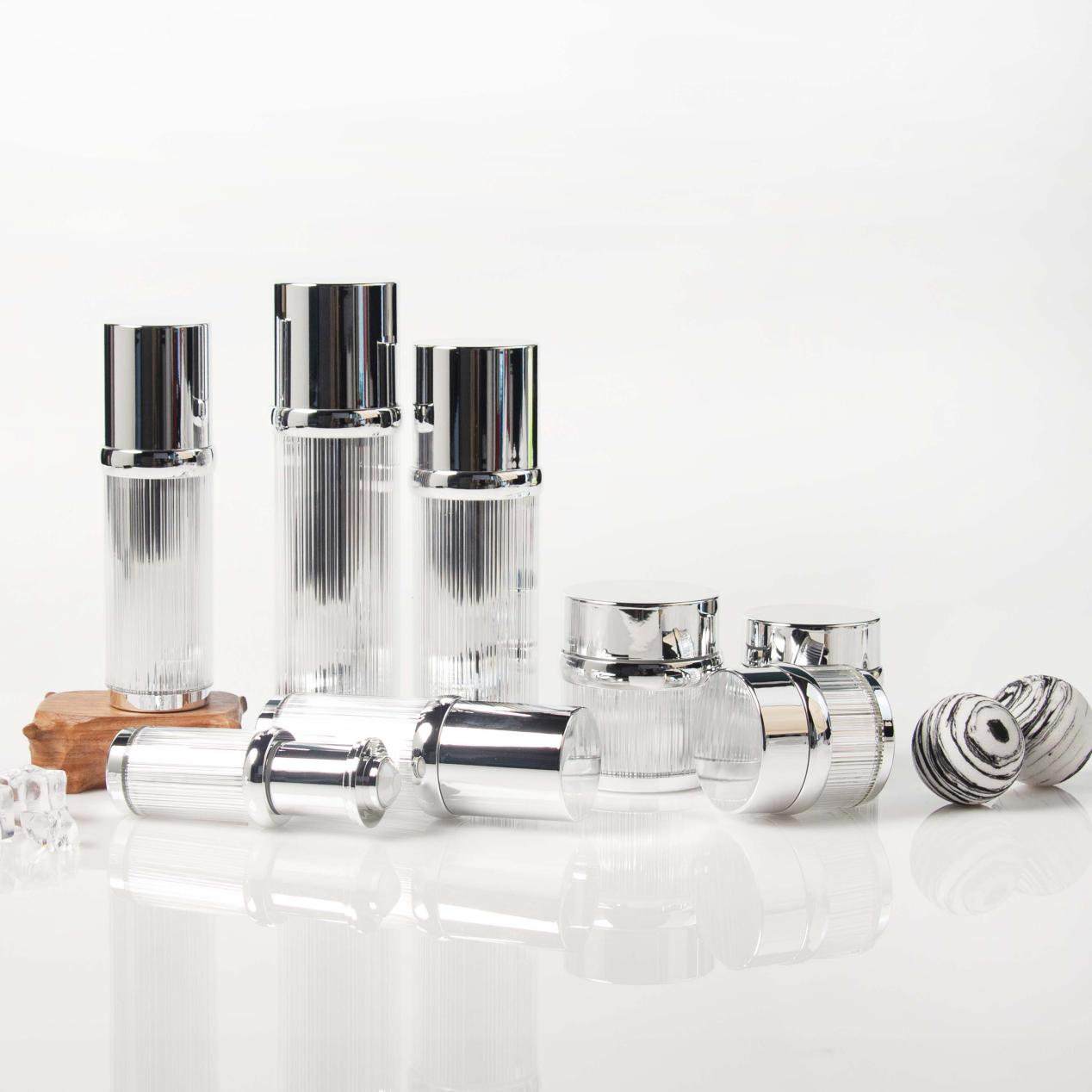
Selection and Evolution of Plastic Lotion Bottles with Pumps
Introduction: Navigating the Global Landscape of Pump-Activated Plastic Lotion Bottles
In the fast-paced world of global B2B commerce, the demand for plastic lotion bottles with pumps has evolved from a mere functional need to a strategic component of brand identity, sustainability goals, and market competitiveness. For buyers across regions—from the luxury-focused markets of Europe and the Middle East to the cost-sensitive sectors of Africa and South America—selecting the right pump-equipped plastic lotion bottle requires a nuanced understanding of material science, design trends, regulatory compliance, and consumer preferences.
The past decade has witnessed a paradigm shift in the packaging industry, driven by two interconnected forces: rising environmental consciousness and the quest for product differentiation. Consumers and regulators alike are pushing for reduced plastic waste, prompting brands to adopt recycled materials like Post-Consumer Recycled (PCR) plastic. Meanwhile, in sectors such as high-end skincare and cosmetics, aesthetic appeal has become a key differentiator, with golden lotion pump bottles and custom-designed containers emerging as tools to elevate perceived product value.
This article serves as a comprehensive guide for B2B buyers, exploring the types, applications, material selection, manufacturing processes, sourcing strategies, and future trends of plastic lotion bottles with pumps. By integrating detailed analyses, comparative tables, and practical insights, it aims to empower buyers to make informed decisions that align with their operational needs, sustainability targets, and regional market demands. Whether sourcing for a pharmaceutical line in Saudi Arabia or an eco-friendly skincare brand in Nigeria, this guide provides actionable frameworks to navigate the complexities of the global packaging market.
1. Types and Variations of Plastic Lotion Bottles with Pumps
Plastic lotion bottles with pumps are not a one-size-fits-all solution. Their design, material, and functionality are tailored to specific product requirements, brand positioning, and end-user needs. Below is a detailed breakdown of the most common types, their distinguishing features, applications, and trade-offs for B2B buyers.
Table 1: Key Types of Plastic Lotion Bottles with Pumps
| Type Name | Key Distinguishing Features | Recycled Content Percentage | Design Flexibility | Primary B2B Applications | Pros & Cons for Buyers |
| Golden Lotion Pump Bottle | – Gold-plated or gold-coated pump mechanism- Typically made from virgin PET or PCR PET- Matte or glossy surface finish- Available in round, square, or cylindrical shapes | 0–100% (PCR options available) | High (custom colors, shapes, and engravings) | – High-end skincare (serums, anti-aging creams)- Luxury cosmetics (foundation, primer)- Premium haircare (hair oils, masks) | Pros: Enhances brand prestige; attracts luxury consumers; compatible with premium formulations.Cons: Higher material and finishing costs; may require minimum order quantities (MOQs) of 5,000+ units. |
| Virgin PET Lotion Pump Bottle | – Clear or colored (translucent) PET material- Lightweight (10–30g per unit)- Excellent barrier properties against moisture and oxygen- Standard neck finishes (24/410, 28/410) | 0% (virgin material) | Medium (limited color options; standard shapes) | – Mass-market personal care (body lotions, hand washes)- Food & beverage (salad dressings, syrups)- Pharmaceuticals (topical creams, ointments) | Pros: Cost-effective (0.10–0.30 USD per unit); recyclable; shatterproof; suitable for bulk orders.Cons: Limited aesthetic customization; may degrade under prolonged UV exposure. |
| PCR Plastic Lotion Pump Bottle | – Made from 30–100% post-consumer recycled PET- Available in clear, opaque, or tinted variants- May include eco-friendly certifications (e.g., GRS, BPI)- Similar structural integrity to virgin PET | 30–100% (varies by supplier) | Medium (color inconsistencies possible with high PCR content) | – Sustainable brands (organic lotions, eco-friendly cleaners)- Corporate gifting (branded hand sanitizers)- European and North American markets (due to regulatory pressure) | Pros: Reduces carbon footprint; aligns with consumer sustainability preferences; qualifies for eco-labels.Cons: 15–20% higher cost than virgin PET; limited design options for 100% PCR variants. |
| Airless Pump Bottle | – Vacuum-sealed design (no air exposure)- Made from PET, PP, or PCR blends- Pump mechanism requires no dip tube- Available in small (15ml) to large (200ml) capacities | 0–80% (PCR blends available) | Low (standardized airtight designs) | – Sensitive skincare (vitamin C serums, retinol creams)- Pharmaceuticals (prescription ointments)- Travel-sized products (miniature lotions) | Pros: Extends product shelf life (6–12 months); prevents contamination; reduces product waste.Cons: Complex manufacturing (higher tooling costs); limited compatibility with thick formulations (e.g., body butters). |
| Dual Chamber Pump Bottle | – Two separate compartments (1:1 or 2:1 volume ratio)- Shared or separate pump mechanisms- Materials: PET, PP, or PCR-PET blends- Customizable compartment sizes | 0–70% (PCR options for outer shell) | High (custom compartment ratios; dual-color designs) | – Specialized skincare (two-step serums, peel-and-neutralizer kits)- Haircare (colorants + developers; shampoo + conditioner sets)- Medical aesthetics (treatment gels + activators) | Pros: Unique selling proposition (USP) for brands; eliminates product mixing by end-users; versatile for multi-step routines.Cons: High manufacturing complexity (2–3x higher cost than standard bottles); high MOQs (10,000+ units). |
| HDPE Lotion Pump Bottle | – Made from High-Density Polyethylene (HDPE)- Opaque or semi-opaque finish- High chemical resistance (suitable for oils and solvents)- Flexible or rigid variants | 0–100% (PCR HDPE available) | Low (limited shape options; primarily cylindrical) | – Heavy-duty personal care (oil-based moisturizers, 卸妆油)- Household cleaning (dish soaps, surface cleaners)- Industrial applications (lubricants, degreasers) | Pros: Highly durable; resistant to chemical degradation; cost-effective for industrial use.Cons: Less aesthetic appeal (opaque finish); limited compatibility with clear formulations. |
Key Trends in Bottle Variations
In recent years, three notable trends have shaped the evolution of plastic lotion bottles with pumps:
- Sustainability-First Designs: Suppliers are increasingly offering “100% PCR” or “bio-based PET” options, with some integrating plant-derived materials (e.g., sugarcane-based PET) to reduce reliance on fossil fuels.
- Miniaturization for Travel and Sampling: The rise of e-commerce and travel retail has driven demand for small-format pump bottles (10–30ml), ideal for product samples or carry-on-friendly packaging.
- Smart Packaging Integration: Premium brands are experimenting with pump bottles embedded with NFC (Near Field Communication) tags, allowing consumers to verify product authenticity or access usage tutorials via smartphones.
2. Key Industrial Applications Across Sectors
Plastic lotion bottles with pumps are versatile across industries, with each sector leveraging their functionality, durability, and aesthetic potential to meet specific needs. Below is an analysis of their applications, value propositions, and sourcing considerations by industry.
Table 2: Industrial Applications of Plastic Lotion Bottles with Pumps
| Industry/Sector | Specific Product Applications | Value/Benefit for the Business | Regional Demand Focus | Key Sourcing Considerations |
| Cosmetics & Personal Care | – Skincare: Lotions, serums, creams, sunscreens- Haircare: Hair oils, leave-in conditioners, scalp treatments- Makeup: Liquid foundations, primers, setting sprays | – Enhances brand image via premium packaging- Reduces product waste (precise pump dispensing)- Improves user experience (no spills, easy application) | – Europe: PCR and eco-friendly materials- Middle East: Golden and luxury finishes- Africa: Cost-effective virgin PET | – Compliance with EU Regulation (EC) No 1223/2009 (cosmetic safety)- Aesthetic alignment with brand identity- Pump performance (0.2–0.5ml per dispense) |
| Food & Beverage | – Condiments: Salad dressings, syrups, honey- Beverages: Flavored syrups (for coffee/tea)- Specialty Foods: Olive oils, truffle oils, nut butters | – Ensures food safety (BPA-free materials)- Extends shelf life (barrier properties of PET)- Enhances convenience (no messy pouring) | – North America: BPA-free and recyclable options- Asia: Small-format (50–100ml) for home use | – Compliance with FDA 21 CFR Part 177 (food-contact materials)- Resistance to oil and acid (for condiments)- Transparency (for product visibility) |
| Pharmaceutical | – Topical Medications: Antibacterial creams, anti-fungal ointments- Medical Devices: Skin protectants (for wound care)- OTC Products: Sunscreens, anti-itch creams | – Prevents contamination (airless designs)- Ensures accurate dosing (consistent pump output)- Meets strict regulatory standards | – Global: Sterility and compliance- Europe: PCR materials (where applicable)- US: FDA-approved materials | – Sterility (ISO 13485 certification for suppliers)- Compatibility with active pharmaceutical ingredients (APIs)- Tamper-evident closures |
| Household Cleaning | – Liquid Soaps: Hand soaps, dish soaps- Surface Cleaners: Multi-surface sprays, glass cleaners- Specialty Cleaners: Leather conditioners, wood polishes | – Facilitates controlled application (reduces overuse)- Durable (resistant to cleaning chemicals)- Cost-effective for bulk packaging | – Global: Durability and cost- Europe: Eco-friendly materials- Africa: Affordability | – Chemical resistance (compatibility with surfactants and solvents)- Durability (HDPE or thick PET)- User-friendly design (ergonomic pumps) |
| Travel & Miniature Products | – Travel-sized toiletries: Shampoos, conditioners, body washes- Product Samples: Skincare minis, perfume samples- Hotel Amenities: Guest soaps, lotions | – Meets airline carry-on regulations (≤100ml)- Drives trial (low-cost sampling)- Enhances brand exposure (portable branding) | – Global: Small-format (10–50ml)- Europe: Sustainable materials- Asia: Customizable designs | – Compact size (≤100ml)- Lightweight (reduces shipping costs)- Leak-proof seals (critical for travel) |
Case Study: Application in the European Cosmetics Sector
A leading European skincare brand recently switched from virgin PET to 50% PCR plastic lotion pump bottles for its best-selling moisturizer line. The move was driven by EU regulations mandating 30% recycled content in packaging by 2030 and consumer demand for sustainable products. The brand reported a 12% increase in sales within six months, as eco-conscious consumers responded positively to the packaging change. Sourcing considerations included verifying GRS (Global Recycled Standard) certification for the PCR material and ensuring the bottle’s clarity matched the original virgin PET design.
3. Common User Pain Points and Strategic Solutions
B2B buyers of plastic lotion bottles with pumps face unique challenges, from ensuring sustainable material quality to balancing cost and customization. Below are the most prevalent pain points, real-world examples, and actionable solutions.
Table 3: User Pain Points and Solutions for Plastic Lotion Bottles with Pumps
| Pain Point | Problem Description | Real-World Example | Strategic Solutions |
| Sourcing Authentic Sustainable Materials | Suppliers often overstate recycled content or eco-credentials, leading to non-compliance with regulations or consumer trust issues. | A Nigerian buyer ordered “100% PCR” bottles but received batches with only 30% recycled content, resulting in rejected shipments and delayed product launches. | 1. Request third-party certifications (GRS, SCS Global Services) for recycled content.2. Conduct material testing (e.g., infrared spectroscopy) to verify PCR percentage.3. Partner with suppliers who provide full material 溯源 (e.g., batch numbers linked to recycling facilities). |
| Customization Challenges (Language & Capabilities) | Language barriers and limited manufacturing capabilities among suppliers hinder the execution of custom designs (e.g., unique shapes, finishes). | A Middle Eastern brand sought to create a gold-plated pump bottle with Arabic calligraphy but struggled to communicate design specs to a Chinese supplier, leading to misprinted batches. | 1. Work with suppliers who have multilingual teams (e.g., Arabic, Spanish, French) for regional markets.2. Use 3D modeling software (e.g., CAD, SolidWorks) to share precise design files.3. Order a small prototype batch (50–100 units) before full production to validate designs. |
| Balancing Cost and Quality | Opting for low-cost bottles often results in quality issues (e.g., leaky pumps, brittle plastic), while high-quality options strain budgets. | A US-based pharmaceutical company chose a low-cost supplier for topical cream bottles, only to face 25% product leakage rates and customer complaints. | 1. Implement a “total cost of ownership (TCO)” analysis (include costs of reworks, returns, and brand damage).2. Negotiate long-term contracts (1–2 years) for volume discounts (10–15% lower per unit).3. Conduct in-process quality checks (e.g., pressure testing for leaks) during production. |
| Regulatory Compliance Across Regions | Varying regulations (e.g., EU REACH, US FDA, African NAFDAC) make it difficult to source bottles that meet all regional standards. | A global cosmetics brand faced delays in launching a new lotion in South America after discovering its pump bottles contained a chemical banned under Brazil’s ANVISA regulations. | 1. Create a regional compliance checklist (e.g., banned substances, labeling requirements).2. Partner with suppliers experienced in target markets (e.g., suppliers with ANVISA certifications for Brazil).3. Consult local regulatory experts to review packaging specs before production. |
Pro Tip for Buyers
For buyers sourcing across multiple regions, consider working with “one-stop” suppliers who can adapt bottles to different regulatory requirements (e.g., adding French labels for the EU, NAFDAC-compliant materials for Nigeria). This reduces the need to manage multiple supplier relationships and minimizes compliance risks.
4. Strategic Material Selection: Properties and Trade-Offs
The choice of material is the foundation of a high-performing plastic lotion pump bottle. Each material offers unique properties that impact durability, sustainability, cost, and compatibility with product formulations. Below is a detailed analysis of the most common materials, their characteristics, and ideal applications.
Table 4: Material Selection for Plastic Lotion Pump Bottles
| Material | Chemical Composition | Temperature Tolerance Range | Chemical Resistance | Recyclability | Cost Range (per kg) | Ideal Applications | Pros & Cons |
| Virgin PET (Polyethylene Terephthalate) | Petroleum-based thermoplastic | -40°C to 60°C | Excellent against moisture, oxygen, and mild acids; poor against strong solvents (e.g., acetone) | Highly recyclable (recycling code #1); widely accepted in global recycling systems | \(1.20–\)1.80 | – Clear formulations (serums, lotions)- Food-contact products (syrups, dressings)- Mass-market personal care | Pros: Lightweight; clear; cost-effective; recyclable.Cons: UV-sensitive (may yellow over time); poor solvent resistance. |
| PCR PET (Post-Consumer Recycled PET) | Recycled PET (from plastic bottles, packaging) | -40°C to 55°C | Similar to virgin PET; slight reduction in barrier properties with high PCR content | Recyclable (can be recycled 5–7 times); qualifies for eco-labels | \(1.50–\)2.20 | – Sustainable brands (organic lotions, eco-cleaners)- EU/NA markets (regulatory compliance)- Branded corporate gifts | Pros: Reduces carbon footprint; consumer appeal; regulatory compliance.Cons: Higher cost than virgin PET; potential color inconsistencies. |
| PP (Polypropylene) | Petroleum-based thermoplastic | -20°C to 100°C | Excellent against oils, solvents, and acids; poor against strong bases (e.g., ammonia) | Recyclable (recycling code #5); less widely accepted than PET | \(1.40–\)2.00 | – Thick formulations (body butters, hair masks)- High-temperature products (warm lotions)- Industrial lubricants | Pros: Heat-resistant; chemical-resistant; flexible.Cons: Opaque (limited clarity); higher cost than PET. |
| HDPE (High-Density Polyethylene) | Petroleum-based thermoplastic | -40°C to 120°C | Excellent against oils, solvents, and chemicals; poor against strong oxidizers | Recyclable (recycling code #2); high recycling rate | \(1.10–\)1.70 | – Heavy-duty cleaning products (dish soaps, degreasers)- Oil-based products (卸妆油,hair oils)- Pharmaceutical ointments | Pros: Durable; chemical-resistant; cost-effective.Cons: Opaque; limited design flexibility. |
| PMMA (Polymethyl Methacrylate) | Petroleum-based thermoplastic (acrylic) | 0°C to 80°C | Poor against solvents (e.g., alcohol, acetone); good against mild acids | Recyclable (recycling code #7); limited recycling infrastructure | \(2.50–\)3.50 | – Premium skincare (high-end serums, anti-aging creams)- Luxury cosmetics (foundation bottles)- Display packaging | Pros: Glass-like clarity; premium aesthetic; UV-resistant.Cons: High cost; brittle; poor chemical resistance. |
| Bio-Based PET (Sugarcane PET) | Plant-derived (sugarcane ethanol) + petroleum | -40°C to 60°C | Identical to virgin PET; same barrier properties | Recyclable (same as virgin PET); carbon-negative production | \(1.80–\)2.50 | – Ultra-sustainable brands (zero-waste products)- European markets (ESG goals)- Eco-conscious consumers | Pros: Carbon-negative; renewable feedstock; same performance as virgin PET.Cons: Highest cost; limited supplier availability. |
Material Compatibility Checklist for Buyers
When selecting a material, always test compatibility with your product formulation. Key tests include:
- Extraction Testing: Ensures no chemicals leach from the bottle into the product (critical for cosmetics and pharmaceuticals).
- Stress Cracking Test: Evaluates if the material degrades when in contact with product ingredients (e.g., oils, solvents).
- Barrier Property Test: Measures moisture and oxygen transmission rates (critical for products with short shelf lives, like serums).
5. Manufacturing Processes and Quality Assurance Protocols
The manufacturing process of plastic lotion bottles with pumps directly impacts their quality, consistency, and performance. Below is a step-by-step breakdown of the process, key quality control (QC) checkpoints, and international standards to ensure compliance.
5.1 Step-by-Step Manufacturing Process
- Material Preparation
- Resin Drying: Virgin or PCR PET resin is dried in a hopper dryer at 80–120°C for 4–6 hours to remove moisture (moisture content >0.02% causes defects like bubbles).
- Color Masterbatch Addition: Pigments or colorants are mixed with the resin to achieve the desired color (e.g., gold for premium bottles, green for eco-friendly brands).
- Preform Injection Molding
- The dried resin is heated to 260–280°C and injected into a preform mold under high pressure (50–80MPa).
- Preforms are small, test-tube-shaped pieces with a threaded neck (to attach the pump later).
- QC Check: Preforms are inspected for dimensional accuracy (neck diameter, wall thickness) and surface defects (scratches, bubbles).
- Blow Molding
- Preforms are reheated to 90–120°C (softening the plastic without melting it).
- Compressed air (20–30 bar) is blown into the preform, expanding it to fit the bottle mold.
- Two common blow molding techniques:
- Injection Blow Molding (IBM): Used for small bottles (10–50ml); high precision.
- Extrusion Blow Molding (EBM): Used for large bottles (100–500ml); cost-effective for bulk production.
- QC Check: Bottles are checked for uniform wall thickness (0.3–0.5mm), no leaks, and correct shape.
- Pump Assembly
- Pump components (dip tube, piston, spring, actuator) are manufactured via injection molding (PP or HDPE for durability).
- The pump is attached to the bottle’s threaded neck, with a seal (rubber or silicone) to prevent leakage.
- QC Check: Pumps are tested for functionality (number of presses to prime, consistent output) and leak resistance (pressure testing at 5–10 bar).
- Finishing and Decoration
- Surface Treatments: UV coating (for scratch resistance), gold plating (for premium bottles), or matte finishing (for a soft touch).
- Labeling: Direct printing (pad printing, digital printing) or adhesive labels (waterproof for bathroom products).
- QC Check: Decorations are inspected for adhesion (tape test) and color consistency (spectrophotometer testing).
- Final Packaging
- Bottles are packed in cartons or pallets, with dividers to prevent damage during shipping.
- QC Check: Final inspection for any defects (scratches, leaks, misaligned pumps) before shipment.
5.2 Quality Assurance (QA) Standards and Certifications
B2B buyers should prioritize suppliers who adhere to the following international standards:
- ISO 9001: Quality management system (ensures consistent production processes).
- ISO 14001: Environmental management system (relevant for sustainable materials like PCR).
- FDA 21 CFR Part 177: For food and pharmaceutical contact materials (ensures no harmful chemicals leach).
- EU Regulation (EC) No 10/2011: For plastic materials in contact with food (applies to EU markets).
- GRS (Global Recycled Standard): For PCR materials (verifies recycled content and ethical sourcing).
5.3 Key QC Checkpoints
To ensure quality, buyers should require suppliers to implement the following QC measures:
| QC Checkpoint | Testing Method | Acceptance Criteria |
| Incoming Material QC | Infrared spectroscopy (for PCR content); moisture analysis (for resin) | PCR content ≥ stated percentage; resin moisture content ≤ 0.02%. |
| Preform QC | Calipers (dimensional accuracy); visual inspection (surface defects) | Neck diameter ±0.1mm; no bubbles or scratches. |
| Bottle Blow Molding QC | Pressure testing (leakage); wall thickness gauge (uniformity) | No leaks at 5 bar; wall thickness ±0.05mm. |
| Pump Functionality QC | Cycle testing (5,000 presses); output measurement (ml per press) | Consistent output (±0.05ml); no pump failure after 5,000 presses. |
| Final Product QC | Visual inspection (decorations); drop testing (durability) | No scratches or misprints; no damage after 1m drop onto concrete. |
6. Practical Sourcing Guide: Step-by-Step Framework
Sourcing plastic lotion bottles with pumps requires a structured approach to avoid costly mistakes, ensure compliance, and align with business goals. Below is a step-by-step checklist for B2B buyers.
Table 5: Step-by-Step Sourcing Checklist
| Step Number | Key Actions | Tools/Resources Needed | Common Pitfalls to Avoid |
| 1. Define Technical Specifications | – Finalize bottle size (10–500ml) and shape (round, square, cylindrical).- Select material (PET, PCR, PP, etc.) based on product compatibility.- Specify pump details (output: 0.2–0.5ml; material: PP + stainless steel).- Outline customization (color, finish, labeling). | – Product formulation sheet (for material compatibility).- 3D design files (CAD/SolidWorks).- Regional compliance checklist (e.g., EU REACH, US FDA). | – Vague specs (e.g., “gold finish” instead of “24K gold plating”).- Ignoring product-formula compatibility (e.g., using PET for solvent-based products). |
| 2. Research Market Trends and Regional Demands | – Analyze trends in target markets (e.g., PCR demand in Europe, luxury finishes in the Middle East).- Review competitor packaging to identify gaps (e.g., no sustainable options in Africa).- Assess regulatory changes (e.g., upcoming plastic taxes in the EU). | – Market reports (e.g., Grand View Research’s “Global Plastic Packaging Market”).- Competitor analysis tools (e.g., SimilarWeb, SEMrush).- Regulatory databases (e.g., EU Official Journal, FDA.gov). | – Overlooking regional preferences (e.g., bright colors in Africa vs. minimalism in Europe).- Ignoring upcoming regulations (e.g., 2025 plastic recycling mandates). |
| 3. Identify and Evaluate Suppliers | – Source suppliers via platforms (Alibaba, Thomasnet) or industry trade shows (PackExpo, Cosmoprof).- Screen suppliers for certifications (ISO 9001, GRS, FDA).- Assess production capacity (can they meet your volume needs?).- Check references (ask for 2–3 client testimonials). | – Supplier screening checklist (certifications, capacity, lead time).- Trade show calendars (PackExpo.com, Cosmoprof.com).- Reference check questionnaire (quality, on-time delivery). | – Choosing suppliers based solely on cost (low-cost suppliers may cut corners on quality).- Working with suppliers without regional experience (e.g., a Chinese supplier unfamiliar with NAFDAC regulations). |
| 4. Request Samples and Test Quality | – Order 50–100 prototype units (test both bottle and pump).- Conduct material testing (PCR content, chemical compatibility).- Test pump functionality (leakage, output consistency).- Evaluate aesthetic appeal (color, finish, labeling). | – Third-party testing labs (SGS, Intertek).- Pump testing equipment (cycle testers, output meters).- Visual inspection checklist (scratches, misprints). | – Skipping prototype testing (e.g., ordering 10,000 units without verifying quality).- Testing only aesthetics (ignoring critical factors like pump durability). |
| 5. Compare Pricing and Negotiate Terms | – Request detailed quotes (include material, labor, tooling, logistics).- Calculate total cost of ownership (TCO) (add costs of reworks, shipping, 关税).- Negotiate terms: MOQ, lead time, payment (30% deposit + 70% before shipment), and quality guarantees. | – TCO calculator (Excel spreadsheet with cost breakdowns).- Negotiation checklist (MOQ, lead time, discounts).- Incoterms guide (FOB, CIF, EXW). | – Focusing only on unit cost (ignoring hidden costs like shipping or reworks).- Accepting unfavorable payment terms (e.g., 100% upfront). |
| 6. Verify Certifications and Compliance | – Request copies of certifications (ISO, GRS, FDA).- Audit supplier facilities (in-person or via video) to verify processes.- Ensure labeling complies with regional requirements (e.g., recycling symbols, ingredient lists). | – Certification verification databases (ISO.org, GRS-global.org).- Audit checklist (production processes, QC measures).- Labeling compliance guide (e.g., EU Packaging Directive). | – Taking certifications at face value (some suppliers forge documents).- Ignoring labeling compliance (e.g., missing recycling symbols in the EU). |
| 7. Place Order and Monitor Production | – Sign a detailed contract (include specs, quality standards, delivery date, and penalty clauses for delays).- Schedule in-process inspections (e.g., after preform molding, before final packaging).- Communicate regularly with the supplier (weekly updates on production status). | – Legal contract (reviewed by a lawyer).- Inspection schedule (milestones for QC checks).- Communication plan (weekly calls, email updates). | – Vague contracts (no penalty clauses for late delivery).- Lack of communication (suppliers may deviate from specs without notice). |
| 8. Receive Shipment and Conduct Final Inspection | – Inspect the shipment upon arrival (check quantity, packaging damage, and product quality).- Conduct random sampling (test 1–2% of units for pump functionality and defects).- Document any issues (photos, test results) and notify the supplier immediately. | – Receiving inspection checklist (quantity, damage, quality).- Sampling plan (e.g., AQL 1.0 for defect rate).- Issue documentation template (photos, test reports). | – Skipping final inspection (e.g., accepting the shipment without checking for defects).- Delaying issue reporting (suppliers may deny responsibility after a certain period). |
Pro Tip for International Sourcing
For buyers sourcing from Asia (e.g., China, India), consider working with a local sourcing agent. Agents can verify supplier facilities, negotiate terms in the local language, and handle logistics (customs, shipping), reducing risk and saving time.
7. Comprehensive Cost and Pricing Analysis
Understanding the cost components of plastic lotion bottles with pumps is critical for budgeting and negotiating with suppliers. Below is a breakdown of key cost drivers, pricing influences, and cost-saving strategies.
7.1 Key Cost Components (Per Unit)
| Cost Component | Average Cost Range (USD) | Description | Influencing Factors |
| Material Cost | \(0.05–\)0.30 | Cost of resin (PET, PCR, PP) and pump components (PP, stainless steel). | – Material type (PCR is 15–20% more expensive than virgin PET).- Pump complexity (airless pumps cost 2–3x more than standard pumps). |
| Labor Cost | \(0.02–\)0.10 | Labor for manufacturing (injection molding, blow molding, assembly). | – Regional wage rates (China: \(0.02–\)0.05; US: \(0.08–\)0.10).- Automation level (highly automated facilities have lower labor costs). |
| Manufacturing Overhead | \(0.03–\)0.08 | Costs for utilities (electricity, water), equipment maintenance, and facility rent. | – Energy prices (higher in Europe than Asia).- Facility size (larger facilities have lower per-unit overhead). |
| Tooling Cost | \(0.01–\)0.05 (amortized) | Cost of molds for preforms and bottles (one-time cost, amortized over production). | – Mold complexity (custom shapes cost \(5,000–\)20,000; standard shapes cost \(1,000–\)5,000).- Production volume (higher volume reduces amortized cost per unit). |
| Quality Control Cost | \(0.02–\)0.06 | Costs for testing (material, pump functionality) and inspections. | – Testing scope (third-party testing costs more than in-house testing).- Defect rate (higher defect rates require more reworks, increasing cost). |
| Logistics Cost | \(0.03–\)0.15 | Costs for shipping (ocean vs. air), customs, and tariffs. | – Shipping method (ocean: \(0.03–\)0.08; air: \(0.10–\)0.15).- Distance (Asia to Europe: \(0.08–\)0.12; Asia to Africa: \(0.06–\)0.10).- Tariffs (EU: 4.7% on plastic packaging; US: 2.5%). |
| Supplier Margin | \(0.02–\)0.08 | Profit margin for the supplier (typically 10–15% of total cost). | – Supplier type (manufacturers have lower margins than distributors).- Order volume (larger orders = lower margin per unit). |
| Total Average Cost | \(0.18–\)0.82 |
7.2 Pricing Influencers
Several factors can cause significant fluctuations in the cost of plastic lotion bottles with pumps:
- Raw Material Prices: Global PET resin prices fluctuate based on oil prices (PET is derived from petroleum). For example, a 10% increase in oil prices can raise PET costs by 5–7%.
- Order Volume: Suppliers offer tiered pricing for larger orders. For example:
- 1,000–5,000 units: $0.50 per unit
- 5,001–10,000 units: $0.45 per unit
- 10,001+ units: $0.40 per unit
- Customization: Custom designs (e.g., unique shapes, gold plating) can increase costs by 20–50%. Standard designs are significantly cheaper.
- Regulatory Requirements: Meeting strict standards (e.g., FDA for pharmaceuticals) may require additional testing, increasing costs by 5–10%.
- Currency Exchange Rates: For international buyers, fluctuations in the US dollar (the global trade currency) can impact costs. A 5% strengthening of the dollar can increase costs for European buyers by 5%.
7.3 Cost-Saving Strategies
For B2B buyers looking to optimize costs without compromising quality, consider these strategies:
- Consolidate Orders: Combine orders for multiple products (e.g., lotion bottles + shampoo bottles) to meet higher MOQs and qualify for volume discounts.
- Choose Standard Designs: Opt for standard shapes and finishes (e.g., cylindrical bottles, clear PET) instead of custom designs.
- Negotiate Long-Term Contracts: Lock in prices with 1–2 year contracts to avoid raw material price fluctuations.
- Use Ocean Freight: For non-urgent orders, choose ocean freight over air freight (saves 50–70% on logistics costs).
- Partner with Local Suppliers: For regional markets (e.g., Africa), source from local or nearshore suppliers (reduces shipping costs and tariffs).
- Opt for Partial Customization: Customize only key elements (e.g., labels) instead of the entire bottle. This maintains brand identity at a lower cost.
8. Alternatives to Plastic Lotion Bottles with Pumps
While plastic lotion bottles with pumps are versatile, some brands may opt for alternative packaging to meet specific goals (e.g., ultra-sustainability, premium positioning). Below is a comparison of plastic pump bottles with common alternatives.
Table 6: Comparison of Plastic Lotion Bottles with Pumps and Alternatives
| Alternative Packaging | Material Composition | Performance | Cost (Per Unit) | Environmental Impact (Carbon Footprint) | Best Use Case | Pros & Cons |
| Glass Lotion Pump Bottles | Soda lime glass + stainless steel pump | – Excellent barrier properties (preserves sensitive formulations)- Premium aesthetic- Reusable (can be refilled) | \(0.80–\)2.00 | High (1.2kg CO₂ per unit; glass production is energy-intensive) | – Luxury skincare (high-end serums, retinol creams)- Pharmaceuticals (prescription ointments)- Premium cosmetics (foundation) | Pros: Premium aesthetic; reusable; no chemical leaching.Cons: Heavy (increases shipping costs); fragile (high breakage rate); high carbon footprint. |
| Aluminum Lotion Pump Bottles | Aluminum + plastic pump (or aluminum pump) | – Lightweight (lighter than glass)- Excellent barrier properties (oxidation-resistant)- Recyclable (infinitely recyclable) | \(0.60–\)1.50 | Medium (0.6kg CO₂ per unit; aluminum recycling saves 95% energy) | – Premium haircare (hair oils, scalp treatments)- Men’s grooming products (aftershave lotions)- Travel-sized products (miniature bottles) | Pros: Lightweight; recyclable; premium look.Cons: Higher cost than plastic; pump may still be plastic (reduces sustainability); dents easily. |
| Biodegradable Plastic Pump Bottles | PLA (Polylactic Acid) + plant-based materials | – Similar performance to PET (but degrades in compost)- Compostable in industrial facilities (180 days) | \(0.50–\)1.00 | Low (0.3kg CO₂ per unit; made from renewable resources) | – Ultra-sustainable brands (zero-waste products)- European markets (compostable packaging mandates)- Single-use products (samples) | Pros: Compostable; renewable feedstock; low carbon footprint.Cons: Requires industrial composting (does not degrade in home compost); poor chemical resistance (not for solvents). |
| Silicone Lotion Bottles | Food-grade silicone + plastic pump | – Flexible (easy to squeeze empty)- Durable (resistant to drops)- Reusable (can be refilled multiple times) | \(0.70–\)1.20 | Medium (0.5kg CO₂ per unit; silicone is non-biodegradable but recyclable) | – Baby care (gentle lotions, diaper creams)- Travel products (squeeze bottles)- Sports products (hydrating lotions) | Pros: Flexible; reusable; durable.Cons: Higher cost than plastic; pump is often plastic; may retain odors. |
| Paper-Based Pump Bottles | Recycled paper + plastic liner (for liquid barrier) | – Eco-friendly aesthetic- Lightweight- Recyclable (paper outer layer) | \(0.40–\)0.80 | Low (0.4kg CO₂ per unit; paper is renewable) | – Eco-conscious brands (organic lotions, natural cleaners)- Limited-use products (sample sizes)- Promotional products (branded hand sanitizers) | Pros: Eco-friendly aesthetic; lightweight; low cost.Cons: Requires plastic liner (reduces sustainability); not durable (water-sensitive); limited shelf life. |
Key Considerations When Choosing Alternatives
- Sustainability Goals: If your brand’s top priority is zero plastic waste, opt for glass (reusable) or biodegradable plastic (compostable).
- Cost Constraints: Alternatives are generally more expensive than plastic; only choose them if the value proposition (e.g., premium positioning) justifies the cost.
- Product Compatibility: Ensure the alternative is compatible with your formulation (e.g., glass is suitable for solvents; paper is not).
- Regional Availability: Some alternatives (e.g., biodegradable plastic) have limited suppliers in regions like Africa; plastic is more widely available globally.
9. Essential Technical Properties and Trade Terminology
For B2B buyers, understanding technical properties and industry jargon is critical for effective communication with suppliers and ensuring product compliance. Below is a breakdown of key technical specifications and trade terms.
9.1 Key Technical Properties
| Technical Property | Definition | Industry Standard | Testing Method | Importance for Buyers |
| Neck Finish | The threaded part of the bottle where the pump attaches (diameter + thread type). | Standard sizes: 24/410, 28/410, 32/415 (diameter in mm/thread pitch) | Calipers (measure diameter); thread gauge (verify pitch) | Ensures pump compatibility (e.g., a 24/410 pump will not fit a 28/410 bottle). |
| Pump Output | The volume of product dispensed per pump press. | 0.2–0.5ml per press (standard); 1.0ml (for thick formulations) | Volumetric flask (measure output per press) | Ensures consistent dosing (critical for pharmaceuticals and skincare). |
| Barrier Properties | The bottle’s ability to block moisture, oxygen, and light. | PET: <0.1g/m²/24h (moisture); <5cc/m²/24h (oxygen) | Gravimetric method (moisture); gas chromatography (oxygen) | Protects product integrity (e.g., oxygen can degrade vitamin C serums). |
| Tolerance Levels | Acceptable variations in dimensions (e.g., bottle height, wall thickness). | ±0.1mm (diameter); ±0.05mm (wall thickness) | Calipers; micrometers | Ensures compatibility with filling equipment (automated lines require tight tolerances). |
| Chemical Compatibility | The bottle’s resistance to degradation from product ingredients (oils, solvents). | No leaching (per FDA 21 CFR Part 177) | Extraction testing (GC-MS); stress cracking test | Prevents chemical reactions between the bottle and product (e.g., solvent-based products can dissolve PET). |
| Recyclability | The ability of the bottle to be recycled into new materials. | PET: recycling code #1; PP: #5; HDPE: #2 | Recyclability testing (per ISO 15270) | Aligns with sustainability goals and regulatory requirements (e.g., EU recycling mandates). |
9.2 Common Trade Terms
| Trade Term | Definition | Buyer Responsibility | Seller Responsibility | Importance for Buyers |
| OEM (Original Equipment Manufacturer) | A supplier that manufactures products for a brand, which then sells them under its own name. | Provide design specs and branding (labels, logos); market the final product. | Manufacture the product to the brand’s specs; ensure quality. | Allows brands to customize bottles without investing in manufacturing facilities. |
| MOQ (Minimum Order Quantity) | The smallest number of units a supplier is willing to sell. | Order at least the MOQ; negotiate lower MOQs for small brands. | Fulfill orders at or above the MOQ; offer volume discounts for larger orders. | Critical for budgeting (small brands may struggle with high MOQs of 5,000+ units). |
| RFQ (Request for Quotation) | A document sent by buyers to suppliers requesting a price quote for specific products. | Provide detailed specs (size, material, quantity); set a deadline for responses. | Submit a detailed quote (cost per unit, lead time, terms); answer buyer questions. | Ensures buyers receive accurate, comparable quotes from multiple suppliers. |
| Incoterms | Predefined terms that clarify responsibilities for shipping, insurance, and risk. | Choose the appropriate Incoterm (e.g., FOB, CIF); pay for costs as agreed. | Arrange shipping/insurance as agreed; transfer risk at the specified point. | Reduces disputes (e.g., FOB means the buyer assumes risk once the goods are on board the ship). |
| Lead Time | The time from order placement to product delivery. | Place orders with sufficient lead time (avoid rush orders); communicate deadlines. | Meet the agreed lead time; notify the buyer of delays. | Critical for inventory planning (avoid stockouts or overstocking). |
| TCO (Total Cost of Ownership) | The total cost of a product over its lifecycle (purchase cost + shipping + reworks + disposal). | Calculate TCO to compare suppliers; factor in long-term costs. | Provide transparent pricing (no hidden costs); minimize defects to reduce reworks. | Helps buyers make informed decisions (a low unit cost may have high TCO due to reworks). |
10. Market Dynamics and Future Trends
The global market for plastic lotion bottles with pumps is constantly evolving, driven by sustainability, technology, and changing consumer preferences. Below is an analysis of current dynamics and future trends to help buyers stay ahead.
10.1 Current Market Dynamics
- Sustainability as a Driver: The demand for PCR plastic and bio-based materials is growing at a CAGR of 18% (Grand View Research), fueled by EU regulations and consumer pressure.
- Regional Variations:
- Europe: Dominated by PCR and eco-friendly materials (60% of plastic packaging contains recycled content).
- Middle East: Preference for luxury finishes (gold, acrylic) to align with premium brand positioning.
- Africa: Focus on cost-effective virgin PET (70% of market share) due to lower disposable incomes.
- North America: Rising demand for airless pump bottles (CAGR 12%) for sensitive skincare.
- Consolidation of Suppliers: The market is seeing consolidation, with large manufacturers (e.g., Berry Global, Amcor) acquiring smaller suppliers to expand capacity. This reduces the number of small-scale suppliers but increases access to global networks.
- E-Commerce Impact: The growth of online retail (25% of cosmetics sales are online) has increased demand for durable, leak-proof bottles (critical for shipping).
10.2 Future Trends (2025–2030)
- 100% Recyclable and Compostable Solutions: Suppliers will develop fully recyclable pump mechanisms (currently, many pumps contain mixed materials that are hard to recycle) and compostable plastic bottles (e.g., PLA blends) that degrade in home compost.
- Circular Economy Initiatives: Brands will launch “take-back” programs for empty bottles, which are recycled into new PCR bottles. This closed-loop system will reduce plastic waste and appeal to eco-conscious consumers.
- Smart Packaging Integration: Pump bottles will include IoT (Internet of Things) sensors to track product usage (e.g., “low battery” alerts for skincare) or verify authenticity (e.g., QR codes linked to brand databases).
- Customization at Scale: Advances in digital printing and 3D molding will allow small-batch customization (MOQs of 1,000 units instead of 5,000), enabling niche brands to compete with larger players.
- Regulatory Tightening: More countries will implement plastic taxes (e.g., UK’s Plastic Packaging Tax) and recycled content mandates (e.g., Canada’s 50% recycled content requirement by 2030), driving demand for PCR materials.
- Biodegradable Pump Mechanisms: Suppliers will develop pumps made from biodegradable materials (e.g., starch-based plastics) to eliminate plastic waste in pump components.
10.3 Implications for B2B Buyers
To adapt to these trends, B2B buyers should:
- Invest in Sustainable Materials: Prioritize PCR and bio-based materials to comply with future regulations and meet consumer demand.
- Build Flexible Supplier Relationships: Partner with suppliers who can offer small-batch customization and adapt to new technologies (e.g., smart packaging).
- Adopt Circular Economy Practices: Collaborate with suppliers to implement take-back programs or source from closed-loop recycling facilities.
- Stay Informed on Regulations: Regularly review regional regulatory updates to avoid non-compliance (e.g., upcoming plastic taxes in Southeast Asia).
11. Frequently Asked Questions (FAQs) for B2B Buyers
Below are answers to common questions from B2B buyers of plastic lotion bottles with pumps, based on industry best practices and regulatory requirements.
1. How do I verify the recycled content of PCR plastic bottles?
To ensure suppliers are truthful about PCR content:
- Request third-party certifications (e.g., GRS, SCS Global Services), which verify recycled content via audits of recycling facilities.
- Conduct material testing (e.g., infrared spectroscopy), which can detect the presence of recycled plastic.
- Ask for batch 溯源 documents, which link each batch of bottles to the source of recycled materials (e.g., post-consumer plastic bottles).
2. What is the typical lead time for plastic lotion pump bottles?
Lead times vary by supplier and order size:
- Standard bottles (no customization): 2–4 weeks (for orders of 1,000–10,000 units).
- Custom bottles: 4–8 weeks (includes mold development, prototyping, and production).
- Large orders (100,000+ units): 6–10 weeks (due to longer production runs).
For rush orders, some suppliers offer expedited production (1–2 weeks) for a 20–30% premium.
3. How do I test the durability of pump mechanisms?
Key tests for pump durability include:
- Cycle Testing: Press the pump 5,000–10,000 times to ensure it does not fail (industry standard is no failure after 5,000 presses).
- Leak Testing: Fill the bottle with water, press the pump 100 times, and check for leaks (no leakage is acceptable).
- Priming Time Testing: Measure how many presses are needed to start product flow (acceptable range: 1–3 presses).
Most suppliers offer these tests as part of their QC process; request a test report before placing a bulk order.
4. What are the regulatory requirements for plastic lotion bottles in the EU?
EU regulations for plastic lotion bottles include:
- EU REACH: Restricts the use of 23 substances (e.g., lead, cadmium) in packaging.
- EU Packaging Directive: Requires 65% recycling of plastic packaging by 2030; mandates recycling symbols on labels.
- EU Regulation (EC) No 1223/2009: For cosmetic packaging, requires safety testing to ensure no harmful chemicals leach into products.
- Plastic Packaging Tax: A tax of €0.80 per kg on plastic packaging with less than 30% recycled content (applies to the UK and EU).
5. Can I use plastic lotion pump bottles for solvent-based products (e.g., 卸妆油)?
It depends on the material:
- PET: Poor resistance to solvents (may dissolve or crack). Not recommended.
- PP or HDPE: Excellent solvent resistance. Suitable for oil-based or solvent-based products.
- PMMA: Poor solvent resistance (may cloud or crack). Not recommended.
Always conduct a stress cracking test (soak the bottle in the product for 7–14 days) to verify compatibility.
6. What payment terms are common for international sourcing?
Common payment terms for international orders include:
- 30% Deposit + 70% Before Shipment: The most common term (reduces risk for both buyer and seller).
- Letter of Credit (L/C): A bank guarantee that the seller will be paid if they meet the contract terms (ideal for large orders or new supplier relationships).
- Net 30/60: The buyer pays 30–60 days after receiving the goods (only offered to established buyers with a good credit history).
Avoid 100% upfront payment (high risk of fraud or non-delivery).
7. How do I handle quality issues with a supplier (e.g., leaky pumps)?
If you receive defective bottles:
- Document the issue: Take photos/videos of defects and test results (e.g., leakage test reports).
- Notify the supplier immediately: Share documentation and request a resolution (replacement, refund, or discount).
- Refer to the contract: Most contracts include penalty clauses for defective products (e.g., 10% discount for 5% defect rate).
- Escalate if needed: If the supplier refuses to resolve the issue, involve a third-party mediator or use legal action (as a last resort).
To prevent issues, include a quality guarantee clause in your contract (e.g., “supplier will replace defective units at no cost”).
12. Top Manufacturers and Suppliers of Plastic Lotion Bottles with Pumps
Below is a curated list of leading global suppliers, including their key products, certifications, and competitive advantages. This list is based on industry reputation, customer reviews, and production capabilities.
Table 7: Top Suppliers of Plastic Lotion Bottles with Pumps
| Supplier Name | Founded Year | Headquarters | Key Products | MOQ | Certifications | Competitive Advantage | Website |
| Berry Global | 1967 | Evansville, US | – Virgin PET pump bottles (30–500ml)- PCR PET pump bottles (30–500ml)- Airless pump bottles | 10,000 | ISO 9001, ISO 14001, FDA, GRS | Global footprint (290+ facilities); large production capacity (100M+ units/year); custom design capabilities. | berryglobal.com |
| Amcor | 1860 | Zurich, Switzerland | – HDPE pump bottles (for cleaning products)- PP pump bottles (for thick formulations)- Bio-based PET pump bottles | 5,000 | ISO 9001, ISO 14001, FDA, GRS | Focus on sustainability (100% recyclable packaging); advanced barrier technologies; global regulatory expertise. | amcor.com |
| SKS Bottle & Packaging | 1997 | Rochester, US | – Amber PET pump bottles (UV protection)- Golden lotion pump bottles- Travel-sized pump bottles (10–30ml) | 24 | FDA, CPSC, Prop 65 compliant | Small MOQs (ideal for small brands); fast lead times (2–3 weeks); wide range of standard designs. | sks-bottle.com |
| MYPACK | 2020 | Guangzhou, China | – Soft-touch PET pump bottles- Biodegradable PLA pump bottles- Dual chamber pump bottles | 1,000 | ISO 9001, FDA, GRS | Cost-effective (competitive pricing for Asian manufacturing); custom design expertise; multilingual team (English, Spanish, Arabic). | gzmypack.com |
| The Plastic Bottles Company | 2013 | Manchester, UK | – 24mm 410 smooth black/gold pump bottles- Clear PET pump bottles- PCR PET pump bottles | 1 | FDA, EU 10/2011, GRS | Small MOQs (starts at 1 unit for samples); fast shipping in Europe (2–3 days); focus on EU regulatory compliance. | theplasticbottlescompany.com |
| Somewang | 2008 | Taizhou, China | – Gold small lotion pumps (20/410)- PP pump components- Custom-colored PET pump bottles | 1,000 | ISO 9001, FDA, SGS | Specializes in gold-plated pumps; high-quality finishing; competitive pricing for bulk orders. | somewang.com |
| Sanle Plastics | 2017 | Shenzhen, China | – HDPE shampoo pump bottles- PET lotion pump bottles- PCR plastic pump bottles | 5,000 | ISO 9001, FDA, GRS | Industrial-grade bottles (durable for cleaning products); large production capacity; experience in African and Middle Eastern markets. | sanleplastics.com |
| VEDINI (Jindeal) | 2016 | New Delhi, India | – Green PCR/PET tall square pump bottles- 24mm glossy lotion pumps- Custom-printed pump bottles | 1,000 | ISO 9001, FDA, BIS (Indian certification) | Focus on South Asian and African markets; cost-effective; local regulatory expertise (BIS, NAFDAC). | jindeal.com |
Tips for Choosing a Supplier
- For Small Brands: Choose SKS Bottle & Packaging or The Plastic Bottles Company (small MOQs, fast lead times).
- For Sustainable Brands: Choose Amcor or Berry Global (100% recyclable options, GRS certification).
- For Luxury Brands: Choose Somewang or MYPACK (gold finishes, custom designs).
- For Regional Markets (Africa/Asia): Choose Sanle Plastics or VEDINI (local expertise, lower shipping costs).
13. Conclusion and Future Outlook
Plastic lotion bottles with pumps remain a cornerstone of global packaging for B2B buyers, offering a balance of functionality, cost-effectiveness, and design flexibility. However, the market is undergoing a profound transformation, driven by sustainability, regulatory changes, and technological innovation.
For B2B buyers, success in this dynamic landscape requires a strategic approach:
- Prioritize Sustainability: Embrace PCR and bio-based materials to comply with regulations and meet consumer demand.
- Leverage Technology: Explore smart packaging and digital customization to differentiate your brand.
- Build Strong Supplier Relationships: Partner with suppliers who can adapt to changing trends (e.g., small-batch customization, circular economy practices).
- Stay Informed: Regularly update your knowledge of regional regulations and market trends to avoid non-compliance and capitalize on opportunities.
Looking ahead to 2030, the future of plastic lotion bottles with pumps will be defined by circularity, innovation, and consumer-centricity. Brands that invest in sustainable materials, adopt smart packaging, and align with regional preferences will be well-positioned to thrive. By integrating the insights and frameworks provided in this guide, B2B buyers can navigate the complexities of the global market and make decisions that drive business growth while contributing to a more sustainable future.
Whether sourcing for a luxury skincare line in the Middle East or an eco-friendly cleaner brand in Europe, the key to success lies in understanding your product’s unique needs, your target market’s preferences, and the evolving landscape of packaging innovation. With the right strategy, plastic lotion bottles with pumps can continue to be a valuable asset for B2B brands worldwide.