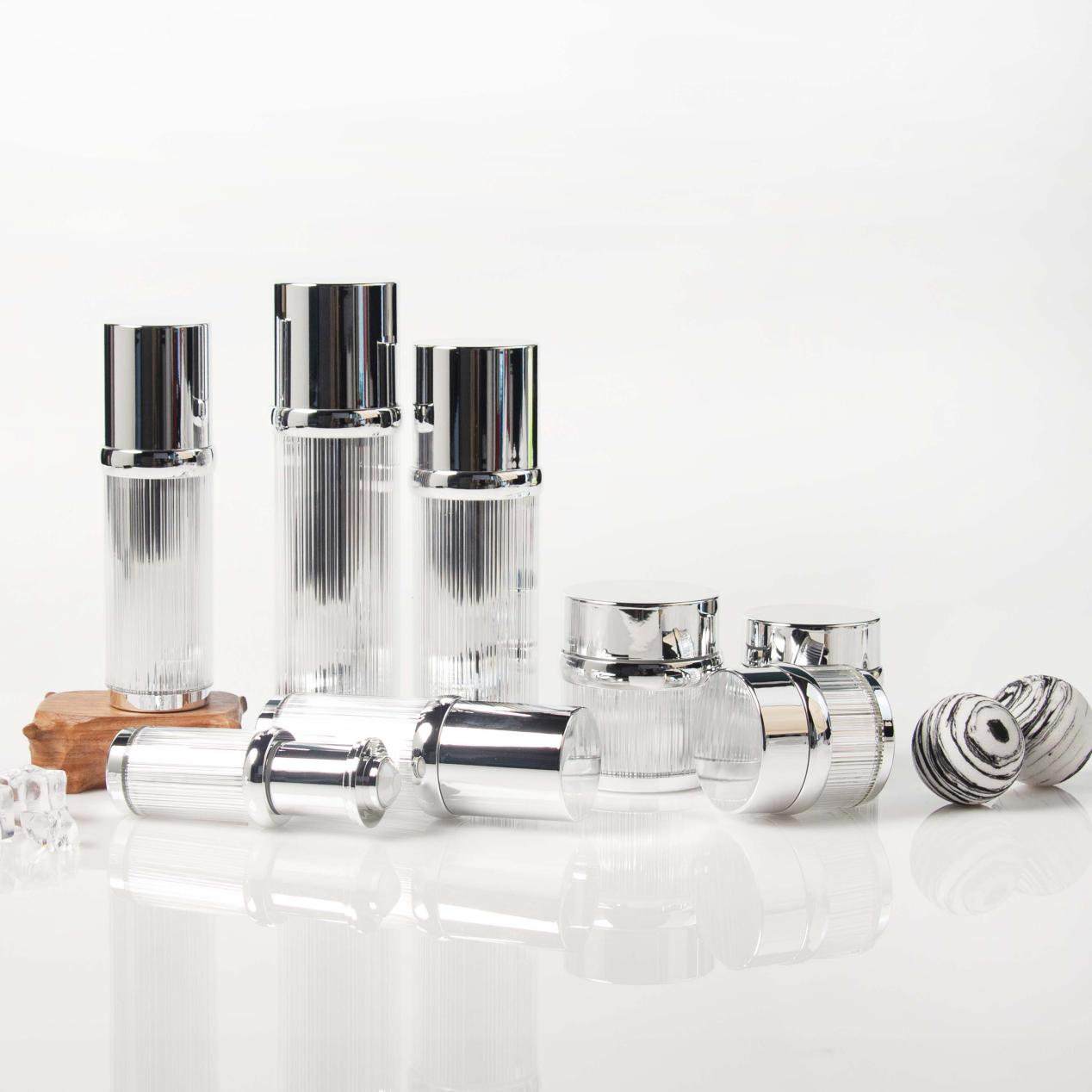
Six Key Points for Choosing a Cream Jar
In the dynamic world of skincare, cosmetics, and even food storage, the humble cream jar plays a far more significant role than just being a container. It is a guardian of product integrity, a contributor to user experience, and a silent brand ambassador. Whether you are a skincare enthusiast crafting homemade lotions in your kitchen, a small – business owner launching your first line of organic cosmetics, or a purchasing manager at a large beauty corporation sourcing packaging for a new product line, the task of choosing the right cream jar is a critical one. The market is flooded with an overwhelming array of options, each boasting different materials, shapes, sizes, and features. Making the wrong choice can lead to a host of problems, from shortened product shelf life and compromised efficacy to negative customer feedback and damage to your brand reputation. This comprehensive guide will walk you through six key points that are essential for selecting the perfect cream jar, equipping you with the knowledge and insights needed to make an informed decision that aligns with your specific needs and goals.
1. Analyze the Material Composition of Cream Jars
The material of a cream jar is the foundation of its performance, influencing everything from product preservation to user perception. Understanding the characteristics of different materials is the first step in narrowing down your options. Let’s take a detailed look at the most common materials used in cream jar production, along with their pros, cons, and ideal applications.
1.1 Glass Cream Jars
Glass has long been a staple in the world of premium packaging, and for good reason. Its non – porous nature is one of its most significant advantages. Unlike some other materials, glass does not absorb or leach chemicals into the product it holds. This is particularly crucial for skincare products that contain active ingredients such as retinol, vitamin C, or hyaluronic acid. These ingredients are often sensitive and can react with certain materials, reducing their effectiveness or even creating harmful by – products. With glass, you can be confident that the integrity of your product remains intact from the moment it is filled to the last use.
Another benefit of glass is its recyclability. In an era where consumers are increasingly conscious of their environmental footprint, choosing recyclable packaging can be a major selling point for your brand. Glass can be recycled repeatedly without losing its quality, making it a sustainable choice that aligns with the global push for greener practices.
Aesthetically, glass exudes a sense of luxury and sophistication. It has a smooth, clear surface that allows the color and texture of the product inside to shine through, giving customers a clear view of what they are purchasing. This is especially important for high – end skincare and cosmetic products, where the appearance of the packaging is often just as important as the product itself. Brands often use glass jars to position their products as premium, targeting consumers who are willing to pay a higher price for quality and exclusivity.
However, glass is not without its drawbacks. One of the most obvious is its weight. Glass jars are significantly heavier than their plastic or acrylic counterparts, which can increase shipping costs. For businesses that ship products in large quantities, this can add up to a substantial expense over time. Additionally, the weight can make glass jars less convenient for consumers who travel frequently. A heavy glass jar takes up more space in a suitcase and adds to the overall weight, which can be a hassle for those on the go.
Fragility is another major concern with glass. A single drop or impact can cause the jar to shatter, not only wasting the product inside but also posing a safety risk to the user. This means that extra care must be taken during transportation, storage, and handling. Brands that choose glass jars may need to invest in additional packaging materials, such as bubble wrap or foam inserts, to protect the jars during shipping, further increasing costs.
Despite these challenges, glass cream jars are an excellent choice for certain products and target audiences. They are ideal for premium skincare lines, organic products that prioritize purity, and products with a long shelf life that do not require frequent transportation. For example, a high – end night cream that is sold in boutiques and primarily used at home would be a perfect fit for a glass jar. The luxury appearance of the glass would complement the high – quality of the product, and the non – porous nature would ensure that the active ingredients remain effective for an extended period.
1.2 Plastic Cream Jars
Plastic is one of the most widely used materials in packaging due to its versatility, affordability, and lightweight properties. When it comes to cream jars, plastic offers several advantages that make it a popular choice for both consumers and businesses.
The lightweight nature of plastic is a game – changer for shipping and portability. Plastic jars are much lighter than glass, which reduces shipping costs significantly. For e – commerce businesses that ship products all over the country or even the world, this can result in substantial savings. Additionally, the lightweight design makes plastic jars easy for consumers to carry around. Whether it’s in a gym bag, a purse, or a travel suitcase, a plastic cream jar is much more convenient than a heavy glass one. This makes plastic jars an excellent choice for travel – sized products or products that are intended for on – the – go use, such as hand creams or face moisturizers.
Shatter resistance is another key benefit of plastic. Unlike glass, plastic jars can withstand drops and impacts without breaking. This not only reduces product waste but also eliminates the safety risk associated with broken glass. Parents with young children, for example, may prefer plastic jars for skincare products that are stored in easily accessible places, as they don’t have to worry about their kids knocking over a jar and getting hurt.
Plastic is also highly moldable, which means that plastic cream jars can be produced in a wide variety of shapes, sizes, and colors. This gives brands a great deal of flexibility when it comes to designing their packaging. Whether you want a sleek, modern square jar or a fun, colorful round jar, plastic can accommodate your needs. Additionally, plastic can be easily printed on, allowing brands to add logos, product information, and decorative elements to the jar, enhancing brand recognition and appeal.
However, plastic does have some limitations that need to be considered. One of the main concerns is its potential to leach chemicals. Some types of plastic, especially when exposed to heat, light, or certain chemicals in the product, can release harmful substances into the cream. This is a particular issue for products that contain oil – based ingredients or active compounds, as these can interact with the plastic more easily. To mitigate this risk, it’s important to choose high – quality plastic that is specifically designed for use with cosmetic and skincare products. Look for plastics that are labeled as BPA – free, as BPA is a chemical that has been linked to a variety of health concerns.
Another drawback of plastic is its poor resistance to light and air. Unlike glass, which provides excellent protection against UV light, plastic is more transparent to light, which can cause the product inside to degrade over time. This is especially problematic for products that are sensitive to light, such as vitamin C serums or products containing natural extracts. Additionally, plastic jars may not seal as tightly as glass jars, allowing air to enter the container and cause oxidation of the product. Oxidation can reduce the effectiveness of the product and shorten its shelf life.
Plastic is also not as eco – friendly as glass. While some types of plastic can be recycled, the recycling process for plastic is often more complex and less efficient than that for glass. Many plastic products end up in landfills or oceans, where they can take hundreds of years to decompose, causing significant environmental damage. For brands that are focused on sustainability, this can be a major drawback. However, there are now more eco – friendly plastic options available, such as biodegradable plastic or plastic made from recycled materials. These options can help reduce the environmental impact of plastic packaging, but they may come at a higher cost.
In terms of ideal applications, plastic cream jars are a good choice for everyday skincare products, travel – sized items, and products that are priced more affordably. For example, a drugstore brand of moisturizer that is sold in large quantities and is intended for daily use would be well – suited for a plastic jar. The lightweight and shatterproof properties of plastic make it convenient for consumers, and the lower cost of plastic helps keep the product price competitive.
1.3 Acrylic Cream Jars
Acrylic is a material that combines many of the best features of glass and plastic, making it a popular choice for those who want the aesthetic appeal of glass without the weight and fragility. Acrylic cream jars have a clear, glossy appearance that is very similar to glass, giving them a premium look that can enhance the perceived value of the product.
One of the main advantages of acrylic is its lightweight nature. Like plastic, acrylic is much lighter than glass, which makes it easier to transport and more convenient for consumers to use. This is a major benefit for brands that ship products in large quantities or for consumers who travel frequently. Despite being lightweight, acrylic is surprisingly durable. It is much more shatterproof than glass, making it a safer option for homes with children or for products that are likely to be dropped or handled roughly.
Acrylic is also highly resistant to impact and scratches. Unlike glass, which can easily chip or scratch, acrylic is more flexible and can withstand minor impacts without damage. This means that acrylic cream jars will maintain their appearance for longer, even with regular use. Additionally, acrylic is easy to clean and maintain. It can be wiped down with a damp cloth, and it does not stain or absorb odors as easily as some other materials.
Another advantage of acrylic is its versatility in design. Like plastic, acrylic can be molded into a wide variety of shapes and sizes, allowing brands to create unique and eye – catching packaging. It can also be colored or frosted to create different effects, giving brands even more options for customizing their jars. Additionally, acrylic can be printed on using a variety of methods, making it easy to add branding and product information.
However, acrylic does have some limitations. One of the main concerns is its resistance to certain chemicals. Acrylic can be damaged by harsh solvents or chemicals that are present in some skincare products. For example, products that contain alcohol, acetone, or certain essential oils may cause the acrylic to crack, discolor, or become cloudy over time. This means that it’s important to test the compatibility of the product with the acrylic jar before using it. Brands should conduct thorough testing to ensure that the product does not react negatively with the acrylic, which can be time – consuming and costly.
Acrylic is also not as good at blocking UV light as glass. While it does provide some protection against light, it is not as effective as glass, which can cause the product inside to degrade more quickly. This is a particular issue for products that are sensitive to light, such as those containing vitamin C or retinol. To address this problem, some acrylic jars are treated with a UV – resistant coating, which can help improve their light – blocking capabilities. However, this coating can add to the cost of the jar.
In terms of cost, acrylic cream jars are generally more expensive than plastic jars but less expensive than high – quality glass jars. This makes them a good middle – ground option for brands that want a premium look without the high cost of glass. They are ideal for mid – range skincare and cosmetic products that are targeting consumers who are looking for a balance between quality and affordability. For example, a brand that sells natural skincare products at a moderate price point may choose acrylic jars to give their products a premium appearance without increasing the price too much.
1.4 Aluminum Cream Jars
Aluminum is a material that is often overlooked in the world of cream jars, but it offers several unique advantages that make it a great choice for certain products. Aluminum is a lightweight and durable metal that is highly resistant to corrosion, making it an excellent option for products that are stored in humid environments or that come into contact with water.
One of the main benefits of aluminum is its excellent protection against light and air. Aluminum is opaque, which means that it blocks out all UV light, preventing the product inside from degrading due to light exposure. This is a major advantage for products that are sensitive to light, such as serums, oils, and products containing natural extracts. Additionally, aluminum jars can be sealed tightly, preventing air from entering the container and causing oxidation of the product. This helps to extend the shelf life of the product and ensure that it remains effective for longer.
Aluminum is also very lightweight, which makes it easy to transport and convenient for consumers to use. It is much lighter than glass, and even lighter than some types of plastic, which can reduce shipping costs for brands. Despite being lightweight, aluminum is very strong and durable. It can withstand impacts and rough handling without denting or breaking, making it a safe option for travel and everyday use.
Another advantage of aluminum is its recyclability. Aluminum is one of the most recyclable materials in the world, and it can be recycled repeatedly without losing its quality. Recycling aluminum requires only a small fraction of the energy needed to produce new aluminum, making it a very eco – friendly choice. For brands that are committed to sustainability, aluminum jars can be a great way to reduce their environmental impact.
However, aluminum does have some limitations. One of the main concerns is its potential to react with certain products. Aluminum is a reactive metal, and it can interact with acidic or alkaline products, causing the product to change color, texture, or scent. This is a particular issue for products that have a low or high pH level, such as some exfoliating creams or anti – aging products. To prevent this, aluminum jars are often lined with a protective coating that acts as a barrier between the metal and the product. It’s important to choose a high – quality lining that is compatible with the product to ensure that there is no reaction.
Aluminum jars also have a more industrial or utilitarian appearance compared to glass or acrylic. They are often used for products that are focused on functionality rather than aesthetics, such as some medical creams or industrial skincare products. However, some brands have found ways to dress up aluminum jars by adding decorative labels, embossing, or painting, giving them a more appealing look.
In terms of cost, aluminum cream jars are generally more expensive than plastic jars but less expensive than glass jars. The cost can vary depending on the size, design, and quality of the jar, as well as the type of lining used. They are ideal for products that require excellent protection against light and air, such as sensitive serums, oils, and medical creams. For example, a brand that sells a high – potency vitamin C serum may choose an aluminum jar to ensure that the serum remains stable and effective for as long as possible.
To help you make a more informed decision, here is a detailed comparison table of the four common cream jar materials:
| Material | Advantages | Disadvantages | Ideal Applications | Price Range (Per Jar) | Eco – Friendliness |
| Glass | Non – porous, no chemical leaching; recyclable; high aesthetic appeal; excellent UV protection | Heavy, increases shipping costs; fragile, prone to shattering; higher cost | Premium skincare products, organic products, products with long shelf life, home – use products | \(10 – \)50 | High (easily recyclable, minimal environmental impact) |
| Plastic | Lightweight, reduces shipping costs; shatterproof, safe for travel and households with kids; moldable, versatile designs; low cost | Potential chemical leaching (especially with sensitive ingredients); poor UV and air resistance; less eco – friendly (difficult to recycle, long decomposition time) | Everyday skincare products, travel – sized items, affordable products, on – the – go use | \(3 – \)15 | Low to Moderate (some recyclable options, but overall environmental impact is higher) |
| Acrylic | Lightweight, similar to plastic; shatterproof, safer than glass; clear, glossy appearance like glass; versatile designs | May react with harsh chemicals in some products; less effective UV protection than glass; higher cost than plastic | Mid – range skincare and cosmetic products, products balancing quality and affordability, products where glass look is desired without weight | \(8 – \)30 | Moderate (recyclable but requires specific processes, some environmental impact) |
| Aluminum | Excellent light and air protection (opaque, tight seal); lightweight; durable, resistant to corrosion; recyclable | May react with acidic/alkaline products (needs protective lining); utilitarian appearance (requires extra design to enhance appeal); higher cost than plastic | Sensitive serums, oils, medical creams, products requiring maximum preservation, eco – conscious brands | \(7 – \)25 | High (highly recyclable, low energy consumption for recycling) |
2. Consider the Shape and Size of Cream Jars
The shape and size of a cream jar may seem like purely aesthetic choices, but they have a significant impact on both the functionality of the jar and the user experience. When selecting the shape and size of your cream jar, it’s important to consider a variety of factors, including the product’s consistency, the intended use, storage space, and brand image.
2.1 Shape of Cream Jars
Cream jars come in a wide range of shapes, each with its own unique advantages and disadvantages. The most common shapes include round, square, oval, and irregular or custom shapes.
2.1.1 Round Cream Jars
Round is the most traditional and widely used shape for cream jars, and for good reason. Round jars are easy to manufacture, which makes them more affordable than some other shapes. They also have a classic, timeless appearance that appeals to a wide range of consumers. The curved sides of round jars make them easy to hold and grip, which is a major advantage for users with limited hand strength or dexterity. Additionally, round jars are easy to stack, which saves space during storage and transportation. This is particularly important for businesses that need to store large quantities of jars in a warehouse or for consumers who have limited counter space in their bathrooms.
However, round jars do have some limitations. One of the main issues is that they can be less stable than square or rectangular jars. The curved base means that they are more likely to tip over if they are not placed on a flat, stable surface. This can be a problem for consumers who have cluttered countertops or for travel – sized jars that are being carried in a bag. Another drawback of round jars is that they may not make the most efficient use of shelf space. When placed on a shelf, round jars leave gaps between them, which can waste valuable space. This is a concern for retailers who want to maximize the number of products they can display on their shelves.
Round cream jars are ideal for a wide range of products, including lotions, moisturizers, and body butters. Their classic shape makes them suitable for both traditional and modern brands, and their affordability makes them a good choice for budget – conscious consumers. For example, a drugstore brand of body lotion that is sold in large quantities would be well – suited for a round jar, as it is easy to manufacture, stack, and store.
2.1.2 Square Cream Jars
Square cream jars offer a more modern and sleek appearance than round jars, making them a popular choice for brands that want to convey a contemporary and sophisticated image. The straight sides and sharp corners of square jars give them a clean, minimalist look that is on – trend in the beauty industry. Square jars are also more stable than round jars, thanks to their flat base and straight sides. This makes them less likely to tip over, which is a major advantage for both storage and use.
Another benefit of square jars is that they make efficient use of shelf space. Unlike round jars, square jars can be placed next to each other with no gaps, allowing retailers to display more products on a single shelf. This is a significant advantage for brands that want to increase their visibility in stores. Additionally, square jars are often easier to label, as the flat sides provide a larger, more even surface for printing or attaching labels.
However, square jars do have some drawbacks. They are more difficult to manufacture than round jars, which makes them more expensive. The sharp corners can also be a problem, as they can be uncomfortable to hold for some users, especially if the jar is large. Additionally, square jars are not as easy to stack as round jars, as the corners can get in the way. This can make storage and transportation more challenging, especially for businesses that need to ship large quantities of jars.
Square cream jars are ideal for premium skincare and cosmetic products that are targeting consumers who value modern design and functionality. For example, a high – end facial serum that is sold in a boutique would be well – suited for a square jar, as it would stand out on the shelf and convey a sense of luxury and sophistication.
2.1.3 Oval Cream Jars
Oval cream jars offer a middle ground between round and square jars, combining the curved sides of round jars with the more elongated shape of square jars. This gives them a unique and elegant appearance that is both classic and modern. Oval jars are easy to hold, thanks to their curved sides, and they are more stable than round jars, thanks to their elongated base.
One of the main advantages of oval jars is their aesthetic appeal. They have a more distinctive shape than round or square jars, which can help brands stand out from the competition. Oval jars are also a good choice for products that have a more feminine or romantic image, as their curved shape is often associated with softness and elegance. Additionally, oval jars can be easier to store in narrow spaces, such as between other products on a shelf or in a small bathroom cabinet.
However, oval jars also have some limitations. They are more difficult to manufacture than round jars, which makes them more expensive. They also do not make as efficient use of shelf space as square jars, as their elongated shape can leave gaps between them when placed on a shelf. Additionally, oval jars may be more difficult to label than square jars, as the curved sides can make it challenging to align the label properly.
Oval cream jars are ideal for mid – range skincare and cosmetic products that are targeting consumers who want a unique and elegant packaging option. For example, a brand of organic facial moisturizer that is marketed towards women who value natural beauty and elegance would be well – suited for an oval jar.
2.1.4 Irregular or Custom Shapes
In addition to the standard round, square, and oval shapes, many brands are now opting for irregular or custom – shaped cream jars to differentiate their products from the competition. Custom shapes can be anything from heart – shaped jars for a romantic skincare line to geometric shapes for a modern, edgy brand. These unique shapes can help brands create a strong brand identity and make their products more memorable to consumers.
One of the main advantages of custom – shaped jars is their ability to stand out on the shelf. In a crowded market, a unique shape can catch the eye of consumers and encourage them to pick up the product and learn more about it. Custom shapes can also help to reinforce the brand’s image and values. For example, a brand that focuses on sustainability may choose a jar shaped like a leaf or a tree to convey its commitment to the environment.
However, custom – shaped jars are often more expensive to manufacture than standard shapes. The molds required to produce custom shapes are more complex and costly, and the production process may be slower and more labor – intensive. Additionally, custom – shaped jars may be more difficult to store and transport, as they may not fit into standard packaging or shipping containers. They may also be less user – friendly, as unusual shapes can make them difficult to hold or open.
Custom – shaped cream jars are ideal for brands that are looking to make a bold statement and stand out from the competition. They are often used for limited – edition products, gift sets, or high – end luxury products where the packaging is a key part of the product’s appeal. For example, a luxury perfume brand may release a limited – edition cream that comes in a custom – shaped jar that matches the design of their perfume bottle, creating a cohesive and luxurious gift set.
2.2 Size of Cream Jars
The size of a cream jar is just as important as its shape, as it directly impacts the product’s usability, shelf life, and cost. Cream jars come in a wide range of sizes, from small sample – sized jars to large bulk jars. When selecting the size of your cream jar, it’s important to consider the product’s intended use, the frequency of use, and the target audience.
2.2.1 Sample – Sized Jars (1 – 15ml)
Sample – sized jars are small, compact containers that are designed to hold a small amount of product, typically enough for 1 – 2 uses. These jars are ideal for a variety of purposes, including product samples, travel – sized products, and gift with purchase (GWP) items.
One of the main advantages of sample – sized jars is their portability. They are small enough to fit in a purse, pocket, or travel bag, making them perfect for consumers who are on the go. Sample – sized jars are also a great way for brands to introduce new products to consumers. By giving away free samples, brands can allow consumers to try the product before committing to a full – sized purchase, which can increase sales and customer loyalty. Additionally, sample – sized jars are often less expensive than full – sized jars, making them a good choice for budget – conscious consumers who want to try a product without spending a lot of money.
However, sample – sized jars do have some limitations. The small size means that they hold only a small amount of product, which may not be enough for consumers to see the full benefits of the product. Additionally, sample – sized jars may not be as cost – effective for brands in the long run, as the cost per unit of product is often higher than for full – sized jars. They also require more packaging materials relative to the amount of product, which can increase the environmental impact.
Sample – sized jars are ideal for new product launches, travel – sized collections, and GWP items. For example, a brand that is launching a new facial serum may offer sample – sized jars of the serum in beauty boxes or as a free gift with the purchase of another product, allowing consumers to try the serum before buying the full – sized version.
2.2.2 Travel – Sized Jars (15 – 50ml)
Travel – sized jars are slightly larger than sample – sized jars, typically holding between 15 and 50ml of product. These jars are designed for consumers who are traveling and want to bring their favorite skincare products with them without having to carry full – sized jars.
One of the main advantages of travel – sized jars is their convenience. They are small enough to meet airline carry – on restrictions, which means that consumers can bring them on planes without having to check their luggage. Travel – sized jars are also a great way for consumers to try new products while traveling, as they can easily fit into a travel bag and are not too bulky. Additionally, travel – sized jars are often more cost – effective than sample – sized jars, as they hold more product per unit of packaging.
However, travel – sized jars also have some limitations. They may not hold enough product for an extended trip, which means that consumers may need to purchase multiple jars or bring a full – sized jar as well. Additionally, travel – sized jars may not be as cost – effective for brands as full – sized jars, as the cost per unit of product is still higher. They also require more packaging materials than full – sized jars, although less than sample – sized jars.
Travel – sized jars are ideal for consumers who travel frequently, as well as for brands that want to offer a convenient option for on – the – go use. For example, a brand of sunscreen may offer a travel – sized jar of sunscreen that is perfect for beach vacations or weekend getaways.
2.2.3 Full – Sized Jars (50 – 200ml)
Full – sized jars are the most common size for cream jars, typically holding between 50 and 200ml of product. These jars are designed for everyday use and are intended to last for several weeks or months, depending on the product and the frequency of use.
One of the main advantages of full – sized jars is their value for money. They hold a large amount of product, which means that the cost per unit of product is lower than for sample or travel – sized jars. Full – sized jars are also more convenient for everyday use, as consumers don’t have to worry about running out of product quickly. Additionally, full – sized jars are often more eco – friendly than smaller sizes, as they require less packaging material relative to the amount of product.
However, full – sized jars also have some limitations. They are larger and heavier than sample or travel – sized jars, which makes them less portable. This can be a problem for consumers who want to bring their skincare products with them when they travel. Additionally, full – sized jars may not be suitable for products that have a short shelf life, as the large amount of product may expire before it can be used up.
Full – sized jars are ideal for everyday skincare products that are used regularly, such as moisturizers, night creams, and body lotions. For example, a brand of daily facial moisturizer would typically be sold in a full – sized jar, as it is intended for daily use and needs to last for several weeks.
2.2.4 Bulk Jars (200ml +)
Bulk jars are large containers that hold 200ml or more of product. These jars are typically used for commercial or professional use, such as in spas, salons, or by businesses that use large quantities of cream in their products.
One of the main advantages of bulk jars is their cost – effectiveness. They hold a large amount of product, which means that the cost per unit of product is significantly lower than for smaller sizes. Bulk jars are also more convenient for businesses that use large quantities of cream, as they don’t have to reorder as frequently. Additionally, bulk jars can help reduce packaging waste, as they require less packaging material relative to the amount of product than smaller jars.
However, bulk jars also have some limitations. They are very large and heavy, which makes them difficult to transport and store. They are also not suitable for individual consumers, as the large amount of product would be difficult to use up before it expires. Additionally, bulk jars may not be as aesthetically pleasing as smaller jars, which can be a problem for businesses that want to display their products to consumers.
Bulk jars are ideal for spas, salons, and businesses that use large quantities of cream in their products. For example, a spa that offers facial treatments may purchase bulk jars of facial cream to use during their treatments, as it is more cost – effective than purchasing smaller jars.
To help you select the right shape and size for your cream jar, here is a table that summarizes the key considerations for each:
| Aspect | Round | Square | Oval | Irregular/Custom | Sample – Sized (1 – 15ml) | Travel – Sized (15 – 50ml) | Full – Sized (50 – 200ml) | Bulk (200ml +) |
| Manufacturing Cost | Low | Moderate to High | Moderate | High | Low | Low to Moderate | Moderate | Low (per unit product) |
| Stability | Low | High | Moderate | Variable | Low to Moderate | Moderate | High | High |
| Shelf Space Efficiency | Low | High | Moderate | Variable | High | High | Moderate to High | Low |
| Grip/Ease of Use | High | Moderate | High | Variable | High | High | High | Moderate (due to size) |
| Aesthetic Appeal | Classic | Modern | Elegant | Unique | Cute/Compact | Convenient/Stylish | Versatile | Utilitarian |
| Ideal Product Type | Lotions, moisturizers, body butters | Premium serums, high – end creams | Mid – range moisturizers, toners | Limited – edition, luxury, gift sets | Product samples, GWP | Travel essentials, on – the – go use | Everyday skincare, regular use | Spas, salons, commercial use |
| Target Audience | Mass market, budget – conscious | Luxury consumers, design – focused | Style – conscious, mid – range | Trendsetters, luxury buyers | Trial users, beauty box subscribers | Frequent travelers, busy professionals | Regular skincare users, households | Businesses, professionals |
3. Evaluate the Functional Features of Cream Jars
The functional features of a cream jar are what make it more than just a container. These features can significantly impact the user experience, product preservation, and convenience. When evaluating the functional features of a cream jar, it’s important to consider factors such as the type of dispenser, the seal quality, and any additional features that enhance the usability of the jar.
3.1 Dispenser Type
The dispenser type is one of the most important functional features of a cream jar, as it determines how the product is accessed and dispensed. There are several common dispenser types available, each with its own unique advantages and disadvantages.
3.1.1 Airless Pumps
Airless pumps are a popular choice for high – end skincare and cosmetic products, and for good reason. They work by creating a vacuum inside the jar, which pushes the product up through a pump mechanism when the user presses down on the pump. This design eliminates the need for the user to dip their fingers into the product, which significantly reduces the risk of contamination. Airless pumps also minimize the exposure of the product to air, which helps to prevent oxidation and extend the shelf life of the product. This is particularly important for products that contain sensitive ingredients such as retinol, vitamin C, or natural extracts, which can degrade quickly when exposed to air.
Another advantage of airless pumps is that they allow for precise dispensing of the product. Users can easily control the amount of product they dispense, which helps to reduce waste and ensure that they use the correct amount each time. Airless pumps also make it easy to access the last bit of product in the jar, as the vacuum mechanism pushes the product up until it is completely used. This is a major improvement over traditional jars, where users often struggle to reach the last remnants of the product.
However, airless pumps do have some limitations. They are more complex and expensive to manufacture than other dispenser types, which can increase the cost of the jar. Additionally, airless pumps require a certain amount of product to work properly. If the jar is not filled to the correct level, the pump may not function properly, which can be a problem for brands that use variable fill levels. Airless pumps are also more difficult to clean and maintain than other dispenser types, which can be a problem for users who want to reuse the jar.
Airless pumps are ideal for premium skincare products, such as serums, anti – aging creams, and products containing sensitive ingredients. They are also a good choice for products that are intended for long – term use, as they help to extend the shelf life of the product. For example, a brand of high – potency vitamin C serum would be well – suited for an airless pump jar, as it would protect the serum from oxidation and contamination, ensuring that it remains effective for as long as possible.
3.1.2 Screw Tops
Screw tops are the most traditional and widely used dispenser type for cream jars. They consist of a lid that screws onto the top of the jar, creating a seal that prevents the product from spilling out and contaminants from entering. Screw tops are simple, reliable, and affordable, making them a popular choice for a wide range of products.
One of the main advantages of screw tops is their simplicity. They are easy to use, even for children or users with limited hand strength. Screw tops are also easy to manufacture, which makes them more affordable than other dispenser types. Additionally, screw tops are compatible with a wide range of jar shapes and sizes, which gives brands a great deal of flexibility when it comes to designing their packaging.
However, screw tops do have some limitations. One of the main issues is the risk of contamination. When users open the jar, they often dip their fingers into the product, which can introduce bacteria and other contaminants. This can reduce the shelf life of the product and potentially cause skin irritation or other problems for the user. Additionally, screw tops do not provide as good a seal against air as airless pumps, which can cause the product to oxidize and degrade over time. This is a particular problem for products that are sensitive to air, such as serums and oils.
Another drawback of screw tops is that they can be difficult to open and close, especially if the lid is tight or if the user has wet hands. This can be a frustration for users, especially if they are in a hurry. Additionally, screw tops do not allow for precise dispensing of the product, which can lead to waste if users dispense more product than they need.
Screw tops are ideal for everyday skincare products, such as body lotions, hand creams, and facial moisturizers that are not highly sensitive to contamination or air. They are also a good choice for budget – conscious brands and consumers who prefer a simple, traditional packaging design. For example, a drugstore brand of body lotion would typically use a screw – top jar, as it is affordable, easy to use, and compatible with the brand’s budget.
3.1.3 Dropper Tops
Dropper tops are a popular choice for serums, oils, and other liquid or semi – liquid products that require precise application. They consist of a glass or plastic dropper that is attached to the lid of the jar, allowing users to dispense small amounts of product one drop at a time.
One of the main advantages of dropper tops is their precision. They allow users to control the amount of product they dispense with great accuracy, which is essential for products that are used in small quantities or that have a high concentration of active ingredients. For example, a facial serum that contains a high concentration of retinol may require only a few drops per application, and a dropper top makes it easy to dispense the correct amount.
Dropper tops also help to reduce the risk of contamination. The dropper is designed to be used without touching the product or the user’s skin, which minimizes the introduction of bacteria and other contaminants. Additionally, dropper tops provide a good seal against air, which helps to prevent oxidation of the product. This is particularly important for oils and serums, which can degrade quickly when exposed to air.
However, dropper tops do have some limitations. They are not suitable for thick or viscous products, such as creams or lotions, as the product may not flow easily through the dropper. Additionally, dropper tops can be difficult to use for users with limited hand dexterity, as they require a steady hand to dispense the product accurately. Dropper tops are also more expensive than screw tops, and they require more care to clean and maintain to prevent clogging.
Dropper tops are ideal for serums, oils, and other liquid or semi – liquid products that require precise application. They are also a good choice for products that are sensitive to contamination or air, such as vitamin C serums or facial oils. For example, a brand of organic facial oil would be well – suited for a dropper top jar, as it allows users to apply the oil precisely and protects the oil from contamination and oxidation.
3.1.4 Flip – Top Lids
Flip – top lids are a convenient and easy – to – use dispenser type that is popular for a wide range of products, including hand creams, lip balms, and body lotions. They consist of a lid that flips open and closed, typically with a hinge, allowing users to access the product quickly and easily.
One of the main advantages of flip – top lids is their convenience. They are easy to open and close with one hand, which is a major advantage for users who are on the go or who have their hands full. Flip – top lids are also easy to use for children and users with limited hand strength, as they do not require a lot of force to open. Additionally, flip – top lids provide a good seal against spills, which makes them a good choice for travel – sized products.
However, flip – top lids do have some limitations. They do not provide as good a seal against air as airless pumps or dropper tops, which can cause the product to oxidize and degrade over time. This is a particular problem for products that are sensitive to air, such as serums and oils. Additionally, flip – top lids are more prone to contamination than airless pumps or dropper tops, as users often dip their fingers into the product when accessing it.
Another drawback of flip – top lids is that they can be less durable than other dispenser types. The hinge can break over time, which can render the lid useless. Additionally, flip – top lids are not suitable for products that are very thick or viscous, as the product may be difficult to squeeze out of the jar.
Flip – top lids are ideal for everyday skincare products that are used frequently, such as hand creams, lip balms, and body lotions. They are also a good choice for travel – sized products, as they are easy to use and provide a good seal against spills. For example, a brand of hand cream that is sold in a travel – sized jar would be well – suited for a flip – top lid, as it allows users to apply the cream quickly and easily while on the go.
3.2 Seal Quality
The seal quality of a cream jar is essential for preserving the product’s integrity and preventing contamination. A good seal should prevent air, moisture, and contaminants from entering the jar, while also preventing the product from spilling out. When evaluating the seal quality of a cream jar, it’s important to consider the type of seal, the material of the seal, and the overall design of the jar.
3.2.1 Types of Seals
There are several common types of seals used in cream jars, including inner seals, foam seals, and rubber gaskets.
Inner seals are thin, flexible membranes that are placed inside the lid of the jar. They create a tight seal when the lid is screwed on, preventing air and contaminants from entering the jar. Inner seals are often used in combination with screw tops or flip – top lids, and they are a cost – effective way to improve the seal quality of the jar.
Foam seals are thick, spongy pads that are placed between the lid and the jar. They conform to the shape of the jar, creating a tight seal that prevents air and moisture from entering. Foam seals are more effective than inner seals at blocking out air and moisture, but they are also more expensive. They are often used in premium skincare and cosmetic products that require a high level of protection.
Rubber gaskets are circular rings made of rubber or silicone that are placed inside the lid of the jar. They create a tight seal when the lid is screwed on, and they are highly resistant to heat, cold, and chemicals. Rubber gaskets are the most effective type of seal for preventing air and moisture from entering the jar, but they are also the most expensive. They are often used in industrial or medical applications, as well as in high – end skincare and cosmetic products.
3.2.2 Factors Affecting Seal Quality
Several factors can affect the seal quality of a cream jar, including the fit of the lid, the material of the jar and lid, and the condition of the seal.
The fit of the lid is crucial for a good seal. The lid should fit snugly on the jar, with no gaps between the lid and the jar. If the lid is too loose, air and contaminants can enter the jar; if it’s too tight, it can be difficult to open and close.
The material of the jar and lid can also affect the seal quality. Glass jars and lids typically provide a better seal than plastic jars and lids, as glass is more rigid and less likely to warp over time. However, plastic jars and lids can be designed with a good seal if they are made from high – quality materials and have a well – designed lid.
The condition of the seal is also important. Over time, seals can become worn, cracked, or damaged, which can reduce their effectiveness. It’s important to inspect the seal regularly and replace it if necessary to ensure that the jar remains properly sealed.
3.3 Additional Features
In addition to the dispenser type and seal quality, there are several additional features that can enhance the usability and functionality of a cream jar.
3.3.1 UV Protection
UV protection is an important feature for cream jars that hold products sensitive to light, such as vitamin C serums, retinol creams, and products containing natural extracts. UV light can cause these products to degrade quickly, reducing their effectiveness. Jars with UV protection are typically made from tinted glass or plastic that blocks out UV light, or they may have a UV – resistant coating.
3.3.2 Easy – to – Clean Design
An easy – to – clean design is important for cream jars that are intended to be reused. Jars with smooth, non – porous surfaces are easier to clean than jars with rough or textured surfaces, as they do not trap dirt and bacteria. Additionally, jars with wide openings are easier to clean than jars with narrow openings, as they allow for easy access with a sponge or brush.
3.3.3 Stackable Design
A stackable design is a useful feature for cream jars that are stored in a cabinet or on a shelf. Stackable jars save space and make it easier to organize your skincare collection. Jars with a flat base and a lid that is designed to fit on top of another jar are ideal for stacking.
3.3.4 Labeling Options
Labeling options are important for brands that want to add branding and product information to their cream jars. Jars with a smooth, flat surface are easier to label than jars with curved or textured surfaces. Additionally, jars that are compatible with a variety of labeling methods, such as printing, stickers, and embossing, give brands more flexibility when it comes to designing their labels.
To help you evaluate the functional features of cream jars, here is a table that summarizes the key considerations for each:
| Feature | Airless Pumps | Screw Tops | Dropper Tops | Flip – Top Lids | Inner Seals | Foam Seals | Rubber Gaskets | UV Protection | Easy – to – Clean | Stackable |
| Contamination Risk | Low | High | Low | High | Low | Very Low | Very Low | N/A | N/A | N/A |
| Air Exposure | Low | High | Low | High | Low | Very Low | Very Low | N/A | N/A | N/A |
| Dispensing Precision | High | Low | Very High | Low | N/A | N/A | N/A | N/A | N/A | N/A |
| Ease of Use | Moderate | High | Moderate | High | N/A | N/A | N/A | N/A | High | High |
| Cost | High | Low | Moderate | Moderate | Low | Moderate | High | Moderate | High | Low |
| Ideal Product Type | Premium serums, anti – aging creams, sensitive ingredients | Everyday lotions, moisturizers, body butters | Liquid serums, oils, concentrated products | Hand creams, lip balms, travel – sized products | All jar types, basic protection | Premium products, high moisture protection | Industrial, medical, high – end skincare | Light – sensitive products (vitamin C, retinol) | Reusable jars, hygiene – focused products | Storage – conscious users, organized collections |
4. Define the Intended Use of the Cream Jar
The intended use of the cream jar is a critical factor that should guide your selection process. Different products have different requirements when it comes to packaging, and choosing a jar that is not suited for the intended use can lead to a variety of problems, including product degradation, contamination, and poor user experience. When defining the intended use of the cream jar, it’s important to consider the type of product, the frequency of use, the storage conditions, and the target audience.
4.1 Type of Product
The type of product that will be stored in the cream jar is the most important factor to consider when defining the intended use. Different products have different consistencies, sensitivities, and requirements, and the jar must be able to accommodate these.
4.1.1 Thick Creams and Balms
Thick creams and balms, such as body butters, night creams, and lip balms, require a jar that is easy to access and that can accommodate their thick consistency. These products are often difficult to dispense with airless pumps or dropper tops, so screw tops or flip – top lids are typically the best choice. The jar should also have a wide opening to make it easy to scoop out the product. Additionally, thick creams and balms are often less sensitive to air and contamination than other products, so a basic seal may be sufficient.
4.1.2 Lightweight Lotions and Serums
Lightweight lotions and serums, such as facial lotions, eye serums, and vitamin C serums, require a jar that provides good protection against air and light. These products are often sensitive to oxidation and light exposure, which can reduce their effectiveness. Airless pumps or dropper tops are ideal for these products, as they minimize air exposure and allow for precise dispensing. The jar should also be made from a material that provides good UV protection, such as tinted glass or plastic with a UV – resistant coating.
4.1.3 Oil – Based Products
Oil – based products, such as facial oils, body oils, and hair oils, require a jar that is resistant to oil and that provides a good seal against air. These products can be prone to oxidation, which can cause them to become rancid. Dropper tops or airless pumps are ideal for oil – based products, as they minimize air exposure. The jar should also be made from a material that is compatible with oil, such as glass or high – quality plastic that is resistant to oil absorption.
4.1.4 Sensitive or Medical Products
Sensitive or medical products, such as acne treatments, anti – aging creams with high concentrations of active ingredients, and prescription creams, require a jar that provides maximum protection against contamination and air. These products are often very sensitive to bacteria and other contaminants, and they can degrade quickly when exposed to air. Airless pumps with a sterile design are ideal for these products, as they prevent contamination and minimize air exposure. The jar should also be made from a material that is non – reactive and that does not leach chemicals into the product, such as glass or medical – grade plastic.
4.2 Frequency of Use
The frequency of use of the product is another important factor to consider when defining the intended use of the cream jar. Products that are used frequently require a jar that is easy to access and that can withstand repeated use.
4.2.1 Daily Use Products
Daily use products, such as facial moisturizers, hand creams, and body lotions, require a jar that is easy to open and close and that can be used quickly. Flip – top lids or screw tops are ideal for these products, as they are easy to use with one hand. The jar should also be durable enough to withstand repeated use, as it will be opened and closed multiple times a day.
4.2.2 Occasional Use Products
Occasional use products, such as face masks, exfoliating scrubs, and specialty treatments, require a jar that provides good protection against contamination and air, as they may not be used for extended periods of time. Screw tops with a good seal or airless pumps are ideal for these products, as they prevent contamination and minimize air exposure. The jar should also be easy to store, as it may be kept in a cabinet or drawer for long periods of time.
4.3 Storage Conditions
The storage conditions of the product are also an important factor to consider when defining the intended use of the cream jar. Products that are stored in humid or hot environments require a jar that is resistant to moisture and heat.
4.3.1 Bathroom Storage
Products that are stored in the bathroom are exposed to high levels of humidity and temperature fluctuations, which can cause the product to degrade or become contaminated. Jars that are stored in the bathroom should be made from a material that is resistant to moisture, such as glass or plastic that is not prone to warping or cracking. The jar should also have a good seal to prevent moisture from entering the jar and causing the product to spoil.
4.3.2 Bedroom or Vanity Storage
Products that are stored in the bedroom or on a vanity are typically exposed to less humidity and temperature fluctuations than those stored in the bathroom. However, they may be exposed to light, which can cause some products to degrade. Jars that are stored in the bedroom or on a vanity should be made from a material that provides good UV protection, such as tinted glass or plastic with a UV – resistant coating. The jar should also be aesthetically pleasing, as it will be displayed in a visible location.
4.3.3 Travel Storage
Products that are stored during travel are exposed to a variety of conditions, including jostling, temperature changes, and potential spills. Jars that are used for travel should be durable, shatterproof, and have a good seal to prevent spills. Plastic or acrylic jars are ideal for travel, as they are lightweight and shatterproof. Flip – top lids or screw tops with a secure seal are also a good choice, as they prevent spills during transportation.
4.4 Target Audience
The target audience of the product is another important factor to consider when defining the intended use of the cream jar. Different audiences have different needs and preferences, and the jar should be designed to meet these.
4.4.1 Children
Products intended for children require a jar that is easy to use, safe, and durable. The jar should have a lid that is easy to open and close, even for small hands. It should also be made from a shatterproof material, such as plastic or acrylic, to prevent injury if the jar is dropped. Additionally, the jar should be free from any small parts that could pose a choking hazard.
4.4.2 Elderly
Products intended for the elderly require a jar that is easy to grip and open. The jar should have a large, easy – to – grip lid that can be opened with minimal force. It should also be made from a lightweight material, such as plastic or acrylic, to make it easy to handle. Additionally, the jar should have clear labeling that is easy to read, as many elderly people have vision problems.
4.4.3 Travelers
Products intended for travelers require a jar that is lightweight, compact, and leak – proof. The jar should be small enough to fit in a travel bag or purse, and it should be made from a lightweight material, such as plastic or acrylic. It should also have a good seal to prevent leaks during transportation. Flip – top lids or screw tops with a secure seal are ideal for travel – sized jars.
4.4.4 Luxury Consumers
Products intended for luxury consumers require a jar that is aesthetically pleasing, high – quality, and exclusive. The jar should be made from a premium material, such as glass or high – quality acrylic, and it should have a unique, elegant design. It may also feature additional features, such as gold or silver accents, embossing, or custom labeling. Airless pumps or dropper tops are often used in luxury jars to enhance the user experience.
To help you define the intended use of your cream jar, here is a table that summarizes the key considerations for each factor:
| Factor | Thick Creams/Balms | Lightweight Lotions/Serums | Oil – Based Products | Sensitive/Medical Products | Daily Use | Occasional Use | Bathroom Storage | Bedroom/Vanity Storage | Travel Storage | Children | Elderly | Travelers | Luxury Consumers |
| Dispenser Type | Screw Top, Flip – Top | Airless Pump, Dropper Top | Dropper Top, Airless Pump | Airless Pump (Sterile) | Flip – Top, Screw Top | Screw Top, Airless Pump | Screw Top, Flip – Top | Airless Pump, Dropper Top | Flip – Top, Screw Top | Flip – Top, Screw Top (Easy Open) | Screw Top (Large Grip) | Flip – Top, Screw Top (Leak – Proof) | Airless Pump, Dropper Top (Elegant) |
| Material | Plastic, Acrylic, Glass | Glass (Tinted), Plastic (UV – Resistant) | Glass, Oil – Resistant Plastic | Glass, Medical – Grade Plastic | Plastic, Acrylic, Glass | Glass, Plastic | Moisture – Resistant Plastic, Glass | Tinted Glass, UV – Resistant Plastic | Lightweight Plastic, Acrylic | Shatterproof Plastic, Acrylic | Lightweight Plastic, Acrylic | Lightweight Plastic, Acrylic | Glass, High – Quality Acrylic |
| Seal Quality | Basic | High | High | Very High | Good | High | Very High | Good | Very High | Good | Good | Very High | High |
| Special Features | Wide Opening | UV Protection, Precision Dispensing | Oil – Resistant | Sterile Design, Non – Reactive | Easy to Open, Durable | Easy to Store | Moisture – Resistant | Aesthetic Appeal, UV Protection | Compact, Leak – Proof | Child – Safe, No Small Parts | Easy Grip, Large Lid | Lightweight, Compact | Premium Design, Custom Accents |
5. Take into Account the Target Audience and Market Positioning
The target audience and market positioning of your product are crucial factors that influence the choice of cream jar. The jar should not only meet the functional needs of the product but also align with the preferences and expectations of your target customers, as well as the overall brand image and market position of your product.
5.1 Understanding the Target Audience
To select the right cream jar, you need to have a deep understanding of your target audience. This includes their demographics, lifestyle, values, and purchasing behavior. By understanding these factors, you can choose a jar that resonates with your audience and meets their specific needs.
5.1.1 Demographics
Demographics such as age, gender, income, and location can have a significant impact on the choice of cream jar. For example:
- Age: Younger consumers may be more attracted to trendy, colorful, and innovative jar designs, while older consumers may prefer more classic, functional, and easy – to – use jars.
- Gender: Women may be more drawn to jars with an elegant, feminine design, while men may prefer more minimalist, rugged jars.
- Income: High – income consumers are often willing to pay more for premium packaging, such as glass jars with unique designs, while budget – conscious consumers may prefer more affordable plastic jars.
- Location: Consumers in urban areas may be more interested in eco – friendly and sustainable packaging, while those in rural areas may prioritize functionality and durability.
5.1.2 Lifestyle
The lifestyle of your target audience is another important factor to consider. For example:
- Busy Professionals: Busy professionals may prefer jars that are easy to use and convenient for on – the – go, such as flip – top lids or travel – sized jars.
- Fitness Enthusiasts: Fitness enthusiasts may need jars that are durable, leak – proof, and suitable for use at the gym, such as plastic or acrylic jars with a secure seal.
- Eco – Conscious Consumers: Eco – conscious consumers are likely to prefer jars that are made from sustainable materials, such as recycled glass or biodegradable plastic, and that are recyclable.
- Skincare Enthusiasts: Skincare enthusiasts may be more concerned about the quality of the packaging and its impact on the product’s efficacy, such as airless pumps that prevent contamination and extend the shelf life of the product.
5.1.3 Values
The values of your target audience can also influence their choice of cream jar. For example:
- Sustainability: Consumers who value sustainability may prioritize jars that are eco – friendly, recyclable, and made from renewable materials.
- Luxury: Consumers who value luxury may be attracted to jars that are made from premium materials, have a unique design, and offer a high – end user experience.
- Simplicity: Consumers who value simplicity may prefer jars that are easy to use, with a clean, minimalist design.
- Safety: Consumers who value safety may be concerned about the material of the jar and whether it leaches chemicals into the product, preferring non – toxic, BPA – free materials.
5.1.4 Purchasing Behavior
The purchasing behavior of your target audience can also provide insights into the type of cream jar they prefer. For example:
- Online Shoppers: Online shoppers may be more concerned about the packaging’s durability during shipping, preferring jars that are shatterproof and well – sealed.
- In – Store Shoppers: In – store shoppers may be more influenced by the visual appeal of the jar, preferring jars that stand out on the shelf and have an attractive design.
- Repeat Buyers: Repeat buyers may be more loyal to a brand if the packaging is functional and meets their needs, so it’s important to choose a jar that provides a good user experience.
5.2 Aligning with Market Positioning
The market positioning of your product, whether it’s a budget – friendly option, a mid – range product, or a luxury item, will also influence the choice of cream jar. The jar should reflect the product’s price point and brand image, helping to attract the right customers and differentiate the product from competitors.
5.2.1 Budget – Friendly Products
Budget – friendly products are typically targeted at price – conscious consumers who are looking for a good value for their money. For these products, the cream jar should be affordable to manufacture, while still being functional and durable. Plastic jars are often the best choice for budget – friendly products, as they are lightweight, shatterproof, and cost – effective. Screw tops or flip – top lids are also a good option, as they are simple and affordable. The design of the jar should be simple and straightforward, with minimal frills, to keep costs down. However, it’s still important to ensure that the jar provides a good seal to prevent contamination and that it is easy to use.
5.2.2 Mid – Range Products
Mid – range products are targeted at consumers who are looking for a balance between quality and affordability. For these products, the cream jar should be of good quality, with a design that is both functional and aesthetically pleasing. Acrylic or high – quality plastic jars are often a good choice for mid – range products, as they offer a premium look without the high cost of glass. Airless pumps or dropper tops may be used for products that require precise dispensing or that are sensitive to air. The design of the jar can be more creative than that of budget – friendly products, with features such as custom colors, embossing, or unique shapes to help the product stand out on the shelf.
5.2.3 Luxury Products
Luxury products are targeted at consumers who are willing to pay a premium for high – quality, exclusive products. For these products, the cream jar should be made from premium materials, such as glass or high – quality acrylic, and have a unique, elegant design. Airless pumps or dropper tops are often used to enhance the user experience and provide precise dispensing. The jar may also feature additional luxury elements, such as gold or silver accents, hand – crafted details, or custom labeling. The design of the jar should be sophisticated and timeless, reflecting the brand’s image of luxury and exclusivity. Luxury jars should also be durable and well – made, to justify the high price point of the product.
5.3 Brand Image and Identity
The cream jar is an important part of your brand image and identity, and it should help to communicate the values and personality of your brand. For example:
- Eco – Friendly Brands: Eco – friendly brands should choose jars that are made from sustainable materials, such as recycled glass, biodegradable plastic, or bamboo. The jar should also be recyclable, and the brand may want to include information about the jar’s environmental impact on the packaging.
- Natural and Organic Brands: Natural and organic brands may prefer jars that have a clean, minimalist design, with earthy colors and natural materials such as glass or wood. The jar should convey a sense of purity and authenticity, aligning with the brand’s focus on natural ingredients.
- Bold and Trendy Brands: Bold and trendy brands may opt for jars with unique, eye – catching designs, such as bright colors, geometric shapes, or unusual textures. The jar should reflect the brand’s energetic and fashion – forward personality, appealing to young, trend – conscious consumers.
- Classic and Timeless Brands: Classic and timeless brands may choose jars with a traditional, elegant design, such as glass jars with a simple shape and a gold or silver lid. The jar should convey a sense of sophistication and durability, aligning with the brand’s long – standing reputation.
To help you align the cream jar with your target audience and market positioning, here is a table that summarizes the key considerations:
| Target Audience/Market Positioning | Demographics/Lifestyle/Values | Preferred Materials | Dispenser Type | Design Features | Brand Image Alignment | Price Range (Jar) |
| Budget – Friendly Consumers | Price – conscious, diverse ages, value functionality | Plastic (BPA – Free) | Screw Top, Flip – Top | Simple, minimal, standard shapes, basic colors | Affordable, reliable, practical | \(3 – \)10 |
| Mid – Range Consumers | Balanced quality/price, busy professionals, style – conscious | Acrylic, High – Quality Plastic, Glass (Basic) | Airless Pump, Dropper Top, Screw Top | Custom colors, subtle embossing, modern shapes, UV protection | Trustworthy, quality, accessible luxury | \(8 – \)25 |
| Luxury Consumers | High income, skincare enthusiasts, value exclusivity | Glass (Tinted/Premium), High – End Acrylic | Airless Pump (Premium), Dropper Top (Elegant) | Unique shapes, gold/silver accents, hand – crafted details, custom labeling | Sophisticated, exclusive, high – end | \(20 – \)60 |
| Eco – Conscious Consumers | All ages, urban, sustainability – focused | Recycled Glass, Biodegradable Plastic, Bamboo | Screw Top (Recyclable), Airless Pump (Eco – Materials) | Minimalist, eco – friendly labeling, natural colors | Sustainable, responsible, earth – friendly | \(10 – \)30 |
| Fitness Enthusiasts | Active, on – the – go, prioritize durability | Shatterproof Plastic, Acrylic | Flip – Top, Screw Top (Leak – Proof) | Compact, lightweight, sporty colors, grip – friendly | Energetic, practical, durable | \(5 – \)18 |
| Elderly Consumers | Older age, limited hand strength, value ease of use | Lightweight Plastic, Acrylic | Screw Top (Large Grip), Flip – Top (Easy Open) | Large lids, clear labeling, simple shapes, non – slip base | Caring, accessible, user – friendly | \(7 – \)22 |
| Children (Parents Purchasing) | Parents of young kids, safety – focused | Shatterproof Plastic, Acrylic | Flip – Top (Child – Safe), Screw Top (Easy for Parents) | Bright colors, fun shapes, no small parts, child – friendly designs | Safe, playful, family – oriented | \(4 – \)15 |
6. Calculate the Budget and Cost – Effectiveness
Budget is a practical and important factor that cannot be ignored when choosing a cream jar. The cost of the jar can have a significant impact on the overall cost of the product, and it’s important to find a balance between quality and affordability. When calculating the budget and evaluating the cost – effectiveness of a cream jar, it’s important to consider the initial cost of the jar, the long – term costs, and the value that the jar provides.
6.1 Initial Cost of the Jar
The initial cost of the jar is the most obvious cost to consider. This includes the cost of the jar itself, as well as any additional costs such as custom design, printing, or labeling. The initial cost can vary significantly depending on the material, size, shape, and features of the jar.
6.1.1 Material Cost
As we discussed earlier, different materials have different costs. Glass jars are typically more expensive than plastic or acrylic jars, while aluminum jars fall somewhere in between. The cost of the material can also vary depending on the quality and thickness of the material. For example, high – quality, thick – walled glass jars will be more expensive than thin – walled glass jars.
6.1.2 Size and Shape Cost
The size and shape of the jar can also affect the initial cost. Larger jars are generally more expensive than smaller jars, as they require more material to manufacture. Custom or irregular shapes are also more expensive than standard shapes, as they require more complex molds and manufacturing processes.
6.1.3 Feature Cost
Additional features such as airless pumps, dropper tops, and custom seals can also increase the initial cost of the jar. Airless pumps are the most expensive feature, as they are more complex to manufacture. Dropper tops are also more expensive than screw tops or flip – top lids. Custom seals, such as foam or rubber gaskets, can also add to the cost.
6.1.4 Customization Cost
If you want to customize the jar with your brand logo, colors, or design, this will also add to the initial cost. Custom printing, embossing, or labeling can be expensive, especially for small production runs. The cost of customization will depend on the type of customization, the number of jars, and the complexity of the design.
6.2 Long – Term Costs
In addition to the initial cost of the jar, it’s important to consider the long – term costs associated with the jar. These costs can include shipping costs, storage costs, and the cost of product waste.
6.2.1 Shipping Costs
The weight and size of the jar can have a significant impact on shipping costs. Heavier jars, such as glass jars, will cost more to ship than lighter jars, such as plastic or acrylic jars. Larger jars will also take up more space in shipping containers, increasing the number of containers needed and thus the shipping cost. For businesses that ship products in large quantities, these costs can add up to a substantial amount over time.
6.2.2 Storage Costs
The size and shape of the jar can also affect storage costs. Larger jars require more storage space, which can increase the cost of renting or maintaining a warehouse. Jars that are not stackable or that have an irregular shape can also be more difficult to store, leading to inefficient use of space and higher storage costs.
6.2.3 Product Waste Cost
The design and features of the jar can also affect the amount of product waste. Jars that are difficult to access, such as those with narrow openings or that do not allow for easy dispensing of the last bit of product, can lead to more product waste. This not only increases the cost of the product but also has a negative environmental impact. Jars with airless pumps or dropper tops can help to reduce product waste by allowing users to access every last bit of product.
6.3 Cost – Effectiveness Evaluation
To evaluate the cost – effectiveness of a cream jar, you need to consider both the initial cost and the long – term costs, as well as the value that the jar provides. A jar that has a higher initial cost may be more cost – effective in the long run if it reduces shipping costs, storage costs, or product waste. For example:
- A glass jar may have a higher initial cost than a plastic jar, but it may be more recyclable and have a longer lifespan, reducing the environmental impact and potentially increasing customer loyalty.
- An airless pump jar may have a higher initial cost than a screw – top jar, but it may reduce product waste and extend the shelf life of the product, leading to cost savings in the long run.
- A custom – shaped jar may have a higher initial cost than a standard – shaped jar, but it may help to differentiate the product from competitors and increase sales, making it more cost – effective overall.
When evaluating cost – effectiveness, it’s also important to consider the target audience and market positioning of the product. A luxury product may require a more expensive jar to maintain its premium image, while a budget – friendly product may need to use a more affordable jar to keep the product price competitive.
6.4 Tips for Reducing Costs
If you’re working with a tight budget, there are several tips that can help you reduce the cost of the cream jar without compromising on quality:
- Choose Standard Shapes and Sizes: Standard shapes and sizes are easier to manufacture, which makes them more affordable than custom shapes and sizes.
- Use Cost – Effective Materials: Plastic or acrylic jars are generally more affordable than glass jars. If you want the look of glass, consider using acrylic jars, which are less expensive and more durable.
- Minimize Customization: Custom printing, embossing, or labeling can add to the cost of the jar. Consider using simple, standard labels or printing methods to reduce costs.
- Order in Bulk: Ordering a large quantity of jars can help you get a better price per unit. Many manufacturers offer discounts for bulk orders.
- Negotiate with Suppliers: Don’t be afraid to negotiate with suppliers to get a better price. If you’re a regular customer or if you’re ordering a large quantity, suppliers may be willing to offer a discount.
To help you calculate the budget and evaluate the cost – effectiveness of a cream jar, here is a table that summarizes the key cost factors:
| Cost Factor | Glass Jars | Plastic Jars | Acrylic Jars | Aluminum Jars | Airless Pumps | Dropper Tops | Screw Tops | Flip – Top Lids | Standard Shapes | Custom Shapes |
| Initial Cost (Per Jar) | \(10 – \)50 | \(3 – \)15 | \(8 – \)30 | \(7 – \)25 | +\(5 – \)15 | +\(3 – \)10 | +\(1 – \)5 | +\(2 – \)7 | Base Cost | +\(10 – \)30 |
| Shipping Cost (Per 1000 Jars) | High (Heavy) | Low (Light) | Moderate | Moderate | High (Additional Weight) | Moderate | Low | Low | Low | High (Irregular Packaging) |
| Storage Cost (Per 1000 Jars) | High (Space, Weight) | Low (Compact, Light) | Moderate | Moderate | High (Bulky) | Moderate | Low | Low | Low | High (Inefficient Stacking) |
| Product Waste Cost | Low (Easy to Access) | Moderate (May Have Residue) | Moderate (Similar to Plastic) | Low (Good Seal) | Very Low (Minimal Waste) | Low (Precise Dispensing) | High (Hard to Access Last Bit) | High (Hard to Access Last Bit) | Moderate | Variable (Depends on Design) |
| Long – Term Cost Effectiveness | Moderate to High (Durable, Recyclable) | Low to Moderate (Affordable, but Short Lifespan) | Moderate (Durable, Mid – Range Cost) | Moderate to High (Durable, Recyclable) | High (Reduces Waste, Extends Shelf Life) | Moderate to High (Reduces Waste) | Low (High Waste) | Low (High Waste) | High (Easy to Store |