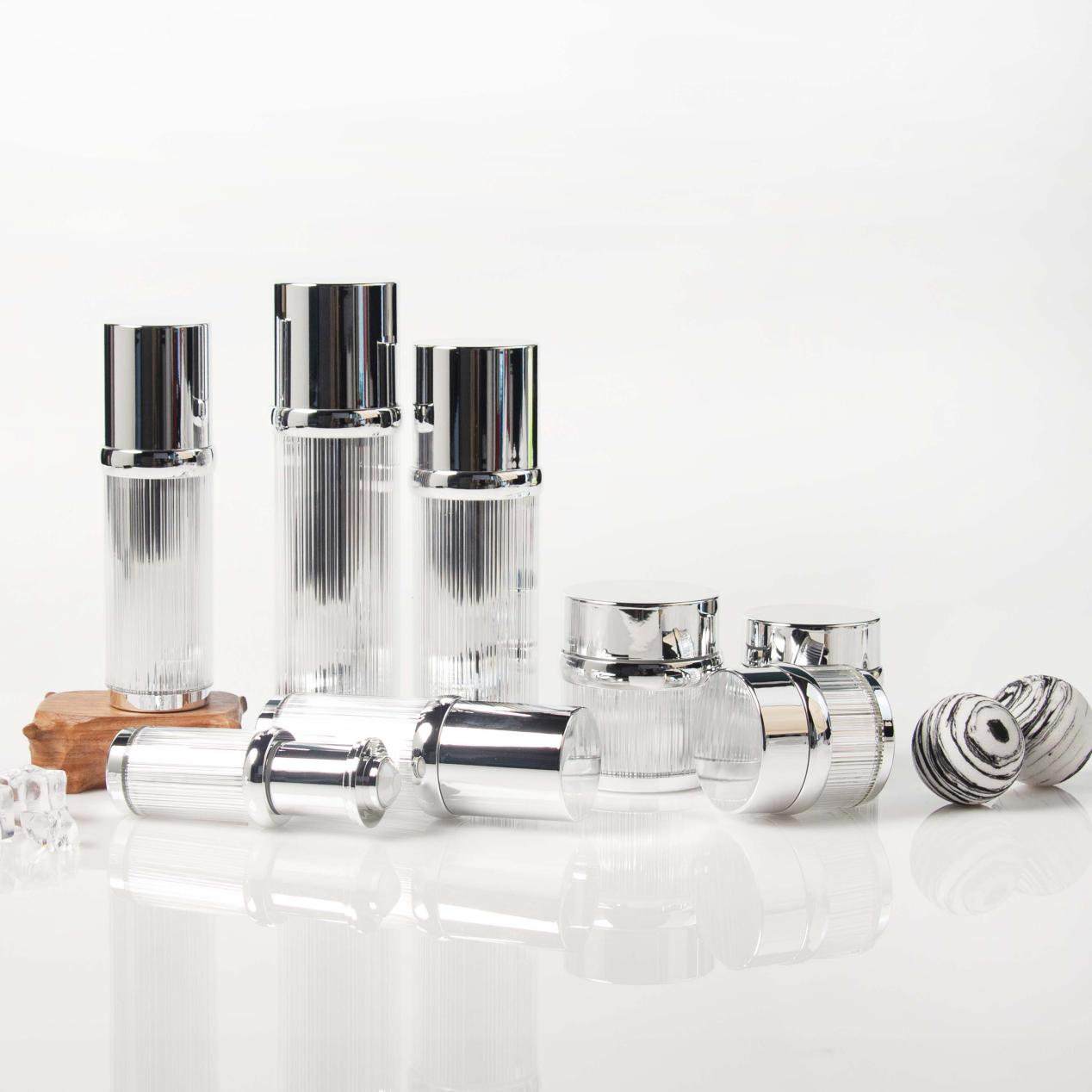
The Comprehensive Guide to Eye Cream Jars: A Definitive Resource for B2B Buyers
In the dynamic and competitive landscape of global skincare, packaging serves as more than just a protective vessel—it is a powerful brand ambassador, a functional necessity, and a key driver of consumer perception. Among the myriad packaging solutions available, eye cream jars stand out as a cornerstone for premium skincare brands, offering a unique blend of aesthetic appeal, product protection, and user experience. For B2B buyers operating across international markets—from the luxury-focused regions of Europe and the Middle East to the rapidly growing markets of Africa, South America, and Asia—navigating the complexities of eye cream jar sourcing can be a daunting task. This guide is designed to demystify every aspect of eye cream jars, from their types and materials to manufacturing processes, sourcing strategies, and market trends, equipping B2B buyers with the knowledge needed to make informed decisions that elevate their brand and drive business success.
Eye cream jars have evolved significantly over the years, adapting to changing consumer demands, technological advancements, and sustainability goals. What began as simple containers for sensitive eye formulations has transformed into sophisticated packaging solutions that balance luxury, functionality, and environmental responsibility. Today, B2B buyers must consider a multitude of factors when selecting eye cream jars, including material compatibility with active ingredients, customization options to align with brand identity, compliance with regional regulations, and cost-effectiveness across the supply chain. Whether sourcing for high-end luxury brands, eco-conscious startups, or mass-market skincare lines, this guide provides a comprehensive framework to navigate the global eye cream jar market with confidence.
1. Understanding Eye Cream Jar Types and Variations
Eye cream jars come in a diverse range of types, each tailored to specific brand needs, product formulations, and target audiences. From classic designs that exude timeless luxury to innovative, eco-friendly options that cater to sustainability-focused consumers, the variety of eye cream jars available in the market allows B2B buyers to find the perfect fit for their product line. Below is a detailed breakdown of the most common eye cream jar types, their key features, applications, and pros and cons for B2B buyers.
1.1 Key Eye Cream Jar Types: Features, Applications, and Trade-offs
| Type Name | Key Distinguishing Features | Primary B2B Applications | Pros for Buyers | Cons for Buyers |
| Classic Thick Bottom Glass Jar | Thick, durable glass base; available in clear, frosted, or colored variants; compatible with screw caps, pump tops, or dropper lids; chemical inertness | High-end skincare brands, luxury cosmetics lines, premium gift sets | Enhances perceived product value; provides excellent barrier protection against UV light, air, and contamination; timeless aesthetic appeal; recyclable | Higher shipping costs due to weight; risk of breakage during transit; higher production costs compared to plastic; typical MOQ of 5,000 units |
| Eco-Friendly Variant | Crafted from recycled materials (glass, plastic, or aluminum); biodegradable or compostable options; minimal packaging waste; sustainability certifications (e.g., FSC, ISO 14001) | Sustainable skincare brands, eco-conscious startups, natural beauty lines | Appeals to growing segment of environmentally aware consumers; enhances brand reputation; compliant with global sustainability regulations; supports corporate social responsibility (CSR) goals | Limited customization options for some materials; variable durability depending on recycled content; potentially higher material costs; longer lead times for specialized eco-materials |
| Customizable Design Jar | Flexible options for logos, colors, finishes (e.g., silk screening, hot stamping, 3D printing); customizable shapes, sizes, and lid types; branded packaging elements (e.g., embossed logos, color-coded caps) | Branding-focused companies, private label manufacturers, direct-to-consumer (DTC) skincare brands | Strengthens brand identity and market differentiation; creates memorable unboxing experiences; aligns packaging with brand aesthetic and values; supports targeted marketing strategies | Higher minimum order quantities (MOQs) for custom designs; additional tooling and setup costs; longer production lead times; potential design restrictions based on material |
| Travel-Sized Eye Cream Jar | Compact 16g or smaller capacity; lightweight materials (plastic or thin-walled glass); leak-proof sealing mechanisms; portable design; suitable for samples or on-the-go use | Travel retail, promotional giveaways, sample programs, hotel amenities | Ideal for product trials and customer acquisition; reduces waste from full-sized products; cost-effective for promotional campaigns; meets travel regulations (e.g., TSA-compliant sizes) | Limited product capacity; may be perceived as less premium than full-sized jars; requires careful sealing to prevent leakage; lower profit margins per unit |
| Premium Luxury Jar | High-quality materials (e.g., borosilicate glass, aluminum); luxury finishes (e.g., electroplating, matte coating, crystal accents); innovative lid designs (e.g., magnetic closures, airless pumps); 精致 craftsmanship | Luxury skincare brands, high-end gift sets, prestige beauty lines | Creates a premium unboxing experience; reinforces brand exclusivity; attracts discerning consumers; supports higher price points | Significantly higher production and material costs; strict quality control requirements; limited accessibility for small brands; higher shipping and handling costs |
| Airless Eye Cream Jar | Vacuum-sealed design; airless pump or piston mechanism; minimizes product exposure to air and contamination; precise dosage control | Skincare brands with sensitive formulations (e.g., retinol, vitamin C), anti-aging lines, medical-grade skincare | Extends product shelf life; preserves efficacy of active ingredients; reduces product waste (dispenses nearly 100% of contents); hygienic application | Higher production costs than standard jars; complex manufacturing process; potential compatibility issues with certain formulations; requires specialized tooling |
1.2 In-Depth Analysis of Popular Eye Cream Jar Types
1.2.1 Classic Thick Bottom Glass Jar
The classic thick bottom glass jar remains a staple in the luxury skincare market, and for good reason. Its robust glass base not only enhances durability and stability but also conveys a sense of premium quality that resonates with discerning consumers. Glass is inherently chemically inert, meaning it does not react with the active ingredients in eye creams—making it an ideal choice for formulations containing retinol, vitamin C, hyaluronic acid, or other sensitive compounds. Additionally, glass jars can be produced in a range of colors, from clear (to showcase the product’s texture and color) to frosted or opaque (to protect light-sensitive ingredients), allowing brands to align the packaging with their product’s specific needs.
For B2B buyers, the classic thick bottom glass jar offers several advantages. Its timeless design ensures longevity in the market, reducing the need for frequent packaging updates. Glass is also fully recyclable, aligning with growing consumer demand for sustainable packaging options. However, buyers must weigh these benefits against the drawbacks: glass jars are heavier than plastic alternatives, leading to higher shipping costs—especially for international orders. They are also more prone to breakage, requiring additional protective packaging during transit, which can further increase logistics expenses. Additionally, the MOQ for glass jars is typically higher (often 5,000 units or more), which may be a barrier for small brands or those launching new products.
1.2.2 Eco-Friendly Variant
As sustainability becomes a non-negotiable factor for consumers and brands alike, eco-friendly eye cream jars have emerged as a key trend in the packaging market. These jars are crafted from a variety of sustainable materials, including recycled glass, biodegradable plastic (e.g., PLA, PHA), recycled aluminum, or plant-based composites. Many eco-friendly jars also feature minimal packaging—such as cardboard sleeves instead of plastic labels—and are designed for recyclability or compostability at the end of their lifecycle.
For B2B buyers focused on sustainability, eco-friendly eye cream jars offer a powerful way to differentiate their brand and appeal to environmentally conscious consumers. Brands that prioritize eco-friendly packaging often see increased customer loyalty and positive brand perception, as consumers increasingly make purchasing decisions based on a brand’s environmental impact. Additionally, eco-friendly jars are often compliant with regional sustainability regulations, such as the EU’s Single-Use Plastics Directive or California’s Extended Producer Responsibility (EPR) laws, reducing the risk of non-compliance penalties.
However, eco-friendly jars also present challenges. Some biodegradable plastics may have limited durability, potentially affecting product protection or shelf life. Recycled materials can also have variations in quality or appearance, making consistency a concern for brands with strict aesthetic standards. Additionally, the cost of eco-friendly materials is often higher than traditional plastics or glass, which can impact profit margins—especially for brands operating in price-sensitive markets. B2B buyers should also verify the sustainability claims of suppliers, as “greenwashing” (misleading environmental marketing) is a common issue in the packaging industry. Requesting third-party certifications, such as FSC (Forest Stewardship Council) or ISO 14001, can help ensure that suppliers are truly committed to sustainable practices.
1.2.3 Customizable Design Jar
In a crowded skincare market, branding is key to standing out—and customizable eye cream jars allow brands to create a unique identity that resonates with their target audience. These jars offer a range of customization options, from simple logo printing to complex surface treatments, custom shapes, and color-matched components. Common customization techniques include silk screening (for bold, durable logos), hot stamping (for metallic or premium finishes), frosting (for a sleek, modern look), and 3D printing (for intricate designs or textures). Brands can also customize the lid type—choosing from screw caps, pump tops, droppers, or magnetic closures—to align with their product’s functionality and aesthetic.
For B2B buyers, customizable jars provide a competitive edge by turning packaging into a marketing tool. A well-designed, branded jar can enhance brand recognition, create a memorable unboxing experience, and communicate the brand’s values (e.g., luxury, sustainability, innovation) to consumers. Customization is particularly valuable for private label manufacturers and DTC brands, which rely on packaging to build brand loyalty and differentiate their products from competitors.
However, customization comes with trade-offs. Suppliers typically require higher MOQs for custom-designed jars, as tooling and setup costs are involved. For example, creating a custom mold for a unique jar shape can cost thousands of dollars, which is only cost-effective for large production runs. Additionally, customization can extend production lead times, as suppliers need time to design, test, and produce the custom components. B2B buyers should also consider the scalability of their custom design—ensuring that it can be adapted to different product sizes or formulations as the brand grows.
1.2.4 Travel-Sized Eye Cream Jar
Travel-sized eye cream jars (typically 16g or smaller) are a versatile packaging option that serves multiple purposes for brands. They are ideal for product samples, allowing consumers to try the product before committing to a full-sized purchase. They also cater to the growing “on-the-go” lifestyle trend, as consumers increasingly seek portable skincare solutions for travel, gym bags, or purses. Additionally, travel-sized jars are popular as promotional giveaways, hotel amenities, or additions to gift sets—providing brands with opportunities to expand their reach and attract new customers.
For B2B buyers, travel-sized jars offer several benefits. They are cost-effective to produce and ship, making them a low-risk option for brand extensions or promotional campaigns. They also help reduce product waste, as consumers are less likely to discard unused product when it comes in a smaller size. Travel-sized jars can also be used to test new markets or formulations, allowing brands to gather consumer feedback before investing in full-sized production.
However, travel-sized jars have limitations. Their small capacity means they are not suitable for long-term use, and they may be perceived as less premium than full-sized jars—making them less ideal for luxury brands. Additionally, the small size requires precise engineering of the sealing mechanism to prevent leakage, which can be a challenge for some materials. B2B buyers should also ensure that travel-sized jars comply with regional travel regulations, such as TSA guidelines for carry-on liquids, which may restrict the size or type of packaging.
1.2.5 Premium Luxury Jar
Premium luxury eye cream jars are designed to cater to the most discerning consumers, offering a combination of exceptional quality, innovative design, and luxurious aesthetics. These jars are often crafted from high-end materials, such as borosilicate glass (which is more durable and heat-resistant than standard glass), aluminum (for a sleek, modern look), or even crystal accents (for ultimate exclusivity). They may feature innovative lid designs, such as magnetic closures (which provide a satisfying “click” when closed) or airless pumps (which preserve product efficacy), and 精致 finishes like electroplating, matte coating, or hand-polished surfaces.
For B2B buyers in the luxury skincare segment, premium jars are a critical investment. They help position the product as exclusive and high-quality, supporting higher price points and attracting affluent consumers. The unboxing experience of a premium jar—from the weight and feel of the container to the design of the lid and packaging—can create a sense of indulgence that enhances customer satisfaction and loyalty. Additionally, premium jars are often produced with strict quality control standards, ensuring consistency and reliability across every unit.
However, premium luxury jars come with a high price tag. The cost of materials, craftsmanship, and customization is significantly higher than standard jars, which can impact profit margins. Additionally, the production process for premium jars is often more complex, leading to longer lead times and higher MOQs. B2B buyers should also consider the target market for their product—premium jars may not be suitable for price-sensitive consumers or mass-market brands, as the cost of packaging may outweigh the perceived value.
1.2.6 Airless Eye Cream Jar
Airless eye cream jars are a technical innovation that addresses a key pain point for skincare brands: preserving the efficacy of sensitive formulations. Unlike traditional jars, which expose the product to air every time the lid is opened, airless jars use a vacuum-sealed design with a piston or pump mechanism that dispenses product without allowing air to enter the container. This minimizes oxidation of active ingredients, extends product shelf life, and reduces the risk of contamination—making airless jars ideal for formulations containing retinol, vitamin C, peptides, or other sensitive compounds.
For B2B buyers, airless jars offer several functional benefits. They help maintain product integrity, ensuring that the eye cream remains effective from the first use to the last. They also reduce product waste, as the airless mechanism dispenses nearly 100% of the product—unlike traditional jars, where product can become trapped in the corners or under the lid. Additionally, airless jars provide a hygienic application method, as consumers do not need to touch the product with their fingers, reducing the risk of bacterial contamination.
However, airless jars are more complex and expensive to produce than standard jars. The airless mechanism requires precise engineering, and the production process involves additional steps to ensure the vacuum seal is effective. This leads to higher production costs and longer lead times. Additionally, airless jars may not be compatible with all formulations—thicker creams or products with particulate matter (e.g., exfoliating beads) may clog the pump mechanism. B2B buyers should test their product with airless jars before committing to a large order, to ensure compatibility and functionality.
2. Key Industrial Applications of Eye Cream Jars
Eye cream jars are utilized across a wide range of industries, from cosmetics and skincare to travel and hospitality, pharmaceutical and wellness, and private label manufacturing. Each industry has unique requirements for packaging, based on product type, target audience, and functional needs. Below is a detailed overview of the key industrial applications of eye cream jars, including their specific uses, benefits, and sourcing considerations.
2.1 Industrial Applications: Use Cases, Benefits, and Sourcing Tips
| Industry/Sector | Specific Application of Eye Cream Jars | Value/Benefit for the Business | Key Sourcing Considerations |
| Cosmetics & Skincare | Packaging for premium eye creams, anti-aging formulations, under-eye serums, and specialty eye treatments (e.g., brightening, de-puffing) | Enhances brand perception and consumer trust; protects sensitive active ingredients; supports premium pricing; creates a luxurious unboxing experience | Material compatibility with formulations; customization options; sustainability credentials; compliance with cosmetic packaging regulations (e.g., EU Cosmetics Regulation, FDA guidelines) |
| Travel & Hospitality | Luxury hotel amenities, spa treatments, travel retail products, and promotional giveaways | Adds a sophisticated touch to guest experiences; caters to on-the-go consumers; supports brand exposure through travel channels; reduces waste from full-sized products | Compact size (TSA-compliant for travel); leak-proof sealing; lightweight materials for shipping; aesthetic alignment with hotel/spa brand identity |
| E-commerce & Retail | Direct-to-consumer (DTC) skincare brands, online marketplaces (e.g., Amazon, Sephora), and brick-and-mortar retail shelves | Appeals to eco-conscious consumers; stands out in online listings with unique design; supports brand storytelling through packaging; ensures product protection during shipping | Shipping durability; product visibility (clear or frosted materials); branding opportunities (custom labels, finishes); cost-effectiveness for high-volume orders |
| Pharmaceutical & Wellness | Packaging for medical-grade eye creams, prescription eye treatments, and dermatologist-recommended products | Ensures product integrity and shelf life; complies with strict health and safety regulations; builds trust with healthcare professionals and consumers | Compliance with pharmaceutical packaging standards (e.g., ISO 13485); chemical inertness of materials; tamper-evident features; batch tracking capabilities |
| Private Label & Contract Manufacturing | Custom packaging for third-party brands, white-label skincare lines, and co-branded products | Facilitates brand differentiation; meets diverse client needs (e.g., luxury, sustainable, budget); supports quick turnaround for seasonal or limited-edition products | Design flexibility; customizable MOQs; fast production lead times; quality assurance across multiple client brands |
2.2 Detailed Industry Application Analysis
2.2.1 Cosmetics & Skincare Industry
The cosmetics and skincare industry is the primary user of eye cream jars, accounting for the majority of global demand. In this sector, eye cream jars are used to package a wide range of products, including premium eye creams, anti-aging formulations, under-eye serums, and specialty treatments (e.g., brightening, de-puffing, firming). The key priority for brands in this industry is to balance aesthetic appeal with product protection—eye creams are often formulated with sensitive active ingredients (e.g., retinol, vitamin C, hyaluronic acid) that require packaging to prevent oxidation, contamination, and UV damage.
For B2B buyers in the cosmetics and skincare industry, sourcing eye cream jars involves several critical considerations. First, material compatibility is paramount—glass is often preferred for luxury formulations due to its chemical inertness, while plastic may be used for more affordable lines (with the caveat that it must be BPA-free and compatible with the product). Second, customization is key to brand differentiation—brands often seek jars that can be personalized with logos, colors, and finishes to align with their brand identity. Third, sustainability is increasingly important—consumers in the skincare industry are more likely to choose brands with eco-friendly packaging, so buyers should prioritize jars made from recycled materials or fully recyclable options.
Additionally, compliance with regional regulations is essential. For example, the EU Cosmetics Regulation requires that packaging materials do not pose a risk to human health, while the FDA in the United States has strict guidelines for cosmetic packaging safety. B2B buyers should ensure that their suppliers comply with these regulations, and request documentation (e.g., safety certificates, material data sheets) to verify compliance.
2.2.2 Travel & Hospitality Industry
In the travel and hospitality industry, eye cream jars are used as premium amenities in luxury hotels, resorts, and spas, as well as in travel retail products and promotional giveaways. The key requirements for this industry are portability, durability, and aesthetic appeal—jars must be compact enough for travel (often 16g or smaller), leak-proof to prevent spills during transit, and visually consistent with the hotel or spa’s brand identity.
For B2B buyers in the travel and hospitality sector, sourcing eye cream jars requires a focus on functionality and design. Travel-sized jars must be TSA-compliant (for carry-on use) and lightweight to minimize shipping costs. Leak-proof sealing is critical—hotel guests and travelers expect amenities to remain intact during their journey. Additionally, the design of the jar should reflect the luxury of the brand—many hotels and spas opt for sleek, minimalist jars with subtle branding, to create a sophisticated guest experience.
Sourcing considerations also include cost-effectiveness and scalability. Hotels and resorts often require large quantities of amenities, so buyers should negotiate competitive pricing with suppliers, particularly for bulk orders. Additionally, suppliers should be able to accommodate custom branding (e.g., hotel logos on the jar or packaging) and provide quick turnaround times to meet seasonal demand (e.g., peak travel periods).
2.2.3 E-commerce & Retail Industry
The e-commerce and retail industry is a rapidly growing market for eye cream jars, driven by the rise of DTC skincare brands and online shopping. In this sector, eye cream jars must not only protect the product during shipping but also stand out in online listings and on retail shelves. Consumers shopping online rely heavily on product images, so the design of the jar—including its shape, color, and finish—plays a critical role in attracting attention.
For B2B buyers in e-commerce and retail, sourcing eye cream jars involves balancing durability, aesthetics, and cost. Jars must be robust enough to withstand the rigors of shipping (e.g., stacking, handling) without breaking or leaking. Clear or frosted materials are often preferred, as they allow consumers to see the product’s texture and color—an important factor for online shoppers who cannot touch or test the product in person. Customization is also key—brands can use unique jar designs, labels, or finishes to differentiate their products from competitors on crowded retail shelves or online marketplaces.
Sustainability is another important consideration for e-commerce and retail buyers. Many online consumers are eco-conscious, and brands that use sustainable packaging (e.g., recycled glass, biodegradable plastic) often see higher conversion rates. Additionally, sustainable packaging can help reduce shipping costs—lighter materials (e.g., recycled plastic) are cheaper to ship than heavy glass, which is a significant advantage for e-commerce brands with high shipping volumes.
2.2.4 Pharmaceutical & Wellness Industry
In the pharmaceutical and wellness industry, eye cream jars are used to package medical-grade eye creams, prescription eye treatments, and dermatologist-recommended products. The key priority in this sector is product integrity—eye creams in this category often contain potent active ingredients (e.g., prescription-strength retinol, hydrocortisone) that require strict protection from air, light, and contamination. Additionally, packaging must comply with stringent health and safety regulations, to ensure that the product is safe for use.
For B2B buyers in the pharmaceutical and wellness industry, sourcing eye cream jars requires a focus on compliance and functionality. Jars must be made from materials that are chemically inert and compatible with pharmaceutical formulations—glass is often the preferred choice, as it does not react with active ingredients and provides an airtight seal. Additionally, jars should feature tamper-evident features (e.g., shrink wraps, sealed lids) to prevent tampering and ensure product safety.
Compliance with regional regulations is critical. For example, pharmaceutical packaging in the EU must comply with ISO 13485 (quality management systems for medical devices), while the FDA in the United States has specific guidelines for drug packaging. B2B buyers should ensure that their suppliers have the necessary certifications and can provide documentation to verify compliance. Additionally, suppliers should have batch tracking capabilities, to allow for product recalls if necessary.
2.2.5 Private Label & Contract Manufacturing Industry
The private label and contract manufacturing industry provides custom packaging solutions for third-party brands, white-label skincare lines, and co-branded products. In this sector, eye cream jars must be flexible enough to meet the diverse needs of different clients—from luxury brands requiring premium, customizable jars to budget brands seeking cost-effective, standard designs.
For B2B buyers in private label and contract manufacturing, sourcing eye cream jars involves prioritizing design flexibility, quality, and scalability. Suppliers should offer a wide range of customization options (e.g., shapes, colors, finishes, logos) to cater to different client brands. Additionally, suppliers must be able to maintain consistent quality across large production runs, as private label manufacturers often need to meet the strict standards of their clients.
MOQ flexibility is another key consideration. Private label manufacturers may work with clients of all sizes—from small startups to large corporations—so suppliers should be able to accommodate both small and large orders. Quick production lead times are also important, as private label manufacturers often need to meet tight deadlines for seasonal or limited-edition products. Additionally, suppliers should be able to provide design support, to help clients create packaging that aligns with their brand identity and market positioning.
3. Common User Pain Points and Solutions for Eye Cream Jars
B2B buyers of eye cream jars often face a range of challenges, from maintaining product freshness and integrity to achieving brand differentiation and managing inventory. Below are three common pain points, along with practical solutions to help buyers navigate these challenges and make informed sourcing decisions.
3.1 Pain Point 1: Maintaining Product Freshness and Integrity
The Problem
Eye creams are often formulated with sensitive active ingredients (e.g., retinol, vitamin C, peptides) that are prone to oxidation, contamination, and degradation when exposed to air, light, or bacteria. Traditional eye cream jars—especially those with simple screw caps—may not provide adequate protection against these factors, leading to product spoilage, reduced efficacy, and negative consumer experiences. For B2B buyers, this can result in increased product returns, damage to brand reputation, and lost revenue.
The Solution
To ensure product freshness and integrity, B2B buyers should prioritize eye cream jars with advanced sealing mechanisms and barrier properties. Here are key steps to address this pain point:
- Choose jars with airtight sealing: Look for jars with screw caps that feature a pressure-sealed PE disc or foam liner, which creates an additional barrier against air and moisture. For sensitive formulations, consider airless jars, which use a vacuum-sealed design to minimize product exposure to air.
- Select materials with superior barrier properties: Glass is the best choice for preserving sensitive ingredients, as it is impermeable to air and light. For plastic jars, opt for materials with high barrier properties (e.g., PET, PP) that are BPA-free and compatible with the product formulation.
- Conduct stability testing: Before placing a bulk order, request samples of the jar and test it with your product formulation. Conduct stability tests under different conditions (e.g., temperature, humidity) to verify that the jar maintains product integrity over time.
- Add UV protection: For light-sensitive ingredients, choose jars with frosted, opaque, or colored glass/plastic, which blocks UV light and prevents oxidation. Alternatively, use jars with UV-protective coatings or packaging sleeves.
3.2 Pain Point 2: Achieving Brand Differentiation in a Saturated Market
The Problem
The skincare market is highly saturated, with thousands of brands competing for consumer attention. B2B buyers often struggle to find eye cream jars that not only protect the product but also help the brand stand out. Many standard jars are generic and lack unique design elements, making it difficult for brands to differentiate themselves and attract consumers.
The Solution
To achieve brand differentiation, B2B buyers should leverage customization options and innovative design features. Here are practical steps to address this pain point:
- Invest in custom design: Work with suppliers to create unique jar shapes, sizes, or finishes that align with your brand identity. For example, a luxury brand might opt for a jar with a metallic finish and embossed logo, while an eco-friendly brand could choose a jar made from recycled glass with a minimalist design.
- Utilize surface treatments: Take advantage of surface treatments such as silk screening, hot stamping, frosting, or color coating to add branding elements and visual appeal. Color-coding jars to differentiate product lines (e.g., blue for brightening, green for hydrating) can also help consumers quickly identify the product they need.
- Incorporate innovative lid designs: The lid is a key design element that can set your jar apart. Consider magnetic closures (for a premium feel), pump tops (for hygienic application), or dropper lids (for precise dosage) to enhance functionality and aesthetics.
- Leverage sustainable packaging as a differentiator: Highlight the sustainability features of your jar (e.g., recycled materials, recyclable design) in your marketing. Eco-friendly packaging is a strong differentiator, as more consumers are choosing brands that prioritize environmental responsibility.
3.3 Pain Point 3: Navigating Minimum Order Quantities (MOQs) and Inventory Management
The Problem
Many eye cream jar suppliers require high MOQs—often 5,000 units or more—especially for custom designs or glass jars. For small brands, startups, or those launching new products, this can be a significant barrier. High MOQs lead to increased inventory costs, storage challenges, and the risk of excess stock if the product does not sell as expected.
The Solution
To navigate MOQs and manage inventory effectively, B2B buyers should adopt strategic sourcing and inventory management practices. Here are key steps to address this pain point:
- Negotiate flexible MOQs with suppliers: Engage in discussions with suppliers to see if they can offer lower MOQs for standard designs or small-batch orders. Some suppliers may be willing to reduce MOQs for long-term clients or if you consolidate orders with other product lines.
- Partner with suppliers that offer custom MOQs: Look for suppliers that specialize in serving small to medium-sized brands and offer flexible MOQ options. For example, some suppliers may offer MOQs as low as 1,000 units for standard jars or custom designs with minimal tooling requirements.
- Implement just-in-time (JIT) inventory management: JIT inventory involves ordering products only when they are needed, reducing the risk of excess stock. Work with suppliers to establish short lead times, so you can place orders based on demand forecasts rather than holding large inventories.
- Consider co-packaging or shared MOQs: For very small brands, consider partnering with other brands to share MOQs. This allows you to split the cost of a bulk order and reduce inventory requirements, while still accessing custom design options.
4. Strategic Material Selection Guide for Eye Cream Jars
The choice of material is one of the most critical decisions for B2B buyers of eye cream jars. Material impacts product protection, aesthetic appeal, sustainability, cost, and compliance with regulations. Below is a comprehensive guide to the most common materials used for eye cream jars, along with their key properties, pros and cons, and typical use cases.
4.1 Key Materials for Eye Cream Jars: Properties and Trade-offs
| Material | Key Properties | Typical Use Case | Pros | Cons | Relative Cost (Low/Med/High) |
| Glass | Chemically inert; impermeable to air, light, and moisture; recyclable; aesthetically pleasing; durable (when handled properly) | Premium eye creams, luxury skincare lines, sensitive formulations | Preserves product integrity; enhances brand perception; fully recyclable; compatible with all formulations | Heavy (high shipping costs); prone to breakage; higher production costs; high MOQs | High |
| Plastic (PET/PP) | Lightweight; shatter-resistant; customizable (colors, shapes, finishes); cost-effective; recyclable | Budget-friendly skincare lines, travel-sized products, mass-market brands | Low production and shipping costs; durable; flexible design options; low MOQs | Lower barrier properties (may affect product shelf life); perceived as less premium; some plastics may react with sensitive ingredients; environmental concerns (unless recycled) | Low |
| Aluminum | Lightweight; durable; excellent barrier properties (blocks air, light, and moisture); recyclable; sleek, modern aesthetic | Eco-friendly brands, luxury travel-sized products, medical-grade skincare | Preserves product integrity; sustainable (highly recyclable); durable (resistant to dents and breakage); customizable with printing/engraving | Higher initial cost than plastic; may require additional coatings to prevent reaction with acidic formulations; limited color options; heavier than plastic | Medium |
| Eco-Friendly Materials (Recycled Glass, Biodegradable Plastic, Plant-Based Composites) | Recyclable, biodegradable, or compostable; low environmental impact; compliant with sustainability regulations | Eco-conscious brands, natural skincare lines, sustainable startups | Enhances brand reputation; appeals to eco-friendly consumers; compliant with global sustainability laws; reduces carbon footprint | Variable durability; higher cost than traditional plastic; limited customization options; some materials may have lower barrier properties | Medium to High |
4.2 In-Depth Material Analysis
4.2.1 Glass
Glass is the gold standard for premium eye cream jars, and for good reason. It is chemically inert, meaning it does not react with any skincare ingredients—making it ideal for sensitive formulations containing retinol, vitamin C, or peptides. Glass is also impermeable to air, light, and moisture, providing superior protection against oxidation, contamination, and degradation. Additionally, glass has a timeless, luxurious aesthetic that enhances brand perception and supports premium pricing.
Glass eye cream jars are available in a range of types, including clear, frosted, colored, and borosilicate glass (which is more durable and heat-resistant than standard glass). Clear glass is ideal for showcasing the product’s texture and color, while frosted or colored glass provides UV protection for light-sensitive ingredients. Glass is also fully recyclable, aligning with sustainability goals and consumer demand for eco-friendly packaging.
However, glass has several drawbacks. It is heavy, which increases shipping costs—especially for international orders. It is also prone to breakage during transit, requiring additional protective packaging (e.g., bubble wrap, foam inserts) that adds to logistics expenses. Glass production is also more energy-intensive than plastic, and the MOQ for glass jars is typically higher (5,000 units or more), which may be a barrier for small brands.
For B2B buyers, glass is the best choice if:
- Their product is a premium or luxury eye cream with sensitive active ingredients.
- They target consumers who value sustainability (glass is 100% recyclable).
- They are willing to invest in higher production and shipping costs for a premium aesthetic and product protection.
4.2.2 Plastic (PET/PP)
Plastic is the most common material for budget-friendly and mass-market eye cream jars, thanks to its low cost, lightweight, and durability. The most popular plastics used for eye cream jars are PET (Polyethylene Terephthalate) and PP (Polypropylene), which are BPA-free, recyclable, and compatible with most skincare formulations.
PET is a lightweight, clear plastic that offers good barrier properties against moisture and air. It is ideal for travel-sized jars, as it is shatter-resistant and easy to ship. PP is a more durable plastic that is resistant to heat and chemicals, making it suitable for thicker formulations or products that require hot-fill processing. Both PET and PP can be customized with colors, finishes, and logos, making them a flexible option for brands.
Plastic jars have several advantages for B2B buyers. They are significantly cheaper than glass, reducing production and shipping costs. They are lightweight, which lowers logistics expenses—especially for large orders. They are also shatter-resistant, reducing the risk of breakage during transit. Additionally, plastic jars have lower MOQs than glass, making them accessible for small brands and startups.
However, plastic has limitations. It is not as impermeable as glass, so it may not provide adequate protection for highly sensitive ingredients (e.g., vitamin C) over long periods. Some consumers perceive plastic as less premium than glass, which may limit its use for luxury brands. Additionally, plastic is not biodegradable, and while it is recyclable, recycling rates vary by region—leading to environmental concerns.
For B2B buyers, plastic is the best choice if:
- Their product is a budget-friendly or mass-market eye cream.
- They need lightweight, shatter-resistant packaging for travel or e-commerce.
- They have a limited budget or require low MOQs.
- Their target audience is not primarily focused on luxury or sustainability.
4.2.3 Aluminum
Aluminum is a versatile material that offers a balance of sustainability, durability, and aesthetic appeal. It is lightweight (lighter than glass, heavier than plastic), durable (resistant to dents and breakage), and provides excellent barrier properties against air, light, and moisture—making it ideal for preserving sensitive formulations. Aluminum is also 100% recyclable, with a high recycling rate (over 75% in many regions), making it a sustainable choice for eco-conscious brands.
Aluminum eye cream jars have a sleek, modern aesthetic that appeals to luxury and eco-friendly brands alike. They can be customized with printing, engraving, or matte/metallic finishes, allowing for unique branding. Additionally, aluminum jars are tamper-evident, as they can be sealed with a crimp-on lid that requires tools to open—enhancing product safety.
However, aluminum has some drawbacks. It is more expensive than plastic, though cheaper than glass. It may require additional coatings (e.g., epoxy liners) to prevent reaction with acidic formulations (e.g., vitamin C serums), which can add to production costs. Aluminum jars also have limited color options—most are available in silver, gold, or black—restricting customization for some brands.
For B2B buyers, aluminum is the best choice if:
- Their product is an eco-friendly or luxury eye cream with sensitive ingredients.
- They want a lightweight, durable alternative to glass.
- They target consumers who value sustainability and recyclability.
- They need tamper-evident packaging for product safety.
4.2.4 Eco-Friendly Materials
Eco-friendly materials—such as recycled glass, biodegradable plastic (e.g., PLA, PHA), and plant-based composites—are growing in popularity as brands and consumers prioritize sustainability. These materials offer similar functionality to traditional materials while minimizing environmental impact.
Recycled glass is identical in performance to virgin glass but uses less energy and reduces waste. It is ideal for brands that want the premium aesthetic and product protection of glass with a lower carbon footprint. Biodegradable plastic is made from renewable resources (e.g., cornstarch, sugarcane) and breaks down naturally in compostable environments, reducing plastic pollution. Plant-based composites (e.g., bamboo fiber, paper pulp) are another sustainable option, though they are typically used for dry or semi-solid formulations due to their lower barrier properties.
Eco-friendly materials have several advantages. They enhance brand reputation and appeal to the growing segment of eco-conscious consumers. They comply with global sustainability regulations (e.g., EU Single-Use Plastics Directive, California EPR laws). They also support corporate social responsibility (CSR) goals, which can improve brand loyalty and attract investors.
However, eco-friendly materials have limitations. They are often more expensive than traditional plastic or glass. Their durability and barrier properties can vary—biodegradable plastic may not be as durable as PET or PP, and plant-based composites may not provide adequate protection for liquid or sensitive formulations. Additionally, eco-friendly materials may have limited customization options, and some require specialized disposal (e.g., composting facilities for biodegradable plastic).
For B2B buyers, eco-friendly materials are the best choice if:
- Their brand is focused on sustainability and eco-consciousness.
- They target consumers who prioritize environmental responsibility.
- They are willing to invest in higher material costs for a competitive edge.
- Their product formulation is compatible with the material’s barrier properties.
5. Manufacturing Processes and Quality Assurance for Eye Cream Jars
Understanding the manufacturing processes and quality assurance protocols for eye cream jars is critical for B2B buyers, as it directly impacts product quality, consistency, and compliance. Below is an in-depth look at the key stages of manufacturing, quality control measures, and international standards that buyers should consider when sourcing eye cream jars.
5.1 Key Stages in the Manufacturing Process
The manufacturing process for eye cream jars varies depending on the material (glass, plastic, aluminum) but generally involves four core stages: material preparation, forming, assembly, and finishing.
5.1.1 Material Preparation
The first step in manufacturing eye cream jars is sourcing and preparing raw materials. For glass jars, raw materials include silica sand, soda ash, limestone, and cullet (recycled glass). These materials are mixed in precise proportions and melted in a furnace at temperatures over 1,500°C to form molten glass. For plastic jars, raw materials are resin pellets (e.g., PET, PP), which are dried to remove moisture (critical for preventing defects in the final product) and melted in an extruder. For aluminum jars, raw materials are aluminum sheets or coils, which are cut into blanks and cleaned to remove impurities.
Quality control begins at this stage: suppliers must inspect raw materials for purity, durability, and compatibility with skincare formulations. For example, glass must be free from bubbles or impurities that could affect its barrier properties, while plastic resin must be BPA-free and compliant with food-grade standards.
5.1.2 Forming
The forming stage involves shaping the raw materials into the desired jar design. The method varies by material:
- Glass jars: Two common forming methods are blow molding and press molding. Blow molding involves blowing molten glass into a mold to create the jar shape, while press molding uses a plunger to press molten glass into a mold. Both methods are used to create thick bottom jars, which require precise control of glass thickness to ensure stability and durability.
- Plastic jars: Injection molding is the most common method. Melted plastic resin is injected into a mold under high pressure, then cooled and ejected. Injection molding allows for complex shapes and precise control of jar dimensions, making it ideal for custom designs.
- Aluminum jars: Deep drawing is the primary forming method. Aluminum blanks are placed in a die and drawn into the jar shape using a punch. This process creates a seamless jar body with a thick bottom for stability.
During forming, quality control technicians monitor the process to ensure that jars meet specifications for size, shape, and thickness. Defects such as cracks, uneven walls, or bubbles are identified and discarded at this stage.
5.1.3 Assembly
After forming, the jars are assembled with their components (e.g., lids, liners, pumps). For glass and plastic jars, this typically involves attaching screw caps with pressure-sealed PE discs or foam liners, which provide an airtight seal. For airless jars, the assembly process includes integrating the piston or pump mechanism, which requires precise engineering to ensure functionality. For aluminum jars, assembly may involve crimping on lids or attaching pump tops.
Assembly is a critical stage for product integrity—poorly fitted components can lead to leakage or contamination. Quality control technicians inspect each jar to ensure that components fit securely and that the sealing mechanism is effective.
5.1.4 Finishing
The finishing stage involves enhancing the aesthetic appeal and functionality of the jars. Common finishing techniques include:
- Surface treatments: Silk screening (for logos or designs), hot stamping (for metallic finishes), frosting (for a matte look), and color coating (for custom colors).
- Polishing: For glass or aluminum jars, polishing creates a smooth, reflective surface.
- Engraving: For aluminum or glass jars, engraving adds a tactile, premium finish.
- Labeling: Applying paper or plastic labels with brand information, product details, or sustainability claims.
Finishing is crucial for brand differentiation, and quality control ensures that finishes are consistent and free from defects (e.g., smudged printing, uneven coating).
5.2 Quality Assurance and Control Measures
Quality assurance (QA) is a comprehensive process that ensures eye cream jars meet industry standards, regulatory requirements, and brand specifications. Below are key QA measures that B2B buyers should look for in suppliers.
5.2.1 International Quality Standards
Suppliers should adhere to international quality standards that demonstrate their commitment to consistent, high-quality production. Key standards include:
- ISO 9001: A quality management system standard that outlines criteria for process control, customer satisfaction, and continuous improvement.
- ISO 14001: An environmental management system standard that ensures suppliers minimize their environmental impact.
- ISO 13485: A quality management system standard for medical devices, which is relevant for pharmaceutical and medical-grade eye cream jars.
- CE Marking: Required for products sold in the EU, indicating compliance with health, safety, and environmental regulations.
- FDA Registration: Required for suppliers selling packaging for cosmetic or pharmaceutical products in the United States, ensuring compliance with FDA guidelines.
B2B buyers should verify that suppliers hold these certifications and request documentation to confirm compliance.
5.2.2 Quality Control Checkpoints
Quality control (QC) involves inspections at every stage of the manufacturing process to identify and correct defects. Key checkpoints include:
- Incoming Quality Control (IQC): Inspecting raw materials (e.g., glass, plastic resin, aluminum) for purity, durability, and compliance with specifications.
- In-Process Quality Control (IPQC): Monitoring the forming, assembly, and finishing stages to ensure that processes are followed correctly and that jars meet size, shape, and thickness requirements.
- Final Quality Control (FQC): Conducting a comprehensive inspection of finished jars, including checks for defects (e.g., cracks, uneven surfaces, printing errors), sealing effectiveness, and component fit.
Suppliers should have documented QC procedures and provide regular reports to buyers, detailing the results of inspections and any corrective actions taken.
5.2.3 Testing Methods
To ensure product quality and safety, suppliers use a range of testing methods for eye cream jars:
- Physical Testing: Includes drop tests (to assess breakage resistance), compression tests (to assess durability), and dimensional tests (to verify size and shape).
- Chemical Testing: Ensures that materials do not react with skincare formulations, using tests such as migration testing (to check for chemical leaching).
- Leak Testing: Verifies that the sealing mechanism is effective, using methods such as vacuum testing or immersion testing.
- UV Protection Testing: For light-sensitive formulations, tests to ensure that jars block UV light and prevent oxidation.
B2B buyers should request information about the testing methods used by suppliers and ask for test reports to verify product performance.
5.2.4 Supplier Audits and Third-Party Inspections
To ensure that suppliers adhere to quality standards, B2B buyers should conduct regular supplier audits or engage third-party inspection agencies. Supplier audits involve visiting the manufacturing facility to review production processes, QC procedures, and compliance with standards. Third-party inspections provide an unbiased assessment of product quality, with inspectors conducting on-site checks of raw materials, in-process production, and finished products.
Both audits and third-party inspections help buyers identify potential issues early and ensure that suppliers meet their quality requirements.
6. Practical Sourcing Guide: Step-by-Step Checklist for B2B Buyers
Sourcing eye cream jars internationally requires careful planning and attention to detail. Below is a step-by-step checklist to help B2B buyers navigate the sourcing process and find the right supplier for their needs.
6.1 Step 1: Define Your Technical Specifications
Before starting the sourcing process, clearly define your technical requirements for the eye cream jar. This will help you narrow down potential suppliers and ensure that the final product meets your needs. Key specifications include:
- Material: Glass, plastic, aluminum, or eco-friendly material.
- Capacity: Typically 16g for standard eye cream jars, but may vary (e.g., 5g for samples, 30g for full-sized products).
- Dimensions: Height, diameter, and bottom thickness (for thick bottom jars).
- Sealing mechanism: Screw cap, airless pump, dropper, or magnetic closure.
- Customization: Logos, colors, finishes, surface treatments (e.g., silk screening, hot stamping), and label requirements.
- Functional requirements: UV protection, leak-proof design, tamper-evident features.
- Sustainability requirements: Recyclable, biodegradable, made from recycled materials, or compliant with specific sustainability certifications.
6.2 Step 2: Identify Potential Suppliers
Once you have defined your specifications, research potential suppliers that specialize in eye cream jars. Key sources for finding suppliers include:
- Online B2B marketplaces: Platforms such as Alibaba, DHGate, and Made-in-China.com list thousands of packaging suppliers from around the world.
- Industry trade shows: Events such as Cosmoprof, Packaging Innovations, and Beautyworld Middle East allow you to meet suppliers in person and view their products.
- Referrals: Ask other brands in the skincare industry for recommendations of reliable suppliers.
- Supplier directories: Organizations such as the Packaging Association or local chamber of commerce can provide lists of certified suppliers.
When evaluating suppliers, consider the following factors:
- Experience in producing eye cream jars (preferably for skincare brands).
- Range of products and customization options.
- Compliance with international quality and sustainability standards.
- Manufacturing location (proximity to your market can reduce shipping costs and lead times).
- Reputation (check customer reviews, testimonials, and case studies).
6.3 Step 3: Evaluate Supplier Certifications and Compliance
Before contacting suppliers, verify that they hold the necessary certifications and comply with regional regulations. Key certifications to look for include:
- Quality certifications: ISO 9001, ISO 13485 (for pharmaceutical products).
- Sustainability certifications: ISO 14001, FSC, eco-labels (e.g., EU Ecolabel).
- Regulatory compliance: CE Marking (EU), FDA registration (US), and compliance with local packaging regulations.
Request documentation from suppliers to confirm their certifications and compliance, and ask about their processes for ensuring that products meet these standards.
6.4 Step 4: Request Samples for Quality Assessment
Before placing a bulk order, request samples of the eye cream jar from potential suppliers. This is critical for assessing the quality of materials, craftsmanship, and functionality. When evaluating samples, consider the following:
- Material quality: Check for defects such as bubbles, cracks, or uneven surfaces (for glass); flexibility and durability (for plastic); and smoothness (for aluminum).
- Sealing effectiveness: Test the lid to ensure it fits securely and creates an airtight seal. For airless jars, test the pump mechanism to ensure it dispenses product evenly.
- Customization quality: Verify that logos, colors, and finishes match your specifications.
- Functionality: Test the jar with your product formulation to ensure compatibility and product protection.
Request samples from multiple suppliers to compare quality and find the best fit for your brand.
6.5 Step 5: Negotiate Pricing, MOQs, and Terms
Once you have selected a shortlist of suppliers, negotiate pricing, MOQs, and terms. Key points to discuss include:
- Pricing: Request detailed quotes that include unit price, tooling costs (for custom designs), and any additional fees (e.g., customization, packaging).
- MOQs: Negotiate flexible MOQs if you need a smaller order. Some suppliers may offer lower MOQs for standard designs or long-term contracts.
- Payment terms: Typical payment terms for international sourcing are 30-50% deposit upfront, with the balance due before shipment. Discuss options such as letters of credit or escrow services for added security.
- Lead times: Confirm production lead times (typically 2-6 weeks for standard designs, 4-12 weeks for custom designs) and shipping lead times.
- Warranty and returns: Discuss the supplier’s policy for defective products and returns.
6.6 Step 6: Clarify Shipping and Logistics
International shipping involves complex logistics, so it is important to clarify details with your supplier. Key points to discuss include:
- Shipping method: Air freight (faster, more expensive) or sea freight (slower, cheaper for large orders).
- Incoterms: Define responsibilities for shipping costs, insurance, and risk (e.g., FOB, CIF, DAP).
- Packaging for export: Ensure that the supplier uses appropriate packaging (e.g., standard export cartons, protective inserts) to prevent breakage during transit.
- Tracking and documentation: Request tracking information and ensure that all necessary documentation (e.g., commercial invoice, packing list, certificate of origin) is provided for customs clearance.
Work with a reputable freight forwarder if you need assistance with shipping and customs clearance.
6.7 Step 7: Establish Clear Communication and Quality Control
Once you have placed an order, maintain open communication with your supplier to ensure that the production process runs smoothly. Key steps include:
- Regular updates: Request weekly or biweekly updates on production progress.
- Quality control: Conduct in-process inspections (either by visiting the factory or hiring a third-party inspector) to verify that production meets your specifications.
- Final inspection: Before shipment, conduct a final inspection of the finished products to ensure that they meet quality standards.
- Documentation: Request quality control reports, test certificates, and shipping documentation for your records.
Establishing clear communication channels (e.g., email, phone, video calls) and setting expectations upfront will help prevent misunderstandings and ensure a successful sourcing experience.
7. Comprehensive Cost and Pricing Analysis for Eye Cream Jars
Understanding the cost structure and pricing factors for eye cream jars is critical for B2B buyers to make cost-effective sourcing decisions. Below is a detailed analysis of key cost components, factors influencing pricing, and tips for achieving cost efficiency.
7.1 Key Cost Components
The total cost of sourcing eye cream jars includes several components, which vary depending on the material, design, and order volume. Key cost components are:
7.1.1 Materials Cost
Materials are the largest cost component for eye cream jars, accounting for 30-50% of the total cost. The cost of materials varies by type:
- Glass: The most expensive material, with costs ranging from \(0.50 to \)2.00 per unit (depending on size and quality).
- Plastic (PET/PP): The cheapest material, with costs ranging from \(0.10 to \)0.50 per unit.
- Aluminum: Medium-cost material, with costs ranging from \(0.30 to \)1.00 per unit.
- Eco-friendly materials: Medium to high cost, with recycled glass ranging from \(0.60 to \)2.20 per unit and biodegradable plastic ranging from \(0.20 to \)0.80 per unit.
The cost of materials also depends on the quality and source—high-quality glass from Europe is more expensive than glass from Asia, for example.
7.1.2 Labor Cost
Labor costs account for 10-20% of the total cost, varying by manufacturing location. Countries with low labor costs (e.g., China, India, Vietnam) offer more competitive pricing, while countries with high labor costs (e.g., Germany, the US, Italy) have higher labor expenses. Skilled labor is required for tasks such as glass molding, quality control, and customization, which adds to labor costs.
7.1.3 Manufacturing Overhead
Manufacturing overhead includes costs such as facility maintenance, utilities, equipment depreciation, and administrative expenses. This accounts for 15-25% of the total cost. Suppliers with efficient production processes (e.g., automated machinery) have lower overhead costs, which can translate to lower unit prices for buyers.
7.1.4 Tooling and Setup Costs
Tooling costs are one-time expenses for creating molds for custom designs. For plastic jars, tooling costs range from \(1,000 to \)5,000 per mold. For glass jars, tooling costs are higher, ranging from \(5,000 to \)20,000 per mold. These costs are amortized over the order volume, so higher orders reduce the per-unit tooling cost.
7.1.5 Quality Control and Testing Costs
Quality control and testing costs account for 5-10% of the total cost, including expenses for raw material inspections, in-process testing, and final product testing. Suppliers that adhere to strict quality standards may charge higher prices, but this reduces the risk of defective products and returns.
7.1.6 Logistics and Shipping Costs
Logistics and shipping costs account for 10-20% of the total cost, varying by distance, order volume, and shipping method. Air freight costs range from \(2 to \)10 per kilogram, while sea freight costs range from \(0.50 to \)2 per kilogram. Additional costs include packaging for export, customs duties, and insurance.
7.1.7 Supplier Profit Margin
Suppliers add a profit margin of 10-20% to cover their costs and ensure sustainability. The margin varies by supplier—established suppliers with a strong reputation may charge higher margins, while new suppliers may offer lower margins to attract customers.
7.2 Factors Influencing Pricing
Several factors influence the pricing of eye cream jars, including:
7.2.1 Order Volume (MOQ)
Order volume is the most significant factor affecting pricing. Suppliers offer lower per-unit prices for larger orders, as fixed costs (e.g., tooling, setup) are spread over more units. For example, a supplier may charge \(0.50 per plastic jar for an order of 1,000 units, but \)0.30 per unit for an order of 10,000 units.
7.2.2 Customization
Customization (e.g., logos, colors, finishes, unique shapes) increases pricing, as it requires additional tooling, labor, and materials. For example, silk screening a logo on a jar may add \(0.05 to \)0.10 per unit, while creating a custom mold for a unique shape may add \(0.50 to \)1.00 per unit (amortized over the order volume).
7.2.3 Material Quality and Type
Higher-quality materials (e.g., borosilicate glass, food-grade plastic) are more expensive than standard materials. Eco-friendly materials also command a premium, as they are often more costly to produce.
7.2.4 Supplier Location
Suppliers in countries with low labor and manufacturing costs (e.g., China, Vietnam) offer lower prices than suppliers in high-cost countries (e.g., Germany, the US). However, shipping costs from Asia to Europe or the US may offset some of these savings.
7.2.5 Compliance and Certifications
Suppliers that hold quality or sustainability certifications (e.g., ISO 9001, ISO 14001) may charge higher prices, as these certifications require additional investments in processes and testing.
7.2.6 Lead Time
Rush orders (with lead times of less than 2 weeks) may incur a premium of 10-20% to cover overtime labor and expedited shipping.
7.3 Tips for Cost Efficiency in Sourcing
To achieve cost efficiency when sourcing eye cream jars, B2B buyers should consider the following tips:
7.3.1 Negotiate Based on Order Volume
Leverage larger order volumes to negotiate lower per-unit prices. If you cannot meet the supplier’s MOQ, consider consolidating orders with other product lines or partnering with other brands to share the order.
7.3.2 Minimize Customization Costs
Limit customization to essential elements (e.g., logo, color) to reduce tooling and labor costs. For example, use standard jar shapes with custom labels instead of creating a unique mold.
7.3.3 Choose the Right Material for Your Budget and Needs
Select a material that balances cost, product protection, and brand positioning. For example, use plastic for budget-friendly lines and glass for luxury products.
7.3.4 Optimize Shipping and Logistics
Choose the most cost-effective shipping method (sea freight for large orders, air freight for small orders). Work with a freight forwarder to negotiate lower shipping rates and ensure efficient customs clearance.
7.3.5 Consider Total Cost of Ownership (TCO)
Look beyond the initial unit price and consider the total cost of ownership, including shipping, storage, returns, and brand reputation. A cheaper jar that breaks easily may cost more in the long run due to product loss and negative consumer feedback.
7.3.6 Build Long-Term Relationships with Suppliers
Long-term relationships with suppliers can lead to better pricing, flexible terms, and priority production. Consider signing a 1-2 year contract with your supplier to secure competitive rates.
8. Alternatives Analysis: Eye Cream Jars vs. Other Packaging Solutions
While eye cream jars are a popular choice for skincare brands, other packaging solutions may be better suited for specific product types, target audiences, or business needs. Below is a comparison of eye cream jars with two common alternatives: eye cream tubes and dropper bottles.
8.1 Comparison of Eye Cream Jars, Tubes, and Dropper Bottles
| Comparison Aspect | Eye Cream Jars (16g) | Eye Cream Tubes | Dropper Bottles |
| Performance | Excellent barrier protection (glass); good for thick formulations; easy to access product | Good barrier protection (aluminum or plastic); ideal for thick to medium formulations; minimizes product waste | Excellent for liquid or serum formulations; precise dosage control; minimizes product exposure to air |
| Cost | Medium to high (glass: \(0.50-\)2.00 per unit; plastic: \(0.10-\)0.50 per unit) | Low to medium (\(0.20-\)0.80 per unit) | Medium to high (\(0.60-\)2.50 per unit) |
| Ease of Implementation | Easy to source; wide range of customization options; MOQs vary (500-5,000 units) | Easy to source; high customization options; low MOQs (1,000-3,000 units) | Easy to source; limited customization options for dropper mechanism; MOQs vary (1,000-5,000 units) |
| Maintenance | Easy to clean; reusable (glass); may require scoops for hygienic application | Disposable; no maintenance required; squeezable for easy product access | Easy to clean; reusable (glass); dropper may clog with thick formulations |
| Best Use Case | Premium eye creams, thick formulations, luxury brands, gift sets | Mass-market eye creams, medium-thick formulations, travel-sized products, promotional giveaways | Liquid eye serums, thin formulations, medical-grade products, precise dosage requirements |
| Sustainability | Recyclable (glass, plastic, aluminum); eco-friendly options available | Recyclable (plastic, aluminum); less material waste than jars | Recyclable (glass); eco-friendly options available; may have plastic dropper components |
| Consumer Experience | Luxurious unboxing experience; easy to see product texture; may require finger application (unhygienic for some) | Convenient, on-the-go use; no finger contact with product; compact design | Precise dosage; hygienic application; sleek, modern aesthetic |
8.2 In-Depth Alternative Analysis
8.2.1 Eye Cream Tubes
Eye cream tubes are a popular alternative to jars, particularly for mass-market brands and travel-sized products. They are typically made from plastic or aluminum, with a squeezable design that allows consumers to dispense product easily. Tubes offer several advantages:
- Cost-effectiveness: Tubes are cheaper to produce than glass jars, making them ideal for budget-friendly brands.
- Hygiene: Tubes minimize product contact with air and bacteria, as consumers squeeze out only what they need—reducing the risk of contamination.
- Portability: Tubes are lightweight and compact, making them perfect for travel or on-the-go use.
- Less waste: Tubes dispense nearly 100% of the product, reducing waste compared to jars (where product can become trapped in corners).
However, tubes have limitations. They are not as visually appealing as jars, so they may not be suitable for luxury brands. They also have limited customization options for shape—most tubes are cylindrical—though they can be customized with colors, logos, and finishes. Additionally, tubes are not ideal for very thick formulations, as they may be difficult to squeeze.
For B2B buyers, eye cream tubes are a good choice if:
- Their product is a mass-market or budget-friendly eye cream.
- They need portable, travel-sized packaging.
- They prioritize hygiene and minimal product waste.
- They have a limited budget for packaging.
8.2.2 Dropper Bottles
Dropper bottles are designed for liquid or serum eye formulations, providing precise dosage control and hygienic application. They typically consist of a glass or plastic bottle with a glass dropper that dispenses a small amount of product at a time. Dropper bottles offer several advantages:
- Precise dosage: The dropper allows consumers to control the amount of product used, reducing waste and ensuring consistent application.
- Hygiene: The dropper minimizes product contact with air and bacteria, preserving product efficacy and reducing contamination.
- Sleek aesthetic: Dropper bottles have a modern, sophisticated look that appeals to luxury and medical-grade brands.
- Ideal for liquid formulations: Dropper bottles are perfect for thin, liquid eye serums that cannot be easily dispensed from jars or tubes.
However, dropper bottles have limitations. They are not suitable for thick formulations, as the dropper may clog. They are also more expensive than tubes and require careful handling to prevent breakage (for glass droppers). Additionally, dropper bottles have limited customization options for the dropper mechanism, though the bottle itself can be customized with colors, logos, and finishes.
For B2B buyers, dropper bottles are a good choice if:
- Their product is a liquid or serum eye cream.
- They prioritize precise dosage and hygiene.
- They target luxury or medical-grade skincare consumers.
- They are willing to invest in higher packaging costs for a premium aesthetic.
9. Market Dynamics and Sourcing Trends for Eye Cream Jars
The global market for eye cream jars is constantly evolving, driven by changing consumer preferences, technological advancements, and sustainability goals. Below is an analysis of current market dynamics, key trends, and future outlook for B2B buyers.
9.1 Current Market Dynamics
The global cosmetic packaging market—including eye cream jars—is expected to grow at a CAGR of 5.2% from 2023 to 2028, reaching a value of $68.7 billion by 2028. Key drivers of growth include:
- Increasing demand for premium skincare products: Consumers are willing to pay more for high-quality, effective eye creams, driving demand for luxury packaging such as glass jars.
- Growth of e-commerce: The rise of DTC skincare brands and online shopping has increased demand for durable, visually appealing packaging that stands out in online listings.
- Expansion of emerging markets: Markets in Africa, South America, and the Middle East are experiencing rapid growth in skincare consumption, creating new opportunities for B2B buyers.
- Focus on sustainability: Consumers and regulators are pushing for eco-friendly packaging, driving demand for recycled, biodegradable, and recyclable eye cream jars.
The market is also highly competitive, with numerous suppliers operating globally. Key players include Jarsking, DHGate, Carrot & Stick, and other specialized packaging manufacturers. Suppliers are increasingly focusing on customization, sustainability, and innovation to differentiate themselves in the market.
9.2 Key Sourcing Trends
9.2.1 Sustainability and Eco-Friendly Packaging
Sustainability is the most significant trend in the eye cream jar market. Brands are increasingly choosing packaging made from recycled materials, biodegradable plastics, or fully recyclable materials. Key sustainability trends include:
- Recycled materials: Glass jars made from cullet (recycled glass) and plastic jars made from recycled PET/PP are becoming more common.
- Biodegradable and compostable materials: Plant-based plastics (e.g., PLA, PHA) and paper-based composites are gaining traction for eco-conscious brands.
- Minimal packaging: Brands are reducing packaging waste by using simple, recyclable labels and avoiding unnecessary components (e.g., plastic sleeves).
- Circular economy initiatives: Some suppliers are offering take-back programs for used jars, allowing them to be recycled or reused.
For B2B buyers, adopting sustainable packaging is no longer an option but a necessity to remain competitive and comply with regulations.
9.2.2 Customization and Branding
Customization is another key trend, as brands seek to differentiate themselves in a saturated market. Suppliers are offering a wide range of customization options, including:
- Unique shapes and sizes: Custom jar shapes that align with brand identity (e.g., hexagonal jars for a luxury brand, minimalist cylindrical jars for a natural brand).
- Advanced surface treatments: 3D printing, holographic finishes, and embossing to create unique visual effects.
- Personalized labels: QR codes that link to product information, tutorials, or loyalty programs.
- Color-coding: Jars in different colors to differentiate product lines (e.g., brightening vs. hydrating).
Customization allows brands to create a memorable unboxing experience and build emotional connections with consumers.
9.2.3 Technological Innovations
Technological advancements are driving innovation in eye cream jar design and functionality. Key innovations include:
- Airless packaging: Vacuum-sealed jars that preserve product efficacy and reduce waste are becoming more popular for sensitive formulations.
- Smart packaging: Jars with sensors that track product usage, expiration dates, or temperature exposure are emerging for premium brands.
- 3D modeling and augmented reality (AR): Suppliers are using 3D modeling and AR to help brands visualize custom designs before production, reducing lead times and costs.
- Automated manufacturing: Suppliers are investing in automated machinery to improve production efficiency, reduce costs, and ensure consistency.
These innovations are helping brands improve product performance, enhance consumer experience, and streamline the sourcing process.
9.2.4 Regional Preferences
Regional preferences play a key role in eye cream jar sourcing. For example:
- Europe: Consumers prioritize sustainability, minimalism, and luxury. Glass jars made from recycled materials and sleek, minimalist designs are popular.
- Middle East: Consumers prefer luxurious, opulent packaging with metallic finishes, crystal accents, and bold colors.
- North America: Consumers value sustainability, functionality, and convenience. Airless jars, travel-sized options, and eco-friendly materials are in high demand.
- Asia: Consumers favor innovative, visually appealing packaging with unique shapes, colors, and finishes. Customization and branding are key priorities.
- Africa and South America: Consumers are price-sensitive but increasingly focused on sustainability. Affordable plastic jars made from recycled materials are popular.
B2B buyers should tailor their packaging choices to regional preferences to maximize market appeal.
9.3 Future Outlook
The future of the eye cream jar market is expected to be shaped by continued focus on sustainability, customization, and innovation. Key trends to watch include:
- Increased adoption of circular economy practices: More suppliers will offer take-back programs and reusable packaging options.
- Advancements in eco-friendly materials: New materials with improved barrier properties and durability will emerge, making sustainable packaging more functional.
- Growth of smart packaging: More brands will adopt smart jars with sensors and QR codes to enhance consumer engagement and product transparency.
- Expansion of customization options: Suppliers will offer more advanced customization techniques, such as personalized 3D-printed jars.
- Stricter sustainability regulations: Regulators will implement more stringent rules for packaging waste, driving further adoption of eco-friendly materials.
For B2B buyers, staying ahead of these trends will be critical to remaining competitive and meeting consumer and regulatory demands.
10. Frequently Asked Questions (FAQs) for B2B Buyers
10.1 How do I ensure the quality of eye cream jars from international suppliers?
To ensure quality, follow these steps:
- Vet suppliers thoroughly: Check certifications (ISO 9001, CE Marking), customer reviews, and production facilities.
- Request samples: Test samples for material quality, sealing effectiveness, and compatibility with your product.
- Conduct third-party inspections: Hire a reputable inspection agency to check production processes and finished products.
- Establish clear quality standards: Provide suppliers with detailed specifications and require compliance documentation.
10.2 What is the typical MOQ for eye cream jars?
MOQs vary by material and supplier:
- Plastic jars: 1,000-5,000 units.
- Glass jars: 5,000-10,000 units.
- Aluminum jars: 3,000-8,000 units.
- Custom designs: Higher MOQs (5,000+ units) due to tooling costs.
Suppliers may offer lower MOQs for standard designs or long-term contracts.
10.3 How long is the production lead time for eye cream jars?
Lead times vary by customization and order volume:
- Standard designs: 2-6 weeks.
- Custom designs: 4-12 weeks (includes tooling and testing).
- Rush orders: 1-2 weeks (with premium pricing).
Shipping lead times add 1-6 weeks (air freight: 1-2 weeks; sea freight: 3-6 weeks).
10.4 What payment terms are common for international sourcing?
Typical payment terms include:
- 30-50% deposit upfront, balance due before shipment.
- Letters of credit (LC): Secure for both buyer and seller, with payment released upon meeting conditions (e.g., inspection approval).
- Escrow services: Funds held by a third party until the order is delivered and approved.
Negotiate terms that align with your cash flow and risk tolerance.
10.5 How do I handle customs and import duties for eye cream jars?
To navigate customs:
- Work with a freight forwarder: They can handle documentation, customs clearance, and duty calculations.
- Understand Incoterms: Define responsibilities for shipping, insurance, and duties (e.g., FOB: buyer pays freight and duties; CIF: seller pays freight and insurance).
- Prepare documentation: Commercial invoice, packing list, certificate of origin, and compliance certificates (e.g., CE Marking).
- Research duty rates: Check the tariff code for eye cream jars in your country (e.g., HS code 7010 for glass jars, 3923 for plastic jars) to calculate duties.
10.6 What are the most sustainable materials for eye cream jars?
The most sustainable materials are:
- Recycled glass: 100% recyclable, low environmental impact.
- Recycled PET/PP: Reduces plastic waste, recyclable.
- Aluminum: Highly recyclable, durable.
- Biodegradable plastics (PLA/PHA): Compostable, made from renewable resources.
Choose materials that are compatible with your product and target audience.
10.7 How can I customize eye cream jars without increasing costs significantly?
To customize cost-effectively:
- Use standard jar shapes with custom