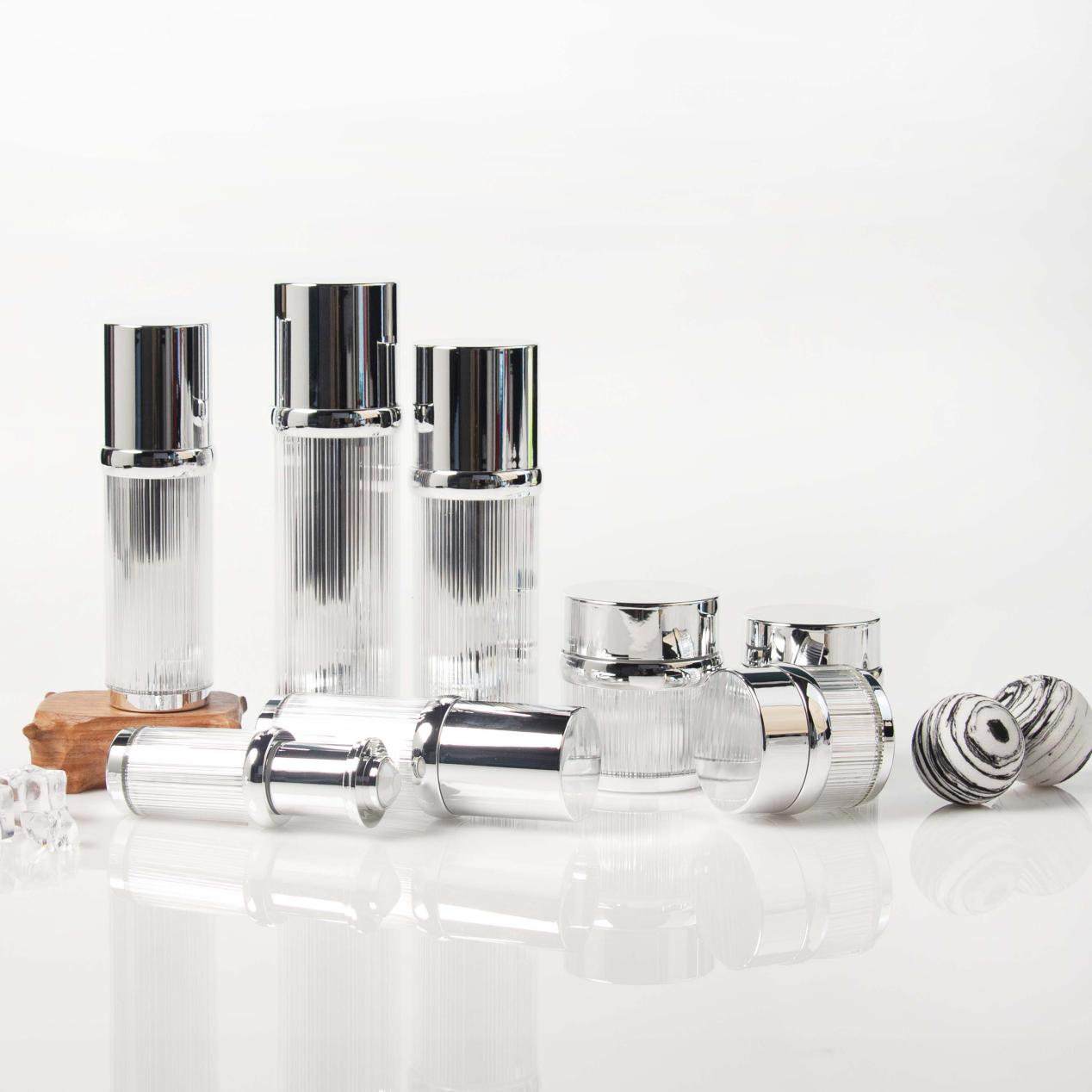
The Definitive Guide to Luxury Cylinder Acrylic Replaceable Cosmetic Packaging: Trends, Sourcing, and Innovation for B2B Success
Introduction: Navigating the Global Landscape of Luxury Cosmetic Packaging
In an era defined by evolving consumer values and intense market competition, the cosmetic industry stands at a crossroads where luxury and sustainability are no longer mutually exclusive. For B2B buyers operating across diverse regions—from the fashion-forward markets of Europe and the Middle East to the rapidly expanding economies of Africa and South America—luxury cylinder acrylic replaceable cosmetic packaging has emerged as a transformative solution. This packaging category not only meets the aesthetic demands of high-end brands but also aligns with the growing global emphasis on eco-conscious consumption, making it a strategic investment for businesses aiming to thrive in the $800 billion-plus global beauty and personal care industry projected by 2025.
This comprehensive guide is designed to empower international B2B buyers with actionable insights into every facet of luxury cylinder acrylic replaceable packaging. From understanding its diverse types and technical specifications to mastering sourcing strategies, cost optimization, and quality assurance, we delve deep into the nuances that define success in this dynamic sector. Whether you are a seasoned brand looking to elevate your packaging portfolio or a emerging player seeking to make a mark, this guide serves as your roadmap to navigating the complexities of the global market, mitigating risks, and capitalizing on opportunities that resonate with discerning consumers worldwide.
1. Understanding Luxury Cylinder Acrylic Replaceable Cosmetic Packaging: Types, Variations, and Core Characteristics
Luxury cylinder acrylic replaceable packaging is celebrated for its versatility, combining premium aesthetics with functional benefits that cater to a wide range of cosmetic and personal care products. Below is a detailed breakdown of the most prominent types, their distinguishing features, and their strategic applications for B2B buyers.
1.1 Key Types and Variations
| Type Name | Key Distinguishing Features | Primary B2B Applications | Pros for Buyers | Cons for Buyers | Technical Specifications |
| Airless Pump Bottles | – Vacuum-sealed design prevents air exposure<br>- Leak-proof mechanism<br>- Adjustable dispense control<br>- Replaceable inner chambers | Skincare serums, anti-aging lotions, facial creams, CBD-infused skincare | – Prolongs product shelf life by 30-50%<br>- Maintains sterility for sensitive formulations<br>- Reduces product waste (dispenses 95%+ of contents)<br>- Enhances brand perception of innovation | – Higher initial tooling costs<br>- Requires precise compatibility with product viscosity<br>- MOQs typically 5,000+ units | – Capacity: 15ml, 30ml, 50ml, 100ml<br>- Material: Acrylic outer shell, PP/PE inner liner<br>- Pump mechanism: 0.2-0.5ml per dispense<br>- Tolerance: ±0.3mm for dimensional accuracy |
| Double Wall Jars | – Dual-layer acrylic construction (inner/outer)<br>- Insulated design for temperature sensitivity<br>- Seamless, elegant cylindrical shape<br>- Refillable inner containers | High-end face masks, moisturizing creams, luxury body butters, hair treatments | – Provides thermal protection for heat-sensitive ingredients<br>- Offers premium tactile and visual appeal<br>- Supports sustainable refilling models<br>- Customizable outer wall finishes | – Heavier than single-layer alternatives (increases shipping costs)<br>- Higher material costs due to dual-layer design<br>- Susceptible to cracking if dropped | – Capacity: 30g, 50g, 100g<br>- Material: Acrylic outer, PP inner jar, PE gasket<br>- Wall thickness: 2-3mm (outer), 1.5-2mm (inner)<br>- Closure type: Screw-on, snap-on, or magnetic |
| Frosted Acrylic Jars | – Matte, soft-touch surface finish<br>- Opaque or semi-transparent options<br>- Customizable color tinting<br>- Scratch-resistant coating (premium variants) | Luxury foundations, concealers, highlighters, solid perfumes | – Conveys exclusivity and sophistication<br>- Hides product discoloration over time<br>- Reduces glare for shelf visibility<br>- Compatible with silk-screen branding | – Standard variants prone to surface scratches<br>- Color tint may fade with prolonged UV exposure<br>- Limited transparency for product display | – Capacity: 15g, 30g, 50g<br>- Material: Frosted acrylic (PMMA), PP inner lid<br>- Finish options: Light frost, heavy frost, colored frost<br>- Diameter: 45mm, 55mm, 65mm |
| Color Coated Bottles | – Vibrant, durable color coatings (internal or external)<br>- UV-resistant formulations<br>- Metallic or matte coating options<br>- Brand-matching color customization | Perfumes, body sprays, hair oils, liquid highlighters | – Strong brand differentiation through unique hues<br>- Protects light-sensitive products from degradation<br>- Enhances shelf appeal in competitive retail environments<br>- Cost-effective customization compared to electroplating | – Color may chip with rough handling<br>- Some coatings may react with alcohol-based formulations<br>- Higher lead times for custom color matching | – Capacity: 30ml, 50ml, 100ml, 200ml<br>- Material: Clear acrylic base, polyurethane coating<br>- Coating thickness: 0.1-0.2mm<br>- Compatibility: Tested for alcohol, oil, and water-based products |
| Electroplated Containers | – Thin metallic layer (gold, silver, rose gold, chrome)<br>- Mirror-like finish or brushed texture<br>- Corrosion-resistant plating<br>- Premium weight and feel | Luxury perfumes, upscale serums, limited-edition cosmetics | – Instantly elevates perceived product value<br>- Highly durable and scratch-resistant<br>- Appeals to luxury-focused consumer segments<br>- Compatible with high-end branding strategies | – Highest production costs among acrylic variants<br>- Plating may wear off with prolonged use<br>- Requires compliance with global plating standards (e.g., REACH) | – Capacity: 15ml, 30ml, 50ml, 100ml<br>- Material: Acrylic base, electroplated metal layer (0.05-0.1mm)<br>- Plating types: Vacuum plating, electrolytic plating<br>- Certification requirements: Lead-free, nickel-free compliance |
1.2 Core Material Properties of Acrylic (PMMA)
At the heart of luxury cylinder acrylic packaging is polymethyl methacrylate (PMMA), commonly known as acrylic. This material is chosen for its unique combination of aesthetic and functional properties that make it ideal for high-end cosmetic applications:
Clarity and Transparency: Acrylic offers 92% light transmission, closely mimicking the clarity of glass while being significantly lighter and more shatter-resistant. This transparency allows brands to showcase product color and texture, a key selling point for cosmetics.
Impact Resistance: Acrylic is 17 times more impact-resistant than glass, reducing the risk of breakage during shipping, handling, and consumer use. This durability translates to lower return rates and reduced waste for B2B buyers.
Lightweight: Acrylic has a specific gravity of 1.19, making it 50% lighter than glass. This lightweight property lowers shipping costs, a critical consideration for international B2B transactions involving large order volumes.
Customizability: Acrylic can be easily molded into complex cylindrical shapes, coated with colors, frosted, or electroplated, offering endless design possibilities for brands seeking to differentiate their products.
Chemical Resistance: While not as chemically inert as glass, high-grade acrylic resists most cosmetic formulations, including water-based creams, serums, and alcohol-based perfumes. However, it may react with strong solvents, requiring compatibility testing for specialized products.
1.3 The Replaceable Advantage: Sustainability and Consumer Appeal
The replaceable (or refillable) design of these packaging solutions is a key driver of their growing popularity. By separating the outer acrylic shell from the inner product chamber, brands can offer consumers refill options, reducing single-use plastic waste and aligning with circular economy principles. This design delivers multiple benefits for B2B buyers:
Sustainability Credentials: Replaceable packaging reduces plastic waste by up to 80% compared to traditional single-use containers. This resonates with eco-conscious consumers, 73% of whom are willing to pay more for sustainable products (Nielsen Global Sustainability Report).
Consumer Loyalty: Refill programs encourage repeat purchases, as consumers can reuse the premium outer packaging while replenishing the inner product. This model increases customer lifetime value and fosters brand loyalty.
Cost Efficiency for Consumers: Refill packs are typically 30-50% cheaper than full-priced products, making luxury cosmetics more accessible while maintaining brand profitability.
Regulatory Compliance: As governments worldwide implement stricter plastic waste regulations (e.g., the EU’s Single-Use Plastics Directive, California’s Plastic Pollution Prevention Act), replaceable packaging helps brands stay ahead of compliance requirements.
2. Key Industrial Applications: Matching Packaging to Product Needs
Luxury cylinder acrylic replaceable packaging is versatile enough to cater to multiple segments of the cosmetic and personal care industry. Below is an in-depth analysis of its applications across key sectors, highlighting the unique value it delivers to each.
2.1 Application by Industry Sector
| Industry/Sector | Specific Product Use Cases | Packaging Type Preference | Core Value Proposition | Sourcing Critical Factors | Market Demand Drivers |
| Skincare | Anti-aging serums, facial creams, moisturizers, eye creams, CBD-infused skincare | Airless Pump Bottles, Double Wall Jars, Frosted Acrylic Jars | – Preserves active ingredients (e.g., retinol, vitamin C) through airtight design<br>- Enhances premium brand image<br>- Supports sustainable refill models | – Material compatibility with active ingredients<br>- Sterility and contamination prevention<br>- MOQ flexibility<br>- Sustainability certifications (e.g., ISO 14001) | – Rising demand for high-potency, clinical-grade skincare<br>- Consumer focus on ingredient preservation<br>- Growth of eco-friendly skincare brands |
| Fragrance | Eau de parfum, eau de toilette, scented oils, solid perfumes | Color Coated Bottles, Electroplated Containers, Frosted Acrylic Jars | – Showcases fragrance color and viscosity<br>- Delivers luxury aesthetic that aligns with fragrance positioning<br>- Prevents light-induced degradation of scent compounds | – UV resistance of materials<br>- Compatibility with alcohol-based formulations<br>- Dispensing mechanism precision (for sprays)<br>- Design customization for brand storytelling | – Rebound of the global fragrance market post-pandemic<br>- Demand for limited-edition and premium fragrance lines<br>- Growth of niche and artisanal fragrance brands |
| Personal Care | Body lotions, body butters, hand creams, hair oils, scalp treatments | Double Wall Jars, Airless Pump Bottles, Color Coated Bottles | – Prolongs product shelf life in humid environments<br>- Offers convenient, mess-free dispensing<br>- Reinforces brand identity through custom design | – Durability for everyday use<br>- Eco-friendly material sourcing<br>- Size variety (travel vs. full-size)<br>- Cost-effectiveness for high-volume lines | – Increased consumer focus on self-care routines<br>- Demand for travel-friendly, refillable personal care products<br>- Growth of natural and organic personal care segments |
| Makeup | Foundations, concealers, highlighters, blushes, solid lipsticks | Frosted Acrylic Jars, Electroplated Containers, Color Coated Bottles | – Differentiates products in crowded makeup markets<br>- Provides opaque or semi-transparent storage to protect color integrity<br>- Enhances tactile experience for consumers | – Color customization to match product shades<br>- Scratch resistance for frequent use<br>- Compatibility with cream and powder formulations<br>- Branding options (e.g., embossing, silk-screening) | – Boom in social media-driven makeup trends<br>- Demand for luxury makeup at mid-tier price points<br>- Growth of inclusive beauty brands requiring diverse packaging options |
| Cannabis/CBD | CBD oils, CBD-infused creams, hemp-derived serums, medicinal topicals | Airless Pump Bottles, Double Wall Jars, Frosted Acrylic Jars | – Meets regulatory packaging requirements (child-resistant, tamper-evident)<br>- Preserves the potency of CBD and cannabinoids<br>- Appeals to premium CBD consumers | – Compliance with local regulations (e.g., FDA, EU Novel Food Regulations)<br>- Material safety (no chemical leaching)<br>- Child-resistant closure options<br>- Discretion and branding flexibility | – Legalization of cannabis and CBD in multiple markets<br>- Growth of premium CBD skincare and wellness products<br>- Consumer demand for safe, transparent CBD packaging |
2.2 Case Study: Application in High-End Skincare
A leading European skincare brand specializing in anti-aging serums sought to upgrade its packaging to align with its sustainability goals while maintaining a luxury aesthetic. The brand selected airless pump bottles with replaceable inner chambers, citing the following benefits:
Ingredient Preservation: The airless design prevented oxidation of retinol and vitamin C, extending product shelf life from 12 to 18 months.
Sustainability Impact: The brand launched a refill program, reducing plastic waste by 75% and increasing customer retention by 40% within the first year.
Brand Differentiation: The sleek acrylic design with frosted finishes and silk-screened branding stood out on retail shelves, leading to a 25% increase in point-of-purchase conversions.
This case study illustrates how luxury cylinder acrylic replaceable packaging can deliver tangible business results by addressing product-specific needs while resonating with consumer values.
3. Material Selection: Comparing Acrylic with Alternatives
Choosing the right material is a critical decision for B2B buyers, as it impacts product performance, cost, sustainability, and brand perception. Below is a comprehensive comparison of acrylic with other common materials used in luxury cosmetic packaging.
3.1 Material Comparison Table
| Material | Key Properties | Typical Applications | Cost (Relative) | Sustainability Profile | Advantages for Luxury Packaging | Disadvantages for Luxury Packaging | Regulatory Compliance Considerations |
| Acrylic (PMMA) | – High clarity (92% light transmission)<br>- Impact-resistant (17x stronger than glass)<br>- Lightweight (1.19 g/cm³)<br>- Customizable (coating, frosting, plating)<br>- Good chemical resistance (except strong solvents) | Luxury jars, bottles, airless pumps | Medium | – Recyclable (PCR acrylic available)<br>- Replaceable design reduces waste<br>- Lower carbon footprint than glass (50% less energy to produce) | – Balances luxury aesthetics with durability<br>- Cost-effective compared to glass<br>- Versatile design options<br>- Lightweight for international shipping | – Prone to scratching (without protective coating)<br>- Limited chemical resistance to strong solvents<br>- Higher cost than standard plastics (PE/PP) | – Compliance with REACH (EU)<br>- FDA approval for food/cosmetic contact<br>- ISO 10993 biocompatibility testing |
| Glass | – Excellent clarity (96% light transmission)<br>- Chemically inert (no leaching)<br>- High barrier properties<br>- 100% recyclable<br>- Premium feel and weight | High-end perfumes, serums, creams | High | – Infinite recyclability<br>- Low environmental impact when recycled<br>- No microplastic pollution | – Unmatched premium aesthetic<br>- Ideal for sensitive formulations<br>- Timeless design appeal<br>- Strong consumer perception of quality | – Heavy (increases shipping costs by 30-40%)<br>- Fragile (higher breakage rates)<br>- Limited design flexibility<br>- Higher production energy consumption | – FDA food contact compliance<br>- EU Food Contact Materials Regulation<br>- Prop 65 (California) compliance for heavy metals |
| Polyethylene (PE) | – Flexible and durable<br>- Good chemical resistance<br>- Cost-effective<br>- Lightweight (0.92 g/cm³)<br>- Recyclable (HDPE/LDPE) | Inner containers, refill packs, budget-friendly lines | Low | – High recyclability rate<br>- Low carbon footprint<br>- Can be made from PCR (post-consumer resin) | – Cost-efficient for high-volume production<br>- Shatterproof and durable<br>- Compatible with most formulations<br>- Easy to mold into simple shapes | – Low aesthetic appeal (matte finish)<br>- Limited customization options<br>- Not suitable for premium branding<br>- Prone to deformation at high temperatures | – FDA 21 CFR Part 177 compliance<br>- REACH SVHC compliance<br>- ISO 14001 for environmental management |
| Polypropylene (PP) | – Rigid yet flexible<br>- High melting point (167°C)<br>- Good chemical resistance<br>- Recyclable<br>- Lightweight (0.90 g/cm³) | Jars, caps, inner liners, pump components | Low-Medium | – Recyclable (PCR PP available)<br>- Low energy consumption during production<br>- Durable for repeated use | – Balances rigidity and flexibility<br>- Cost-effective for semi-premium lines<br>- Compatible with hot-fill formulations<br>- Resistant to moisture and chemicals | – Lower clarity than acrylic<br>- Limited surface finish options<br>- Can become brittle over time with UV exposure | – FDA 21 CFR Part 177 compliance<br>- EU REACH compliance<br>- BPA-free certification |
| Biodegradable Plastics (PLA, PHA) | – Made from renewable resources (corn starch, sugarcane)<br>- Biodegradable in industrial compost<br>- Low carbon footprint<br>- Similar properties to PE/PP | Eco-focused brands, refillable inner containers | Medium-High | – Compostable (reduces landfill waste)<br>- Renewable resource base<br>- Low greenhouse gas emissions | – Strong sustainability credentials<br>- Appeals to eco-conscious consumers<br>- Compliance with plastic waste regulations | – Low durability (prone to degradation in humid conditions)<br>- Limited heat resistance<br>- Higher cost than traditional plastics<br>- Requires industrial composting facilities | – ASTM D6400 (biodegradability standard)<br>- EN 13432 (EU compostability standard)<br>- FDA approval for food/cosmetic contact |
3.2 Strategic Material Selection Framework for B2B Buyers
When selecting materials for luxury cylinder acrylic replaceable packaging, B2B buyers should consider the following framework to align with their brand goals and market demands:
Brand Positioning: Premium brands targeting high-end consumers may prioritize acrylic or glass for their aesthetic appeal, while mid-tier brands may opt for acrylic-PP combinations to balance cost and luxury.
Product Formulation: Alcohol-based products (e.g., perfumes) require materials with high chemical resistance (acrylic, glass), while water-based creams can use PE/PP inner containers.
Sustainability Goals: Brands aiming for carbon neutrality may choose PCR acrylic or biodegradable inner containers, while those focusing on recyclability may prioritize 100% recyclable acrylic.
Cost Constraints: High-volume lines may use acrylic outer shells with PE/PP inner containers to reduce costs, while limited-edition products can justify the higher cost of electroplated acrylic or glass.
Regulatory Requirements: Cannabis/CBD products require child-resistant, tamper-evident packaging (acrylic with PP child-resistant caps), while EU-based brands must comply with REACH regulations for material safety.
By evaluating these factors, B2B buyers can select materials that deliver the optimal balance of performance, cost, and brand alignment.
4. Manufacturing Processes and Quality Assurance
The quality of luxury cylinder acrylic replaceable packaging is determined by rigorous manufacturing processes and quality control measures. Understanding these processes is critical for B2B buyers to evaluate suppliers and ensure consistent product quality.
4.1 Key Manufacturing Processes
4.1.1 Material Preparation
Sourcing High-Grade Acrylic: Raw acrylic (PMMA) resin is sourced from reputable suppliers meeting international standards (e.g., ASTM D4802 for acrylic sheet). Suppliers may offer virgin acrylic or PCR (post-consumer resin) acrylic for sustainable options.
Preprocessing: The resin is dried in dehumidifying dryers at 80-90°C for 2-4 hours to remove moisture, which can cause bubbles and defects during molding.
Color and Additive Integration: Pigments, UV stabilizers, or flame retardants are mixed with the resin to achieve desired properties (e.g., color coating, UV resistance).
4.1.2 Forming Techniques
Injection Molding: The most common technique for acrylic packaging, injection molding involves melting acrylic resin at 220-250°C and injecting it into precision molds under high pressure (1000-2000 bar). This process is used for jars, bottle bodies, and caps, enabling complex cylindrical shapes with tight tolerances (±0.3mm).
Blow Molding: Used for hollow containers (e.g., bottles), blow molding involves extruding a tube of molten acrylic (parison) and inflating it inside a mold to form the desired shape. This process is ideal for large-volume production of cylindrical bottles.
Thermoforming: Suitable for thin-walled acrylic components (e.g., inner liners), thermoforming heats acrylic sheets and forms them over a mold using vacuum pressure. This process is cost-effective for simple shapes.
4.1.3 Assembly
Component Integration: Molded parts (outer shell, inner container, pump mechanism, cap) are assembled using automated lines to ensure precision and consistency.
Closure Installation: Child-resistant caps, magnetic closures, or screw-on lids are attached, with torque testing to ensure proper functionality.
Leak Testing: Assembled packaging undergoes leak testing using air pressure or water immersion to detect defects in seals or joints.
4.1.4 Finishing Processes
Silk-Screen Printing: Custom logos, brand names, or designs are printed onto the acrylic surface using silk-screen techniques, with UV-cured inks for durability.
Frosting: The acrylic surface is treated with sandblasting or chemical etching to achieve a matte, frosted finish. Premium variants may include scratch-resistant coatings.
Electroplating: A thin layer of metal (gold, silver, rose gold) is applied via vacuum plating or electrolytic plating, creating a metallic finish that enhances luxury appeal.
Color Coating: Acrylic parts are coated with polyurethane or epoxy-based paints, available in matte, metallic, or glossy finishes. The coating is cured at 60-80°C for durability.
4.2 Quality Assurance and Control
4.2.1 International Quality Standards
Luxury acrylic packaging manufacturers must comply with global quality standards to ensure product safety and performance:
ISO 9001: Quality management system certification, ensuring consistent production processes and product quality.
FDA 21 CFR Part 177: Compliance for materials in contact with food/cosmetic products, ensuring no chemical leaching.
REACH (EU): Restriction of hazardous substances in materials, including heavy metals and toxic chemicals.
ASTM D4802: Standard specification for acrylic sheet, ensuring material quality and performance.
4.2.2 Quality Control Checkpoints
Incoming Quality Control (IQC): Raw materials (acrylic resin, pigments, additives) are inspected for purity, viscosity, and compliance with specifications. Testing includes Fourier-transform infrared (FTIR) spectroscopy to verify material composition.
In-Process Quality Control (IPQC): Samples are taken at every production stage (molding, assembly, finishing) to check for defects:
Dimensional testing: Using calipers, micrometers, and coordinate measuring machines (CMM) to ensure compliance with design specifications.
Visual inspection: Checking for surface defects (scratches, bubbles, discoloration) using automated optical inspection (AOI) systems.
Functional testing: Evaluating pump mechanisms (dispense volume, airtightness), closure torque, and leak resistance.
Final Quality Control (FQC): Finished products undergo comprehensive testing before shipment:
Durability testing: Drop tests (1m height onto concrete) to assess impact resistance.
Chemical resistance testing: Exposure to cosmetic formulations (alcohol, oils, creams) for 30 days to check for material degradation.
UV resistance testing: Exposure to UV light for 500 hours to evaluate color fading and material stability.
Packaging inspection: Ensuring proper labeling, documentation, and compliance with shipping requirements.
4.2.3 Supplier Quality Verification for B2B Buyers
To ensure supplier reliability, B2B buyers should implement the following quality verification measures:
Supplier Audits: Conduct on-site audits of manufacturing facilities to assess compliance with quality standards, production capacity, and sustainability practices.
Quality Reports: Request detailed quality control reports, including test results, defect rates, and corrective actions taken.
Third-Party Inspections: Engage independent inspection agencies (e.g., SGS, Intertek) to conduct pre-shipment inspections, verifying product quality against agreed specifications.
Sample Testing: Evaluate pre-production samples for material quality, design accuracy, and functional performance before placing bulk orders.
5. Sourcing Guide: A Step-by-Step Framework for B2B Buyers
Sourcing luxury cylinder acrylic replaceable packaging requires a strategic approach to ensure alignment with brand goals, product requirements, and market demands. Below is a comprehensive step-by-step guide for international B2B buyers.
5.1 Step 1: Define Technical Specifications
Product Requirements: Identify the specific product (serum, perfume, cream) and its formulation (water-based, alcohol-based, oil-based) to determine packaging compatibility.
Capacity and Size: Select capacity options (e.g., 15ml, 30ml, 50ml for bottles; 30g, 50g for jars) based on product volume and consumer preferences (travel vs. full-size).
Design Parameters: Define design elements such as shape (cylindrical, tapered), finish (frosted, electroplated, color-coated), and branding options (silk-screening, embossing, logo placement).
Functional Requirements: Specify closure type (screw-on, magnetic, child-resistant), dispensing mechanism (pump, dropper, spray), and replaceable inner container design.
5.2 Step 2: Research Sustainable Materials and Practices
Material Selection: Evaluate materials based on sustainability goals (e.g., PCR acrylic, biodegradable inner containers) and regulatory compliance.
Sustainability Certifications: Prioritize suppliers with certifications such as ISO 14001 (environmental management), FSC (forest stewardship), or PCR content verification.
Waste Reduction: Inquire about supplier practices for reducing manufacturing waste (e.g., recycling scrap acrylic, energy-efficient production).
5.3 Step 3: Identify and Evaluate Suppliers
Supplier Criteria: Develop a list of criteria including experience (minimum 5 years in luxury packaging), production capacity (ability to meet MOQs), customization capabilities, and regional presence.
Supplier Research: Use platforms such as Alibaba, Thomasnet, or industry trade shows (e.g., Cosmoprof, Packaging Innovations) to identify potential suppliers.
Background Checks: Verify supplier credentials, including certifications, client references, and online reviews. For international suppliers, check compliance with local regulations (e.g., EU CE marking, US FDA registration).
5.4 Step 4: Request and Evaluate Samples
Sample Request: Request pre-production samples to evaluate:
Material quality (clarity, durability, finish).
Design accuracy (color matching, branding placement).
Functional performance (leak resistance, pump efficiency, closure functionality).
Sample Testing: Conduct internal testing or engage third-party labs to verify compliance with specifications. Gather feedback from product teams and potential consumers to assess market appeal.
5.5 Step 5: Negotiate Terms and Conditions
Pricing Negotiation: Negotiate pricing based on order volume, with tiered pricing for larger MOQs. Request a detailed cost breakdown (materials, labor, tooling, shipping) to identify cost-saving opportunities.
Payment Terms: Agree on payment terms (e.g., 30% deposit, 70% balance before shipment) and payment methods (wire transfer, letter of credit) that minimize risk.
Lead Times: Negotiate lead times (typically 30-60 days for standard orders, 60-90 days for custom designs) and establish penalties for delayed shipments.
Contractual Agreements: Draft a formal contract outlining quality requirements, delivery schedules, payment terms, and dispute resolution mechanisms. Include clauses for product replacement in case of defects.
5.6 Step 6: Plan Logistics and Distribution
Shipping Method: Select shipping methods based on cost and urgency (sea freight for large volumes, air freight for time-sensitive orders).
Customs Compliance: Ensure compliance with import regulations, including documentation (commercial invoice, packing list, certificates of compliance) and tariffs.
Storage and Handling: Arrange for proper storage facilities to protect packaging from damage (e.g., temperature-controlled storage for electroplated or color-coated products).
5.7 Step 7: Establish Post-Purchase Support
Quality Feedback Loop: Communicate with suppliers regarding product quality after receipt, providing feedback on defects or issues.
Reorder Planning: Monitor inventory levels and reorder lead times to avoid stockouts. Establish long-term partnerships with reliable suppliers for consistent quality and preferential pricing.
Continuous Improvement: Collaborate with suppliers to implement design or material improvements based on consumer feedback and market trends.
6. Cost and Pricing Analysis
Understanding the cost structure of luxury cylinder acrylic replaceable packaging is essential for B2B buyers to optimize their sourcing budget and negotiate effectively. Below is a detailed analysis of cost components, pricing influencers, and cost-saving strategies.
6.1 Cost Components Breakdown
| Cost Component | Description | Percentage of Total Cost | Key Factors Affecting Cost |
| Materials | Cost of raw materials (acrylic resin, PE/PP inner containers, pigments, coatings, metals for electroplating) | 30-40% | – Quality of acrylic (virgin vs. PCR)<br>- Type of finish (frosted, electroplated, color-coated)<br>- Quantity of material used (container size, wall thickness) |
| Labor | Cost of skilled labor for molding, assembly, finishing, and quality control | 15-20% | – Manufacturing location (labor costs vary by region: Asia < Eastern Europe < Western Europe/North America)<br>- Complexity of production (custom designs require more labor)<br>- Automation level (automated lines reduce labor costs by 20-30%) |
| Tooling | Cost of custom molds for injection molding or blow molding | 10-15% | – Complexity of design (intricate shapes require more expensive molds)<br>- Mold material (steel molds are more expensive than aluminum but last longer)<br>- Number of cavities (multi-cavity molds reduce per-unit tooling costs) |
| Manufacturing Overhead | Costs associated with factory operation (rent, utilities, equipment maintenance, insurance) | 10-15% | – Production volume (higher volume reduces per-unit overhead)<br>- Energy costs (region-specific)<br>- Equipment efficiency (modern machinery reduces maintenance costs) |
| Quality Control | Costs of testing, inspection, certifications, and third-party audits | 5-10% | – Level of quality testing (comprehensive testing increases costs)<br>- Certification requirements (e.g., REACH, FDA compliance)<br>- Third-party inspection fees |
| Logistics | Costs of shipping (domestic and international), customs duties, tariffs, and handling | 10-15% | – Shipping distance (international shipping is 2-3x more expensive than domestic)<br>- Shipping method (air freight is 5-10x more expensive than sea freight)<br>- Packaging for shipping (export cartons, protective materials) |
| Supplier Margin | Profit margin for the supplier (typically 10-20%) | 10-20% | – Supplier reputation (established suppliers charge higher margins)<br>- Order volume (larger orders reduce margin percentage)<br>- Market competition (higher competition lowers margins) |
6.2 Pricing Influencers
Order Volume (MOQ): Most suppliers have a minimum order quantity (MOQ) of 5,000-10,000 units. Pricing is tiered, with per-unit costs decreasing by 10-20% for orders above 20,000 units and 20-30% for orders above 50,000 units.
Customization: Custom designs (e.g., unique shapes, color matching, electroplating) increase costs by 15-30% compared to standard designs. Silk-screen printing or embossing adds 5-10% to the total cost.
Material Quality: High-grade virgin acrylic costs 20-30% more than PCR acrylic. Electroplated finishes are 30-40% more expensive than frosted or color-coated finishes.
Regional Factors: Suppliers in Asia (China, Taiwan, South Korea) offer lower prices (15-30% less) than suppliers in Europe or North America, due to lower labor and overhead costs. However, international shipping and customs duties may offset these savings.
Certifications: Sustainability or regulatory certifications (e.g., ISO 14001, FDA compliance) can increase costs by 5-10% but enhance brand credibility and market access.
6.3 Cost-Saving Strategies for B2B Buyers
Consolidate Orders: Combine orders for multiple product lines to meet higher MOQ thresholds, reducing per-unit costs.
Optimize Design Complexity: Simplify design elements (e.g., avoid intricate shapes, use standard finishes) to reduce tooling and labor costs.
Choose Cost-Effective Finishes: Select frosted or color-coated finishes instead of electroplating for cost savings without compromising luxury appeal.
Source from Low-Cost Regions: Partner with suppliers in Asia or Eastern Europe to leverage lower labor and overhead costs, while ensuring quality through third-party inspections.
Negotiate Long-Term Contracts: Establish long-term partnerships with suppliers to secure preferential pricing, reduced tooling costs, and flexible payment terms.
Use PCR Materials: Incorporate post-consumer recycled (PCR) acrylic for inner containers or outer shells to reduce material costs and enhance sustainability credentials.
Optimize Shipping: Use sea freight for large-volume orders and consolidate shipments to reduce per-unit shipping costs. Negotiate Incoterms (e.g., FOB, CIF) to minimize risk and cost.
6.4 Example Pricing Scenarios
| Scenario | Order Volume | Container Type | Finish | Material | Estimated Per-Unit Cost (USD) | Total Order Cost (USD) |
| Standard Order | 5,000 units | 30ml Airless Pump Bottle | Frosted | Virgin Acrylic | $1.80 | $9,000 |
| Large Order | 50,000 units | 30ml Airless Pump Bottle | Frosted | Virgin Acrylic | $1.20 | $60,000 |
| Custom Order | 10,000 units | 50ml Electroplated Bottle | Rose Gold Electroplated | Virgin Acrylic | $3.50 | $35,000 |
| Sustainable Order | 20,000 units | 50g Double Wall Jar | Color-Coated | 30% PCR Acrylic | $2.10 | $42,000 |
These scenarios illustrate how order volume, customization, and material choices impact pricing, helping B2B buyers make informed budgeting decisions.
7. Market Dynamics and Sourcing Trends
The luxury cylinder acrylic replaceable cosmetic packaging market is shaped by evolving consumer preferences, technological advancements, and global regulatory changes. Understanding these dynamics is critical for B2B buyers to stay ahead of the competition and capitalize on emerging opportunities.
7.1 Key Market Drivers
Sustainability Demand: Consumers are increasingly prioritizing sustainable packaging, with 67% of global consumers willing to pay more for eco-friendly products (Nielsen). Replaceable acrylic packaging addresses this demand by reducing waste and promoting reusability.
Luxury Beauty Growth: The global luxury beauty market is projected to grow at a CAGR of 6.5% from 2023 to 2028, driven by rising disposable incomes in emerging markets (Africa, South America) and increased spending on premium personal care products.
Technological Innovations: Advancements in manufacturing technologies (3D printing, digital printing, automated assembly) have expanded design possibilities and reduced production lead times, enabling brands to launch custom packaging faster.
Regulatory Pressures: Governments worldwide are implementing stricter plastic waste regulations (e.g., EU’s Circular Economy Action Plan, Canada’s Single-Use Plastics Ban), pushing brands to adopt replaceable and recyclable packaging solutions.
E-Commerce Growth: The rise of online beauty retail has increased demand for durable, protective packaging that can withstand shipping. Acrylic’s impact resistance makes it ideal for e-commerce distribution.
7.2 Emerging Sourcing Trends
Localization of Supply Chains: In response to global supply chain disruptions (e.g., shipping delays, trade tensions), B2B buyers are increasingly sourcing from regional suppliers to reduce lead times and logistics costs. For example, European buyers may source from Eastern Europe, while North American buyers prioritize US or Mexican suppliers.
Turnkey Solutions: Brands are seeking suppliers that offer end-to-end solutions, including design, manufacturing, customization, and logistics. This reduces administrative burden and ensures seamless coordination.
Digitalization of Sourcing: Online sourcing platforms and virtual supplier audits have become more prevalent, enabling B2B buyers to evaluate suppliers remotely and streamline the sourcing process.
Collaborative Design: Brands are collaborating with suppliers on co-design projects to create unique packaging that aligns with brand identity and market trends. This collaborative approach fosters innovation and strengthens supplier relationships.
Sustainability-Focused Partnerships: Buyers are prioritizing suppliers with strong sustainability credentials, such as those using renewable energy in production, offering PCR materials, or achieving carbon neutrality.
7.3 Regional Market Insights
| Region | Market Characteristics | Key Sourcing Considerations | Popular Packaging Types |
| Europe | – High demand for sustainable and luxury packaging<br>- Strict regulatory compliance (REACH, EU Single-Use Plastics Directive)<br>- Consumers value transparency and ethical sourcing | – Compliance with EU regulations<br>- Sustainability certifications<br>- Proximity to reduce carbon footprint | Airless Pump Bottles, Electroplated Containers, Frosted Acrylic Jars |
| Middle East | – Booming luxury beauty market (Saudi Arabia, UAE)<br>- Preference for gold/platinum electroplated packaging<br>- High demand for travel-friendly sizes | – Premium finishes (electroplating, metallic coatings)<br>- Durability for hot climates<br>- Brand customization for luxury positioning | Electroplated Containers, Color Coated Bottles, Double Wall Jars |
| Africa | – Rapidly growing beauty market (Nigeria, South Africa)<br>- Demand for affordable luxury packaging<br>- Focus on durability and cost-effectiveness | – Cost competitiveness<br>- Adaptability to local logistics challenges<br>- Compliance with African Union environmental regulations | Frosted Acrylic Jars, Color Coated Bottles, Airless Pump Bottles |
| South America | – Strong demand for natural and organic beauty products<br>- Preference for refillable packaging<br>- Growing e-commerce penetration | – Sustainability credentials<br>- Compatibility with natural formulations<br>- Shipping efficiency for regional distribution | Double Wall Jars, Airless Pump Bottles, Biodegradable Inner Containers |
| North America | – High emphasis on sustainability and circular economy<br>- Demand for child-resistant packaging (CBD/cosmetic hybrid products)<br>- Preference for customizable, brand-focused designs | – FDA compliance<br>- Child-resistant closure options<br>- PCR material availability | Airless Pump Bottles, Frosted Acrylic Jars, Color Coated Bottles |
8. Frequently Asked Questions (FAQs) for B2B Buyers
8.1 Product-Specific Questions
What type of luxury acrylic packaging is best for serum products?Airless pump bottles are ideal for serums, as they prevent air exposure and contamination, preserving the potency of active ingredients. Look for bottles with adjustable dispense mechanisms and compatible inner liners for water-based or oil-based serums.
Can acrylic packaging be used for alcohol-based perfumes?Yes, high-grade acrylic is resistant to alcohol and can be used for perfume packaging. Ensure the supplier conducts chemical resistance testing to verify compatibility, and opt for UV-resistant coatings to prevent color fading.
What is the typical shelf life of acrylic packaging?Acrylic packaging has a shelf life of 3-5 years when stored properly (away from direct sunlight and extreme temperatures). Replaceable inner containers should be replaced annually to maintain product freshness.
8.2 Sourcing and Supplier Questions
What is the average MOQ for luxury acrylic replaceable packaging?MOQs typically range from 5,000 to 10,000 units for standard designs and 10,000 to 20,000 units for custom designs. Some suppliers offer flexible MOQs for established brands or repeat orders.
How can I verify a supplier’s sustainability claims?Request sustainability certifications (ISO 14001, PCR content verification), conduct on-site audits, and ask for detailed reports on manufacturing waste reduction and energy usage. Third-party sustainability audits can provide independent verification.
What is the typical lead time for custom acrylic packaging?Lead times for custom packaging range from 60 to 90 days, including design finalization, tooling production, sampling, and bulk manufacturing. Standard designs have shorter lead times (30 to 45 days).
8.3 Quality and Compliance Questions
How can I ensure acrylic packaging is safe for cosmetic use?Verify that the supplier uses FDA-approved acrylic resin (compliant with 21 CFR Part 177) and conducts biocompatibility testing. Request certificates of compliance (CoC) and material safety data sheets (MSDS).
What certifications are required for selling acrylic packaging in the EU?EU-bound packaging must comply with REACH (restriction of hazardous substances), CE marking (safety compliance), and the EU Cosmetics Regulation (EC 1223/2009). For sustainable packaging, certifications such as FSC or PCR content verification are recommended.
8.4 Cost and Logistics Questions
How much does it cost to develop custom tooling for acrylic packaging?Custom tooling costs range from $$5,000 to$$20,000, depending on design complexity and mold material (aluminum vs. steel). Steel molds are more expensive but last longer (100,000+ cycles) than aluminum molds (30,000-50,000 cycles).
What Incoterms are most favorable for international sourcing?For B2B buyers, FOB (Free On Board) or CIF (Cost, Insurance, and Freight) are common Incoterms. FOB shifts responsibility to the buyer once the goods are loaded onto the ship, while CIF includes shipping and insurance costs, reducing buyer risk.
9. Conclusion and Future Outlook
Luxury cylinder acrylic replaceable cosmetic packaging represents a strategic intersection of luxury, functionality, and sustainability, making it an indispensable choice for B2B buyers in the global beauty and personal care industry. As consumer demands for eco-conscious products continue to grow and regulatory pressures intensify, this packaging category will play an increasingly critical role in brand differentiation and market success.
For B2B buyers, the key to leveraging this opportunity lies in strategic sourcing—partnering with reliable suppliers that prioritize quality, sustainability, and customization. By understanding the technical properties of acrylic, evaluating material alternatives, mastering manufacturing and quality control processes, and optimizing cost and logistics, buyers can unlock the full potential of luxury acrylic replaceable packaging to enhance brand value, reduce environmental impact, and drive consumer loyalty.
Looking ahead, the market will be shaped by several key trends: the rise of digital manufacturing technologies enabling faster customization, the growing adoption of PCR and biodegradable materials, and the localization of supply chains to improve resilience. Brands that embrace these trends and invest in innovative, sustainable packaging solutions will be well-positioned to thrive in the dynamic global beauty market.
In an industry where first impressions matter, luxury cylinder acrylic replaceable packaging offers more than just a container—it is a powerful brand asset that communicates quality, sustainability, and sophistication. By following the insights and strategies outlined in this guide, B2B buyers can make informed decisions that elevate their products, resonate with consumers, and contribute to a more sustainable future.